Last updated November 17, 2026







Free written scope consultation - allowances, timeline, and change-order rules on paper before a single trade is scheduled
Windows & Doors Maintenance Schedule: What to Do and When
Vinyl windows are marketed as “maintenance-free,” and most homeowners translate that to “do nothing.” It’s a fair reading of the marketing and a costly one. The glass itself will outlive you. The hinges, rollers, weatherstripping, weep holes, caulk joints, and thresholds that make a $15,000 window and door installation actually perform are mechanical and structural parts, and they wear. Ignore them and you’ll be pricing replacement a decade earlier than necessary. This guide is the maintenance schedule we use on our own projects in Yorba Linda: what to check, when to check it, and how our heat-and-UV climate changes the calendar most national guides hand you.
Quick Answer
Inspect windows and doors every season and do the deep maintenance twice a year – once in spring and once in fall. That means cleaning weep holes, lubricating the correct hardware with the correct product, checking weatherstripping and door sweeps, and inspecting caulk and sealant joints. In Yorba Linda’s inland heat and high-UV summers, that spring inspection matters more than the fall one, because UV degrades seals, gaskets, and caulk faster here than in coastal or northern climates.
Styles & brands we work with
- Kitchen remodeling
- Bathroom remodeling
- Home additions & ADU
- Roofing
- Windows & doors
- Driveway & pavers
- Fence
Table of Contents
- The Seasonal Maintenance Calendar
- Why Yorba Linda’s Climate Changes the Schedule
- Lubricating Window & Door Hardware the Right Way
- Weep Holes: The Drainage System You Probably Forgot
- Thresholds and Sweeps: Inspect by Traffic, Not Just Calendar
- Checking Seals Before Your Warranty Expires
- The Annual Deep-Check Walkthrough
- When Maintenance Isn’t Enough
The Seasonal Maintenance Calendar
Think of window and door care as two light inspections and two deep sessions per year, plus a few tasks that only need doing annually. Here’s how we break it down for Yorba Linda homes.
Spring (March – May)
Spring is the heavy-lifting season here because it follows the winter rain window and precedes the brutal UV stretch of June through September. Do the full deep check now, not in fall, so you catch sun damage and rain intrusion before summer bakes it in.
- Inspect and clean all weep holes (exterior).
- Lubricate hinges, locks, rollers, and tracks.
- Check caulk and sealant joints on every exterior frame; re-caulk gaps and cracks.
- Test every window’s operation and lock; note anything that sticks or won’t latch.
- Replace worn door sweeps and weatherstripping.
- Wash screens and check for tears.
Summer (June – August)
Light touch. Watch for heat-related issues: doors that swell and stick, caulk that’s pulling away, gaskets that feel brittle. Note problems now and schedule the fix for fall.
- Check that window screens are secure (open windows = open doors to insects).
- Look for condensation between panes – a sign of a failed seal.
- Recheck exterior caulk on south- and west-facing walls, which take the most sun.
Fall (September – November)
The second deep session. Prep for the rainy season and catch anything the summer beat up.
- Second weep hole cleaning before winter rains.
- Re-lubricate moving hardware.
- Full caulk and weatherstripping inspection; replace anything cracked or compressed.
- Test door thresholds and sweeps for daylight gaps.
- Clean tracks and vacuum out trapped debris.
Winter (December – February)
Breather season, but the wettest months. This is when you find out whether your weep holes and caulk held up.
- Watch for water staining or dampness around frames after storms.
- Check interior walls and sills near windows for moisture or warping.
- Re-clean weep holes if you see water pooling on sills.
Why Yorba Linda’s Climate Changes the Schedule
National maintenance guides assume a temperate, four-season climate. Yorba Linda doesn’t fit that mold. Our inland location means summers that push triple digits for stretches, intense UV exposure, and a dry season that dries out caulk and weatherstripping fast. The Santa Ana winds add a wind-driven debris load that packs weep holes and drives grit into tracks. Winter rain, when it comes, is often concentrated, which puts your drainage system to the test all at once.
What that means for your schedule:
- UV exposure: Caulk, gaskets, and weatherstripping on west- and south-facing doors and windows degrade faster here. We recommend inspecting these specific exposures every 90 days, not just twice a year. If you’ve ever had a door sweep crumble in your hand after three summers, this is why.
- Heat and expansion: Vinyl and wood doors swell in summer and shrink in winter. That sticking exterior door in July isn’t necessarily defective; it’s thermal movement. Keep hinges lubricated and latch alignment checked so swelling doesn’t stress the frame.
- Wind-driven dust and debris: The Santa Anas fill tracks and weep holes with fine grit. Spring cleaning must include a serious flush, and if you’re near open hillside terrain, add a mid-summer track cleaning.
- Dry-season caulk fatigue: Our long dry stretches pull caulk away from frames. Inspect joints on exterior walls every six months and treat a hairline crack as a fix-now item, not a fall item.
If you’re comparing maintenance costs against replacement, our guide to Groundwork Construction Co. of Yorba Linda home services and full-scope remodeling shows how window and door work fits into a larger exterior investment.
Lubricating Window & Door Hardware the Right Way
This is the section most guides get wrong. The wrong lubricant on the wrong mechanism causes more damage than no lubrication at all, because it attracts grit, gums up over time, or attacks the plastic and rubber parts it touches. We’ve seen sliding door rollers seized solid after years of silicone spray, and we’ve seen hinges packed with grease that collected a summer’s worth of dust and turned into grinding paste. Here’s the right product for each part.
- Door hinges: White lithium grease or a dry PTFE spray. Apply a small amount to the hinge pin area, then open and close the door a few times to distribute it. Wipe off the excess. Avoid oil-based sprays that attract dust.
- Lock cylinders and deadbolts: Graphite powder or a dedicated lock lubricant. Never use grease or oil in a lock – it captures debris and can jam the pins.
- Sliding door rollers and tracks: Dry PTFE spray on the rollers, and clean the track first with a brush and vacuum. Never grease a sliding door track. It collects grit and makes the door harder to roll.
- Casement and awning window cranks: A light coat of silicone spray or white lithium on the crank mechanism. Don’t over-apply; a little goes a long way.
- Sliding window tracks: Clean dry, then a very light silicone application if needed. Again, no grease.
- Threshold and sliding door bottom guides: Dry or PTFE only. Grease here attracts grit that accelerates metal wear.
When to do it: every spring and fall at minimum, more often if the door is on a high-traffic path (front door, patio door). Use a rag and a small brush to clear grit before you lubricate; lubing a dirty mechanism just locks grit in place.
Weep Holes: The Drainage System You Probably Forgot
Weep holes are small openings at the bottom of your window frame or sliding door track – on the exterior sill, and sometimes on the frame itself – that let water drain out. If you look at a sliding glass door track after a rain, you’ll see the small drainage slots. Those are the weep holes, and they are the single most under-maintained part of a window and door system.
What they do: When rain hits the glass or frame, water runs down and collects in the track or sill. Weep holes channel that water out before it reaches the interior wall or, worse, the subfloor. When they clog – and in Yorba Linda’s windy, dusty conditions they clog reliably – water backs up, sits against the frame, and wicks into the wall cavity. That’s how a small maintenance oversight becomes a rotting sill and a water-damaged interior wall.
How to maintain them:
- Locate every weep hole on every window and sliding door. They’re most visible on the exterior of the lower frame or sill.
- Flush with a spray bottle of water, a soft brush, or a can of compressed air. Clean the track first so you’re not just pushing debris into the hole.
- Check that water drains freely (a light pour tests it). If it pools, keep flushing.
- Never caulk, seal, or plug a weep hole. We’ve seen this done to stop a draft – it does the opposite of what the sealant is for and traps water against the frame.
- After winter storms, recheck for pooling. In heavy rain, a clogged weep hole shows up fast.
Thresholds and Sweeps: Inspect by Traffic, Not Just Calendar
Most maintenance guides say “check sweeps annually.” That’s not good enough. A front door on a household of four gets more wear in six months than a guest room door gets in five years. Your inspection interval should follow traffic, not a fixed calendar.
- High-traffic doors (front door, main patio door): Inspect the threshold, sweep, and bottom weatherstripping every 3 – 4 months. Replace the sweep when you can see daylight under the door from inside, when it’s torn or compressed flat, or when a dollar bill slides out with no resistance (a classic test).
- Medium-traffic doors (garage-to-house, secondary exterior door): Inspect every 6 months.
- Low-traffic doors (guest room, rarely used patio door): Inspect annually, but still check after storms.
What to inspect: the threshold for cracks or lifted edges, the sweep for tears and stiffness, and the bottom seal for gaps. Also check the door’s clearance: a door that scrapes the threshold in summer was probably installed tight and is swelling with heat. Gaps, torn sweeps, and worn thresholds are where air, water, and insects get in. Replace worn sweeps promptly – a $10 part and five minutes is far cheaper than water damage tracked in over a season.
Similar logic applies to thresholds on sliding doors: clean and check the track and weep holes with the door’s traffic level in mind. For homes with big exterior living spaces, our Driveway & Pavers in Yorba Linda page covers exterior surfaces that interact with door sills and drainage.
Checking Seals Before Your Warranty Expires
Window and door warranties – especially manufacturer warranties on the glass seal and frame – are your best tool against premature replacement cost, and most homeowners never read them until it’s too late. The critical seal to monitor is the insulated glass unit (IGU) seal: the seal between the two panes of a double-pane window. When it fails, you get fogging or condensation between the panes, and you’re no longer looking at a cosmetic issue; the window’s insulation value is gone.
How to check for a failing seal before the warranty window closes:
- Look for fogging, haze, or water droplets between the panes. That’s a failed seal, not cleaning residue.
- Check the manufacturer’s warranty period on the IGU seal. Many are covered for 10, 20, or even a limited lifetime term, but the coverage and the claims process vary – read the paperwork and note the expiration dates.
- Document anything you find with photos and a dated note. If a seal fails within warranty, your claim is stronger with evidence.
- Contact the manufacturer or the installing contractor before the warranty expires to file a claim – these are typically covered repairs, not out-of-pocket replacement.
Warranty on installation workmanship is separate from the manufacturer’s product warranty, and it’s the reason we put our 730-Day Done Right Promise in writing: if a window or door we installed isn’t performing, we make it right. That’s the kind of coverage worth asking any contractor to put on paper.
For homeowners weighing window and door work against other exterior projects, our Fence Installation in Yorba Linda page and our Home Additions & ADU in Yorba Linda page show how exterior systems fit together and where doors and windows land in the budget.
The Annual Deep-Check Walkthrough
Once a year, in spring, do a full walkthrough of every window and door in the house. It takes about an hour and catches what spot-checks miss. Here’s the routine we follow:
- Open and close every window and door. Note anything that sticks, drags, or won’t latch. A stuck window or a door that won’t latch is a sign of a seal or alignment problem.
- Inspect every exterior frame for caulk cracks. A hairline gap is a water path. Re-caulk with exterior-grade sealant; don’t skimp on prep (clean, dry, and remove old caulk first).
- Flush every weep hole. See the section above.
- Lubricate all hardware using the correct product per part – no grease on tracks or locks.
- Inspect sweeps, thresholds, and weatherstripping and replace worn parts. Daylight gaps and torn sweeps need to go.
- Check the IGU seals for fogging and document them for warranty purposes.
- Clean tracks and screens. A shop vac and a stiff brush handle most of it.
- Test locks and openers on every door, including the deadbolt and any sliding-door lock.
If something fails this checklist, note it and price the fix. We’re happy to be a second set of eyes; our Groundwork Construction Co. of Yorba Linda home services cover full window and door work, and a free estimate will tell you whether a repair or a replacement is the better call.
When Maintenance Isn’t Enough
Even a well-maintained window and door system will eventually need replacement. In Yorba Linda, a few signals tell us maintenance is no longer the answer:
- Multiple windows showing failed IGU seals (fogging between panes) – one is a repair; five suggests the unit has reached end of life.
- Water intrusion at a frame even after re-caulking and cleaning weep holes.
- Doors that won’t latch or close properly after repeated adjustment.
- Frames that are warped, cracked, or visibly degraded.
- Energy bills climbing with no other explanation.
When that happens, we install windows from brand partners including Andersen and Marvin, and roofing from CertainTeed and Owens Corning, so materials and installation are matched to the guarantee. Our 730-Day Done Right Promise covers the work; that’s the difference that matters when you’re investing in a long-horizon upgrade.
Common Mistakes to Avoid
- Caulking over a weep hole. It’s a common attempt to stop a draft, and it’s the worst thing you can do – it traps water against the frame and leads to rot. Weep holes are supposed to stay open.
- Greasing sliding door tracks and rollers. Grease collects grit and makes the door harder to move. Use dry PTFE or clean and leave them dry.
- Cleaning with a pressure washer. A power washer around window and door seals can force water past weatherstripping and into the frame. A garden hose and a soft brush are enough.
- Ignoring a failed IGU seal until the warranty lapses. Fogging between panes is a warranty claim, not a cosmetic issue. Read the paperwork and file before the clock runs out.
- Skipping the spring deep-check in favor of a fall tune-up. In Yorba Linda’s climate, UV damage happens in summer and shows up in fall. By then you’ve lost the season. Spring is when you should catch it.
- Using household oil on lock cylinders. It attracts grit and can jam the pins. Graphite or lock lubricant only.
- Letting worn door sweeps go another season. Torn sweeps let air and water in. They’re inexpensive parts – replace them with the season’s deep check.
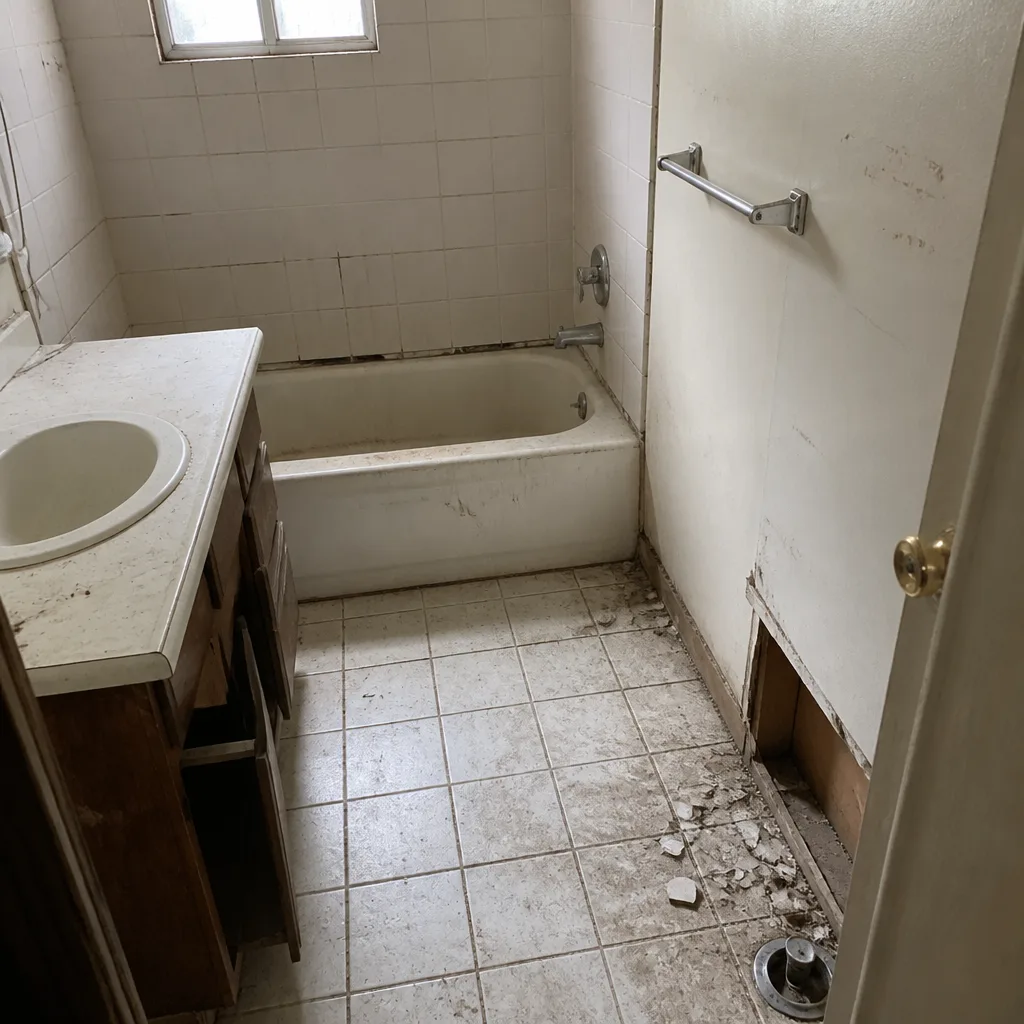
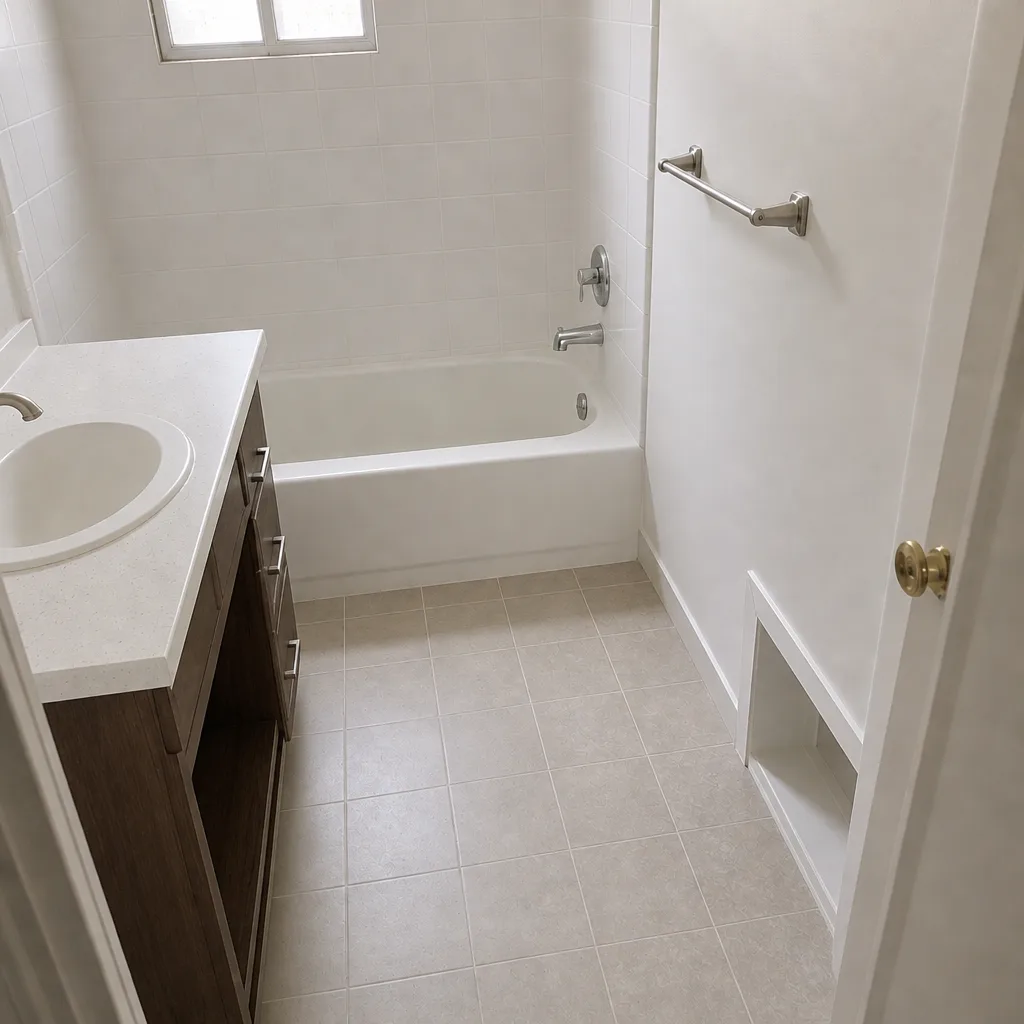
See the difference
 Before
 After
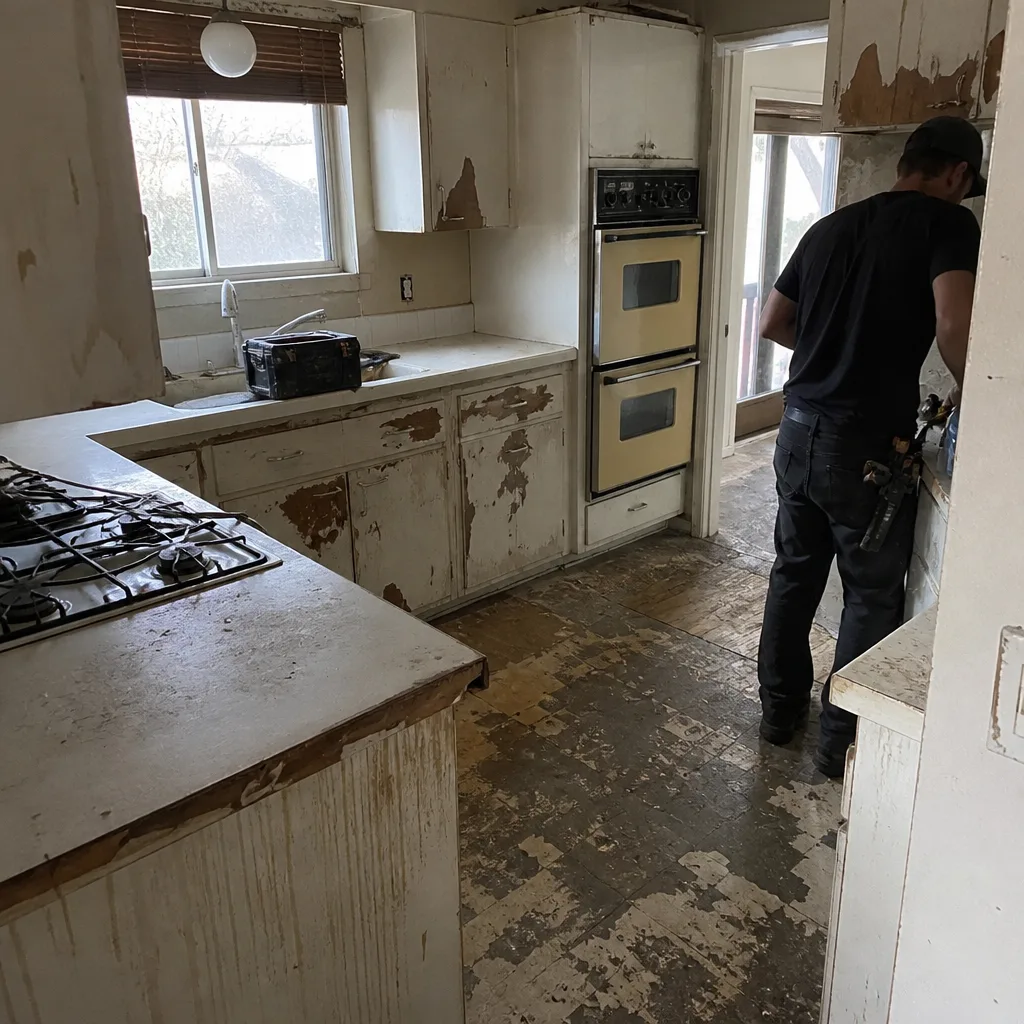 Before
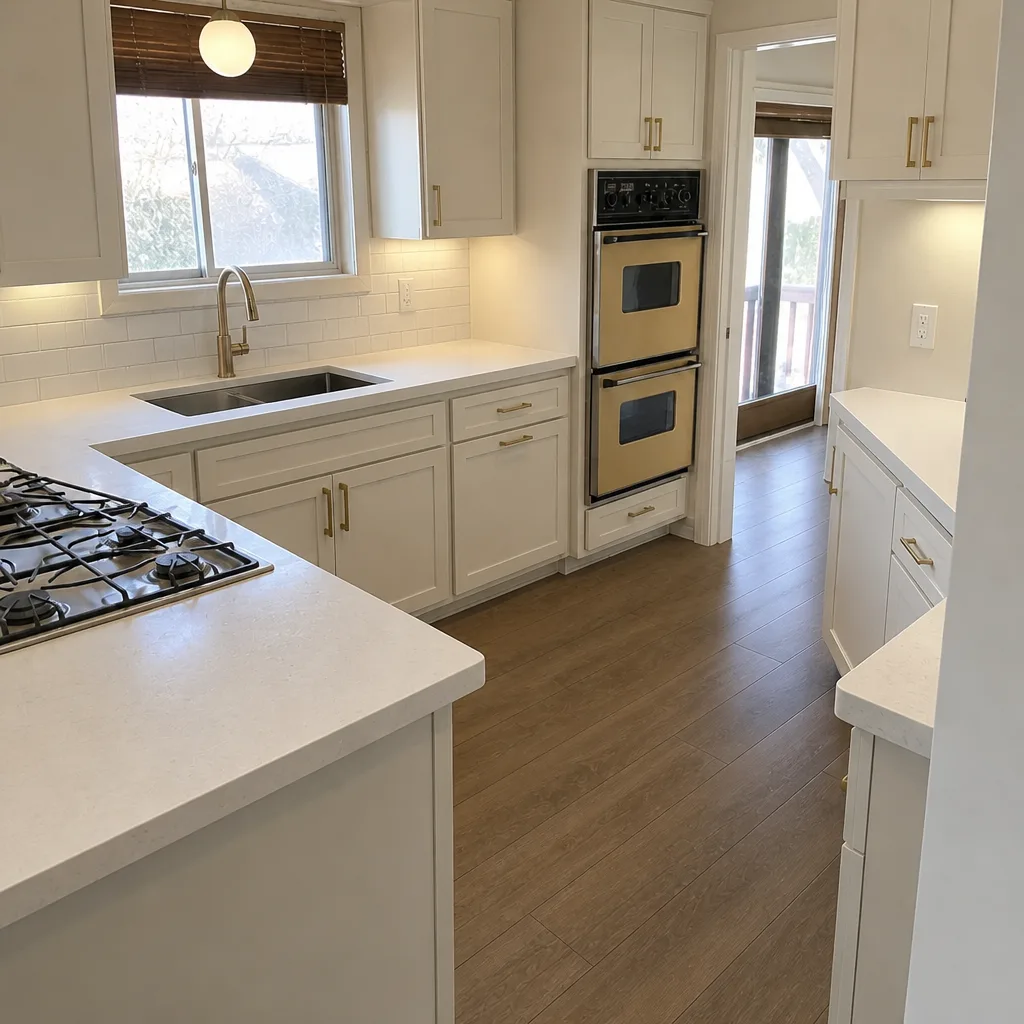 After
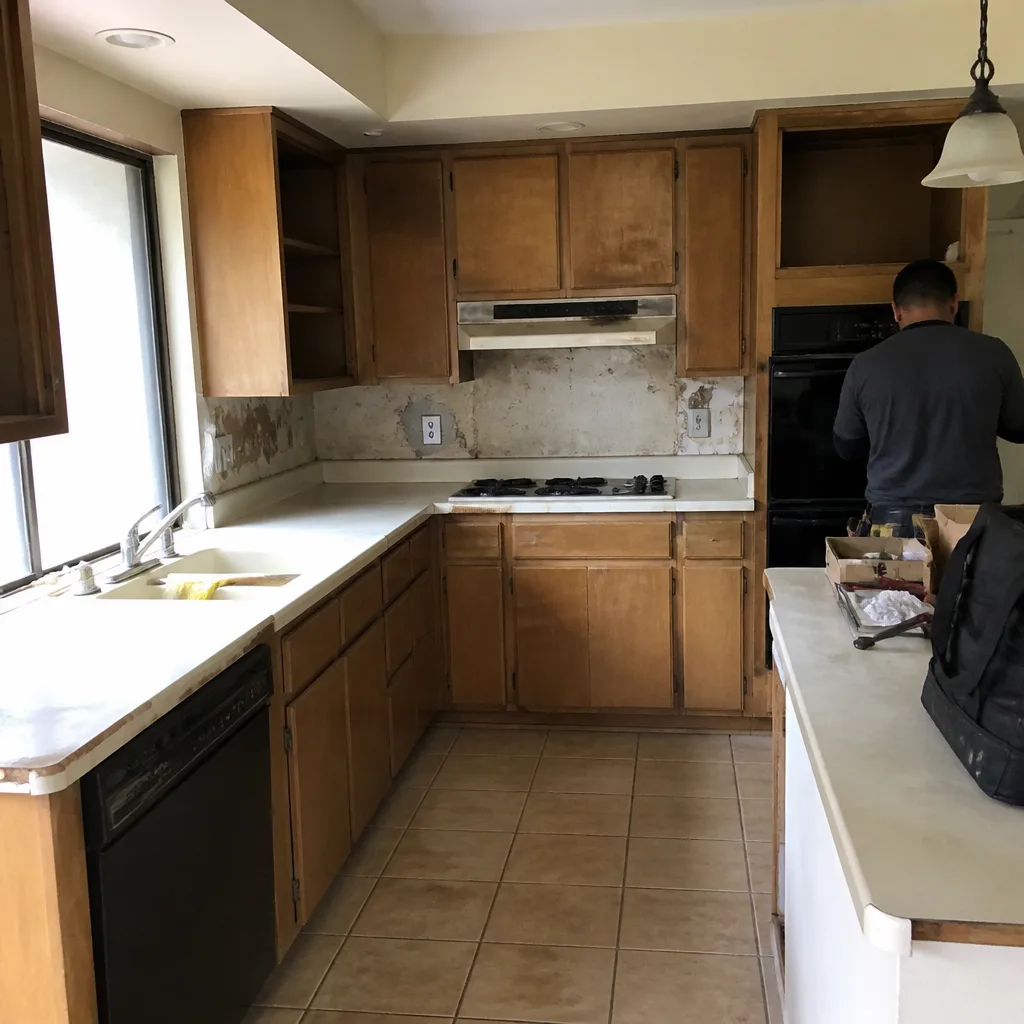 Before
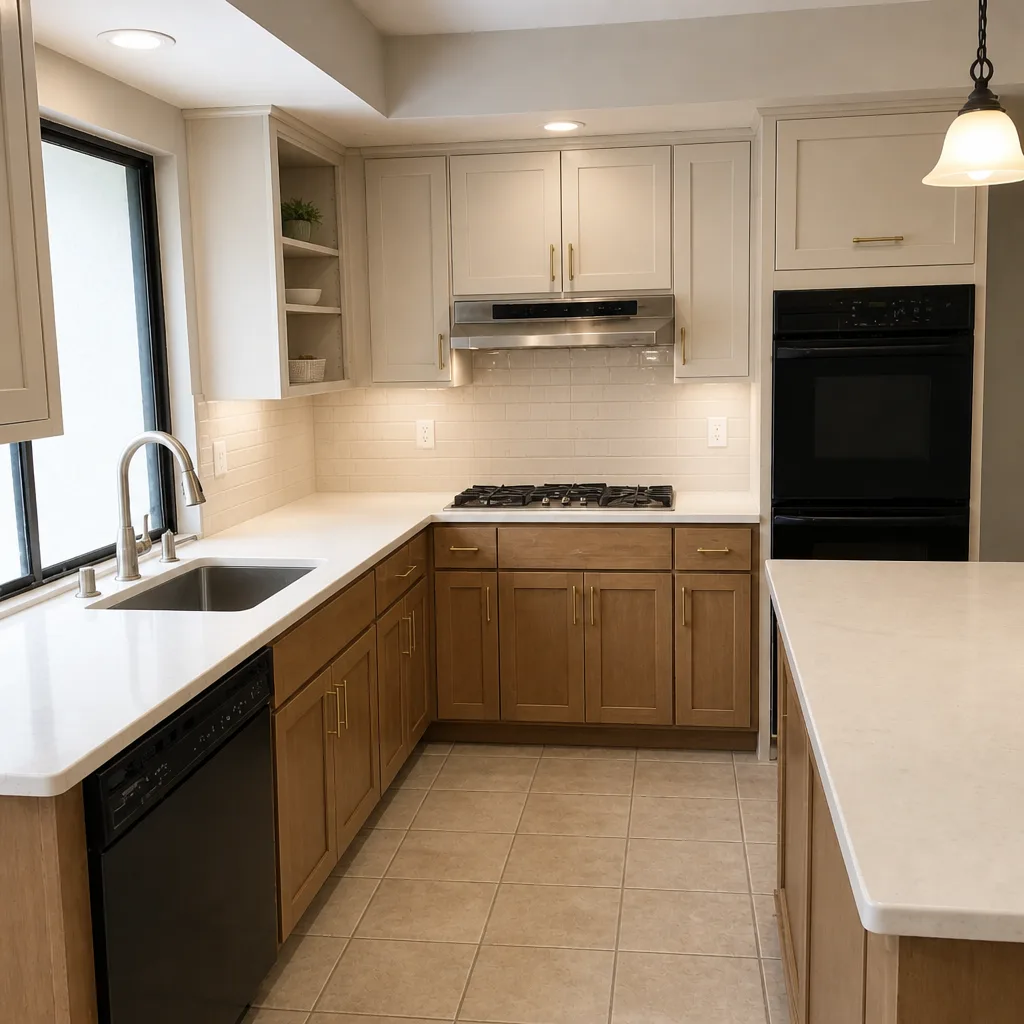 After
When to Call a Professional
Some of this work is genuinely within reach for a careful homeowner: cleaning weep holes, replacing a sweep, re-caulking a joint. Other situations call for a professional: water intrusion that persists after re-caulking and cleaning, fogging between panes across multiple windows that needs a warranty claim, doors that won’t latch or that show warped frames, and any window or door that’s visibly deteriorated and nearing replacement. If you’re not sure whether you’re looking at maintenance or replacement, a free inspection answers the question fast. Groundwork Construction Co. of Yorba Linda offers free estimates in Yorba Linda – call (888) 255-9354 to get on the schedule. Calls are answered by a live person, 24/7, so you won’t sit in a voicemail queue.
Frequently Asked Questions

Twice a year for the deep maintenance (spring and fall), with light checks every season. Spring is the priority season in Yorba Linda because it follows the winter rain and precedes the intense UV summer. Caulk, weatherstripping, and gaskets on west- and south-facing units often need a 90-day check in our climate.
Water backs up against the window or door frame and eventually wicks into the wall, which can lead to rotted sills and interior water damage. In Yorba Linda’s windy, dusty conditions, weep holes clog reliably and should be flushed at least twice a year, more often if you notice water pooling on the sill after a storm. Call (888) 255-9354 for an inspection if you’re seeing dampness or staining.
No. General-purpose oil attracts dust and grit; grease on sliding tracks and rollers causes more wear than no lubrication. Use white lithium or dry PTFE spray on hinges and rollers, graphite or lock lubricant on locks, and nothing but a clean track on sliding door rails. Call (888) 255-9354 if a mechanism is already seized – we’ll tell you whether it’s salvageable.
Look for fogging, haze, or visible moisture between the two panes of a double-pane window. That’s an IGU seal failure, not a cleaning issue, and it’s often covered by the manufacturer’s product warranty. Document it with photos and review the warranty terms before the expiration date. Call (888) 255-9354 for help reading your coverage and filing a claim.
Yes – the Santa Ana winds drive fine dust and grit into tracks and weep holes, so hillside homes need more frequent track cleaning and weep-hole flushing. Exposure matters too; a west-facing door on an open hillside lot takes more UV and wind than a sheltered interior lot, so inspect it more often.
When you see multiple failed IGU seals, persistent water intrusion after re-caulking, warped frames, or doors that won’t latch after adjustment. A single repair is usually worth doing; a pattern of failures points to a unit that’s reached end of life. Call (888) 255-9354 for a free estimate on replacement.
The Bottom Line
Windows and doors don’t fail from being used. They fail from being ignored, and the wear shows up in the parts homeowners never clean: weep holes, sweeps, seals, and hardware. Follow a spring and fall deep check, adjust the interval for traffic and sun exposure, use the right lubricant for each mechanism, and watch your IGU seals before the warranty runs out. In Yorba Linda, the UV and wind make spring the season that matters most. Do that, and a $15,000 window and door installation can perform like new for 20 years. Skip it, and you’ll be replacing parts – or the whole system – a decade early.
Ready to price a repair or replacement, or get a second opinion on what maintenance your windows and doors actually need? Call (888) 255-9354 to schedule your free estimate. Upfront pricing, no surprises – and our 730-Day Done Right Promise backs the work in writing.
Written by the team at Groundwork Construction Co. of Yorba Linda.