
Last updated November 17, 2026





Free written scope consultation - allowances, timeline, and change-order rules on paper before a single trade is scheduled
Bathroom Remodeling Maintenance Schedule: What to Do and When
Most bathroom remodels start showing premature wear within 18 months – not because the work was bad, but because nobody told the homeowner what to do after the contractor left. New grout starts cracking, caulk turns black, the exhaust fan stops pulling air, and a slow leak quietly rots the subfloor behind a beautiful new tile wall. In Yorba Linda, where dry summers and hard water create their own wear patterns, the maintenance calendar matters even more. This guide gives you a room-by-room, month-by-month schedule built around the actual materials and systems installed in a professional remodel, so the bathroom you paid for still looks new when the warranty window closes.
Quick Answer
A bathroom remodel needs three maintenance rhythms: a monthly check of caulk lines, drains, and the exhaust fan; a quarterly deep clean of grout, stone, and fixtures; and an annual inspection of seals, hardware, and water supply lines. In Yorba Linda’s climate, grout and caulk should be checked every 6 to 9 months in high-use showers, and the exhaust fan filter should be cleaned twice a year. Anything showing softness, discoloration, or movement gets documented and addressed before it spreads.
Styles & brands we work with
- Kitchen remodeling
- Bathroom remodeling
- Home additions & ADU
- Roofing
- Windows & doors
- Driveway & pavers
- Fence
Table of Contents
- The Monthly 15-Minute Walkthrough
- Grout and Caulk: Why the Interval Isn’t Just the Calendar
- Exhaust Fan Maintenance: The Most Neglected Task
- How to Check for Early Water Intrusion Without Opening Walls
- Quartz, Marble, and Porcelain: Care Differences That Matter
- Your 730-Day Warranty Window: What to Document Before It Closes
- Yorba Linda Seasonal Adjustments
- The Annual Deep-Inspection Checklist
The Monthly 15-Minute Walkthrough
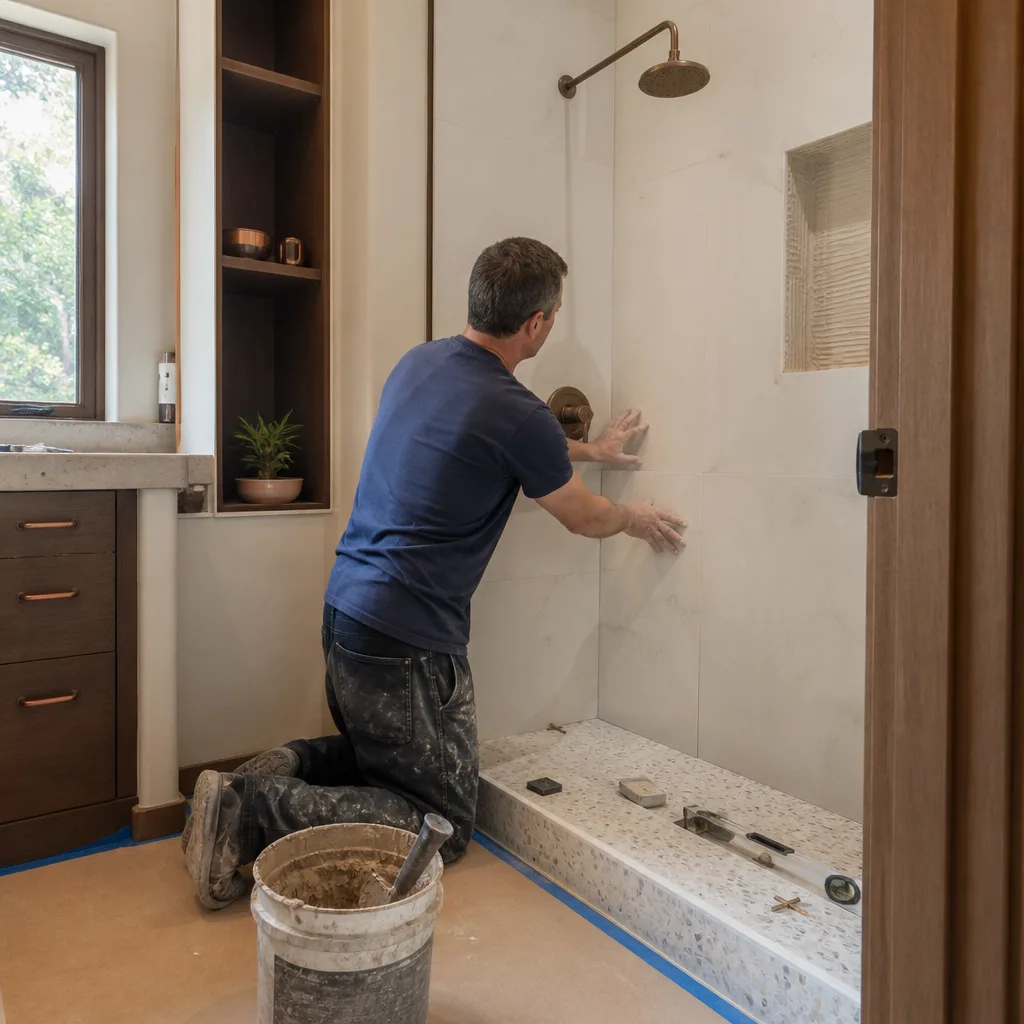
Fifteen minutes once a month prevents the majority of expensive bathroom problems. The trick is knowing what to look at – not just “clean everything,” but scanning specific failure points in a specific order. In our experience with Yorba Linda bathrooms, the failures that cost homeowners the most start as something small enough to fix with a $12 tube of silicone.
Run through this sequence on the first weekend of every month:
- Silicone caulk at the shower base and tub edge. Press a thumbnail into the bead. If it’s soft, gummy, peeling, or turning black underneath, it needs replacement before water gets past it.
- Grout lines on the shower floor and the lowest 12 inches of wall tile. Look for hairline cracks and “missing” grout that has washed out at the drain slope.
- Toilet base. Rock the bowl gently. Any movement means the wax seal is at risk and needs professional attention.
- Under-sink cabinet. Run a hand along the bottom and back panel. Dampness or warped particleboard signals a supply line or drain leak.
- Exhaust fan. Hold a tissue to the grille on high. If it doesn’t pull the tissue flat and hold it, airflow has dropped.
- Ceiling below the bathroom (if there’s a room underneath). Any discoloration, bubbling paint, or soft drywall is a red flag that needs a pro.
The higher your household’s shower frequency – a family of four using the primary bath twice daily – the more often this walkthrough needs to happen. In Yorba Linda homes with two teen athletes or a home office in the primary suite, monthly isn’t cautious. It’s the baseline. This is also the time to glance at any windows in the bathroom, since Yorba Linda’s dry heat can dry out weatherstripping faster than coastal climates – the same principle we cover in our guide to Groundwork Construction Co. of Yorba Linda home services.
Grout and Caulk: Why the Interval Isn’t Just the Calendar
The most common bad advice homeowners get is “re-caulk every year.” That’s wrong. Caulk and grout intervals depend on three variables: tile size, substrate type, and how often the shower runs. A large-format 12×24 porcelain tile wall on a cement backer board holds its grout far longer than a mosaic tile floor on a plywood subfloor with daily showering.
Here’s how the timeline actually breaks down in a Yorba Linda bathroom built to current code:
- Daily shower, mosaic tile floor, wood subfloor: inspect grout every 6 months, re-caulk the shower base every 12 to 18 months.
- Daily shower, large-format tile floor, cement backer board: inspect grout every 9 months, re-caulk the base every 18 to 24 months.
- Guest bath used fewer than 10 times per month: inspect yearly, re-caulk every 2 to 3 years.
- Steam shower or bathroom with in-floor heat: inspect every 4 to 6 months. Thermal cycling stresses the caulk line more than any other factor.
Porcelain and ceramic tile with epoxy grout can stretch those numbers further. Cementitious (sanded or unsanded) grout on natural stone is the opposite – it needs sealing every 12 months in a shower, and every 18 to 24 months on a bathroom floor. Marble in particular is porous and stains quickly from hard-water mineral deposits. Yorba Linda’s water runs hard, which accelerates the calcium buildup in grout lines and makes sealing more important than in softer-water areas of Southern California.
When you do re-caulk, use 100% silicone in wet areas – never painter’s caulk, never acrylic. If the caulk is failing because of a deeper problem like a shower pan leak, re-caulking is a bandage. That’s when it pays to call a pro. The 730-Day Done Right Promise from Groundwork Construction Co. of Yorba Linda covers workmanship on any bathroom remodel we complete, and the same inspection rhythm applies to remodels we didn’t do – if you inherit a bathroom with chronic caulk failures, our team can diagnose whether the substrate is intact before you pay for another cosmetic fix.
Exhaust Fan Maintenance: The Most Neglected Task

The exhaust fan is the single most ignored component in an aging bathroom, and it’s the one that causes the most expensive damage. A bathroom fan running at reduced airflow because of a clogged grille or dust-loaded blower wheel can’t pull moisture out fast enough, and that moisture settles on ceilings, in wall cavities, and inside cabinets. In Yorba Linda, where summer attic temperatures routinely exceed 130°F, a fan that loses efficiency in June may not recover until October.
A properly maintained fan should clear the mirror and walls of condensation within 15 minutes of a hot shower ending. If it takes longer, or if condensation lingers on the ceiling, the fan is failing.
Handle fan maintenance on this schedule:
- Monthly: wipe the grille with a damp cloth and check for dust buildup on the visible blower vanes.
- Every 6 months: remove the cover (usually a friction clip or two screws) and vacuum the blower wheel and housing. This is the step most homeowners skip, and it’s the one that restores airflow overnight.
- Every 12 months: check the exterior vent flap on the roof or wall. If it’s stuck open or missing, you’re venting hot attic air back into the bathroom – a common problem in Yorba Linda homes built before the 1990s.
- Every 5 to 7 years of continuous use: consider replacing the fan motor or upgrading to a higher-CFM unit. Older 50-CFM fans spec’d for 1970s bathrooms don’t move enough air for modern showers.
If the fan is 10+ years old and airflow has dropped despite cleaning, replacement is cheaper than the mold remediation it prevents. Today’s quiet, humidity-sensing fans are a straightforward swap for most Yorba Linda bathrooms.
How to Check for Early Water Intrusion Without Opening Walls
You don’t need to cut drywall to know if water is getting behind your tile. Several early warning signs show up weeks before visible damage does – if you know where to look. In our experience, the homeowners who catch water intrusion early are the ones who check these four spots every season.
1. The “smell test” at the cabinet and vanity. A musty, earthy, or “old basement” smell coming from under the vanity or behind the toilet means moisture is present. It’s often the wax ring or a supply line, not the shower – but either way, it’s not something to wait on.
2. Ceiling and drywall staining one floor below. A faint tan ring, bubbling paint, or a soft spot directly beneath the bathroom is water escaping through the shower pan or drain. In Yorba Linda two-story homes, it’s worth checking the ceiling below at the seasonal change, when temperature swings stress the seams.
3. Grout discoloration in patterns. Darkened grout in a line or rectangle – not the whole floor – usually means water is wicking behind the tile from a compromised waterproofing membrane. A full grout line that turns dark from one end to the other is more likely surface mold.
4. Loose or hollow-sounding tile. Tap each floor tile gently with a plastic-handle screwdriver. A hollow “tick” instead of a solid “thunk” is a sign the thinset has debonded, often because of moisture or substrate movement.
If any of these signs appear, call a professional rather than opening the wall yourself. A pro will use moisture meters and thermal imaging to trace the leak before cutting – saving you from a needless demo. Most small leaks fixed quickly cost far less than the water-damage restoration that follows a hidden leak left for six months.
Quartz, Marble, and Porcelain: Care Differences That Matter

The bathroom countertop material determines a big chunk of your maintenance calendar – and the care differences are much larger than most homeowners realize. In a Yorba Linda remodel using materials like Kohler or Cambria quartz, the maintenance is minimal but not zero, and the wrong cleaner can do permanent damage.
Quartz (Cambria, Caesarstone, and similar): Non-porous, doesn’t need sealing, and resists stains from toothpaste and cosmetics. Clean weekly with a pH-neutral soap and water. Avoid bleach, ammonia, and abrasive pads – they dull the factory finish. Quartz is not heat-tolerant, so never set a curling iron directly on it. Expect 15+ years of trouble-free use with proper care.
Marble: Porous, sensitive to acid, and beautiful enough to justify the work. Seal every 12 months in a bathroom (every 6 months in a marble vanity that takes heavy daily use). Wipe up water spots immediately – hard water in Yorba Linda etches marble faster than soft water. Use only stone-specific or pH-neutral cleaners. Lemon, vinegar, and most bathroom sprays will dull the surface.
Porcelain (and glazed ceramic): Practically maintenance-free. Clean with anything short of acid – but check the grout, not the tile, since grout lines in porcelain vanity tops can stain from hair dye and cosmetics. Handle chips at the edge with a food-safe epoxy filler; they’re cosmetic but can grow.
Whichever surface you have, integrate a monthly check into your 15-minute walkthrough: run a fingertip across the sink edge and backsplash seam, feeling for lifting caulk or soft spots. The seam between the countertop and the wall is one of the most common places a hidden leak starts. If you’re planning an upcoming bathroom remodel, the Home Additions & ADU in Yorba Linda team can match countertop materials to the moisture loads of the room, rather than defaulting to whatever’s in stock.
Your 730-Day Warranty Window: What to Document Before It Closes
A 730-Day Done Right Promise – two full years of coverage on workmanship – is one of the longest windows in residential construction. But the coverage isn’t automatic if you haven’t documented what’s happening. The homeowner who keeps a written log and photos of every issue they spot along the way is the one whose warranty claim goes smoothly in month 22, not the one who has to argue about whether a crack “was there at installation.”
Here’s the documentation system that holds up:
- Keep a bathroom folder (physical or digital) from day one. Store the installation invoice, material names and model numbers, and any warranty paperwork from manufacturers like Kohler or Cambria – they often carry separate coverage from the workmanship warranty.
- Photograph after every deep clean. A monthly phone photo of grout lines, the shower base, the ceiling, and the countertop seam creates a timeline. If a crack appears in month 14, you can prove it wasn’t there in month 6.
- Log every issue with a date. “Caulk loosening at tub edge, noted March – documented, re-caulked professionally” is stronger than “there was a leak sometime last year.”
- Don’t self-repair significant issues before reporting. A homeowner who slaps silicone over a failing shower pan can’t then claim the shower pan failed. Report it, document it, let the warranty process handle it.
- Do a formal walkthrough at month 22. Two months before the 730-day window closes, go through the bathroom with a checklist and a camera. Anything borderline gets reported in writing while still covered.
For Yorba Linda homeowners whose bathroom was remodeled by Groundwork Construction Co. of Yorba Linda, a call to (888) 255-9354 puts you in touch with a live person who can document the issue and schedule an inspection. For homeowners whose bathroom was remodeled by someone else, the same documentation calendar matters – just because the original contractor’s warranty has expired doesn’t mean you shouldn’t know what’s happening behind the tile.
See the difference
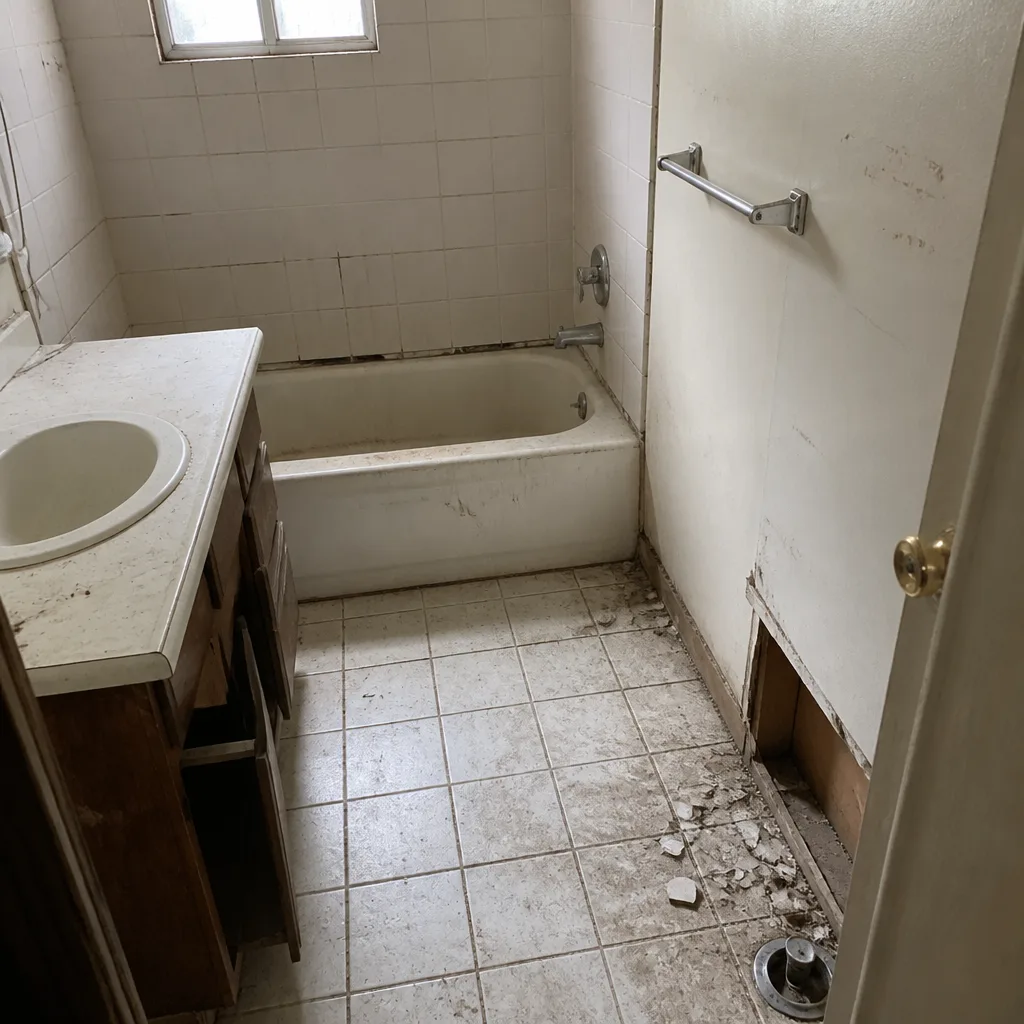 Before
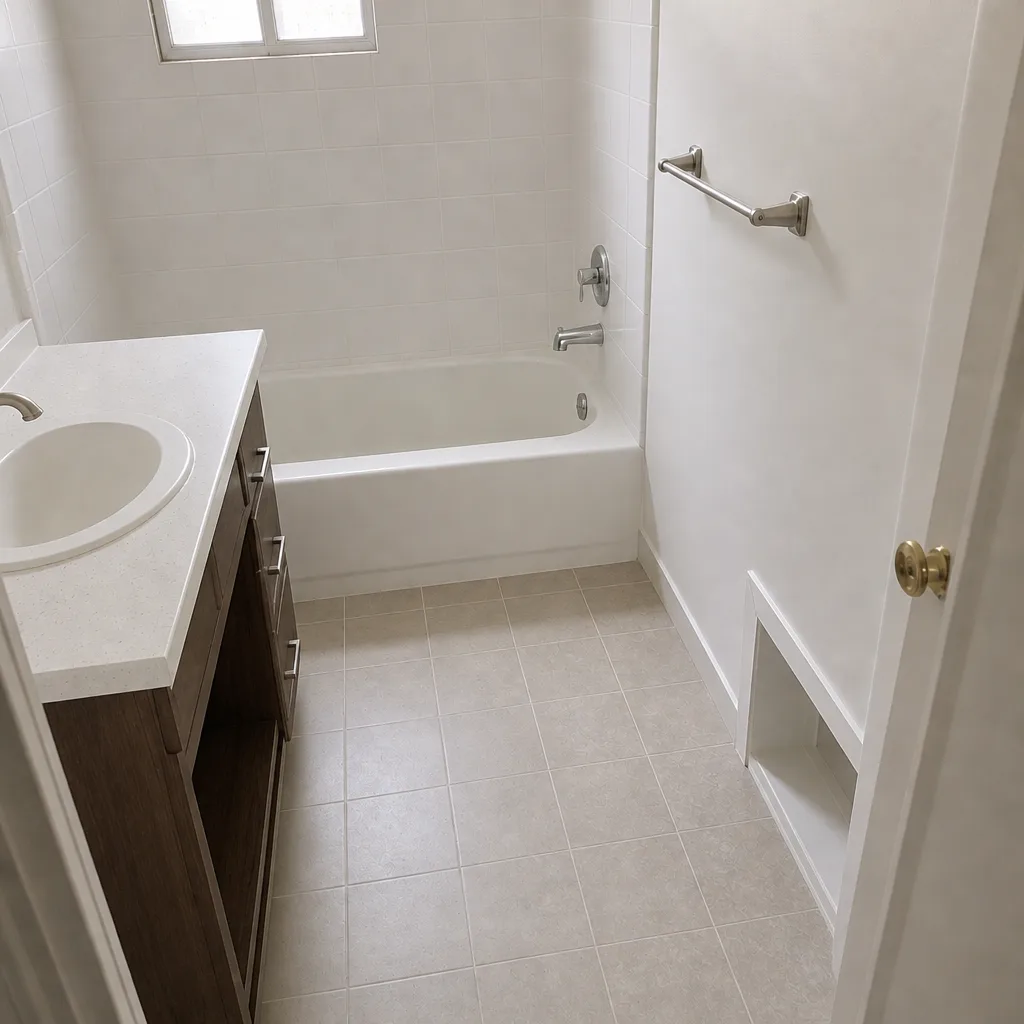 After
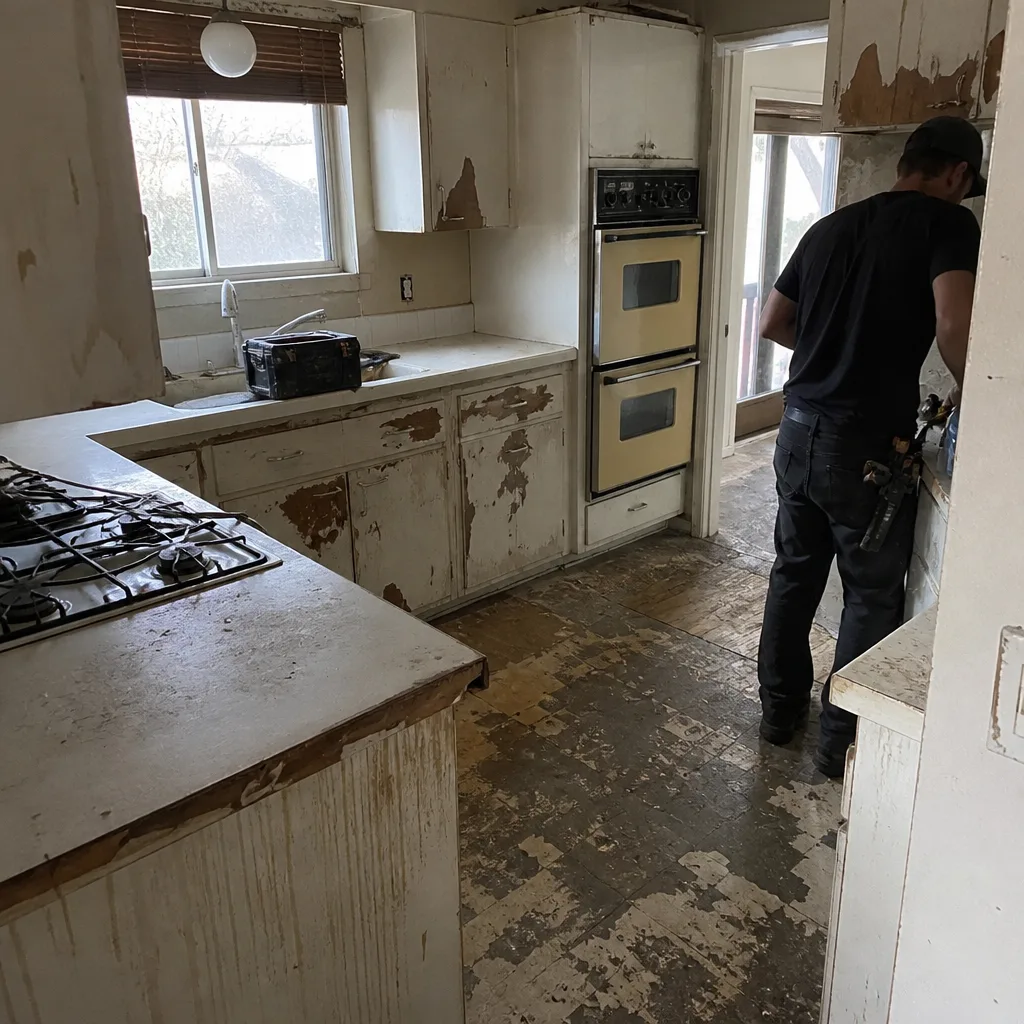 Before
 After
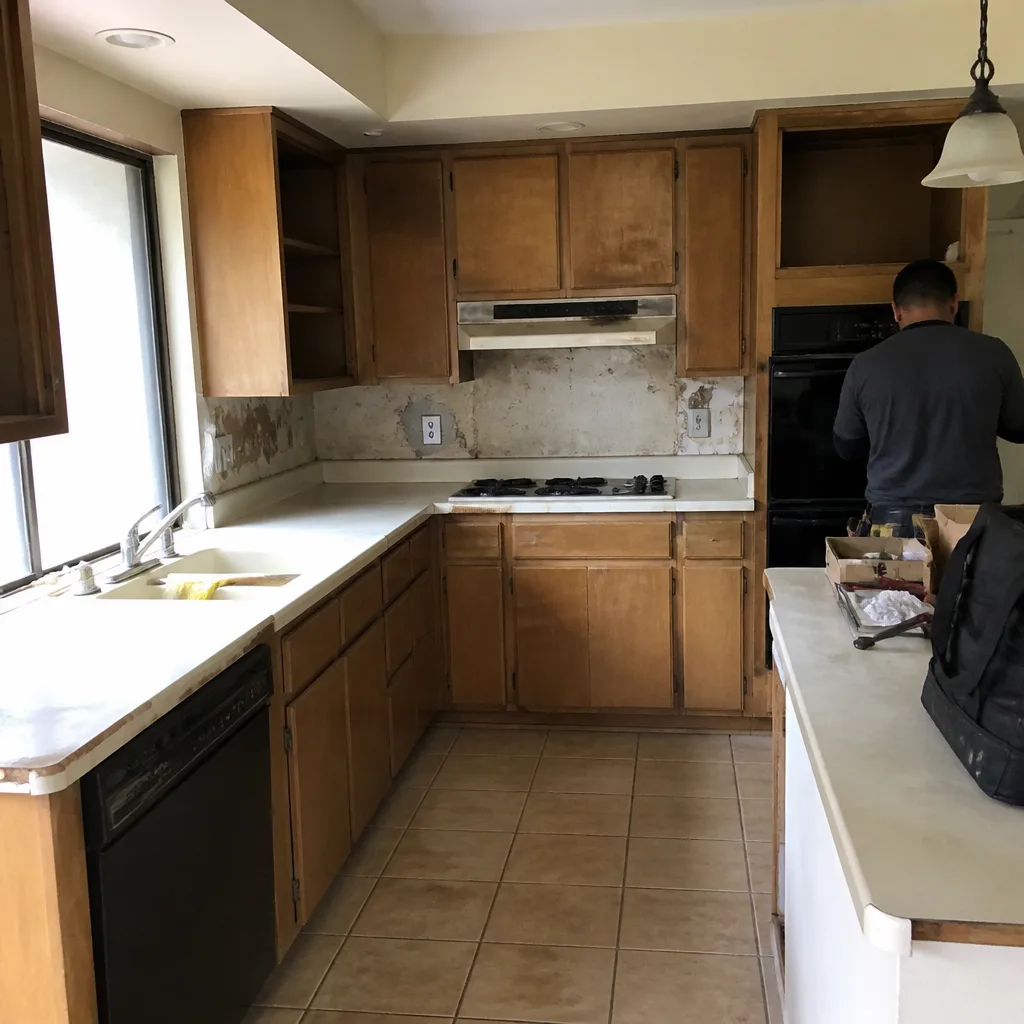 Before
 After
Yorba Linda Seasonal Adjustments
Yorba Linda sits in a climate band that swings hard between dry summer heat and mild-but-condensing winters. That swing matters for a bathroom. Summer does more damage to caulk and grout than winter here, and winter is when hidden shower pan leaks surface as ceiling stains one floor below.
Spring (March to May): Re-inspect caulk and grout at the shower base and toilet base. Winter’s moisture cycles stress the silicone, and this is when hairline cracks appear. Also clean the exhaust fan cover – spring dust in Yorba Linda’s dry air collects faster than you’d expect.
Summer (June to September): Watch for shrinking caulk lines. Interior humidity is low, and some caulk formulas shrink visibly. If you see a gap at the tub or shower edge, call for a professional re-caulk – it’ll fail fast when the first winter shower hits. This is also when the exhaust fan must be pulling maximum air, since a bathroom can hit 85°F before the shower even starts.
Fall (October to November): The pre-winter walkthrough. Check the exterior vent flap on the fan, verify the caulk bead is intact, and look at the ceiling below the bathroom before the rainy season. This is the most important month in the calendar for Yorba Linda bathroom maintenance.
Winter (December to February): Condensation season. Run the fan 20 minutes after every shower (not 5). Check for fog on the mirror more than 10 minutes after the shower ends – it means the fan is losing efficiency. If you see persistent winter condensation, it’s a sign the fan needs service before spring.
The Yorba Linda housing stock varies by area too. Older Yorba Linda homes near the historic downtown often have vintage plumbing and smaller bathrooms where fan capacity is limited by the existing ducting. Newer construction in the eastern hills is a different game, with larger bathrooms and higher-CFM fans that respond well to scheduled cleaning. If you’re planning a fence, driveway, or other exterior work at the same time as your interior schedule, our team covers those too through Fence Installation in Yorba Linda and Driveway & Pavers in Yorba Linda.
The Annual Deep-Inspection Checklist
Once a year – ideally in October, before the rainy season – spend 90 minutes on a full inspection. This is the top-to-bottom pass that catches what the monthly walkthrough misses. A failure caught here costs hundreds. A failure caught six months later costs thousands.
Walk through this list in order:
- Ceiling (bathroom and room below): Look for water stains, bubbling paint, or soft spots. Photograph anything you find.
- Exhaust fan: Remove the grille, vacuum the blower wheel, verify the exterior flap opens cleanly.
- Shower and tub: Inspect every grout line and caulk seam. Test grout with a fingernail tap – if it crumbles, it’s re-grout time.
- Toilet: Rock test. Check the water shutoff valve behind the tank for corrosion. Look at the base for staining.
- Vanity and countertop: Run a finger along every seam. Check under the sink for dampness. Inspect the drain trap for corrosion.
- Floor: Tap every tile. Note any hollow sounds. Look at the transition strip at the doorway for lifting or looseness.
- Walls behind the toilet and next to the shower: Look for paint bubbling. A wall that “sweats” in winter is losing to moisture.
- Windows and vent covers: Check weatherstripping and screens. Yorba Linda’s dry air dries out seals quickly.
- Water supply lines and angle stops: Look for green or white crusting (mineral deposits) – the first sign of a slow leak.
- Documentation review: Update your photo folder. Note the date and any issues found.
If this checklist feels like a lot, remember that a bathroom remodel is one of the highest-ROI home improvements you can make – protecting that investment with two hours a year is the cheapest insurance in the house. If you’re considering an upgrade rather than just maintenance, our guide to Home Additions & ADU work covers how bathrooms integrate into larger scope, and every project we complete carries the 730-Day Done Right Promise to back it in writing.
Common Mistakes to Avoid
- Treating caulk as “install and forget.” Standard silicone in a daily-use shower has a realistic working life of 12 to 24 months. Homeowners who re-caulk only when they see black mold are already six months late – mold on the surface is a symptom, not the start.
- Skipping the exhaust fan because “it still runs.” A fan spinning at 60% of its rated CFM still sounds normal. In Yorba Linda bathrooms, this is the single biggest cause of ceiling damage we see within two years of a remodel. Clean it every six months, every time.
- Using vinegar, bleach, or lemon on natural stone. Marble, travertine, and limestone etch from acid. One bottle of the wrong spray can turn a polished vanity top into a matte one. If your bathroom has stone tops, keep it to pH-neutral soap and water.
- Not documenting issues during the 730-day window. The warranty only works if you have a record. A photo of a perfect grout line in month 3 makes a crack in month 14 a clean warranty claim instead of a dispute.
- Ignoring the ceiling below. Water from a failing shower pan travels down and shows up a floor below – often in a bedroom or closet, not the bathroom. Check the ceiling below once a season, no exceptions.
- Self-fixing a hidden leak with caulk. Caulking over a compromised shower pan, a loose drain, or a failing wax ring hides the problem for a few months and makes it worse. If water is getting behind tile, call before you smear silicone on it.
- Choosing the wrong caulk at the hardware store. Painter’s caulk in a shower fails in 6 to 12 months. Only 100% silicone for wet areas, and proper bathroom-rated sealant for painted trim.
When to Call a Professional
Most maintenance you can handle on your own – caulk replacement, fan cleaning, surface grout touch-ups. The line gets crossed when a symptom is likely to be hiding a structural or water-management issue. Call a pro if you see: persistent dark stains or bubbling paint on the ceiling beneath the bathroom; a soft or hollow-sounding tile floor or wall; water that shows up under the vanity long after the sink was last used; a toilet that rocks at the base; grout that crumbles or washes out within days of being repaired; or a shower pan that stays wet longer than 2 hours after use. Each of those is a diagnostic problem, not a cosmetic one, and fixing the wrong layer wastes money. Groundwork Construction Co. of Yorba Linda offers free estimates in Yorba Linda – call (888) 255-9354 and a live person answers around the clock.
Frequently Asked Questions
Every 12 to 24 months for a daily-use shower, and every 18 to 24 months if you have large-format tile on a cement backer board. Inspect the bead every 6 months – press with a thumbnail. If it’s soft, cracked, or showing black discoloration underneath, re-caulk immediately. Yorba Linda’s dry summers shrink silicone faster than coastal climates, so a spring and fall check is worth the 5 minutes. Call (888) 255-9354 if you’re not sure whether your caulk failure is cosmetic or a symptom of a deeper leak.
Hold a tissue flat against the grille while the fan is on high. If the fan is moving the proper airflow, the tissue sticks and holds. If it falls or flutters, airflow has dropped. A properly working fan clears mirror condensation within 10 to 15 minutes of the shower ending. Clean the blower wheel every 6 months – it’s the single most neglected maintenance item in a bathroom. Call (888) 255-9354 for a professional inspection if airflow stays low after cleaning.
You can spot-fix small cracks with a color-matched grout pen or a touch-up tube. Full re-grouting is a job for a pro in a shower because the grout line is often the visible failure over a hidden problem – a failing waterproofing membrane, a settled substrate, or ongoing water intrusion. Re-grouting without fixing the cause produces the same failure within 6 to 12 months. Call (888) 255-9354 for a free estimate if the same grout line keeps failing.
Quartz needs no sealing. Clean weekly with a pH-neutral soap and water solution, and avoid bleach, ammonia, vinegar, and abrasive scrubbing pads. Wipe up hair dye, cosmetics, and nail polish remover immediately – quartz resists most stains, but some chemical spills can dull the finish. Never place a hot curling iron directly on the surface. Call (888) 255-9354 if you’re considering a quartz upgrade in a bathroom remodel and want to see material samples in person.
Look at the ceiling below the bathroom for faint water stains, check that the exhaust fan’s exterior flap opens freely, press every caulk bead at the shower base, and verify the toilet isn’t rocking at the base. These four checks in October catch the water-intrusion problems that get expensive in December. Documentation matters – photograph everything you find. Call (888) 255-9354 to schedule a pre-season free estimate if you find a concern and want a professional opinion.
Yes, faster than soft water does. Hard water leaves calcium and mineral deposits that stain grout lines and etch natural stone. Wipe water from stone surfaces within 10 to 15 minutes of contact, and consider sealing stone every 12 months (every 6 months on a marble vanity). Porcelain and glazed ceramic are far more resistant. If your grout lines are turning white with mineral deposits, call (888) 255-9354 for a professional cleanup and resealing estimate.
The Bottom Line
A bathroom remodel only stays beautiful when maintenance becomes a habit. The 15-minute monthly walkthrough, the 6-to-12-month caulk-and-grout inspection based on your actual shower use, the twice-yearly exhaust fan cleaning, and the annual pre-winter deep inspection are the four rhythms that carry a bathroom through the first two years – and long past the 730-Day Done Right Promise window. The homeowners in Yorba Linda who get the most from their bathrooms aren’t the ones who picked the best tile. They’re the ones who documented, checked, and reported small issues before they grew. If you want a partner who backs the work in writing, Groundwork Construction Co. of Yorba Linda answers the phone around the clock and offers free estimates. Call (888) 255-9354 to schedule yours.
Written by the team at Groundwork Construction Co. of Yorba Linda.