Last updated November 17, 2026






Free written scope consultation - allowances, timeline, and change-order rules on paper before a single trade is scheduled
Seasonal Construction Care for Yorba Linda: Year-Round Homeowner’s Guide
Yorba Linda gets less than 15 inches of rain in a typical year, which is exactly why so many homeowners here skip drainage work altogether. Then a January storm drops an inch and a half in a few hours, a clogged downspout sends that water against the foundation for three days straight, and a slow problem turns into a five-figure repair. This guide lays out the seasonal rhythm we’ve learned matters in Yorba Linda: wind prep in fall, drainage audits in winter, water-intrusion checks in spring, and heat management in summer. You’ll get specific tasks, timing, and a maintenance log you can hand to an insurer or a warranty department.
Quick Answer
Seasonal construction care in Yorba Linda means four things on a calendar: inspect fencing, gates, and pergola fasteners before Santa Ana wind season (September – October), audit grading and drainage before the winter rains (November), check for water intrusion after the last storm (March – April), and manage heat effects on concrete, caulk, and exterior wood through summer (June – September). A simple annual log of what you checked and when protects you when you file a warranty or insurance claim.
Styles & brands we work with
- Kitchen remodeling
- Bathroom remodeling
- Home additions & ADU
- Roofing
- Windows & doors
- Driveway & pavers
- Fence
Table of Contents
- Why Yorba Linda’s Climate Breaks the National Maintenance Calendar
- Fall: Santa Ana Wind Prep for Fences, Gates, and Pergolas
- Winter: A Drainage Audit Built for Slope-and-Pad Lots
- Spring: Catching Water Intrusion Before It Dries and Hides
- Summer: Heat Effects on Concrete, Caulk, and Exterior Wood
- Building an Annual Maintenance Log That Holds Up
- Common Mistakes to Avoid
- When to Call a Professional
Why Yorba Linda’s Climate Breaks the National Maintenance Calendar
Most seasonal maintenance guides are written for a Midwest or Northeast climate: freeze-thaw cycles, snow load, ice dams. Yorba Linda doesn’t have any of that. What it has is a pattern that’s harder to plan around because it’s quieter. Rain arrives in short, intense bursts instead of spread-out wet months. Santa Ana winds come through hot and dry, sometimes gusting hard enough to test every fastener on a fence line. And summer heat routinely climbs past 100°F in the inland parts of the city, which stresses concrete flatwork, caulk joints, and wood in ways coastal Orange County neighborhoods never see.
That combination creates a maintenance calendar that looks nothing like the national version. The rainy season is short, so drainage problems don’t announce themselves – they sit dormant for ten months and then show up all at once. The wind season is dry, so wind damage doesn’t come with the visible rot and mold that wet climates produce; it comes as a leaning fence post or a gate that suddenly won’t latch. And the heat season runs long enough that a hairline crack in a driveway poured in July can widen noticeably by the following summer if it isn’t sealed.
We’ve watched this play out across Yorba Linda’s different neighborhoods. The older slope-and-pad lots closer to the hills behave very differently from the flatter tracts built later, and the landscaping that looks fine in April can be routing water straight at a stem wall by January. National guides won’t tell you any of that. This one will.
Fall: Santa Ana Wind Prep for Fences, Gates, and Pergolas
Santa Ana wind season typically runs from late September into February, with the strongest events often arriving in October and December. These winds are dry, hot, and fast, and they hit the north and east-facing sides of a property hardest. For exterior construction elements – fencing, gates, pergolas, patio covers – the goal before wind season is simple: confirm every fastener is tight and every structural connection is sound, because once the wind is up, you can’t safely get on a ladder to fix it.
Here’s the fall checklist we run on exterior wood and metal elements in Yorba Linda:
- Walk the fence line post by post. Push each post firmly from two directions. Any post that moves more than a fraction of an inch is a candidate for resetting or reinforcement before the wind finds it.
- Check every fastener at rail-to-post connections. Look for backing-out screws, rusted nails, and gaps where the rail has pulled away from the post. Tighten or replace them.
- Test gate hardware and hinges. A gate that sags slightly in October will drag or blow open by December. Adjust hinges, check the latch strike, and confirm the gate swings freely without binding.
- Inspect pergola and patio-cover connections. Look at the beam-to-post connections, rafter ties, and any anchor points into the house. These carry the most load in high wind and are the first place to check for loose hardware.
- Look at fence panels for loose pickets or boards. A single loose board can become a sail in a 40-mph gust and take the panel with it.
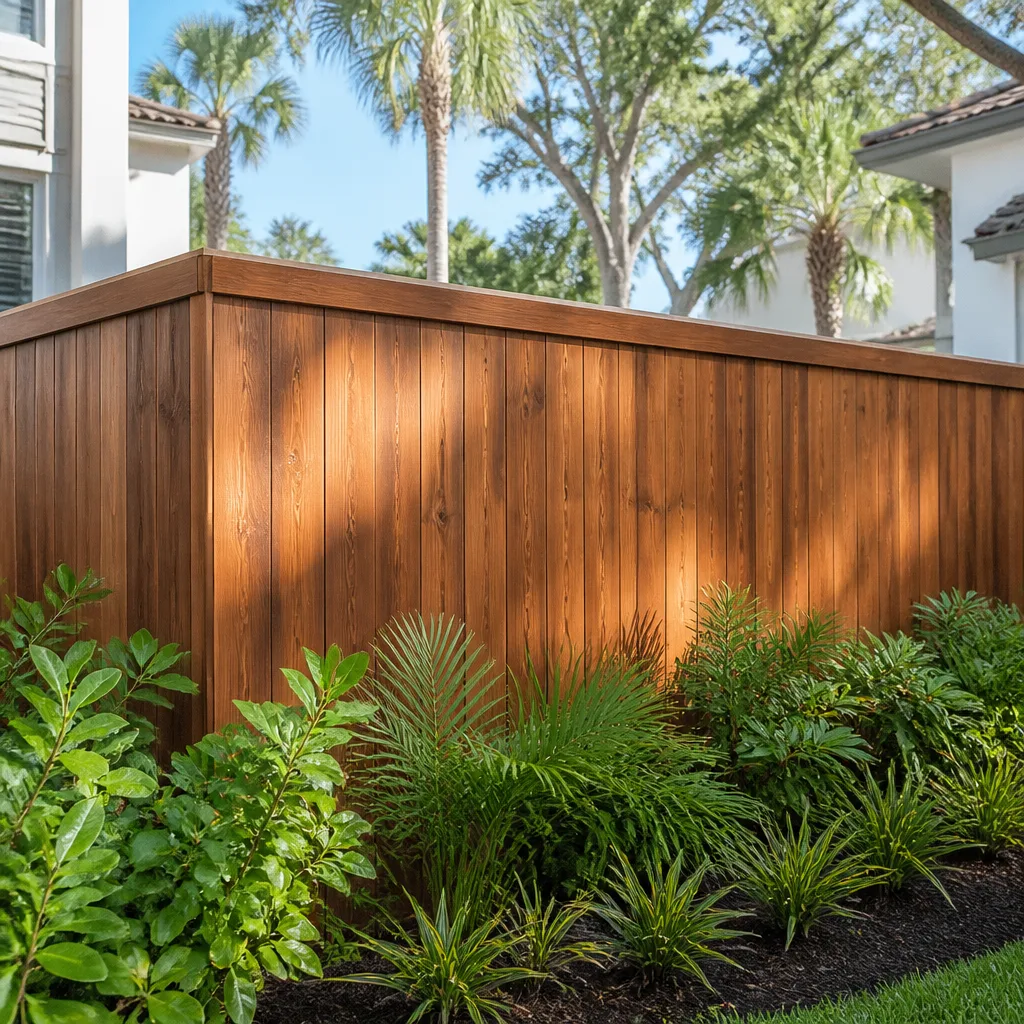
Material matters here. A vinyl or composite fence from a manufacturer like Barrette or a metal fence from a maker like Ameristar handles wind differently than wood – metal panels flex, vinyl can crack in cold snaps, and wood dries and shrinks, which loosens fasteners over time. If you’re considering a fence replacement ahead of wind season rather than patching, our team handles fence installation in Yorba Linda and can walk the line with you to spot the posts that are already compromised.
One more note specific to Yorba Linda: the canyons and hillside edges of the city see stronger gusts than the flatter interior tracts. If your property backs up to open space or sits on a ridge, budget extra attention for wind-facing fence runs and roof-edge elements.
Winter: A Drainage Audit Built for Slope-and-Pad Lots
Yorba Linda’s older neighborhoods are full of slope-and-pad lots: a flat building pad cut into a hillside, with a slope above, below, or both. That configuration is wonderful for views and terrible for drainage if the grading, downspouts, and swales aren’t doing their job. A winter drainage audit is about confirming that water has somewhere to go other than your foundation, and it’s best done in November, before the first real storm.
Here’s the audit, in order:
- Trace every downspout to its discharge point. Confirm each one empties at least several feet from the foundation and onto ground that slopes away. A downspout that dumps at the base of the wall is the single most common cause of foundation water we see in Yorba Linda.
- Check the grading along the uphill side. On a slope-and-pad lot, the swale or berm at the top of the pad needs to be intact and directing water around the structure, not through it.
- Clear gutters and downspout screens. Yorba Linda’s dry months leave a lot of leaf litter and dust that turns into a clog the first time it rains.
- Look at the drainage path across hardscape. Water should flow across a patio or driveway and off the edge, not pool against a stem wall or seep under a threshold. A slight re-pitch or a channel drain can fix a chronic low spot.
- Check retaining walls and their weep holes. On sloped lots, a retaining wall that can’t drain is holding a reservoir of water against the soil it’s meant to hold back.
If any of this points to a grading problem or a drainage feature that needs rebuilding, that’s the kind of work our team scopes on a free estimate. It also ties into hardscape, since a driveway or paver installation that’s pitched correctly does a lot of drainage work for a slope-and-pad lot. Our Driveway & Pavers in Yorba Linda page covers how we handle pitch and base prep on sloped sites.
The counterintuitive part: because Yorba Linda is dry most of the year, a drainage defect can sit hidden for years and only reveal itself in a wet January. Don’t wait for the storm to tell you there’s a problem.
Spring: Catching Water Intrusion Before It Dries and Hides
After the last meaningful rain, usually sometime in March or April, there’s a narrow window to spot water intrusion evidence before it dries out and becomes invisible. Once the wood dries and the stains fade, you can walk right past a problem that will be much bigger by next winter. Spring inspection is about catching the evidence while it’s still fresh.
Priorities, in order:
- Interior ceilings and walls under the roof edges and valleys. Look for water stains, tide marks, bubbling paint, or a faint musty smell. These often show up first at the ceiling line near an exterior wall.
- Attic sheathing and framing. A flashlight and a careful look at the underside of the roof deck reveals water stains, dark streaks, or rusted nail heads long before you’d see anything inside.
- Baseboards and flooring along exterior walls. Swelling, cupping, or a soft spot in wood flooring near an exterior wall points to water coming in at grade.
- Window and door perimeters. Check the caulk joints and flashing around windows and doors for gaps, cracking, or peeling. A failed bead of sealant is easy to miss and lets water in behind the trim.
- Garage ceilings and stem walls. The garage often shows the first signs of roof or drainage intrusion because it’s less finished and easier to read.
If you find evidence of a roof problem, don’t wait for the next storm to confirm it. Roofing in Yorba Linda takes a beating from both the wind season and the sun exposure, and a small flashing or shingle issue found in March is a much cheaper fix than the same issue found in December. We handle roof assessments as part of a broader seasonal review, and we only work with top-tier material partners like GAF and CertainTeed so that repairs and replacements are built to the manufacturer’s spec, backed by our 730-Day Done Right Promise.
One point about windows and doors: the perimeter seals do most of the work of keeping water out, and when they fail, the water shows up far from the window. A small leak at a window frame can track down inside a wall and show up as a stain six feet away. If you can’t trace a stain to an obvious source, that’s the moment to get an experienced set of eyes on it.
Summer: Heat Effects on Concrete, Caulk, and Exterior Wood
Yorba Linda summers regularly push past 100°F, and that heat does measurable things to exterior construction elements. Concrete flatwork expands and contracts, hairline cracks open, caulk joints dry out and pull away, and exterior wood checks and cracks. The trick is knowing which of these to act on and which to leave alone.
What to act on versus monitor:
- Hairline cracks in concrete flatwork (monitor, then seal). Concrete is supposed to crack a little, and a hairline crack that isn’t widening or displacing isn’t a structural emergency. Seal it before the next wet season so water doesn’t get under the slab and freeze the movement in place. A crack wider than a credit card, or one side higher than the other, needs a professional look.
- Caulk joints at windows, doors, and trim (act). When caulk pulls away or cracks in the heat, it needs to be removed and replaced, not topped off. A fresh bead applied in cooler weather will outlast a summer touch-up by years.
- Exterior wood checking and cracking (monitor). Wood checks are cosmetic surface cracks. If water can get behind the wood, or a check opens more than a fraction of an inch, it needs to be addressed.
- Concrete poured in summer (act early). New concrete that cures in high heat can develop more shrinkage cracks. If you’re planning new flatwork, schedule the pour for cooler weather or make sure the contractor is managing curing properly.
Summer is also the right window to plan large projects for the cooler months, because permits and design work take time. If you’re thinking about an addition or a fence replacement, our Groundwork Construction Co. of Yorba Linda home page is the place to start, and our team can scope options in a free estimate.
And a word on heat and exteriors: if you’re considering an ADU or addition, the exterior envelope – roof, windows, doors, siding – needs to be detailed for both the summer heat and the winter rain, not one or the other. We handle that as part of Home Additions & ADU in Yorba Linda.
Building an Annual Maintenance Log That Holds Up
A maintenance log is the difference between “I think we had a leak” and “we documented the leak in this exact location on this exact date, and here’s the repair invoice.” When you file a warranty claim or an insurance claim, that documentation matters. It’s also the best defense against the most common insurance settlement problem we see: a carrier arguing that a loss was a pre-existing maintenance issue rather than a covered event.
Here’s the log template we recommend for a Yorba Linda home:
- Date and location. Note the date you inspected a given component and where on the property you were looking.
- What you saw. A short factual description – “small water stain, ceiling, under front window” or “post 6, north fence line, loose.”
- Photos. Take a dated photo of any issue, and a second photo after repair. Keep both.
- Action taken. Note whether you repaired, monitored, or scheduled a professional.
- Contractor and invoice (if any). Keep copies of any professional invoices with the log entry. This is what turns a claim from disputed to paid.
You don’t need a fancy system. A simple binder with dated pages, plus photos filed by date, works. The key is consistency: an annual log that shows you inspected the roof, grading, drainage, and exterior trim every year is a durable record of ordinary care, which is exactly what a warranty or insurance adjuster wants to see.
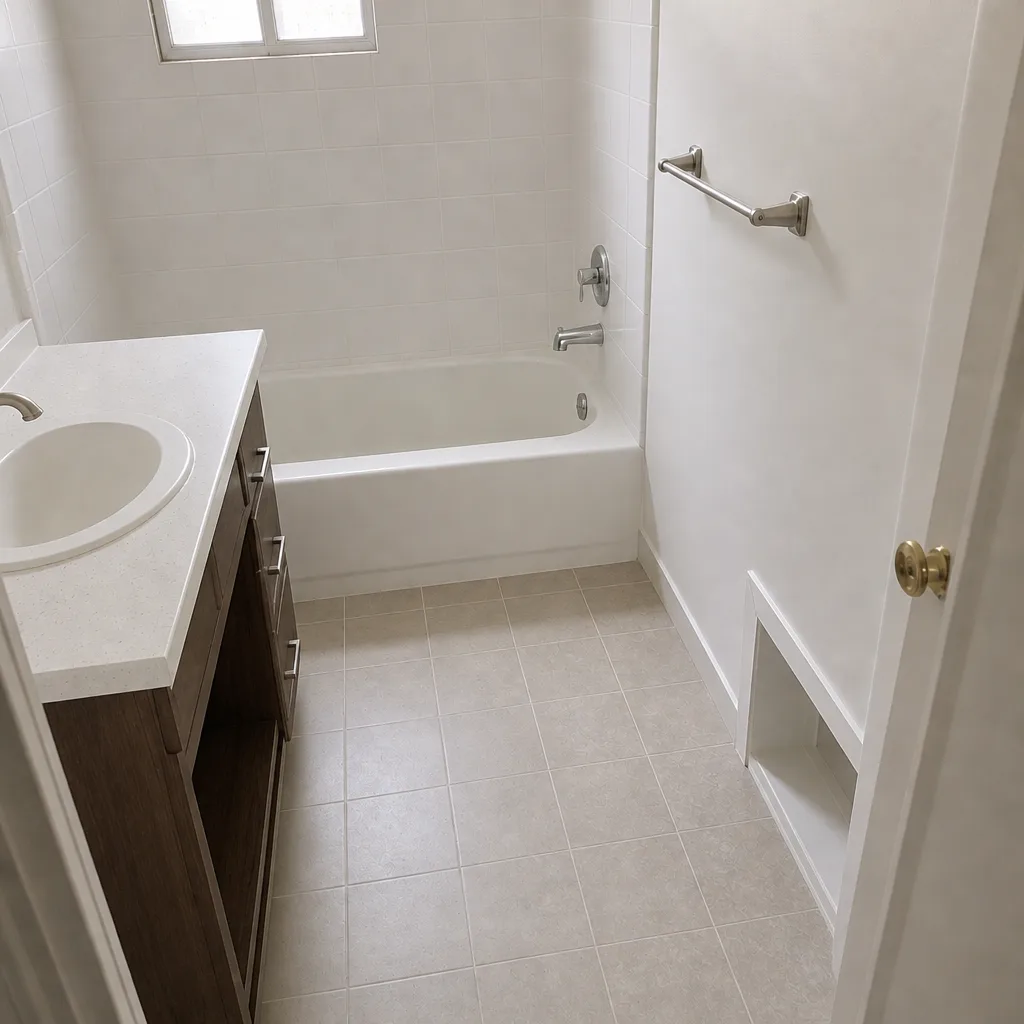
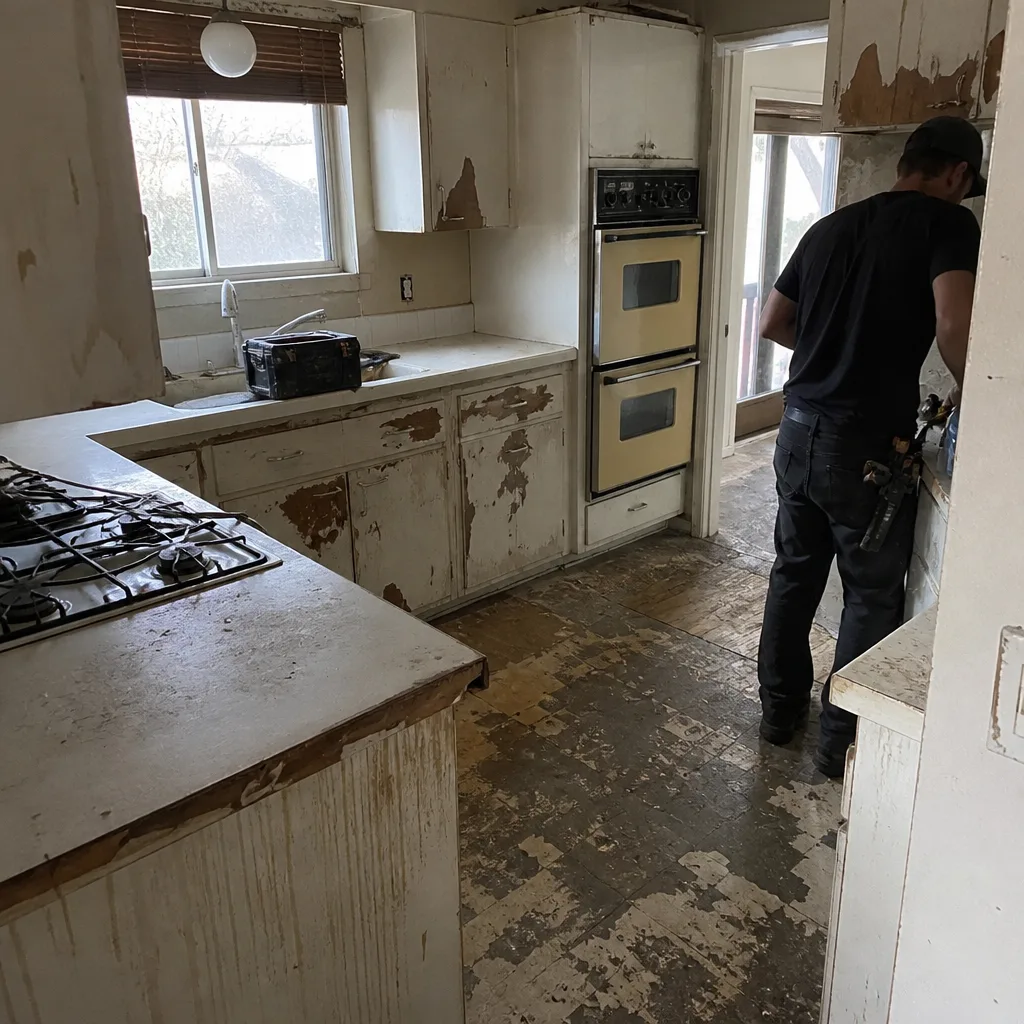
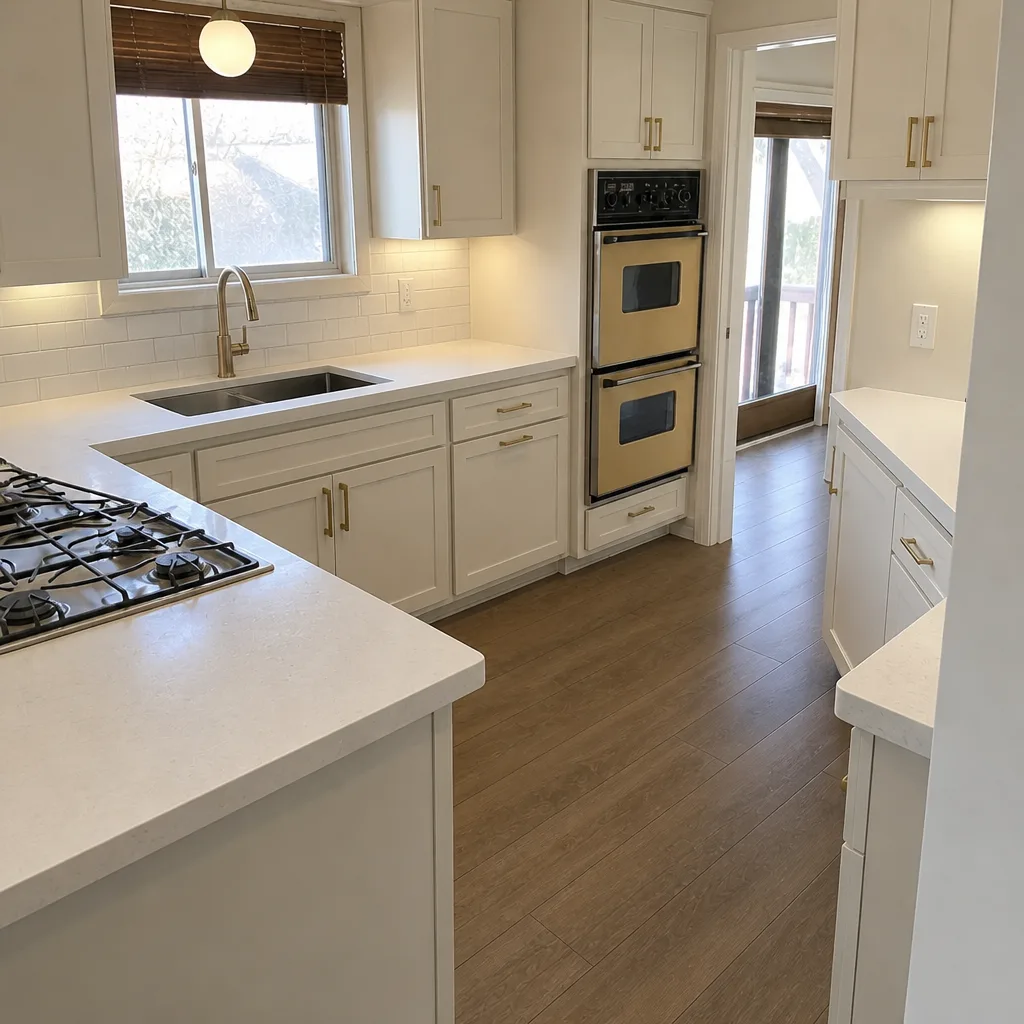
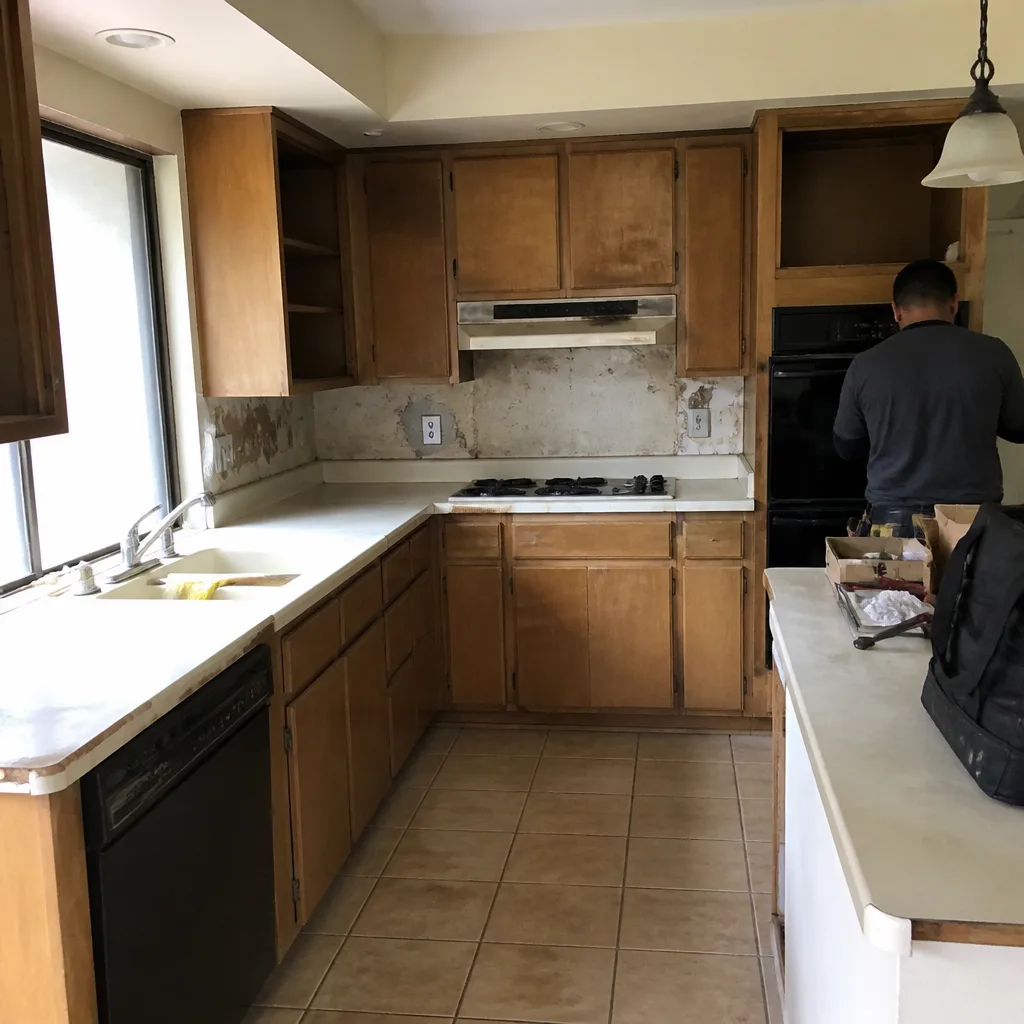
See the difference
 Before
 After
 Before
 After
 Before
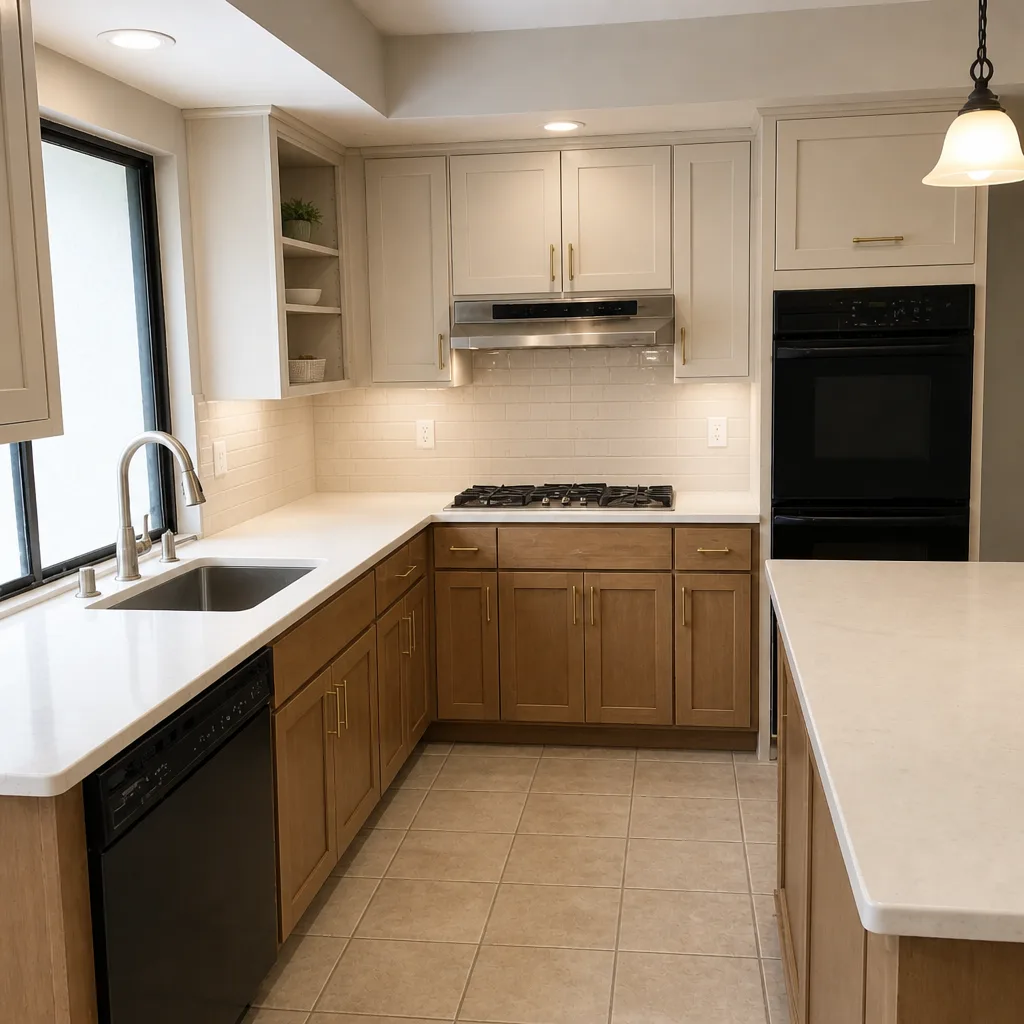 After
Common Mistakes to Avoid

- Skipping drainage because it rarely rains. Yorba Linda’s dry climate is exactly why drainage failures stay hidden for years. A downspout that dumps against the foundation in a dry year does the same thing in a wet year, only it’s had more time to undermine the soil.
- Ignoring a fence post that “just leans a little.” A leaning post doesn’t fix itself, and by the time a Santa Ana wind event hits, it’s a panel failure. Fix leaning posts in fall, not during the wind event.
- Topping off caulk instead of replacing it. A fresh bead over a failed joint hides the problem for one season and fails again quickly. Remove and replace, in cooler weather.
- Treating a small interior water stain as cosmetic. A stain that appears in spring is a trail to a source that’s still active. Find the source before you paint over it.
- Assuming new concrete that cracks in summer was poured wrong. Some shrinkage cracking is normal in high heat. The judgment call is whether the crack is widening, displacing, or letting water under the slab. Get it looked at before you panic.
- Never documenting inspections. A missing maintenance log is the easiest way to lose a warranty or insurance argument you should have won.
- Doing the roof and drainage work yourself if it involves height or a ladder. Roof and gutter work on a slope-and-pad lot is genuinely dangerous. The height, the pitch, and the wind exposure all stack up.
When to Call a Professional
Some seasonal care is genuine homeowner territory: walking the fence line, pushing on posts, tracing downspouts, and photographing water stains. But certain things shouldn’t be a DIY project. Any roof or ladder work on a slope-and-pad lot carries real fall risk. A concrete crack that’s displacing, a foundation drain issue, a grading problem that needs re-shaping, an interior water stain you can’t trace to a source, a caulk or flashing failure behind exterior trim, or any structural element of a fence, pergola, or patio cover that’s loose or moving – those need a trained professional to look at it before the next season makes it worse. Our technicians have up to 12 years of experience on exactly these kinds of local issues.
If your seasonal review turns up work that’s beyond the checklist, Groundwork Construction Co. of Yorba Linda offers free estimates in Yorba Linda – call (888) 255-9354. Calls are answered by a live person 24/7, and every project is backed by our 730-Day Done Right Promise. Upfront pricing, no surprises.
Frequently Asked Questions
Drainage and wind prep matter most, because those are the two failure modes Yorba Linda’s climate actually produces. Santa Ana winds test fence posts and exterior fasteners, and short intense rains test grading, downspouts, and foundation drainage. Roof and window perimeter seals are a close third. Get those three right and you’ve handled 80% of what a year in Yorba Linda throws at a house.
Water intrusion evidence dries and becomes harder to see as the rainy season ends, so spring is the last chance to catch it while it’s visible. Stains that appear in spring usually trace to a roof, flashing, window perimeter, or drainage issue that was active during the winter rains. Find the source before the evidence fades, or plan to look again at the first winter storm. Call (888) 255-9354 for a free estimate if you want an experienced eye on it.
Yes, and it’s best done in September or early October before the strongest wind events arrive. Push every post, check every rail-to-post fastener, and test the gate hardware. A loose post or a sagging gate is a wind-damage claim waiting to happen, and fixing it in fall is far cheaper than replacing a panel in December. If the fence line is due for replacement rather than repair, our fence installation crew in Yorba Linda can scope it in a free estimate.
Plan on a replacement every several years, and inspect annually. Yorba Linda’s heat and sun exposure break down caulk joints faster than cooler climates do, and topping off a failed joint doesn’t work. If the bead is cracked or pulling away, remove and replace it in cooler weather so it lasts. Call (888) 255-9354 for an exact quote on window and door perimeter work.
Not usually, as long as it’s stable and not letting water under the slab. Concrete is expected to crack a little, and summer heat in Yorba Linda makes shrinkage cracks more likely. Seal minor cracks before the wet season, and get a professional look at any crack that’s widening, displacing (one side higher than the other), or letting water seep underneath. We handle concrete and paver work as part of our driveway and pavers service.
No. We use upfront pricing, so the number you see is the number you pay. You get a written line-item quote before any work begins, and we don’t do change-order surprises after the fact. If a scope change is needed, you’ll hear about it from us before it happens. Call (888) 255-9354 to schedule a free estimate.
The Bottom Line

Yorba Linda’s mild-looking climate hides a maintenance calendar that’s nothing like the national guides: intense wind in fall, short hard rains in winter, a narrow spring window to catch water intrusion, and a long hot summer that tests concrete, caulk, and exterior wood. Handle the four seasons in order, keep a simple annual log with dated photos and invoices, and you’ll catch the small problems before they become expensive ones. When a seasonal review turns up work that’s beyond the checklist, get a trained eye on it. Call (888) 255-9354 to schedule a free estimate with Groundwork Construction Co. of Yorba Linda. Calls are answered by a live person 24/7. Our 730-Day Done Right Promise backs every project: if it’s not done right, we make it right. Upfront pricing, no surprises. From foundation to finish line.
Written by the team at Groundwork Construction Co. of Yorba Linda.