Last updated November 17, 2026
Free written scope consultation - allowances, timeline, and change-order rules on paper before a single trade is scheduled
How to Hire a Construction Contractor in Yorba Linda: A Step-by-Step Guide
Three contractors, three bids, and one comes in 40% lower. Most homeowners grab the low number, sign, and spend the next year explaining to a mediator why the work was never finished. The problem was never the price. It’s that the bids were compared as numbers instead of the contractors being compared for competence on this specific job. Hiring in Yorba Linda raises the stakes: the city has its own permit counter, its own soil and hillside conditions, and HOAs that read plans line by line. In this guide we’ll show you how to verify a license in ten minutes, what a real California contract must contain, which questions expose an out-of-area crew, and how to structure payments so your money stays protected at every phase.
Quick Answer
To hire a construction contractor in Yorba Linda, verify the contractor’s CSLB license, liability insurance, and workers’ comp coverage before you meet, get three written line-item bids, confirm they’ve pulled permits through the City of Yorba Linda before, and tie payments to completed inspection phases rather than a large deposit. The cheapest bid is rarely the lowest total cost once change orders, rework, and stalled projects are counted.
Styles & brands we work with
- Kitchen remodeling
- Bathroom remodeling
- Home additions & ADU
- Roofing
- Windows & doors
- Driveway & pavers
- Fence
Table of Contents
- The Five Yorba Linda Questions That Separate Local Experts from Outsiders
- How to Verify a Contractor in Under 10 Minutes
- What a Legitimate California Contract Must Include
- How to Structure a Payment Schedule That Protects You
- Red Flags Hidden in the Bid Document
- Why Yorba Linda Permits and HOA Rules Change the Bid
- Judging Materials Without Getting Lost in Spec Sheets
- What a Real Workmanship Warranty Looks Like
The Five Yorba Linda Questions That Separate Local Experts from Outsiders
A contractor can show you beautiful photos from jobs in Anaheim and Irvine and still be lost the moment they hit Yorba Linda’s permit desk. The questions below aren’t trivia. Each one tests whether the contractor has actually done work here, where hillside grading, older tract construction, and HOA design review shape every job. Ask them in the first conversation. A real local answers without hesitating. An outsider reaches for a vague “we handle all of that.”
- “Have you pulled permits through the City of Yorba Linda before, and which projects?” You want a specific answer (a kitchen, a patio cover, an ADU) tied to a real address or neighborhood. Permit review here can involve plan checks that catch amateur drawings, and a contractor who has never navigated that counter will burn weeks learning it on your dime.
- “How do you handle grading and drainage on a sloped lot?” Large parts of Yorba Linda sit on hillsides and graded pads. Water moves fast downhill and it goes somewhere. A contractor who doesn’t raise drainage unprompted hasn’t worked these lots.
- “What’s your experience with HOA design review here?” Many Yorba Linda communities require architectural approval before a roof color, fence style, or addition goes in. A contractor who ignores this step gets your project stopped after materials are ordered.
- “How do you schedule around our summer heat and the Santa Ana wind season?” Roofing, exterior painting, and concrete pours behave differently in 100-degree afternoons and dry wind. Local crews plan around it. Out-of-area crews show up in July and find out the hard way.
- “Who’s actually on-site, and are they your employees or day labor?” The answer tells you who is accountable when something goes wrong. Background-checked, uniformed crews on every job is the standard you should expect.
If two of the five answers come back fuzzy, you’ve learned more in ten minutes than a competing bid would have told you in a week. That’s the entire point of the exercise.
How to Verify a Contractor in Under 10 Minutes
You can confirm the three things that matter most before you ever sit down for a bid: license status, liability insurance, and workers’ compensation coverage. Do this first. A contractor who is unlicensed or uninsured is a risk no price discount compensates for, because if a worker is hurt on your property or a subcontractor walks off unpaid, the liability can land on you. Here’s the sequence.
- Check the CSLB license. Look up the contractor on the California Contractors State License Board website. Confirm the license is active, the classification matches the work (a general building contractor for additions, the right specialty class for specific trades), and the business name matches the bid. Note the license number and check it again on the contract.
- Confirm liability insurance. Ask for a certificate of insurance showing general liability coverage and naming the amount. Call the insurer listed on the certificate to confirm it’s current. A certificate can be expired or canceled even when it’s sitting in front of you.
- Confirm workers’ compensation. If the contractor has employees, they must carry workers’ comp in California. Ask for proof. If they claim an exemption because they have no employees, get that in writing.
- Verify the bond. Licensed California contractors carry a surety bond. Confirm it’s active through the CSLB lookup.
- Cross-check the business name and address. The name on the license, the name on the insurance, and the name on the contract should match. Mismatches are a warning sign.
Ten minutes of checking eliminates the majority of bad actors before they cost you anything. We tell every homeowner we work with to run this check on us too. A contractor who flinches at being verified has told you something.
What a Legitimate California Contract Must Include
California law is specific about what a home improvement contract must contain, and a handshake plus a one-page quote isn’t it. A proper contract protects both sides, but for the homeowner it’s the document you point to when a project drifts. Before you sign anything, confirm the contract includes the following. If a clause is missing, ask for it in writing before work begins.
- The contractor’s name, license number, business address, and phone number.
- A detailed description of the work, including materials and brand names where they were specified in the bid.
- The total price and a payment schedule tied to specific phases.
- The approximate start and completion dates.
- A three-day right to cancel, as required for home solicitation contracts.
- A notice about mechanics’ liens, which protects you if a subcontractor goes unpaid.
- The down payment terms (California caps the upfront deposit on home improvement contracts, so a demand for half the project cost is a red flag).
Three Clauses That Protect You If the Project Goes Sideways
A solid contract isn’t just about scope and price. These three clauses are the ones most homeowners never think to ask for until they need them.
- A written change-order process. Every change to scope, material, or schedule should require a signed change order with a stated cost and timeline impact. Without this, “while we’re in there” turns into a billing dispute.
- A dispute resolution clause naming mediation first. Mediation is faster and cheaper than court. It also signals the contractor expects to resolve issues professionally rather than disappear.
- A completion and punch-list clause. Define what “done” means, when the final walkthrough happens, and how punch-list items get resolved before final payment. This single clause prevents the most common end-of-project conflict.
If a contractor pushes back on any of this, ask why. The answer itself is useful information.
How to Structure a Payment Schedule That Protects You
The payment schedule is where trust either gets built into the contract or handed over on faith. A schedule tied to completed, inspected work keeps the contractor motivated to keep moving and keeps your money aligned with real progress. A schedule front-loaded with a large deposit does the opposite. Here’s the structure we recommend.
- A modest deposit at signing. California caps the upfront deposit on home improvement contracts. Anything above that ceiling is a red flag, full stop.
- Payment at material delivery. Once materials are on-site and verified against the spec, release the next phase payment.
- Payment at rough-in completion and inspection. When framing, electrical rough-in, and plumbing rough-in pass city inspection, release the next phase.
- Payment at substantial completion. When the major work is done and you and the contractor walk the job together, release the largest remaining payment.
- Final payment after the punch list clears. Hold the last portion until every punch-list item is resolved and the workmanship warranty is in writing.
Put this schedule in the contract before work starts. If the contractor asks for half the project cost at signing, that isn’t a payment schedule, it’s a financing plan. Ask what happens if the project stalls. Get the answer in writing.
Red Flags Hidden in the Bid Document
Most red flags homeowners hear about show up during construction. The more dangerous ones are already in the bid, sitting in plain sight. Read the bid closely. These are the ones we see most often.
- No line-item breakdown. A single lump sum can’t be compared, can’t be audited, and can’t be questioned when it grows. Ask for the itemized version.
- Vague material specs. “Tile included” tells you nothing. A real bid names the brand and model or gives a clear allowance and states who pays the difference if the homeowner picks something above it.
- Missing permit line. Permits cost money and time. A bid that ignores them will either add them later as a change order or skip them entirely, which creates a much bigger problem at resale.
- No start date or completion date. A bid without dates isn’t a bid, it’s an estimate of intent.
- Warranty language that’s thin or missing. “Standard warranty” is not a warranty. You want a stated duration and stated coverage, in writing, before you sign.
- Insurance and license numbers left off. A legitimate bid lists them. Their absence is a signal to walk.
- Allowances set artificially low. A $2,000 allowance for a kitchen island only works if the island will actually cost $2,000. Low allowances make a bid look competitive and then balloon when the real number arrives.
We’ve watched homeowners sign bids where the “40% savings” was a $15,000 allowance for a $40,000 kitchen. The number on the paper wasn’t the number in the project. Line-item transparency is the only way to compare bids honestly.
Why Yorba Linda Permits and HOA Rules Change the Bid
Two projects that look identical can carry very different permit paths in Yorba Linda. A like-for-like bathroom renovation inside the existing footprint may need a much lighter review than an addition, an ADU, or a structural change. Add in HOA design review and you have a layer of approval that lives entirely outside the city. A bid that ignores either one is a bid built on a number that won’t hold.
Ask the contractor to state, in writing, which permits the project requires, who pulls them, who pays the fees, and how long they expect review to take. For additions and ADUs this matters most: setback requirements, height limits, lot coverage, and parking rules all come into play, and the plans need to be drawn to satisfy the reviewer, not the contractor’s best guess. If you’re adding a unit or expanding the footprint, our team handles that permit path regularly through Home Additions & ADU in Yorba Linda.
HOA review runs on a separate timeline and a separate set of rules. Roofing colors, fence styles, driveway finishes, and window styles often require architectural approval. A contractor who knows this plans ahead and orders materials after approval, not before. One who doesn’t may deliver a beautiful new roof in a color the HOA never signed off on. If you’re doing exterior work, factor six to eight weeks of HOA review into the timeline and budget for it in the bid.
Permit fees get passed through to the homeowner. They belong as a line item in the bid, not an afterthought. If you can’t point to the number on paper, ask.
Judging Materials Without Getting Lost in Spec Sheets
Material quality separates a ten-year renovation from a thirty-year one. But most homeowners can’t tell a premium spec from a decent one by reading the number on a page. Instead, judge the contractor’s material process. Do they name brands? Do they explain the reasoning? Do they show you the actual product and its warranty? A contractor working with a curated portfolio of top-tier brands across every trade will name them naturally because they’re built into how the work gets done. A contractor buying whatever’s cheapest that week won’t.
For exterior work the brand question is especially important.
- Roofing. Premium shingles from a well-known manufacturer carry stronger warranties than the generics, and the installation details matter as much as the shingle. Ask which brand and which warranty tier.
- Windows and doors. The brand determines the warranty, the parts availability, and the resale appeal. Ask for the actual brand and model line.
- Hardscape. For driveways and patios, brands like Tremron, Techo-Bloc, Cambridge Pavers, and Oldcastle sit at the top of the local market. The pavers matter, but so does the base preparation underneath them, which is where most failures actually happen. See Driveway & Pavers in Yorba Linda for how we approach that work.
- Fencing. The material choice determines how it handles dry heat and wind. See Fence Installation in Yorba Linda for the styles that hold up here.
If a contractor can’t name the brands they use without checking, that’s your answer. Brand transparency is a habit, not a favor.
What a Real Workmanship Warranty Looks Like
Every contractor will say they stand behind their work. Very few put it in writing with a stated duration. The warranty is where the contractor’s real confidence in their own work gets tested, because anyone can promise for a year and most do. A workmanship warranty covering multiple years is rare in this market, which makes it one of the best signals available. At Groundwork Construction Co., every project we deliver is covered by the 730-Day Done Right Promise. If it’s not done right, we make it right. Two years is long enough to reveal problems that a one-year warranty conveniently ends just before.
When you compare warranties, check three things:
- The duration. In writing, with a number of years.
- What’s covered. Workmanship vs. materials are separate. Materials warranties come from the manufacturer; workmanship warranties come from the contractor. You want both, in writing.
- What triggers a callback. A warranty that only covers “structural failure” is worth less than one that covers leaks, settling, finish cracking, or other real-world issues.
A warranty you can’t find in the paperwork after the job is a warranty that doesn’t exist. Get it in the contract.
Common Mistakes to Avoid
- Choosing the low bid without comparing what’s inside it. A 40% lower bid is usually 40% less scope. Check what’s missing before you celebrate.
- Not verifying the license and insurance before meeting. A homeowner who skips this step hands the contractor the entire burden of establishing trust. Do the ten-minute check first.
- Skipping HOA approval on exterior work. A roof in an unapproved color or a fence in the wrong style can end with an order to remove it. In Yorba Linda HOA communities that’s a five-figure mistake.
- Paying a large deposit up front. California law caps the deposit for a reason. A contractor demanding half the cost up front is financing their business with your project.
- Ignoring drainage on a sloped lot. New hardscape or a new patio can look great for two seasons and fail on the third when water has nowhere to go.
- Accepting a verbal warranty. If the warranty isn’t in the contract with a stated duration, it doesn’t exist. Insist on written terms before final payment.
- Not scheduling the final walkthrough. A punch list before final payment is your leverage. Skip the walkthrough and the leverage disappears.
See the difference
 Before
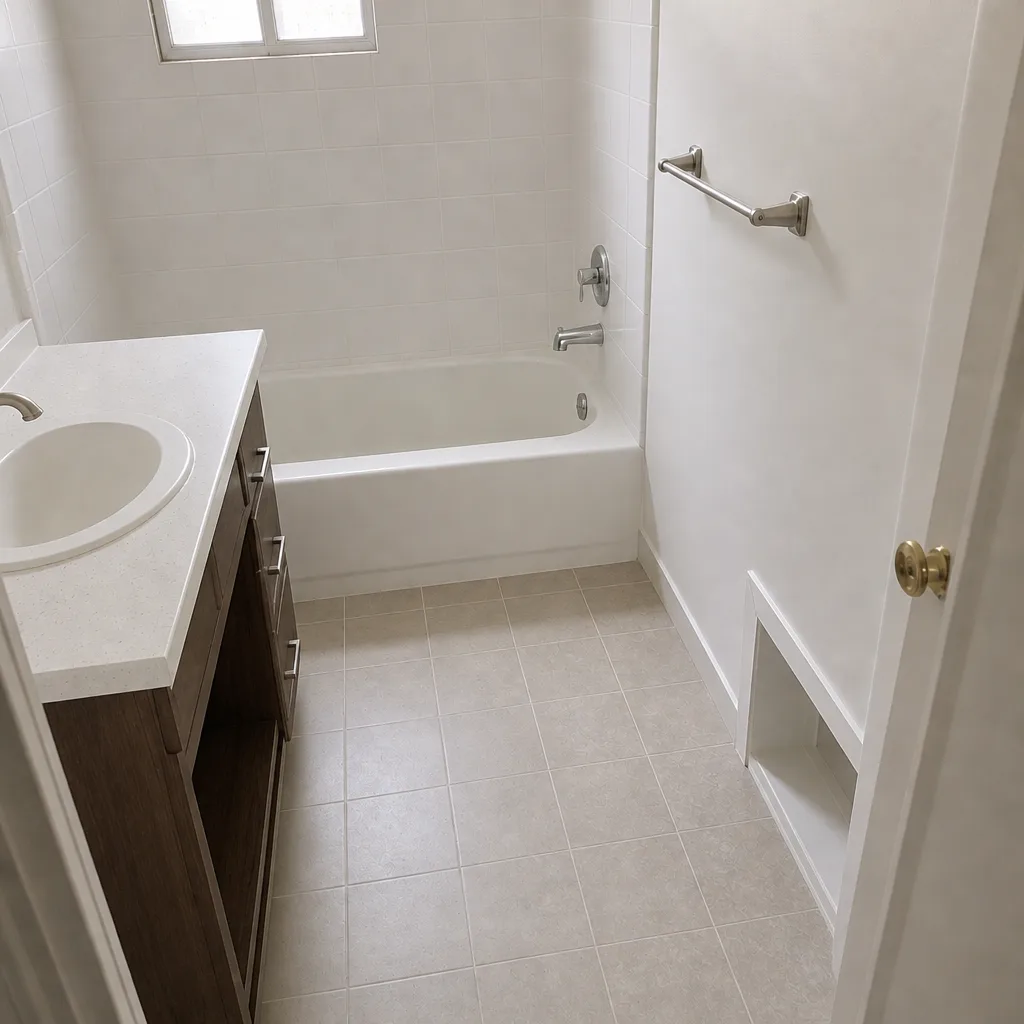 After
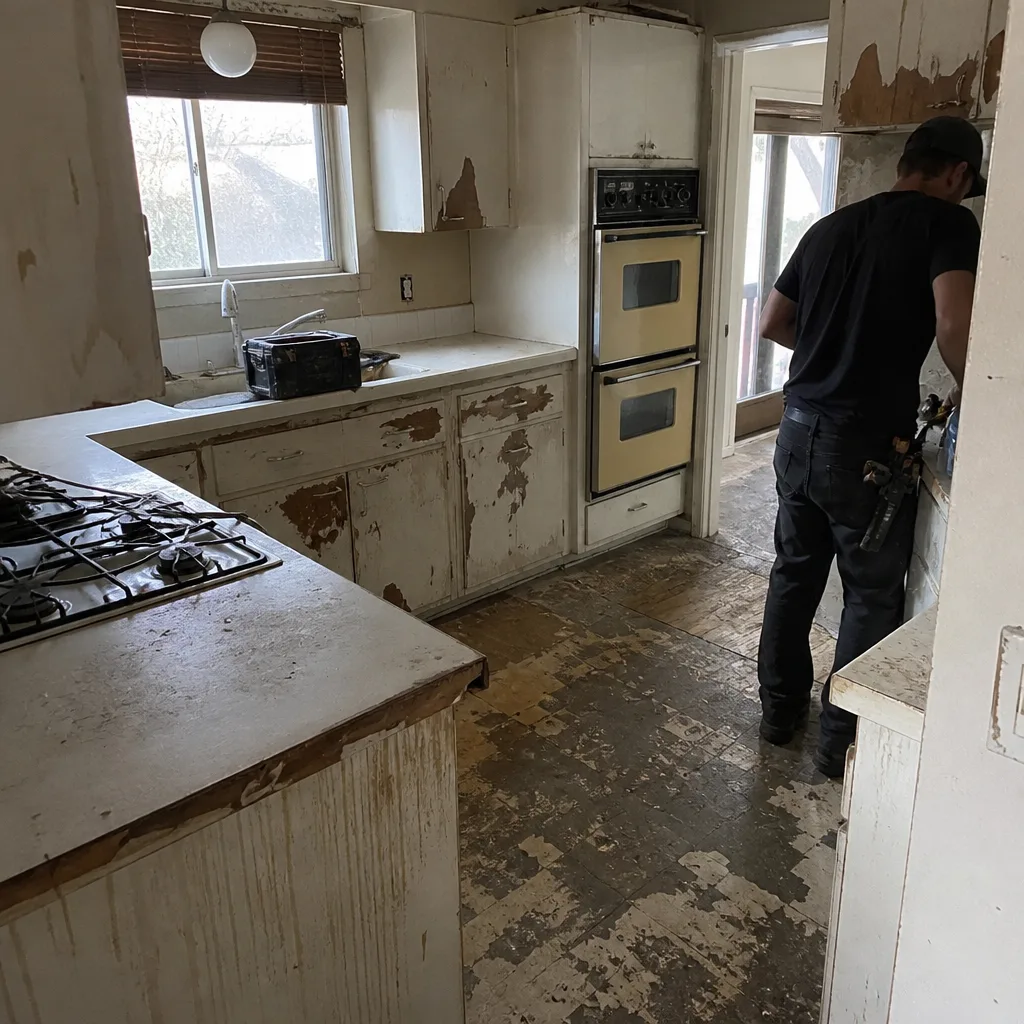 Before
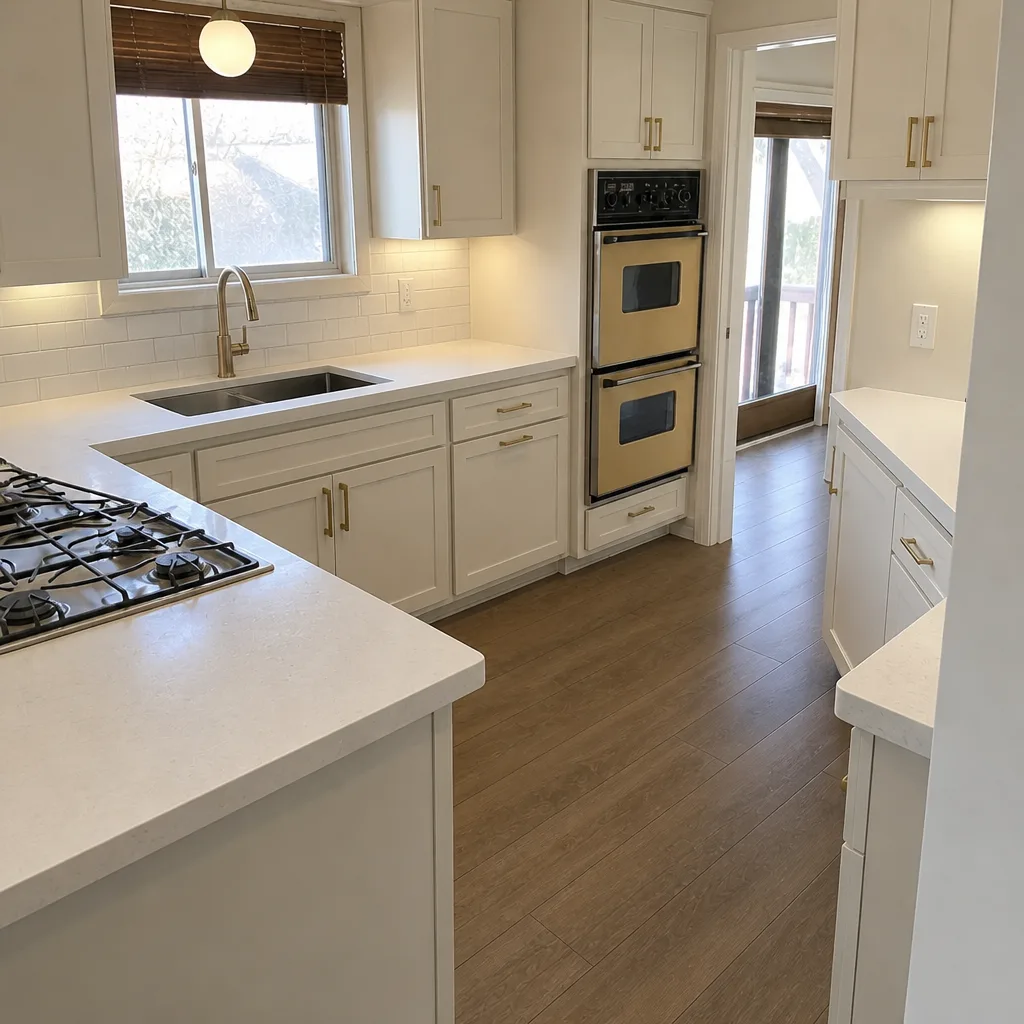 After
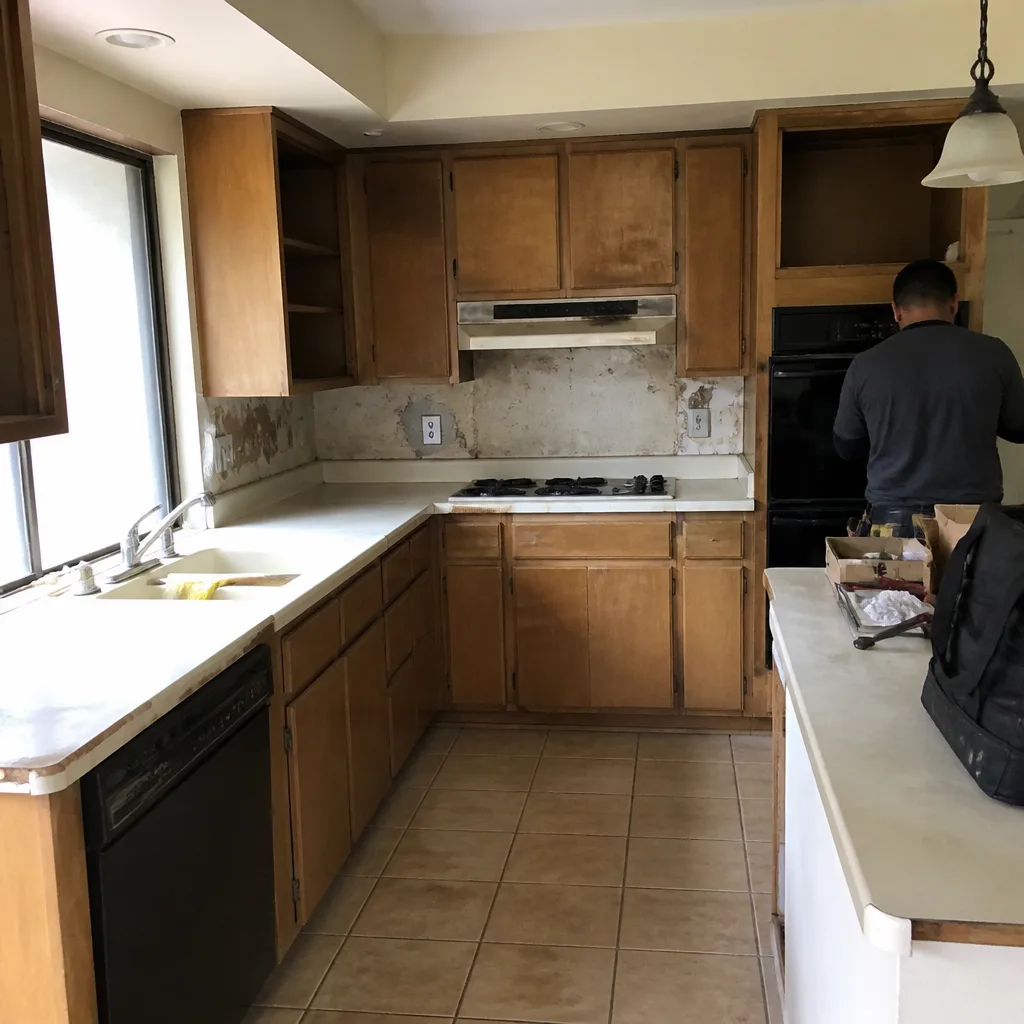 Before
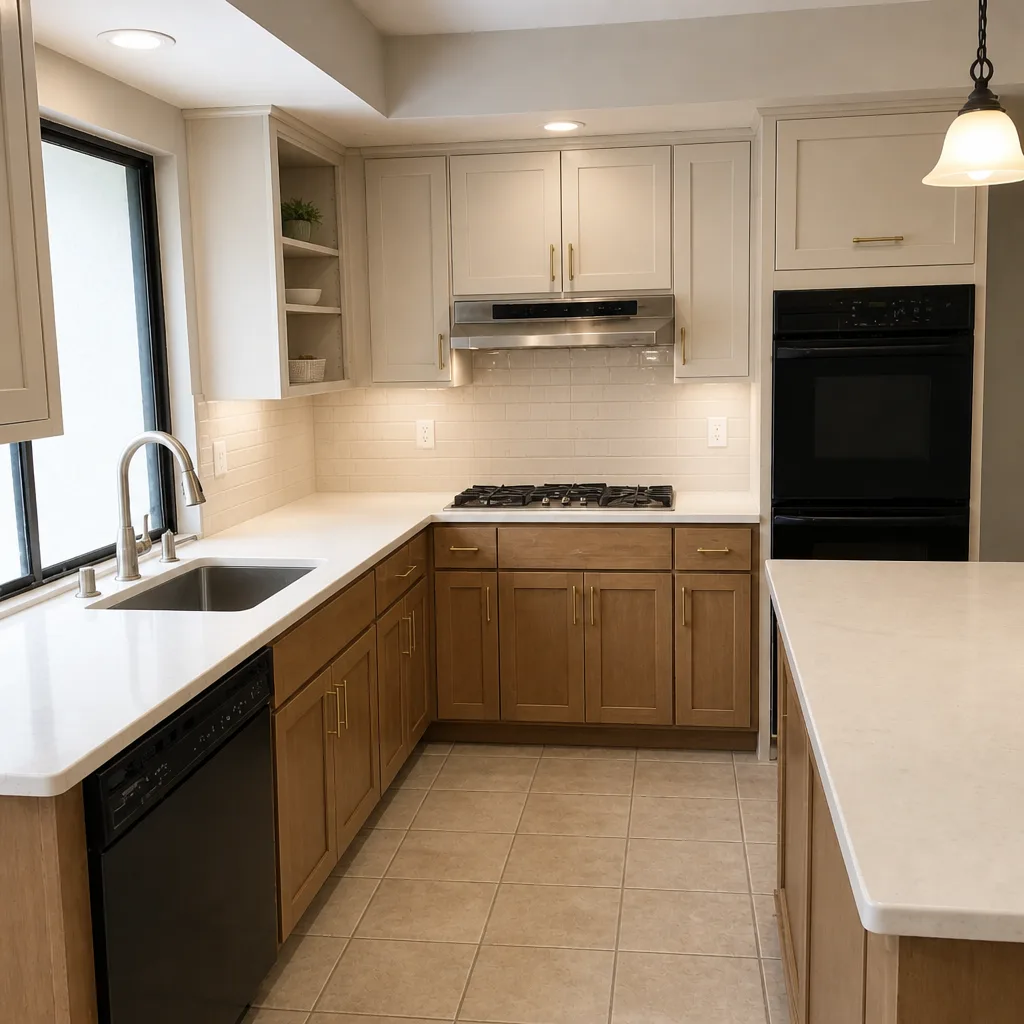 After
When to Call a Professional
Some projects are clearly professional work: additions, structural changes, roof replacement, anything requiring a permit, and any project that touches gas, electrical, or a dangerous height. Others look small and aren’t. A “quick” bathroom remodel that moves plumbing, a patio installation that changes grading, a driveway that adds 3,000 pounds of pavers over a hillside lot, all of these belong in the hands of a licensed contractor. We also get calls from homeowners who’ve inherited a stalled project from someone who disappeared. That’s preventable with the steps above, but it’s also fixable.
Groundwork Construction Co. of Yorba Linda offers free estimates in Yorba Linda with line-item pricing in writing. Projects over $10,000 get $1,000 off, and 0% financing for 18 months is available, so a project can get moving without draining savings. Call (888) 255-9354 to schedule your free estimate. Our team answers live, around the clock. You won’t reach a voicemail.
Frequently Asked Questions
General contractors in Yorba Linda typically charge 15-25% of the total project cost as their management and markup, which works out to roughly $15,000-$30,000 on a $100,000 project, $30,000-$50,000 on a $200,000 addition, or $3,000-$6,000 on a $20,000-30,000 kitchen. Specialty trades are usually billed separately at their own rates. The exact number depends on project scope, permit complexity, and the amount of coordination the job requires. Call (888) 255-9354 for a free line-item estimate with real numbers for your specific project.
Most construction work in Yorba Linda that changes structure, systems, or the building footprint requires a permit, including additions, ADUs, major remodels, roof replacements, and anything involving electrical or plumbing rough-in. Minor cosmetic work like interior paint, flooring replacement, or cabinet refacing generally does not. HOA approval is a separate requirement for many exterior changes. Your contractor should be able to state in writing which permits the project requires and who pulls them.
Look up the contractor on the California Contractors State License Board (CSLB) website using their license number or business name. Confirm the license is active, the classification matches the work, and the business name matches the bid. At the same time, check the surety bond and request a certificate of insurance for general liability and workers’ compensation. This check takes about ten minutes and eliminates most bad actors before you meet.
A properly scoped, line-item bid with a written change-order process should not change in total unless the scope changes. If the contractor finds hidden issues (rot, outdated wiring, structural damage) once walls open up, those are legitimate change orders with stated costs before work proceeds. The clause that protects you is the written change-order process. Vague “we’ll figure it out as we go” language is where changes become disputes. Call (888) 255-9354 for written, upfront pricing where the number you see is the number you pay.
California law limits what unlicensed handymen can do (small jobs under a low dollar threshold, no structural work, no work requiring permits). Any project requiring a permit, involving structural changes, or crossing $500 in labor and materials combined must by law be performed by a licensed contractor. For additions, roof replacements, kitchen or bathroom remodels, or anything that touches electrical or plumbing systems, use a licensed contractor.
A real workmanship warranty is in writing, states a specific number of years, and covers the failures that actually happen on the job (leaks, settling, finish defects), not just catastrophic structural failure. Materials warranties come separately from the manufacturer. At Groundwork Construction Co. every project is covered by the 730-Day Done Right Promise, which is one of the longest workmanship warranties in the residential construction space. Ask to see the warranty language in writing before you sign.
The Bottom Line
Hiring a contractor in Yorba Linda isn’t about picking the lowest number on the page. It’s about knowing which questions to ask, verifying the license and insurance before the first meeting, reading the contract for the clauses that protect you, structuring payments to keep your money aligned with real progress, and expecting a written warranty that lasts. Do these five things and the bids stop feeling like a coin flip. They become a comparison of competence, and one contractor will clearly stand out. That’s the whole game. Start with the free estimate and run these questions on whoever shows up.
Groundwork Construction Co. of Yorba Linda is a full-scope construction partner for homeowners who refuse to gamble on their biggest investment. From foundation to finish line, we handle kitchens, bathrooms, roofing, windows and doors, fencing, driveways and pavers, and additions and ADUs, backed by the 730-Day Done Right Promise and a curated portfolio of top-tier material brands. Upfront pricing, no surprises. Live person answering the phone 24/7. Background-checked, uniformed technicians on every job. Our technicians have up to 12 years of experience, and we pull permits and pass inspections. The promotions we run are simple: $1,000 off projects over $10,000, a free estimate and design consult, and 0% financing for 18 months.
Call (888) 255-9354 to schedule your free estimate. Estimates are free and there’s no pressure. Compare us to your other bids using everything in this guide. We’ll stand behind the number.
Visit the Groundwork Construction Co. of Yorba Linda home page for every service we offer, or start a conversation about your specific project. We’re ready when you are.
Written by the team at Groundwork Construction Co. of Yorba Linda.