Last updated November 17, 2026



Free written scope consultation - allowances, timeline, and change-order rules on paper before a single trade is scheduled
Fence Installation Maintenance Schedule: What to Do and When
Applying a stain or sealant to a fence in July, when surface temperatures push past 90°F, makes the product dry before it soaks in. You’ve paid to coat the surface instead of protect the wood, and that coat will peel within a year. We’ve watched this happen on hundreds of fences across Yorba Linda, and it’s the single most common reason a wood fence fails early. Here’s the counterintuitive part: most fences don’t die from neglect. They die from maintenance done at the wrong time with the wrong product. This guide gives you a calendar that maps to how Southern California weather actually behaves, so your wood fence can last 20+ years instead of the 8 to 10 most homeowners settle for.
Quick Answer
A wood fence in Yorba Linda needs three targeted maintenance interventions per year: a spring inspection, an early-fall cleaning, and a sealer or stain application between October and early April. Vinyl and aluminum fences need two lighter check-ins per year. Clean and inspect before you coat, never apply product when surface temperatures are above 85°F, and keep written records of every task.
Styles & brands we work with
- Kitchen remodeling
- Bathroom remodeling
- Home additions & ADU
- Roofing
- Windows & doors
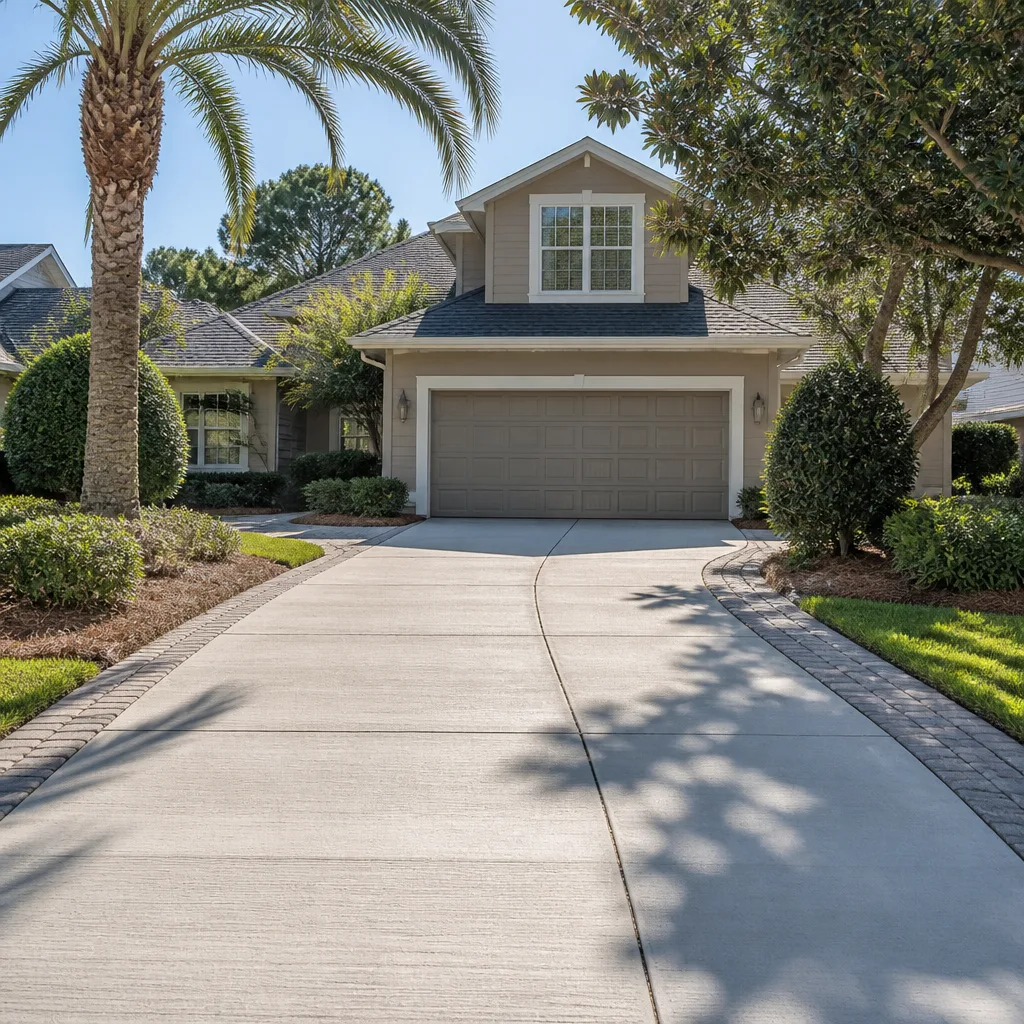
- Driveway & pavers
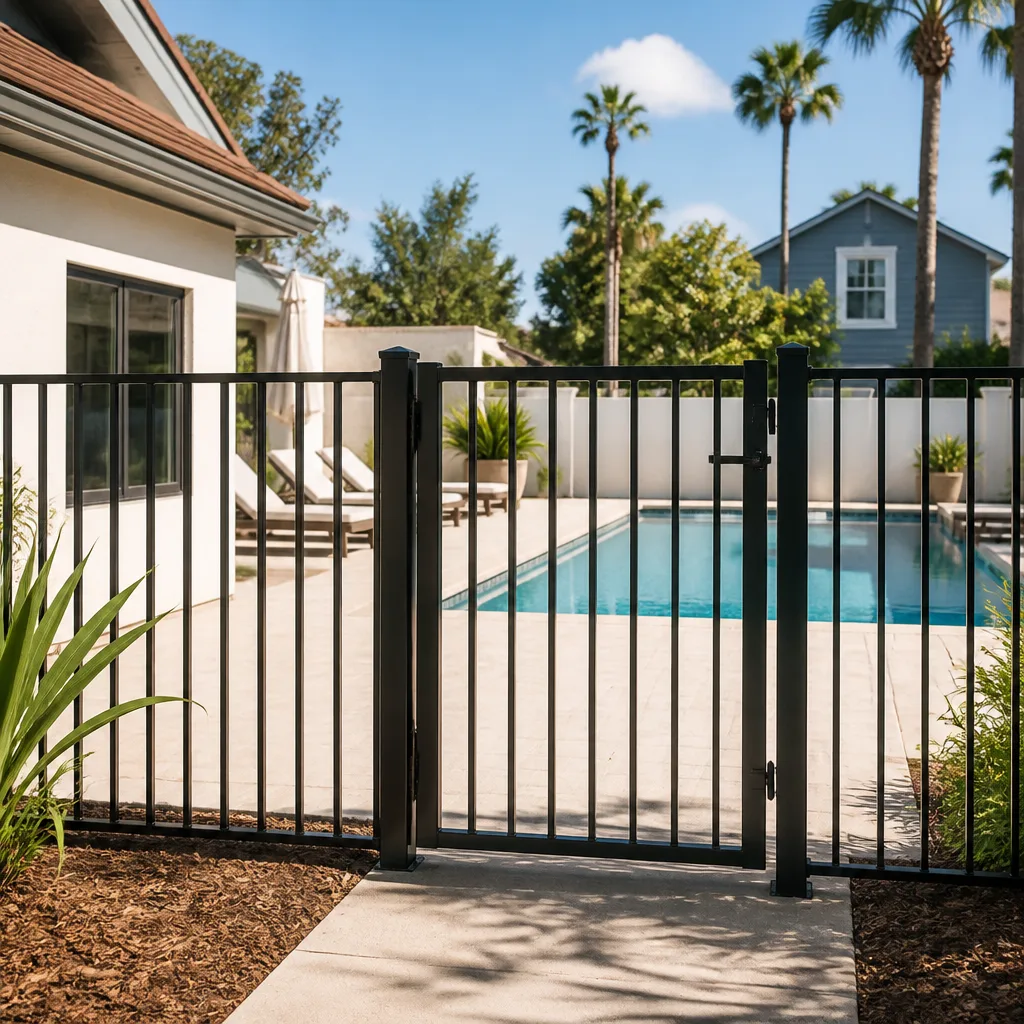
- Fence
Table of Contents
- Why the Southern California Climate Changes the Rules
- The Annual Maintenance Calendar for Yorba Linda Fences
- The Spring Inspection Checklist
- The Fall Inspection Checklist
- The Sealer and Stain Application Window
- How to Clean a Fence Before Recoating
- Vinyl and Aluminum Fence Maintenance
- How to Document Maintenance in Writing
Why the Southern California Climate Changes the Rules
Fencing advice written for the Midwest or the Pacific Northwest doesn’t translate to Yorba Linda. Our summers are long and dry, our rainy season is compressed into a few months between November and March, and the Santa Ana winds pull moisture out of wood faster than almost anywhere in the country. Those conditions mean a wood fence here cycles through wet and dry contraction far more often than the same fence in a humid climate. That constant movement opens board gaps, works screws loose, and cracks the protective film of any coating that isn’t properly bonded.
The other thing homeowners underestimate is sun exposure. A south- or west-facing fence in Yorba Linda takes full afternoon sun for most of the year, and UV radiation breaks down both wood lignin and the sealers meant to protect it. That’s why a sealer rated for five years in a cooler climate is realistically a two- to three-year product here. UV oxidation is also the main reason vinyl and aluminum fences lose their finish, which is a maintenance task almost nobody plans for.
So the schedule matters more here than the products do. If you apply the right sealer at the wrong time of year, you still shorten the fence’s life. If you inspect at the right time but skip the cleaning step, the new coat bonds to dirt and mildew and fails from underneath. Timing is the lever.
The Annual Maintenance Calendar for Yorba Linda Fences
Here’s the calendar we recommend to every Yorba Linda homeowner, whether they installed with us or inherited an older fence with the house. Print it, tape it inside a garage cabinet, and treat it as a fixed schedule rather than something you’ll get to when you get to it.
- March through early April: Full inspection after the rainy season, checking for rot at post bases, loose hardware, and winter storm damage. Clean the fence and let it dry fully.
- Late April through May: Optional light touch-up on any boards that show bare wood.
- September through early October: Second inspection, focused on wind damage and hardware from the dry season. Clean and prep for coating.
- October through early April: Apply stain or sealer when surface temperatures stay below 85°F. This is the only window where products bond correctly.
- December through February: Check drainage at the fence line after heavy rain; remove debris that traps moisture against posts.
- Year-round: Note any storm damage in your maintenance log the same week you see it.
You’ll notice the coating window overlaps with the cool-season rainy months. That’s intentional. You want to apply product after the first autumn cleaning and before the wet season really sets in, then let it cure undisturbed. Aim for a dry stretch of 48 to 72 hours when you schedule the work.
The Spring Inspection Checklist
The spring inspection is the most important one, because it catches problems the rainy season exposed. Walk the full fence line in Yorba Linda after the last significant rain, and go slowly. Here’s what to check, in order:
- Post bases: Look for soft wood, dark staining, or a spongy feel where the post meets the soil. Rot at the base is the number one structural failure we see, and it starts invisibly below grade.
- Hardware: Test every hinge, latch, and gate screw. Winter expansion loosens fasteners, and a gate that sags in spring usually had loose hardware in February.
- Board shrinkage gaps: Wood contracts in dry weather and expands in wet. Spring is when gaps are widest. Check whether your boards have separated enough to let a small dog or rabbit through.
- Loose pickets and rails: Push each section firmly. Any movement means a nail or screw has backed out and needs reseating.
- Gate sag: Open the gate and let it rest. If it drags on the ground or won’t latch cleanly, the hinge post may be leaning.
- Mildew and staining: Green or black patches on the north-facing side are common in Yorba Linda, where morning moisture lingers in shaded backyards.
- Post caps and finials: Check for cracking or missing caps; those exposed post tops are where water gets in.
Document what you find. We’ll get to why that written record matters in its own section, but understand that a spring inspection without notes is a missed opportunity.
The Fall Inspection Checklist
The fall inspection has a different job: it catches what the dry season did. In Yorba Linda, that means wind damage, UV cracking, and any hardware that worked loose during summer heat cycles. Run through this list in September or early October, before you apply any stain or sealer.
- Wind damage: Santa Ana winds can crack boards, blow out pickets, and strain fence sections. Look for splintered edges and sections leaning away from the wind direction.
- UV cracking and checking: Small surface cracks (checking) are cosmetic, but if they run deep enough to catch a fingernail, that board is losing its integrity. Sealers need to go on before this gets worse.
- Coating condition: Test any existing stain or sealer by dripping a small amount of water on the surface. If it soaks in quickly, the coating has failed and the fence needs recoating. If it beads, the coating is still working.
- Fastener condition: Reseat flashing and fasteners on metal fences and check gate hinges; fall winds are when they loosen most.
- Vegetation: Clear vines, ivy, and bushes that touch the fence. Vegetation traps moisture against wood and accelerates rot, especially on the north side.
- Drainage: Make sure water doesn’t pool along the fence line before the rainy season starts.
Fix what you can before you coat. Any board that’s badly split or soft should be replaced, not sealed. If you’re not sure whether a board needs replacing, that’s a good moment to call us for a free estimate so a trained eye can make the call.
The Sealer and Stain Application Window
This is the section most homeowners need most urgently. The right window to apply any coating to a wood fence in Yorba Linda is October through early April, and the reason is temperature.
Most quality exterior stains and sealers are formulated to penetrate the wood, not just coat the surface. Penetration only happens when the product stays liquid on the wood long enough to soak in. In July, when surface temperatures on a sun-exposed fence run well past 90°F, the product skins over within minutes. You’ve bought a coat, not a treatment, and that film will crack and peel within a season. Surface temperature, not air temperature, is what matters here. A fence in direct afternoon sun can read 20 to 30 degrees hotter than the ambient air.
The October through April window gives you cool surface temperatures, lower humidity than spring, and no direct afternoon-sun problem for most of the day. Aim to apply on a day with at least 48 hours of dry forecast and no rain within the following 24 hours.
Product choice matters as much as timing. We work with a few brands across our exterior work, and this is one area where a name brand earns its money. Fence Installation in Yorba Linda goes into more depth on materials and brands, but for maintenance the rule is simple: buy a product rated for UV exposure and for the wood species you actually have. Cedar takes stain differently than pine, and pressure-treated pine needs longer to dry out before coating. Fresh pressure-treated wood should cure for several weeks before it’s sealed.
Recoating intervals in Yorba Linda run about every two to three years for a quality penetrating sealer, slightly longer for a stain with UV blockers. A coat that tests out with the water-bead method in fall isn’t due yet; don’t over-apply. Excessive recoating builds a film that fails from underneath and looks terrible.
How to Clean a Fence Before Recoating
Coating over dirt, mold, or mildew is the second most common mistake we see, and it’s just as costly as coating at the wrong temperature. The new product bonds to the contaminant layer instead of to the wood, and the whole application peels in a year or two. Here’s how to clean correctly.
- Wait for a dry stretch. Apply cleaner on a dry day when the fence surface is already dry.
- Pre-wet the boards. Lightly wet the wood before applying cleaner so it doesn’t over-soak one area.
- Apply a cleaner rated for mold and mildew. Look for a product labeled for exterior wood. Follow the label’s dilution; don’t eyeball it.
- Let it dwell, then scrub. Allow the cleaner to sit for the time the label recommends, then scrub with a stiff-bristle brush. Pay attention to joints, post bases, and the north-facing side.
- Rinse with a pressure washer at low pressure. This is where people damage the wood. Use a wide-fan nozzle and keep it moving. Stay off full pressure, which can gouge the grain and open it to moisture.
- Dry fully before coating. Bare wood needs at least 24 to 48 hours to dry before you apply stain or sealer, longer in cool or humid weather. The fence should feel dry to the touch and look dry in the joints.
If your fence is old and the wood is delicate, use a lower-pressure wash or skip the pressure washer entirely. A pressure washer is a tool, not a requirement.
Vinyl and Aluminum Fence Maintenance
Homeowners choose vinyl and aluminum because they don’t rot, split, or need staining. That’s true. It’s not the same as “never touch it.” Both materials have maintenance tasks that nearly everyone skips until something breaks.
Vinyl fence maintenance
- UV oxidation: Vinyl fades and gets chalky after years of direct sun. Wash quarterly with a soft brush and mild soap, and use a vinyl-specific cleaner for accumulated oxidation. A clear coat of UV protectant slows the fade.
- Post cap integrity: Vinyl post caps are where water enters. Check them each spring and fall; a cracked or missing cap lets water sit inside the post.
- Fastener check: Vinyl sections are held by concealed hardware. Look for sections that move or rattle in the wind and reseat them.
- Panel sag: Panels can bow over time in strong heat. Straighten the posts if they’re leaning.
Aluminum fence maintenance
- Powder coat condition: The powder coat is the finish, and it’s what protects the metal. Touch up any scratches with a matching touch-up paint before they rust.
- Fastener check: Bolts, brackets, and hinges work loose over time. Check annually and torque as needed.
- Post cap integrity: Same as vinyl: check post caps to keep water out.
- Wash annually: Hose down or wipe off surface dust and debris; aluminum doesn’t rust but stains can etch the coating.
Both materials need two check-ins per year, spring and fall, not the three a wood fence needs. That’s still maintenance; treat it as part of the calendar.
How to Document Maintenance in Writing
This is the step almost no homeowner does, and it’s the one that saves you money when it matters. Keeping written records of every maintenance task serves two purposes: it supports any workmanship warranty claim and it provides proof of proper care if a dispute ever arises with a contractor or a future buyer.
Here’s a simple record system. Keep a single notebook or a phone note with the fence line documented by section, and for every task record:
- The date of every inspection, cleaning, and coating application.
- What was done (inspection only, cleaning, stain, sealer, board replacement).
- The product used and its manufacturer name and batch, if you can note it.
- Weather conditions on the application day: temperature, humidity, and whether rain followed.
- Photos before and after each application, taken from the same angle.
- Any contractor work, including the company name, the date, the scope of work, and a copy of the written estimate and warranty terms.
Why this matters: our 730-Day Done Right Promise covers workmanship for two full years, and a warranty claim is only as strong as the record behind it. Proper maintenance is also a standard defense in any dispute. If our fence failed within the warranty period because it was coated with a product that was never maintained, the written record clarifies what happened, and we fix what’s ours to fix. We’d rather a homeowner has the record and never needs it.
The documentation habit also pays off at resale. A buyer’s inspector will ask about the fence. A written maintenance log is a small thing that builds real confidence.
Common Mistakes to Avoid
- Applying sealer or stain in summer. A Yorba Linda fence in direct July sun easily exceeds 90°F on the surface, and the product dries before it penetrates. Wait for the October to April window.
- Coating over a dirty fence. Mildew and dirt block adhesion. Clean first, dry fully, then coat. Skipping the cleaning step is worse than skipping the coat.
- Pressure washing too hard. Full pressure nozzles gouge wood grain and open it to moisture. Use a wide-fan nozzle and keep the wand moving.
- Ignoring post bases. Rot starts below grade, so it’s invisible until the post fails. Check bases every spring; a spongy post is a structural problem, not a cosmetic one.
- Over-applying product. Recoating every year builds a film that peels from underneath. Test with water beads and follow the product’s real recoat interval, usually two to three years here.
- Forgetting vinyl and aluminum. Homeowners assume “no-maintenance” materials need no maintenance. UV oxidation and loose fasteners still happen, just less often.
- No written record. Every task, product, and date goes in a log. It supports warranty claims, resolves disputes, and holds value at resale.
- Staining a new pressure-treated fence too soon. Fresh pressure-treated pine needs several weeks to dry before it accepts a sealer. Coat too early and the moisture trapped inside will lift the product off.
See the difference
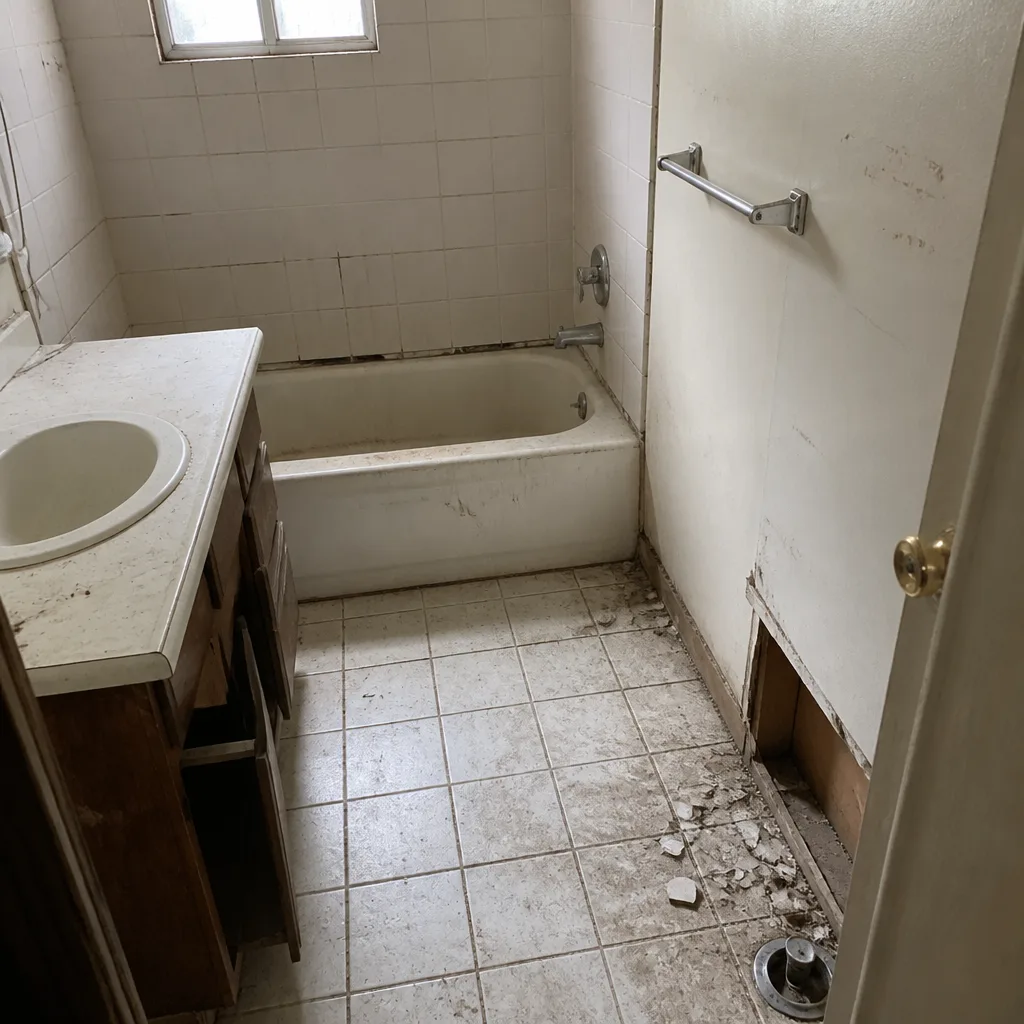 Before
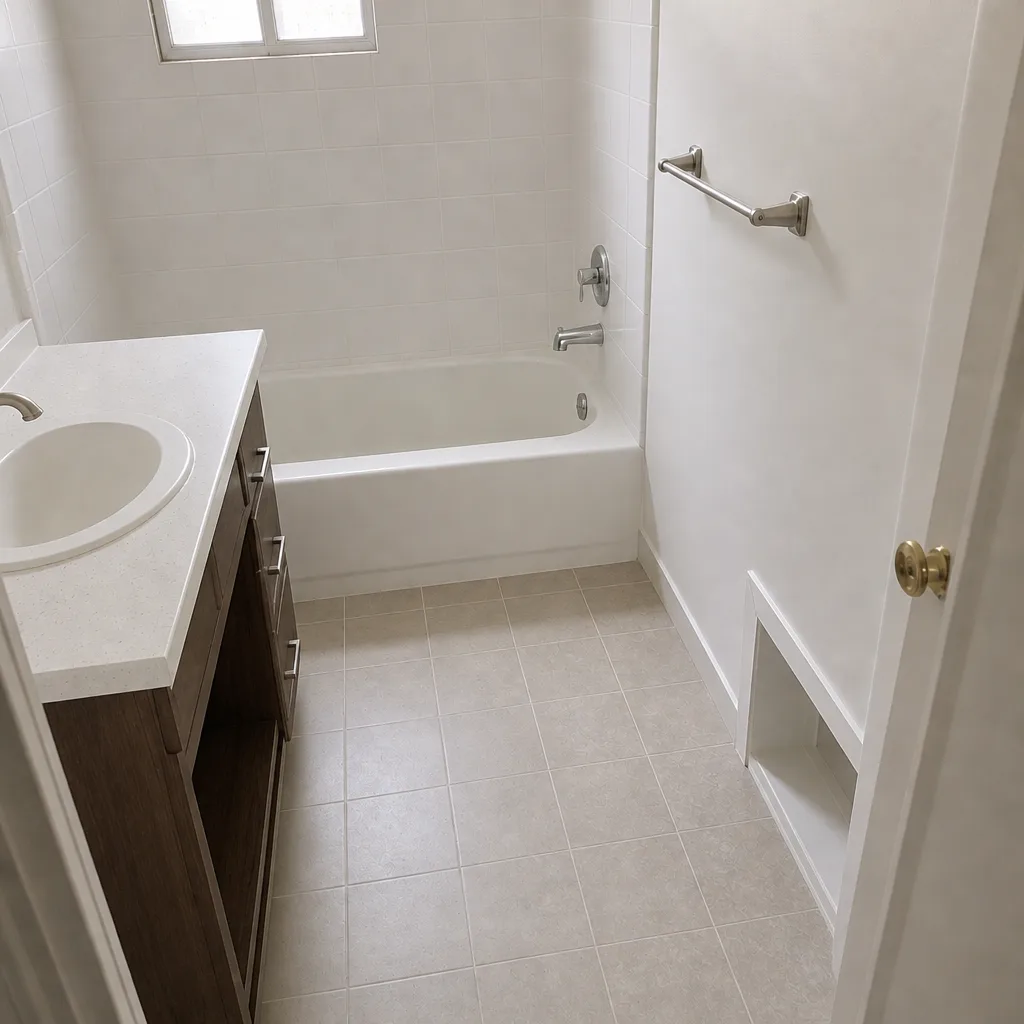 After
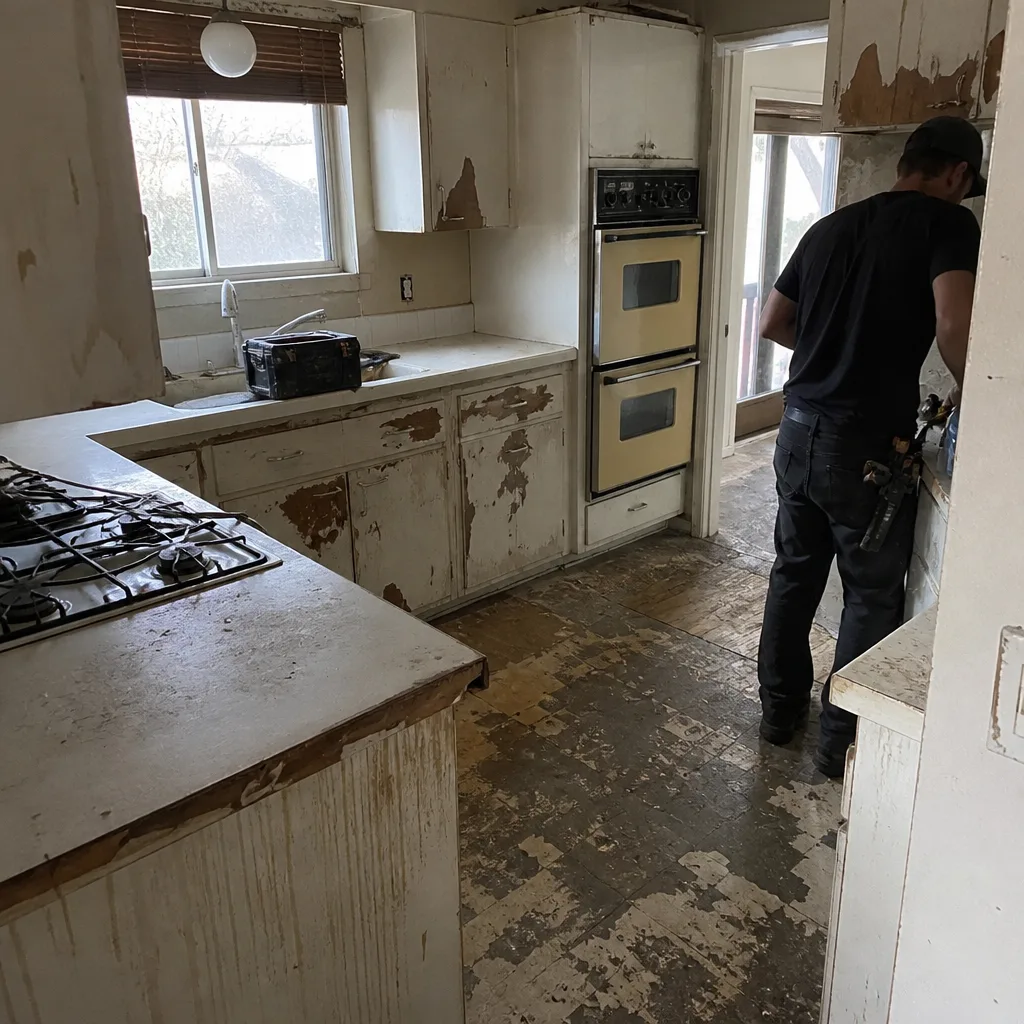 Before
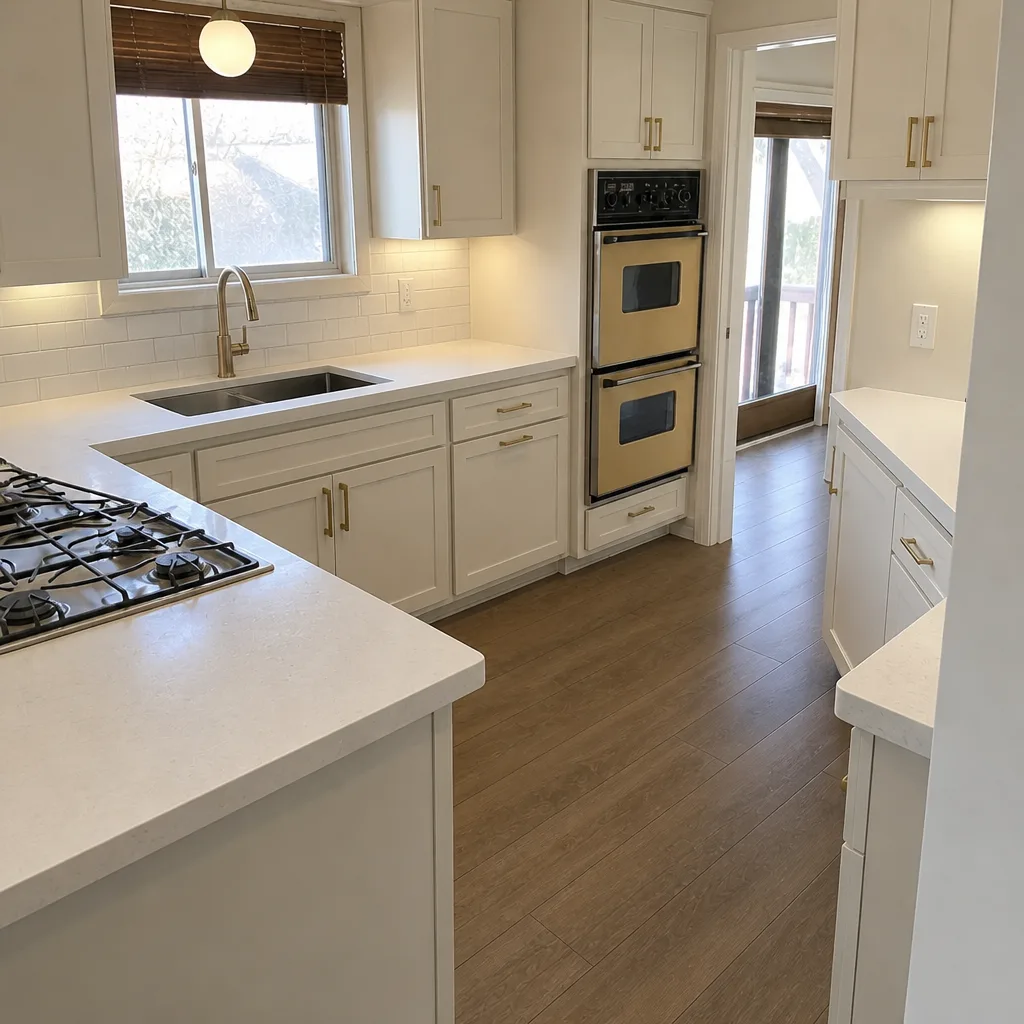 After
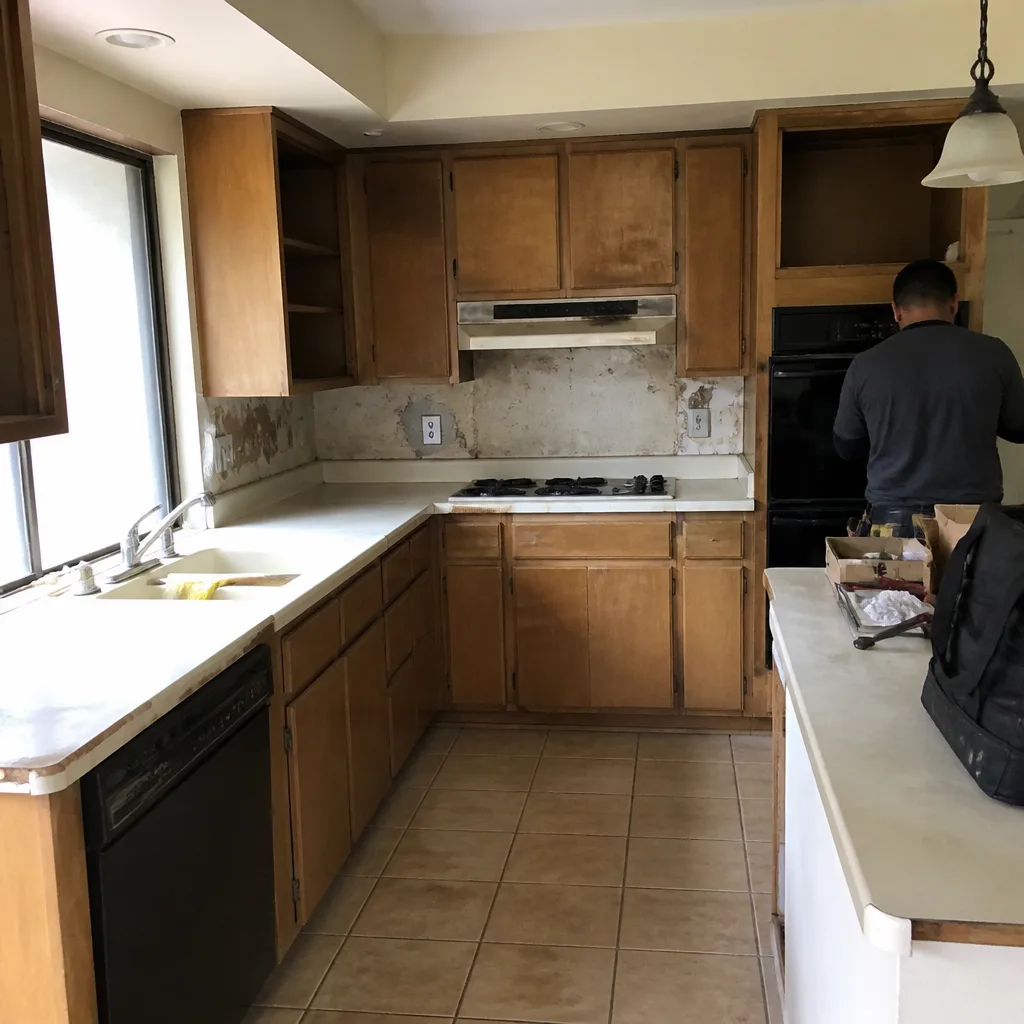 Before
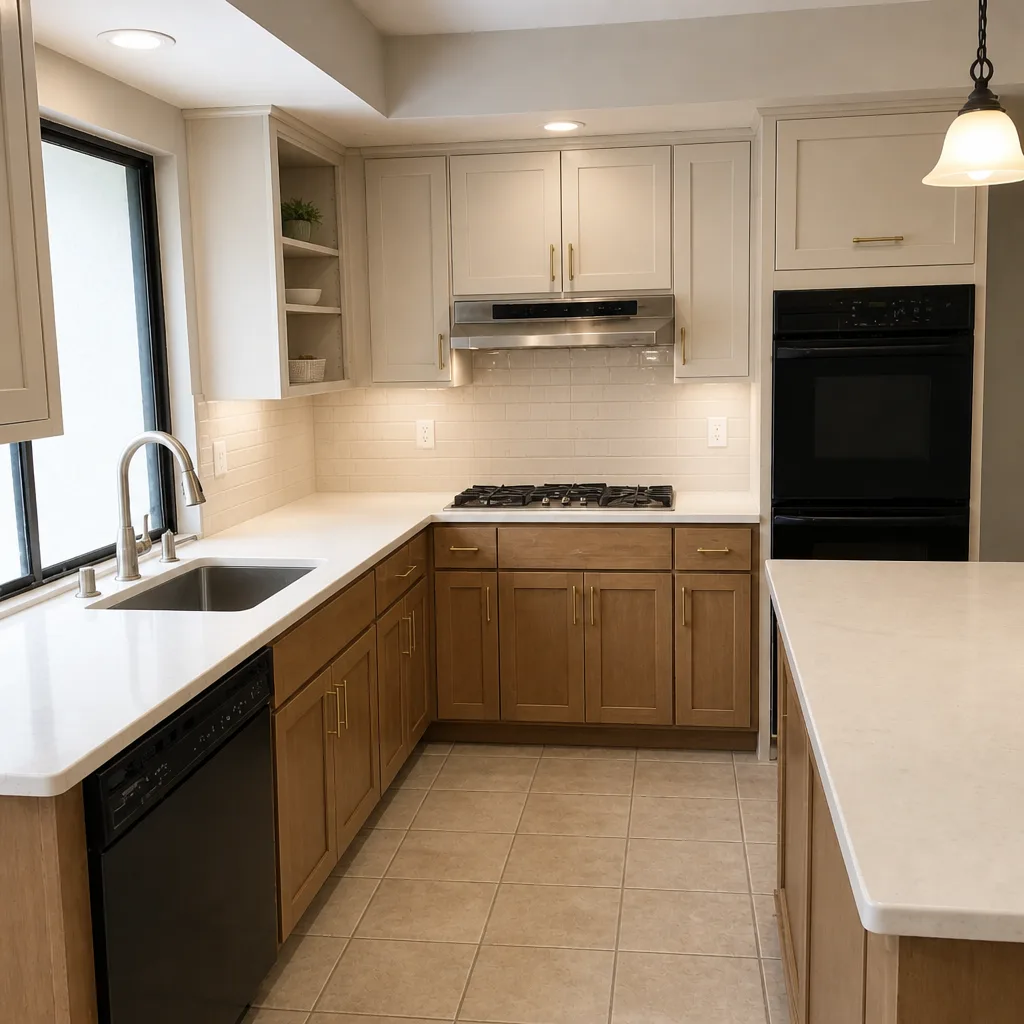 After
When to Call a Professional
Most annual maintenance is a homeowner’s job. Some things aren’t. Call us if you find a post that’s soft at the base, if a section is leaning enough that the fence line looks visibly off, if storm damage has compromised structural framing, or if you’re not sure whether a splintered board is cosmetic or structural. If your fence is taller than six feet, or if you can’t safely reach the top of the fence line with a ladder, that’s a professional visit; doing it yourself is a safety risk we don’t recommend. Installing a new gate is also worth a call, because a gate that isn’t hung right will sag again within a year. Groundwork Construction Co. of Yorba Linda offers free estimates in Yorba Linda – call (888) 255-9354, and a live person answers around the clock.
Frequently Asked Questions
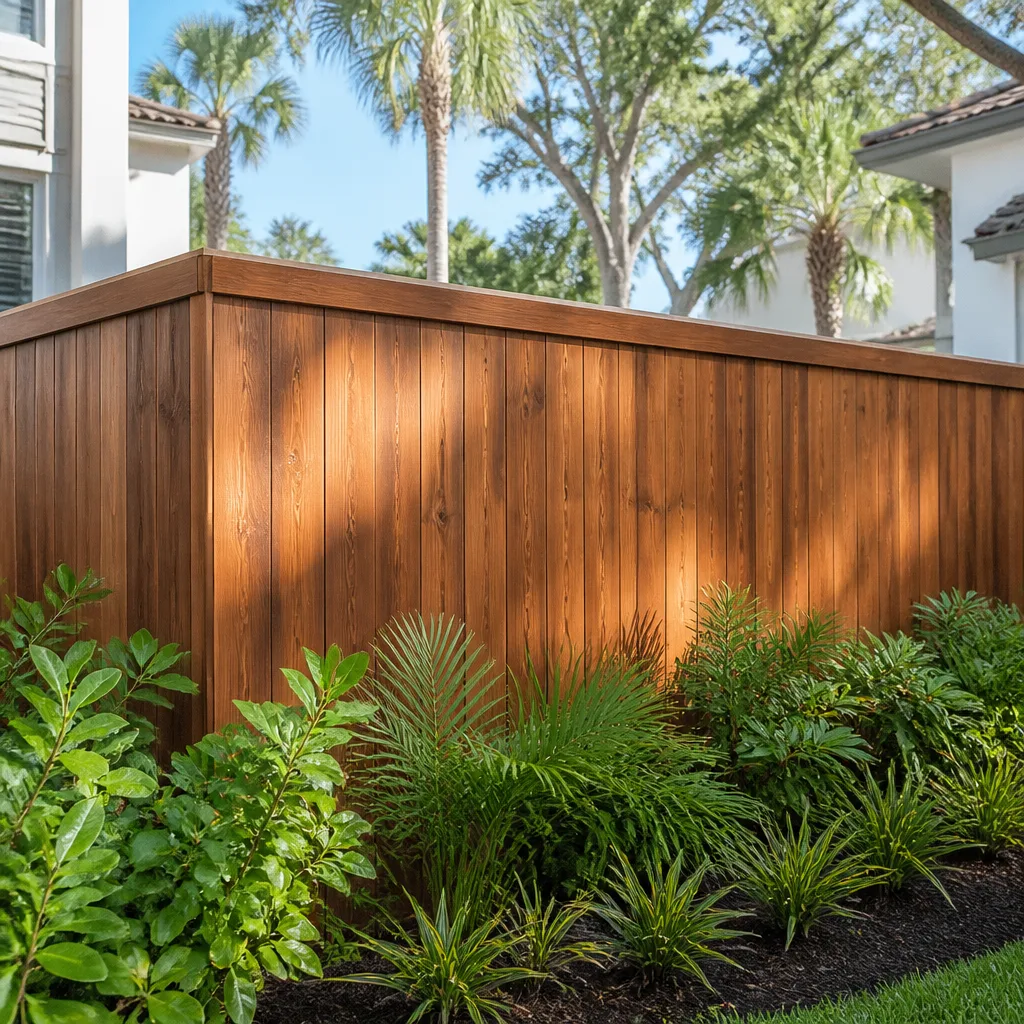
Plan on recoating every two to three years, always in the October through early April window. Test the existing coating in early fall by dripping water on it; if the water beads, the coating is still good and you can wait. If it soaks in quickly, it’s time. Call (888) 255-9354 for a free estimate if you’d like a professional assessment.
Because surface temperature, not air temperature, controls how the product bonds. A sun-exposed fence on a July afternoon in Yorba Linda runs above 90°F on the surface, and stain skims over before it soaks in. That means a film coat that peels within a season, not actual wood protection. The cool-season window from October through April is the reliable fix.
Yes. Neither rots, but both face UV oxidation and fastener issues. Vinyl gets chalky and fades in direct sun; check post caps and reseat loose panels twice a year. Aluminum needs powder-coat touch-ups on scratches, annual washing, and a fastener check. Two check-ins per year covers both.
Use a cleaner rated for mold and mildew, let it dwell per the label, scrub with a stiff brush, rinse with a wide-fan pressure-washer nozzle at low pressure, then let the wood dry fully for 24 to 48 hours before coating. Coating over a dirty fence is worse than not coating at all. Call us if you want the cleaning and coating handled together.
Yes, and keep it in writing. Record dates, products, weather, photos, and any contractor work. The record supports warranty claims and serves as proof of proper care in a dispute. Our 730-Day Done Right Promise covers workmanship and is easier to honor when the maintenance history is clear.
Twenty years or more with the three-intervention schedule in this guide. Neglect or improper timing typically cuts that to 8 to 10 years, because failed coatings let UV and moisture work on the wood. If a section is already failing, call (888) 255-9354 for a free estimate and we’ll tell you whether repair or replacement makes more sense.
The Bottom Line
A wood fence in Yorba Linda lasts as long as its maintenance calendar does. Three interventions per year – spring inspection, fall inspection, and a sealer or stain application between October and early April – keep the wood protected and catch structural problems early. Clean and dry fully before coating, never apply product when surface temperatures are above 85°F, and keep written records of every task. Vinyl and aluminum need two lighter check-ins per year. If you’d rather have this done by a professional with a long workmanship guarantee behind it, call Groundwork Construction Co. of Yorba Linda at (888) 255-9354 for a free estimate. A live person answers 24/7, and estimates are free.
Written by the team at Groundwork Construction Co. of Yorba Linda.