Last updated November 17, 2026


Free written scope consultation - allowances, timeline, and change-order rules on paper before a single trade is scheduled
Driveway & Pavers Maintenance Schedule: What to Do and When
Polymeric sand is the material holding your paver joints together, and it starts breaking down from UV exposure and vehicle wash-out within three to five years. Most homeowners don’t notice it’s gone until weeds are sprouting between the pavers and ants have tunneled out the base beneath them. By then, a $40 bag of sand has become a $400 repair. We’ve seen this pattern play out across Yorba Linda driveways for years, and it almost always comes down to the same thing: no calendar. This guide gives you a task-sequenced maintenance plan for Southern California’s climate – what to do, when to do it, and how to spot trouble before it turns into replacement.
Styles & brands we work with
- Kitchen remodeling
- Bathroom remodeling
- Home additions & ADU
- Roofing
- Windows & doors
- Driveway & pavers
- Fence
Quick Answer
A paver driveway needs three maintenance windows per year: a spring deep clean and joint inspection in March or April, a fall re-sand and pre-winter prep in October or November, and a quick winter check after the rainy season in February. Sealer should be water-bead tested every two years and re-applied only when it stops performing – typically every three to five years in Yorba Linda’s sun. Total hands-on time is under three hours annually if you follow the schedule instead of waiting for failures.
Table of Contents
- Why a Maintenance Schedule Beats Reactive Repairs
- The Month-by-Month Maintenance Calendar for Yorba Linda
- How to Test Whether Your Sealer Is Still Working
- Re-Sanding Joints with Polymeric Sand: Timing and Process
- Safe Cleaning Products vs. Cleaners That Ruin Pavers
- Annual Documentation: Catching Base Movement Early
- Concrete vs. Paver Maintenance: What’s Different
- Common Mistakes to Avoid
- When to Call a Professional
- Frequently Asked Questions
Why a Maintenance Schedule Beats Reactive Repairs
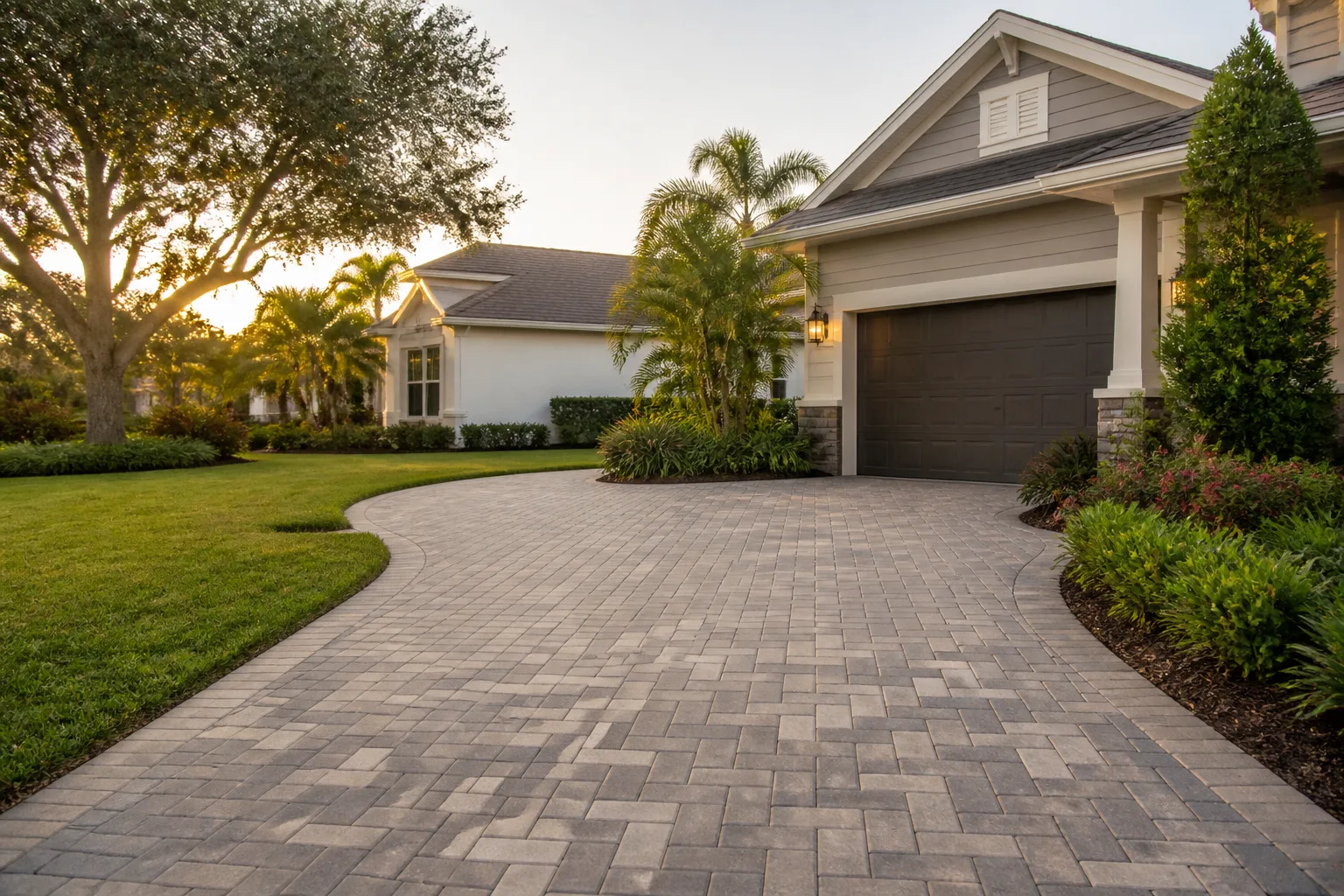
A paver driveway that gets the right attention at the right intervals will outlast a neglected one by decades. That’s not marketing language – it’s how the materials actually behave. Pavers themselves are extremely durable; the Belgard and similar concrete pavers we install in Yorba Linda routinely last 30-plus years. What fails first isn’t the paver. It’s the joint sand, the sealer, and the base. All three are consumables, and all three fail on predictable timelines.
Here’s the problem with reactive maintenance: by the time a homeowner calls us, the failure has usually progressed past the cheap fix. A missing joint that lets water into the base for one rainy season turns into a settled paver you can rock with your foot. A settled paver turns into a trip hazard and a trip hazard turns into a lift-and-relay job. The homeowner was going to spend $60 on polymeric sand. Now they’re spending $600 on a repair because they waited eighteen months.
Compare that to a scheduled approach. In our experience across Yorba Linda, a homeowner who follows a calendar spends under three hours a year on maintenance and gets 25 to 30 years out of the driveway. A homeowner who reacts to failures spends two to four hours a year on repairs and replaces the driveway in 15 to 18 years. The math isn’t close.
There’s also a market consideration. Yorba Linda home values reward curb appeal, and driveway condition is the first thing a buyer sees. A paver driveway that’s been maintained shows it. A driveway with weeds in the joints and faded sealer says “deferred maintenance” before the buyer even knocks on the door. The maintenance plan is an asset-protection plan.
The Month-by-Month Maintenance Calendar for Yorba Linda
Yorba Linda’s climate is specific, and a generic “clean twice a year” plan doesn’t fit it. We get intense summer sun, a Santa Ana wind season in fall, and a rainy season concentrated between December and March. Each of those creates a distinct maintenance window. Here’s the calendar we recommend.
January – Post-Rain Inspection
After the first significant storm of the season, walk the driveway and look for standing water more than 24 hours after the rain stops. Standing water in a low spot means the base has settled or the slope has failed. This is the single most important inspection of the year in Yorba Linda, because our rainy season is compressed and a wet base is where real damage starts. Sweep off debris from storm runoff, especially oak leaves and seed pods from the heritage trees nearby.
February – Joint Sand Check
Once the rain lets up, check joints with a screwdriver tip. If the sand sits more than a quarter-inch below the paver chamfer, it’s time to add sand. This is a smaller touch-up, not a full re-sand. Skip it and the next rainstorm will wash out the remaining joint material.
March – April – Spring Deep Clean and Inspection
This is the big window. Pressure-wash (carefully – see below), inspect every joint, re-sand any that are low, and pull weeds before they establish. Spring is also the right time to spot-check for base movement by rocking each paver with your foot. Yorba Linda’s spring warm-up is when cracks that opened in winter become visible.
May – June – Sealer Water-Bead Test
Before summer sun bakes the surface, do the water-bead test (method below). If the sealer fails, plan to re-apply in late September or early October when temperatures allow proper cure. Do not seal in the middle of summer – the sealer will flash-cure and leave streaks.
July – August – Minimal-Touch Months
Do almost nothing. Sweep as needed, keep sprinklers from overspraying the driveway (Yorba Linda’s irrigation schedules often hit pavers around dawn), and watch for ant activity. Ants are your early-warning indicator that joint sand has thinned. Ant colonies between pavers in mid-summer mean the joint is compromised.
September – October – Fall Re-Sand and Prep
This is the second big window. Re-sand all joints with polymeric sand, pull any weeds that established over summer, and prep for winter rain. Fall is when we see the most neglected driveways in Yorba Linda because homeowners didn’t act before the wet season.
November – December – Santa Ana Wind Sweep-Down
Santa Ana winds push debris, dust, and dry vegetation onto driveways. Sweep weekly through this window. This is also when leaf tannins stain pavers if you leave debris sitting – a problem on any light-colored paver.
How to Test Whether Your Sealer Is Still Working
Every few years, someone asks us whether they should re-seal their driveway, and the honest answer is: test it, don’t schedule it. Sealer life depends on sun exposure, traffic, slope, and the product used. Some Yorba Linda driveways need re-sealing at year three. Others go seven years. A calendar-based rule (“seal every three years”) is wrong more often than it’s right.
Here’s the test we use.
The Water Bead Test
- Wait for a dry day with no rain in the forecast for at least 24 hours.
- Pick three spots on the driveway – one in full sun, one in shade, and one in a high-traffic area (typically the apron where cars enter).
- Pour about half a cup of water on each spot.
- Watch the water for 30 seconds. If it beads into droplets and stays beaded, the sealer is still performing. If it absorbs into the paver or spreads out flat, the sealer has worn off at that spot.
- If two of three spots fail, plan to re-seal. If only one fails, you can spot-seal that section, though matching sheen across the driveway is difficult, so most homeowners prefer to wait.
Prep Steps Before Re-Application
Sealer applied over dirt, old sealer, or moisture fails within months. The correct prep sequence is:
- Deep-clean the surface – either a low-pressure wash with a paver-safe cleaner or a professional clean.
- Let the driveway dry for at least 48 hours in warm weather, longer if there’s been rain.
- Re-sand any low joints before sealing (never after – sealer locks the sand).
- Confirm surface temperature is between 50°F and 85°F when you apply. Yorba Linda summer afternoons can exceed 130°F surface temp, which is why fall matters.
- Apply in thin coats with a roller, allowing full cure between coats. Never puddle.
A word of caution on sealer: applying it over a damp surface is the most common cause of the cloudy, milky look we get called out to fix. If you’re not certain the driveway is bone dry, wait another day.
Re-Sanding Joints with Polymeric Sand: Timing and Process
Polymeric sand is the joint material that keeps pavers locked and water out of the base. When it’s intact, your driveway holds like a single slab. When it’s missing, every paver is one heavy rainstorm away from shifting.
When to re-sand:
- Joints sit more than a quarter-inch below the paver surface
- You can see daylight through the gaps when the sun rakes across the surface
- Ants, weeds, or grass are emerging from the joints
- You’ve seen sand washing out during rain
- It’s been three to five years since the last full re-sand (typical in Yorba Linda sun)
The process requires patience more than skill:
- Clean out old sand, organic debris, and weeds using a joint knife or a shop vac with a narrow nozzle. Don’t use a pressure washer at full pressure – it will blow out the base.
- Let the joints dry completely. Polymeric sand fails if it hits moisture too quickly.
- Spread sand across the surface and work it into joints with a soft broom. Fill all joints to the top of the chamfer – no higher.
- Blow off excess sand from the paver surface so none is left on top.
- Mist the joints with a light water spray to activate the polymer. Follow the manufacturer’s directions on spray volume. The most common error is over-watering, which washes the polymer out.
- Stay off the driveway for 24 hours. No vehicle traffic for 48 to 72 hours.
One thing we stress: don’t re-sand joints that are already locked and full. Over-sanding causes the paver chamfer to fill, which changes the appearance and prevents proper drainage. Only re-sand joints that need it.
Safe Cleaning Products vs. Cleaners That Ruin Pavers
The wrong cleaner can permanently etch concrete pavers or strip the finish off natural stone. We’ve seen this happen to Yorba Linda driveways when homeowners used a degreaser meant for garage floors or a bleach mix meant for decks. The cost of getting it wrong is a partial replacement, so it’s worth choosing carefully.
Safe for Both Concrete and Natural Stone Pavers
- Mild dish soap diluted in water (a few drops to a gallon)
- Paver-specific cleaners from manufacturers like Belgard or the brand matching your pavers
- Vinegar and water in a 1:4 solution for light mineral deposits (test in a corner first)
- Oxygen-based cleaners (OxiClean type) – gentle and effective for organic stains
Safe for Concrete Pavers Only – Never on Natural Stone
- Muriatic acid, heavily diluted, for efflorescence only. It will etch limestone, travertine, and sandstone.
- Mild bleach dilution for organic staining – test on a hidden paver first
Never Use
- Deck and fence strippers
- Industrial degreasers meant for concrete garage floors
- Full-strength bleach – it will bleach out the color in pigmented pavers
- Wire brushes or metal scrapers – they scar every paver type
- Any cleaner requiring a pressure wash above 1,500 PSI on pavers (it strips joint sand and can pit soft stone)
For oil stains – the most common Yorba Linda driveway issue after years of car traffic – the correct approach is a poultice of kitty litter or baking soda ground into the stain, left overnight, then swept up. Repeat as needed. Strong solvents push the oil deeper as often as they lift it.
Annual Documentation: Catching Base Movement Early
This is the step almost nobody does, and it’s the one that pays for itself. The point of annual documentation is to catch base movement in year one, when it’s a $200 lift-and-relay, instead of year four, when it’s a full driveway replacement.
Photograph your driveway once a year, same week, same lighting, same angle. Use the same spot in the grass or the same crack in the sidewalk as your marker. Then look for these specific signals:
- Vertical dips at the apron. Where the driveway meets the street, dips mean the base has settled. This is common in Yorba Linda after wet winters.
- Paver rocking. Step on each paver edge. Any paver that rocks means the bedding sand under it has washed out.
- Horizontal seam openings. If the joints between pavers at a specific line (for example, where the driveway meets a walkway) widen over a year, the base there is moving.
- New low spots. Puddles that form after rain where there weren’t puddles last year are a base failure signal.
- Heaved pavers at the edges. Frost heave isn’t a Yorba Linda issue, but tree roots pushing from under the driveway are.
Store the photos in a folder labeled by year. Comparing year two against year four shows movement that a homeowner would miss day-to-day. A single photo of a marginal spot means nothing. A sequence of photos showing progressive widening means a call to a professional.
For driveways that pair with new additions or hardscape features, we recommend including the paver work in the same documentation routine used for the Home Additions & ADU in Yorba Linda project records – one folder, one series of annual photos, and everything tracked together.
Concrete vs. Paver Maintenance: What’s Different
Concrete and paver driveways need different maintenance calendars, and mixing them causes problems. Concrete is a slab – it fails by cracking. Pavers are a flexible system – they fail by joint and base failures. If you treat pavers like a slab, you’ll over-seal and under-sand. If you treat concrete like pavers, you’ll waste money on joint work.
Concrete Driveway Maintenance
- Seal every three to five years with a concrete-specific sealer to resist stains
- Fill cracks with a flexible crack filler before winter – water intrusion and freeze-thaw are the failure modes, though frost is rare in Yorba Linda
- Watch for spalling at the edges – a Yorba Linda issue where irrigation overspray hits the concrete edge
- Inspect for settlement after heavy rain; a settled slab won’t fix itself
Paver Driveway Maintenance
- Re-sand every three to five years
- Seal or not – your choice, but test first
- Watch for joint failure as the primary signal
- Individual pavers can be lifted and re-set without replacing the whole surface, which is the main advantage
The biggest practical difference: when a section of paver driveway fails, you can repair it. When a slab of concrete cracks, you’re often replacing a large area because matching existing concrete is impossible. That repairability is why we recommend pavers on the vast majority of projects we handle for Driveway & Pavers in Yorba Linda homes.
If the maintenance plan extends to the rest of the property, the same calendar discipline applies to Fence Installation in Yorba Linda – both benefit from an annual photo log and a spring-then-fall inspection rhythm.
Common Mistakes to Avoid
- Pressure-washing at full pressure. Anything above 1,500 PSI strips joint sand and, on softer pavers, pits the surface. A Yorba Linda homeowner who regularly rents a 4,000 PSI gas unit will destroy their joints in under two years.
- Sealing over a wet or dirty surface. Sealer applied before a 48-hour dry window turns milky, and that look is permanent. Wait for July-to-September dryness, not the first cool day in November.
- Re-sanding every year. Full re-sanding more often than every three years wastes money and disrupts joints that were already locked. Touch-up only the failing joints.
- Using bleach at full strength. Diluted bleach (1:10) lifts organic staining; full-strength bleach bleaches out pigmented pavers permanently.
- Ignoring ant activity. Ants tunnel through joint sand and can undermine a small area of base in one season. When you see them in spring, re-sand immediately.
- Letting irrigation overspray hit the driveway all summer. Hard water mineral deposits etch some pavers and stain others. Adjust the sprinklers in April, not after the damage shows in August.
- Doing a full re-sand in July or August. Polymeric sand needs mild temperatures and controlled water to lock. Yorba Linda July afternoons cause flash-curing and joint failure within weeks.
When to Call a Professional
Most of the calendar above is homeowner-doable. But there are specific situations where the fix is beyond a homeowner’s tool kit, and pushing through usually costs more than calling. Call a professional when you see:
- Pavers that rock underfoot across a section wider than three or four pavers
- Standing water that persists 48 hours after rain (base settlement)
- A visible dip at the driveway apron that’s grown over two rainy seasons
- Any paver that’s heaved more than half an inch – usually a root or base issue
- Oil stains that return after two rounds of poultice treatment (indicates deep penetration)
- A joint area where polymeric sand won’t hold after two re-sand attempts
Groundwork Construction Co. of Yorba Linda offers free estimates in Yorba Linda – call (888) 255-9354. Our technicians have up to 12 years of experience with paver repairs and full driveway installations, and every project is covered by our 730-Day Done Right Promise. If it’s not done right, we make it right. Calls are answered by a live person 24/7, and pricing is upfront so you know the number before work begins.
Frequently Asked Questions
Every three to five years for a full re-sand, with touch-ups in between for individual joints that drop below the paver chamfer. Yorba Linda’s intense summer sun and moderate winter rain accelerate joint wear compared to milder climates, so plan on the lower end of that range – every three years is realistic for a driveway with full sun exposure and daily vehicle traffic. If you see ants or weeds between paver joints, re-sand now, not on the calendar. Call (888) 255-9354 for a free inspection if you’re unsure where your joints stand.
No. Sealing every year is unnecessary and, in Yorba Linda, it’s often counterproductive – sealer buildup causes a flaking, milky look. Test with the water bead test every two years, and re-seal when the test fails at multiple spots, typically every three to five years. If you’ve never sealed your driveway, you don’t have to. Unsealed pavers with well-maintained joints perform fine – sealer mainly resists staining and preserves color. Call (888) 255-9354 to schedule a free evaluation if you’re not sure whether your current sealer is still working.
Yes, but only below 1,500 PSI with a wide-fan nozzle held at least a foot from the surface. Anything higher strips joint sand and can pit soft pavers. The most common Yorba Linda mistake is renting a high-pressure gas unit from a hardware store and treating pavers like a concrete slab – the joints don’t survive that. If your driveway hasn’t been deep-cleaned in years, a professional clean is safer and often cheaper than repairing the joint damage. Call (888) 255-9354 for a free estimate on a professional clean.
Concrete pavers tolerate diluted muriatic acid for efflorescence and mild bleach solutions for organic staining. Natural stone pavers (travertine, limestone, sandstone) do not – acid etches the surface permanently. On stone pavers, stick to mild dish soap, oxygen-based cleaners, or a stone-specific product. Yorba Linda homes with natural stone driveways should keep the driveway cleaner separate from the concrete-floor cleaner used inside the garage. Call (888) 255-9354 if you want a free assessment of what your specific pavers can handle.
The reliable tests are rocking pavers underfoot, standing water that persists 48 hours after rain, and a visible vertical dip at the driveway apron where it meets the street. Any of those three means base movement, and the repair is not just re-sanding – it’s lifting pavers, correcting the base, and re-setting. In our experience, Yorba Linda driveways with tree roots nearby or drainage issues at the street show base settlement more often than others. Call (888) 255-9354 for a free inspection – catching this in year one is a $200 to $600 repair; catching it in year four is a driveway replacement.
We do both. Paver repairs, joint re-sanding, base correction, and full driveway installations are all part of our Groundwork Construction Co. of Yorba Linda home service lineup, and every project is covered by the 730-Day Done Right Promise. If it’s not done right, we make it right. We use Belgard and comparable top-tier paver brands, and pricing is upfront – the number we quote is the number you pay. Call (888) 255-9354 for a free estimate on your Yorba Linda paver project.
The Bottom Line
A paver driveway is a durable system, but it’s a system with consumables – joint sand, sealer, and base. The homeowners who get 25 to 30 years out of a Yorba Linda driveway aren’t doing more work than their neighbors; they’re following a calendar. Spring deep clean, fall re-sand, winter inspection, sealer water-bead tested every two years. Under three hours of hands-on effort per year, and a photo log to catch base movement before it becomes a lift-and-replace job. That’s the whole schedule. If part of it needs a professional, Groundwork Construction Co. of Yorba Linda is one call away.
Call (888) 255-9354 to schedule a free estimate on paver repairs, re-sanding, sealing, or a full driveway installation in Yorba Linda. Calls are answered by a live person 24/7. Pricing is upfront, financing is available at 0% for 18 months, and projects over $10,000 qualify for $1,000 off. Every project is covered by the 730-Day Done Right Promise.
Written by the team at Groundwork Construction Co. of Yorba Linda.
See the difference
 Before
 After
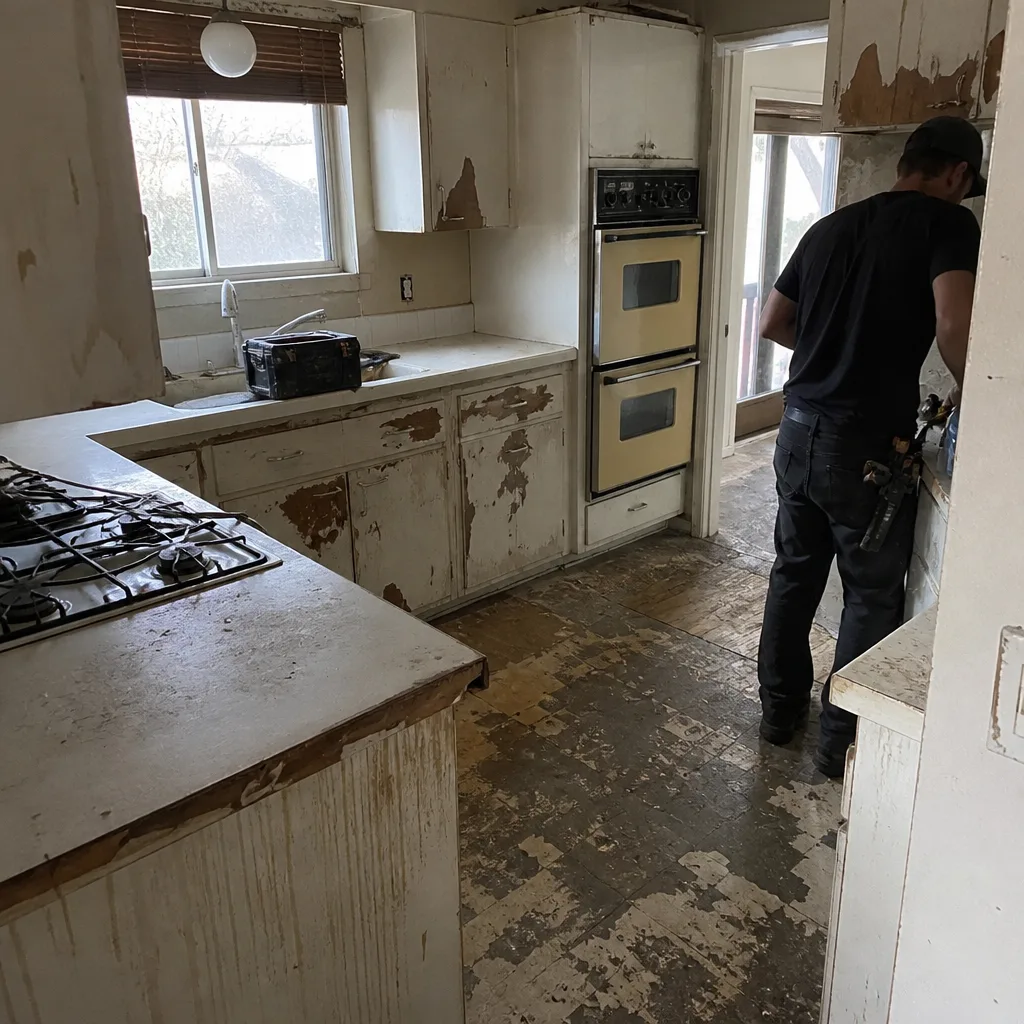 Before
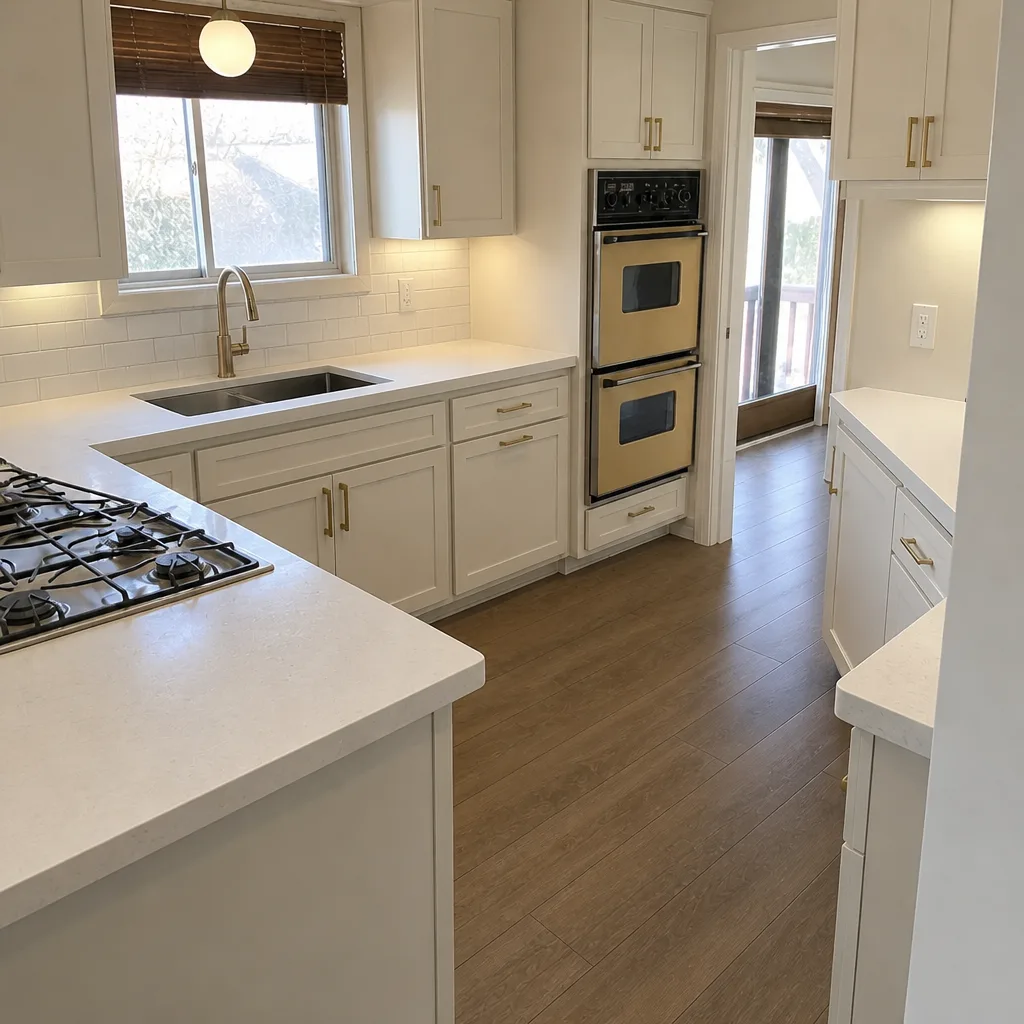 After
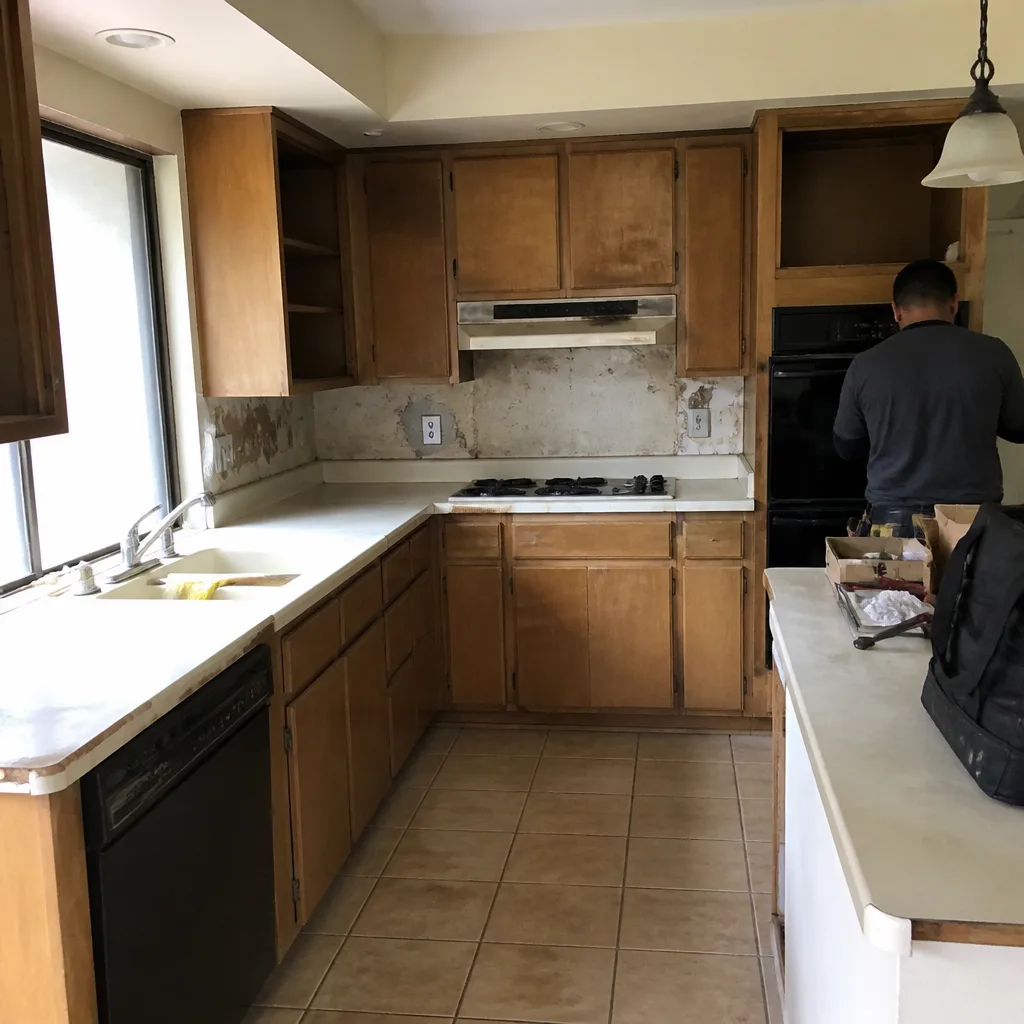 Before
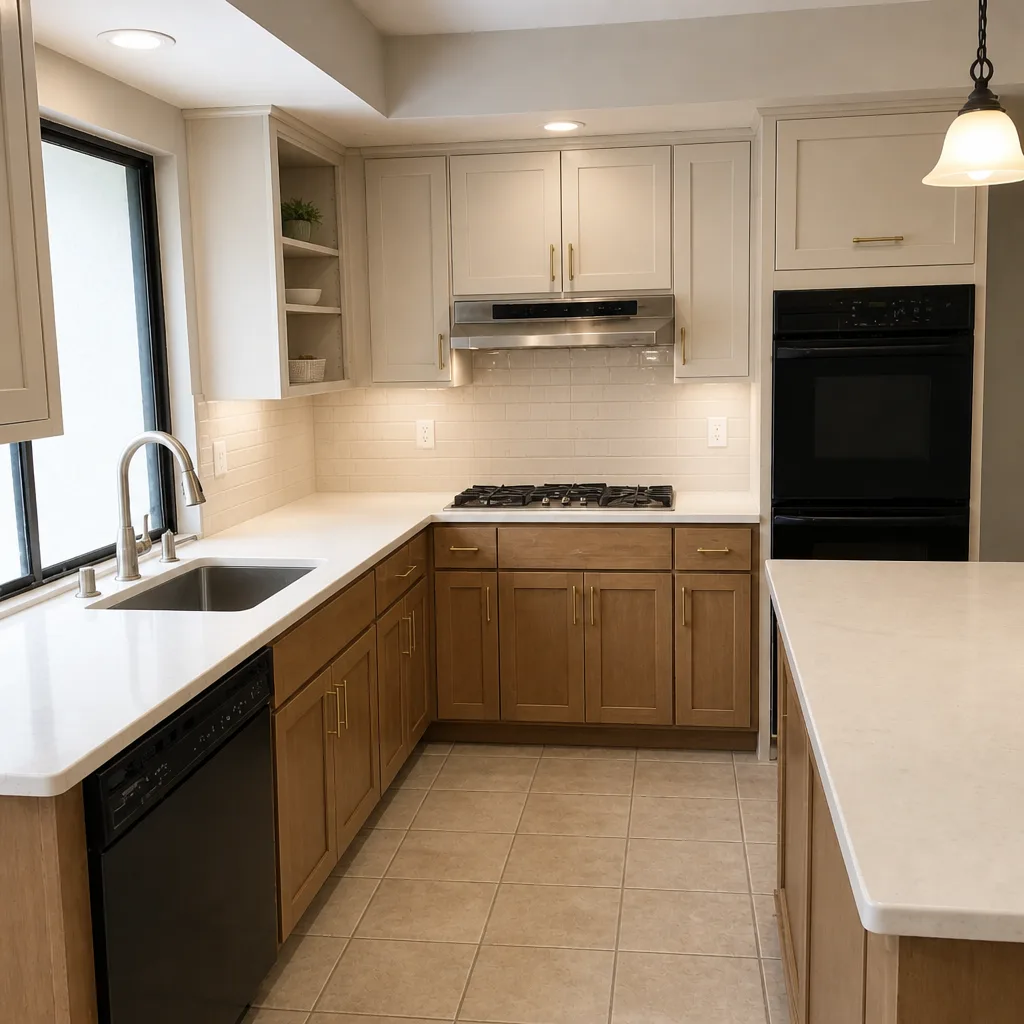 After