Last updated November 17, 2026
Free written scope consultation - allowances, timeline, and change-order rules on paper before a single trade is scheduled
DIY vs Professional Home Additions & ADU: What’s Safe to Do Yourself
In California, an ADU built without permits isn’t just an inspection risk. It’s a property a lender won’t finance and a buyer’s attorney will flag in the first week of escrow. We’ve watched homeowners in Yorba Linda pour a slab, frame a room, wire it themselves, and then discover at resale that the “extra square footage” they paid for can’t be counted, insured, or appraised. The question isn’t whether you can build it yourself. It’s whether the work you do yourself can survive a title search, an insurance claim, and a buyer’s inspection. This guide walks through exactly which scopes California requires a licensed contractor for, the owner-builder permit pathway most DIYers misunderstand, the tasks that are genuinely worth doing yourself, and the real cost of redoing non-compliant work after a failed inspection.
Quick Answer
Structural work, electrical, plumbing, and HVAC on a home addition or ADU require a licensed contractor under California law. An owner-builder can legally self-perform those trades on their own residence if they pull the permits themselves and occupy the home for 12 months, but the exceptions are narrow and the resale disclosure rules are strict. Painting, finish carpentry, landscaping around the addition, and fixture selection are safe to do yourself. Everything structural touches your insurance coverage, your permit record, and your resale value, so it’s rarely worth the savings.
Styles & brands we work with
- Kitchen remodeling
- Bathroom remodeling
- Home additions & ADU
- Roofing
- Windows & doors
- Driveway & pavers
- Fence
Table of Contents
- What you can legally do yourself on an addition or ADU in California
- The owner-builder permit pathway, explained honestly
- The tasks that are genuinely good DIY candidates
- How unpermitted work affects your homeowner’s insurance
- The real cost comparison: labor savings vs. redo cost
- Yorba Linda-specific considerations for additions and ADUs
- Resale, financing, and title search reality
- Common mistakes to avoid
What You Can Legally Do Yourself on an Addition or ADU in California
California law draws a bright line around four scopes: structural work, electrical, plumbing, and HVAC. Those are the trades that require a licensed contractor when the work is part of a permitted addition or ADU, with one exception we’ll cover in the next section. The reason is simple. A failed footing, an improperly tied-in roof, or a gas line that leaks behind drywall isn’t a cosmetic issue. It’s a life-safety issue, and the State Architect and local building departments treat it that way.
Here’s how the scopes break down practically:
- Structural framing, foundations, shear walls, roof tie-ins: Licensed contractor required. In Yorba Linda, additions on the hillside lots east of Imperial Highway get extra scrutiny because of slope and drainage requirements – the building department wants to see stamped engineering on retaining and foundation work, not a homeowner’s sketch.
- Electrical rough and finish: Licensed electrician required for anything behind the wall. Panel upgrades, new circuits, and subpanels all require a permit and inspection.
- Plumbing rough and finish: Licensed plumber required. This includes the drain tie-ins that trip up most owner-builders – a shower pan that drains a quarter-inch off can pass a visual inspection and still pool water under the tile.
- HVAC: Licensed mechanical contractor required. Duct sizing and load calculations are the most common failure point on a converted garage ADU.
- Drywall, paint, finish carpentry, flooring, landscaping, fixtures: These are owner-friendly. No license required to install a vanity, hang a door, or paint a room.
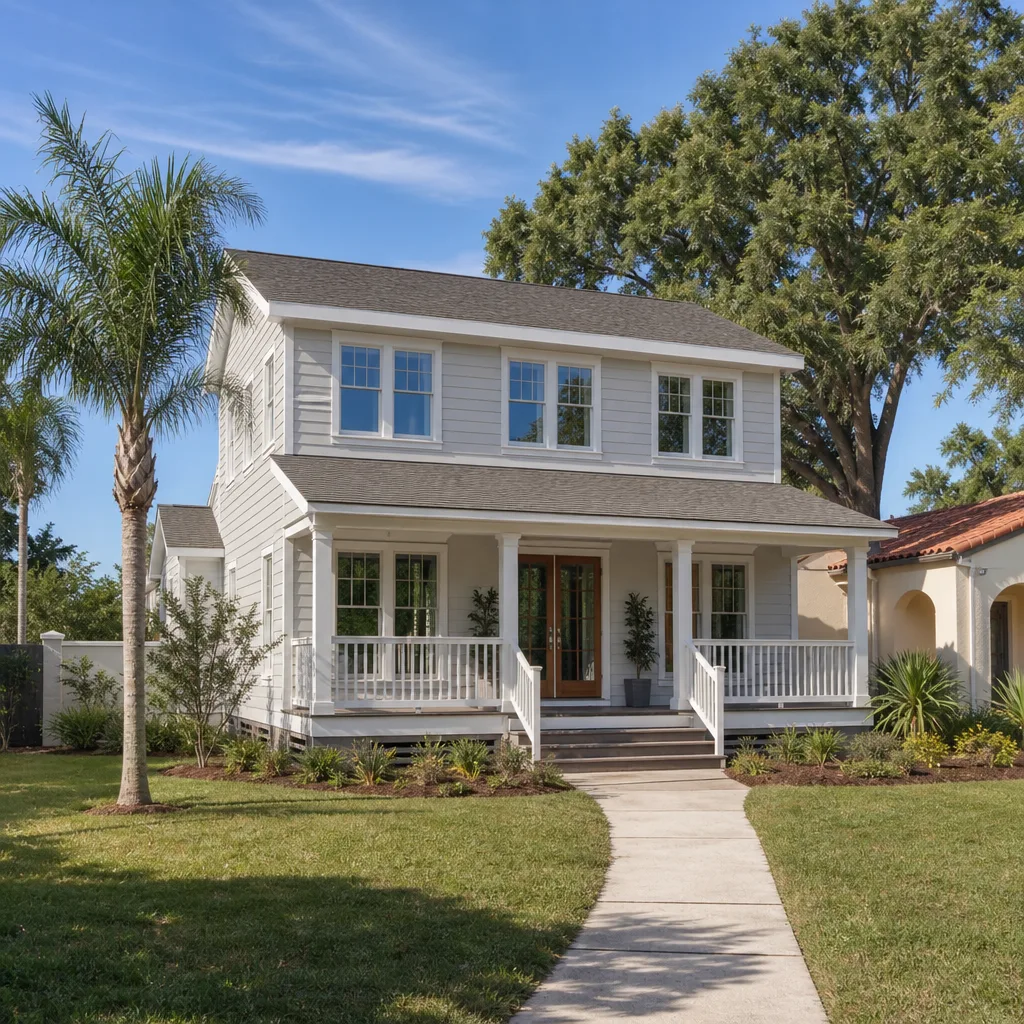
One nuance that surprises people: you can pull your own permits as an owner-builder and act as your own general contractor. That’s legal in California. What isn’t legal is hiring an unlicensed “handyman” to do structural work and calling it DIY. If you’re in Yorba Linda and you want to bring in a crew, that crew needs to be licensed for the trade they’re performing. The good news is that a full-scope contractor handles all of this under one roof – permits pulled, inspections passed, and every trade supervised. That’s what “from foundation to finish line” means in practice, and it’s why most Yorba Linda homeowners who start down the owner-builder path end up handing it off to a licensed team by the framing stage.
The Owner-Builder Permit Pathway, Explained Honestly
The owner-builder exemption in California lets a homeowner pull permits and act as their own general contractor on their own residence – provided they intend to occupy the home for at least 12 months after the work is completed. It’s a real pathway, and a lot of ADU content online presents it as a shortcut to saving 15 to 25 percent of project cost by cutting out the GC. That framing leaves out three things.
First, the owner-builder exemption only applies to work on a property you own and will occupy. You cannot use it on a rental, a flip, or a second home. Second, the exemption transfers the entire liability of the job onto you. If a subcontractor you hired as your own GC walks off the job or installs work that fails inspection, the building department holds you responsible for the fix – not the sub. Third, California Civil Code Section 1102.6 requires a seller to disclose to a buyer when work was performed under an owner-builder permit, and that disclosure appears on the Transfer Disclosure Statement. Buyers and their agents read that line carefully. An owner-built ADU often triggers a professional inspection during escrow, and that inspection frequently finds the small deviations that turn a routine sale into a price reduction.
Here’s what the pathway actually involves, step by step:
- Confirm occupancy and ownership. You must own and intend to live in the home for 12 months after completion.
- Pull permits in your own name. The building department will require you to sign an owner-builder declaration and disclose that you are not a licensed contractor.
- Hire licensed subs for the trades that require a license. Structural, electrical, plumbing, and HVAC work all require a licensed contractor – the exemption doesn’t change that. You become the coordinator.
- Schedule and pass every inspection. Foundation, framing, rough trades, insulation, and final. Missed inspections on buried work usually mean opening walls.
- Disclose at resale. The owner-builder work shows up on your Transfer Disclosure Statement and stays attached to the property’s record.
If any of that sounds like a job you’d rather not own personally, that’s the honest case for using a licensed contractor on an addition in Yorba Linda. Our Home Additions & ADU in Yorba Linda team handles the permits, the inspections, and the trade coordination, so the disclosure at resale says “constructed by licensed contractor” instead of “owner-builder.”
The Tasks That Are Genuinely Good DIY Candidates
We’re not going to tell you to sit on your hands while the crew is on site. There are real places where a homeowner’s time and money are well spent on an addition, and the savings are honest. Here’s where we’ve seen Yorba Linda homeowners genuinely come out ahead on their own:
- Painting. Interior paint and exterior touch-up after the addition is finished is safe and cheap. A gallon of quality paint and a weekend saves you $2 to $4 per square foot versus having it done.
- Finish carpentry. Hanging interior doors, installing trim, mounting closet systems, and setting baseboards are all within reach if you’re careful. The learning curve is short and the mistakes are cosmetic.
- Landscaping around the addition. Sod, planting beds, drip irrigation, and hardscape pathway work don’t require permits. If your addition opens onto a new patio, this is your chance to shape the outdoor space to match. If you’re extending hardscape out toward the street, our Driveway & Pavers in Yorba Linda team handles the structural base work that keeps pavers from settling.
- Fixture selection. Picking the faucet, vanity, cabinet pulls, light fixtures, and door hardware is not just DIY-friendly – it’s the part most homeowners want to own themselves. A curated selection from brands like KraftMaid, Kohler, and Cambria lets you make choices that last without guesswork.
- Fencing around the addition. If you’re enclosing the newly built space with a privacy fence, installation is a reasonable weekend project on a flat lot. On a sloped Yorba Linda property, the grade changes make aluminum systems easier than wood – brands like Ameristar and Master Halco build panels that adapt to slope without sagging.
One safety caveat on the “finish carpentry” bucket: any work that involves drilling or fastening near existing electrical or plumbing is not DIY territory. Before you hang a cabinet or drill into a wall, know what’s behind it. In an addition, that’s usually new construction and you have the framing photos. In the original house, it’s not, and you don’t.
How Unpermitted Work Affects Your Homeowner’s Insurance
Here’s where the DIY conversation usually goes quiet. Your homeowner’s insurance policy has a “dwelling coverage” limit based on the replacement cost of your home as it exists on the policy. If you add 500 square feet of living space without permits, that square footage is not reflected in your coverage. When a fire or water loss takes out the addition, the carrier’s adjuster is going to look at what’s on the permit record and what’s on the policy. Unpermitted construction is the most common reason a claim gets reduced or denied.
Carriers also look at permit history when you try to increase your coverage after an addition. If the addition was permitted and inspected, the carrier accepts the increased dwelling limit without much fuss. If it wasn’t, the carrier may decline to add the square footage until you get it retroactively permitted – and retroactive permitting in Yorba Linda means opening walls for inspection, which often costs more than doing it right in the first place.
The specifics Yorba Linda homeowners should know:
- Dwelling coverage limits are set at the time of policy inception or at an endorsement event. An unpermitted ADU does not raise the limit automatically.
- Claims adjustments look at whether the damaged structure was legally permitted. Most carriers exclude coverage for structures built without required permits.
- Liability exposure is real. If an unpermitted electrical install causes a fire that spreads to a neighbor’s property, your liability coverage may not respond the way you expect.
- Resale escrow routinely involves an insurance binder contingency. If a buyer’s lender sees an unpermitted structure, the loan can be held up until it’s either permitted or excluded from the appraisal.
None of this is hypothetical in Yorba Linda. We’ve seen escrows stall over converted garages and unpermitted patio enclosures that were built decades ago. The fix is usually the same: retroactive permitting followed by repairs to bring the structure up to current code. That’s a conversation we have with homeowners regularly, and it’s cheaper to have the work permitted from the start.
The Real Cost Comparison: Labor Savings vs. Redo Cost
The DIY-vs-pro math most articles present is dishonest. They compare the cost of hiring a pro against the cost of materials for the same scope, then call the gap “savings.” That ignores the time value of the homeowner’s labor, the risk of a failed inspection, and the cost of redoing non-compliant work. Here’s the more honest framework.
What DIY actually saves on an addition in Yorba Linda (typical ranges):
- Interior paint, whole addition: $3,000 – $6,000 saved
- Finish carpentry (doors, trim, baseboard): $2,500 – $5,000 saved
- Fixture installation (vanity, faucets, light fixtures): $1,500 – $3,500 saved
- Landscaping around the addition: $2,000 – $8,000 saved
- Total realistic DIY savings on the finish side: $9,000 – $22,500 on a typical 500 square foot addition
What DIY costs you when it goes wrong (typical Yorba Linda ranges):
- Failed framing inspection, requiring opening and reframing: $4,000 – $12,000
- Electrical rough-in correction after failed inspection: $2,500 – $7,000
- Plumbing re-do for drain slope or venting: $3,000 – $9,000
- Roof tie-in rework after water intrusion: $5,000 – $15,000
- Retroactive permitting on an unpermitted addition: $6,000 – $20,000, plus construction correction costs
- Insurance claim reduction or denial: the difference between replacement cost and policy limit, which on an addition can be tens of thousands
A single failed inspection almost always erases the entire finish-side savings. Add in resale friction and insurance exposure, and the math shifts decisively toward licensed construction. It’s not that DIY can’t be done – it’s that the downside on the structural side is asymmetric and expensive.
Yorba Linda-Specific Considerations for Additions and ADUs
Yorba Linda has a few characteristics that change the DIY-vs-pro calculus compared to flat inland cities. First, the terrain. Properties on the hillside streets east of Imperial Highway and around the Yorba Linda Country Club often sit on grade changes that require retaining walls, reinforced foundations, or pier-and-grade-beam systems. Those aren’t homeowner-specifiable scopes – they require engineering, and engineering requires a licensed professional to design and defend the plan with the building department.
Second, the ADU specifics. Yorba Linda follows California’s statewide ADU law, which allows ADUs on most single-family lots, but the actual square footage, setbacks, and parking requirements depend on the parcel. A detached ADU near the rear property line might be allowable at 1,000 square feet on one lot and capped at 850 on the neighboring parcel. That’s an over-the-counter conversation with the planning department, and it’s often the difference between a design that’s buildable and one that isn’t. In Yorba Linda, we see this most often on canyon-edge lots where drainage requirements push the design footprint around.
Third, the climate. Yorba Linda sits in a warm inland zone with real summer heat and dry Santa Ana wind events. That affects an addition more than most homeowners expect:
- Attic ventilation and roof design for a new addition must account for heat buildup in July and August, which means ridge vents and adequate soffit intake – not just standard gable vents.
- Stucco and exterior wall assembly needs proper weather-resistive barriers and weep screeds to handle the occasional heavy rain event without stucco cracking.
- Fencing around an addition needs wind-rated panels in exposed areas. Ameristar aluminum systems and Bufftech vinyl panels handle the Santa Ana wind loads better than standard wood fencing, which is why we see them on hillside properties throughout Yorba Linda.
- Grading and drainage around a new foundation matters more here than on flat lots. If the addition changes the drainage pattern on a sloped lot, you need a civil engineer or a licensed contractor who knows the terrain.
If you’re considering an addition or ADU in Yorba Linda, the planning-consultation step is where we earn our keep. Our team walks the property, reads the parcel against the current zoning, and tells you what’s actually achievable – not just what you want to hear. That conversation is free, and it saves most homeowners months of design work on a plan that would have been kicked back at the counter.
Resale, Financing, and Title Search Reality
This is the part that catches homeowners off guard. An unpermitted addition doesn’t just fail inspection – it changes what your property is, in the eyes of anyone who will ever finance or insure it. Here’s the sequence most homeowners discover after the fact.
- Appraisal. The appraiser counts the addition’s square footage, then pulls the permit record. If the record doesn’t match the structure, the appraiser values the property based on the permitted square footage only. That drop is often 80 to 120 dollars per square foot.
- Lender underwriting. The buyer’s lender reviews the appraisal and the permit record. Unpermitted structures can trigger a condition that requires retroactive permits before the loan closes.
- Title search and disclosure. The owner-builder work shows up on the transfer disclosure, and if permits were never pulled, some title companies will ask for a recorded statement or an exclusion.
- Buyer’s inspection. A buyer’s attorney or inspector who flags unpermitted work starts a negotiation the seller rarely wins. The most common outcome is a price reduction equal to the cost of permitting, correction, and the buyer’s risk premium.
The counterpoint is simple: permitted work sells and finances normally. When you’re ready, our team can help you think through what a permitted addition adds to your Yorba Linda home’s value. The short answer is that permitted square footage pays for itself at resale in this market – unpermitted square footage subtracts. If you’ve inherited an unpermitted addition from a previous owner, we handle those retroactive permitting conversations regularly, and it’s usually more workable than it looks.
Common Mistakes to Avoid
- Assuming “owner-builder” means “no license needed.” It only exempts you from acting as a GC on your own occupied property. Structural, electrical, plumbing, and HVAC still require licensed trades, and the building department will ask for those licenses at final inspection.
- Skipping the site survey on a Yorba Linda hillside lot. Building on the wrong side of a setback line means demolition, not a fix. The setback on a slope frequently differs from the flat-lot number online, and only a survey confirms it.
- Buying an unpermitted ADU as a “value add.” If the seller’s ADU isn’t permitted, the price you’re paying includes square footage the appraiser won’t count. That’s a value trap, not a deal, and it shows up in escrow.
- Self-installing rough plumbing on a bathroom addition. Drain slope is measured in fractions of an inch per foot. A shower that looks fine and pools water is the most common rework item we see.
- Forgetting the insurance endorsement. Adding a permitted addition without updating your dwelling coverage leaves you underinsured for the new square footage. Call your carrier once the final inspection passes.
- Treating fencing and paving as pure cosmetic work. A privacy fence that meets Yorba Linda’s height rules and wind loads needs the right panels – Ameristar and Master Halco systems are what we see work in hillside conditions. When it’s a fencing scope around an exposed property, that’s our Fence Installation in Yorba Linda territory.
- Choosing a contractor on the lowest bid alone. On additions, the low bid usually means underbidding the finishes or the permit costs, and the difference gets billed as a change order. Upfront pricing with a written line-item quote is the only way to compare bids honestly. It’s one reason our 730-Day Done Right Promise exists – if we get it wrong, we make it right for two full years.
See the difference
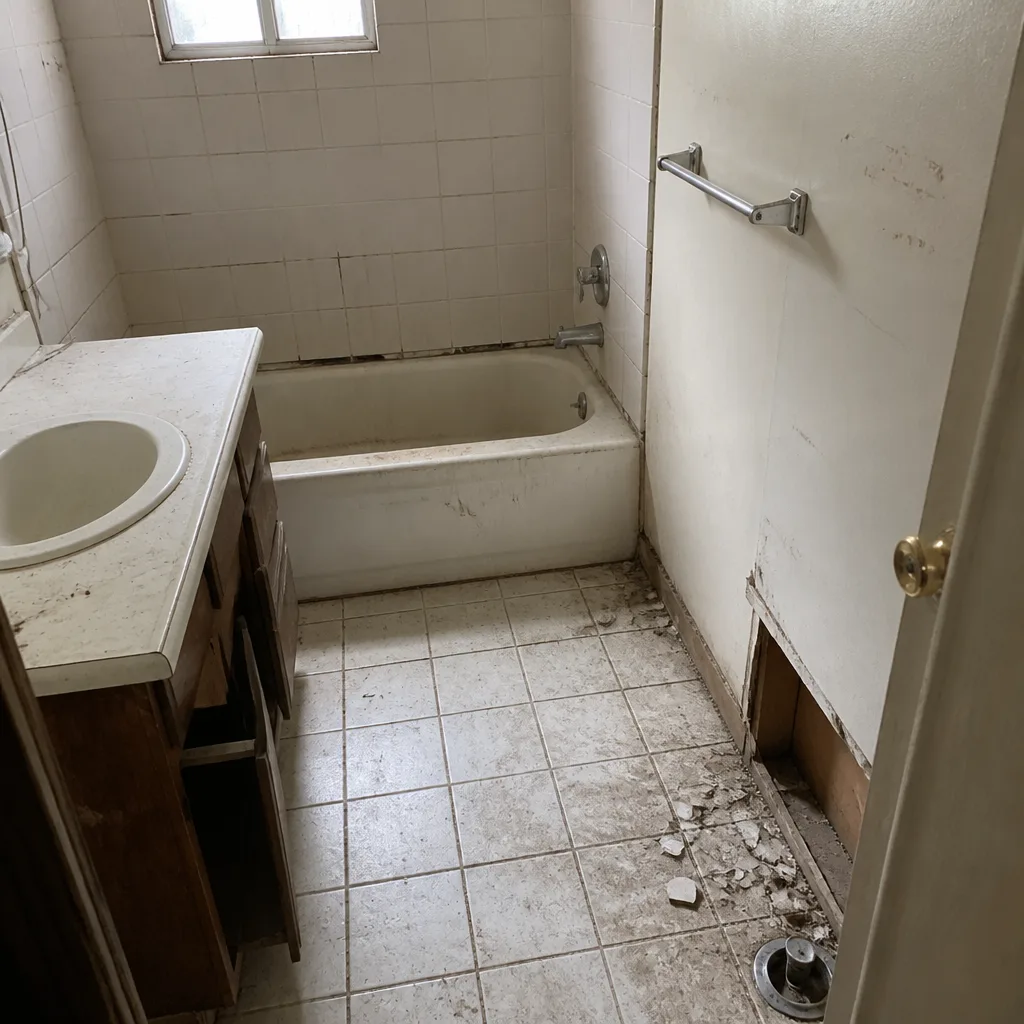 Before
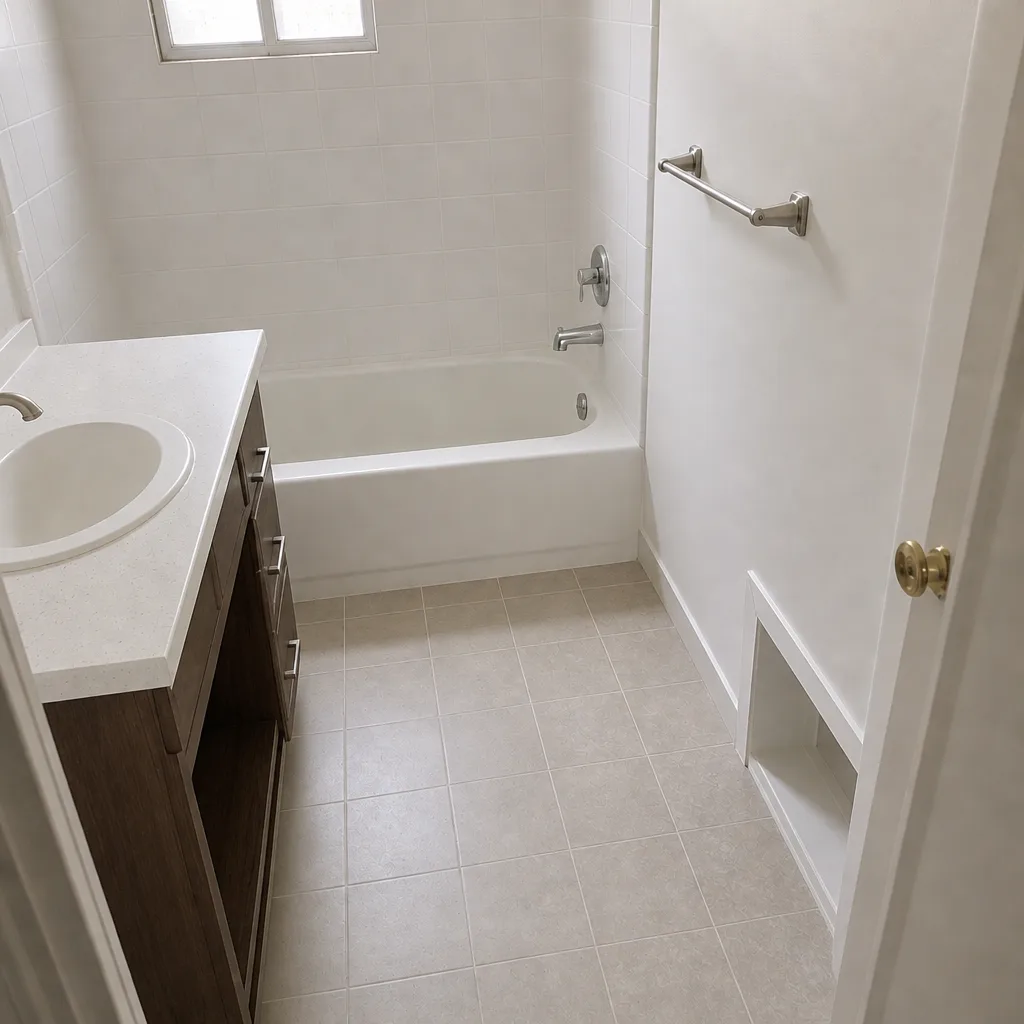 After
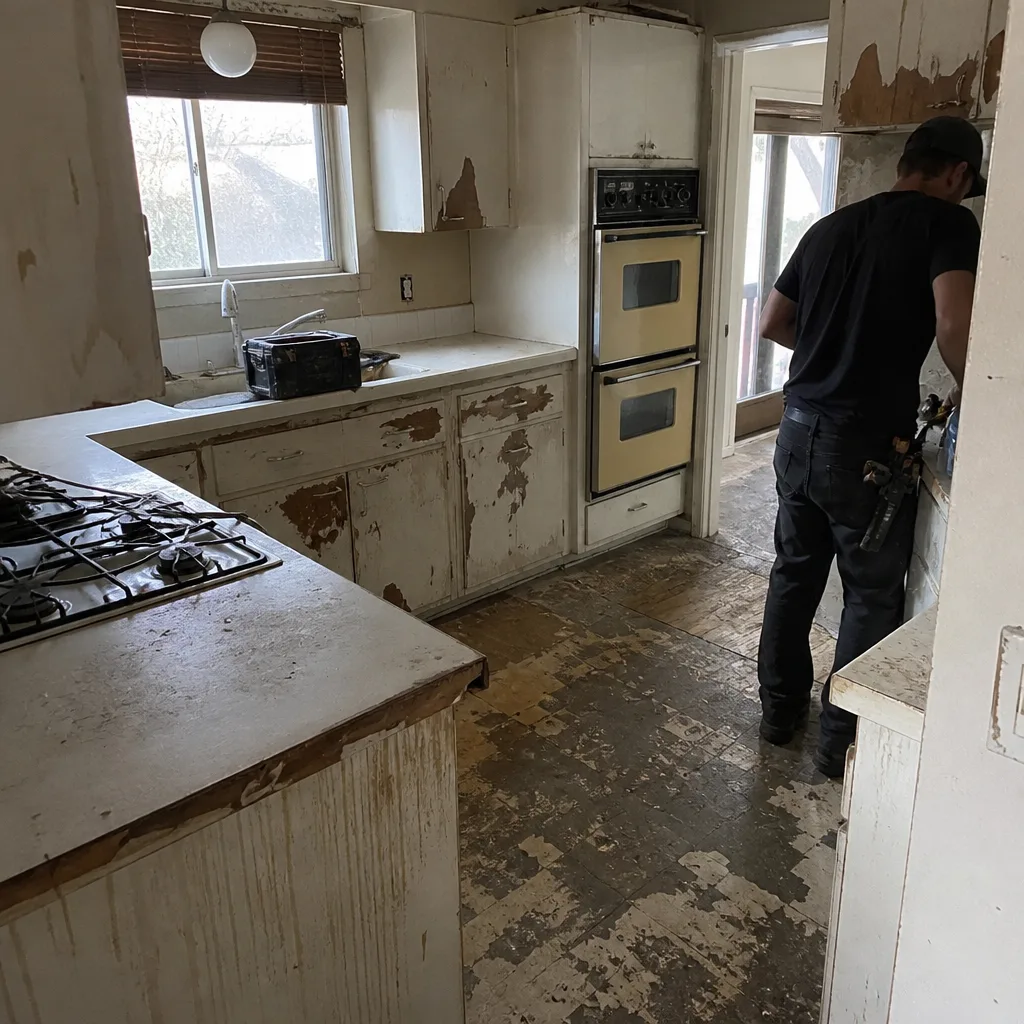 Before
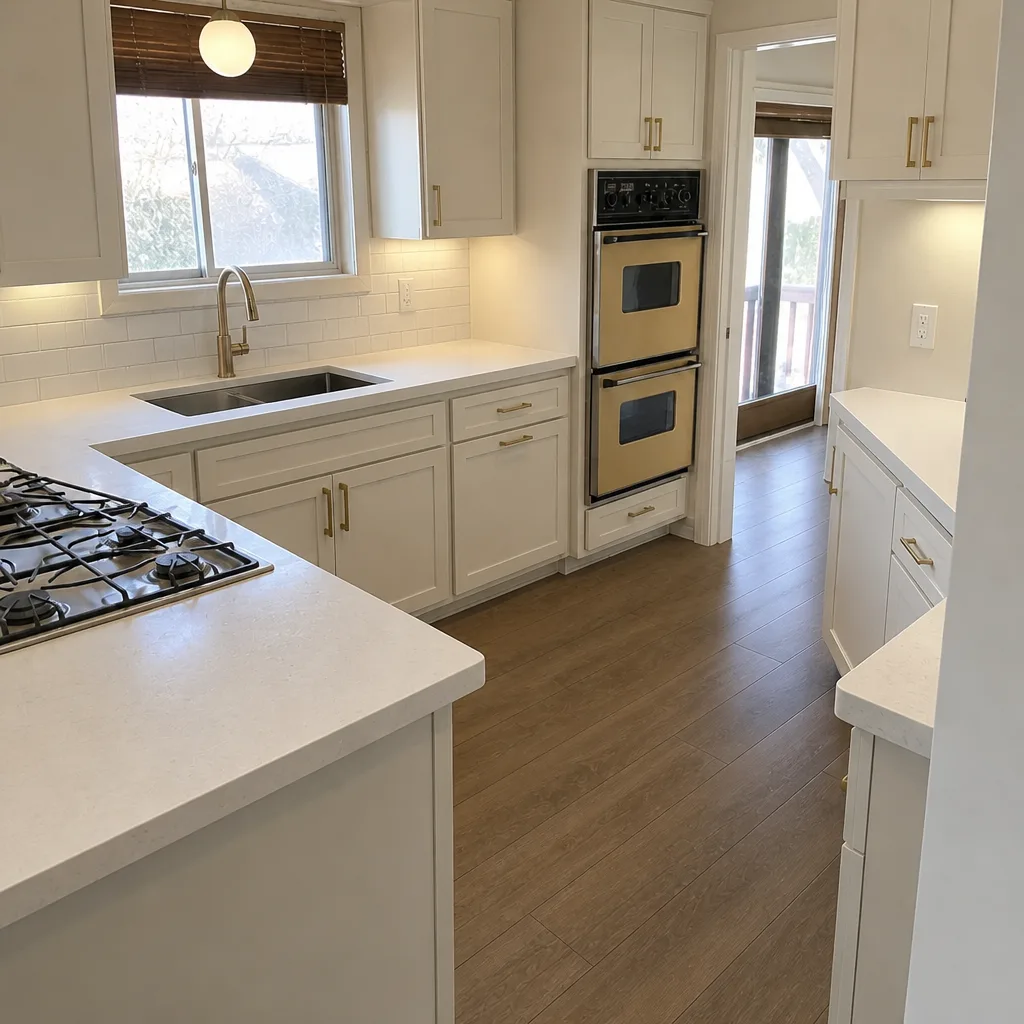 After
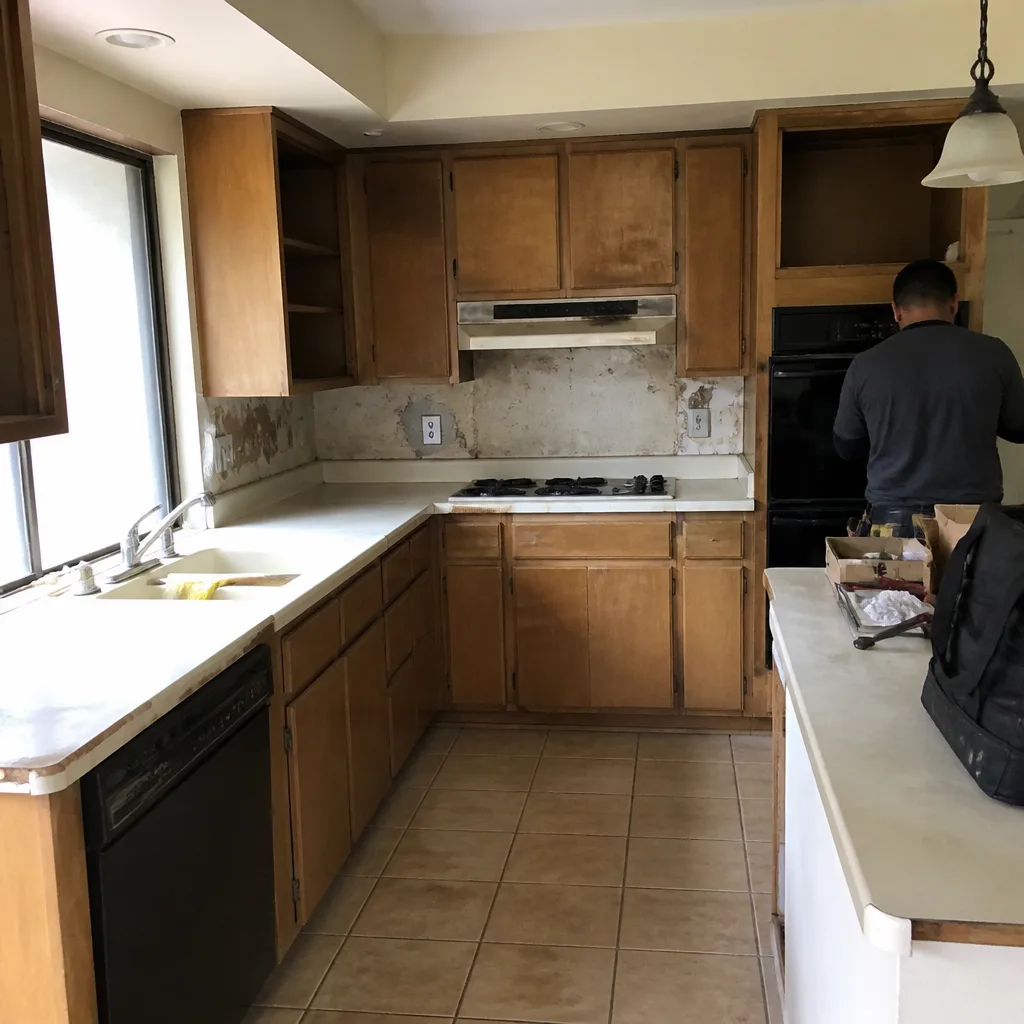 Before
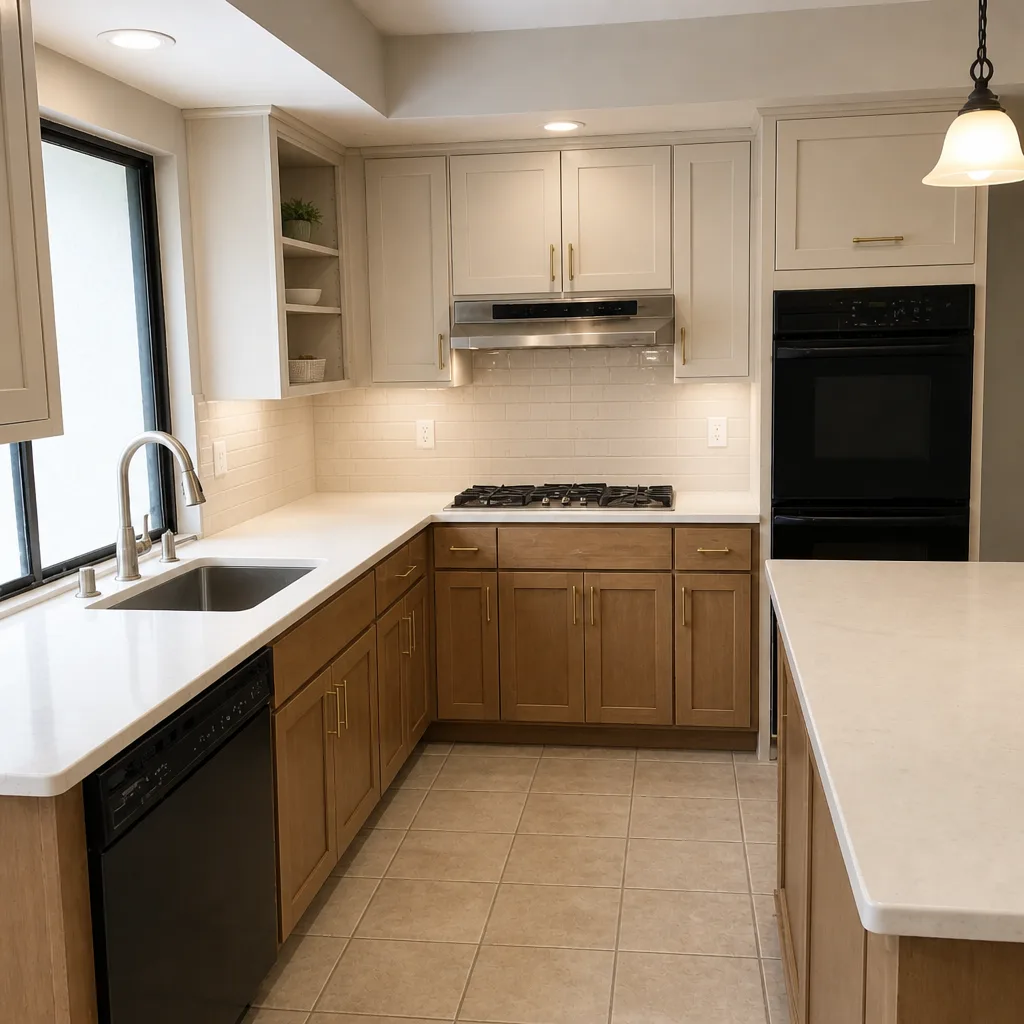 After
When to Call a Professional
Call a licensed contractor the moment the scope involves structural change, a new foundation, electrical service work, plumbing rough-in, HVAC, or anything that touches the roof line. Call us sooner if you’re on a Yorba Linda hillside lot with grade or drainage complications, if your property has any chance of a boundary or setback issue, or if you’ve inherited unpermitted work from a previous owner. And call us before you buy materials if you’re not certain about the permit scope – it’s cheaper to ask than to demo. Groundwork Construction Co. of Yorba Linda offers free estimates in Yorba Linda. Call (888) 255-9354 to schedule yours – a live person answers 24/7, and you’ll leave the call with a written line-item quote, not a range on a napkin. Our technicians bring up to 12 years of experience to every project, and every job is backed by our 730-Day Done Right Promise.
Frequently Asked Questions
Yes, if you own and occupy the property and pull the permits as an owner-builder, you can act as your own general contractor on an ADU in Yorba Linda. You cannot do the structural, electrical, plumbing, or HVAC work yourself – those trades require a licensed contractor, and you’re responsible for hiring and coordinating them. You also have to disclose the owner-builder construction on the Transfer Disclosure Statement when you sell, within 12 months or later. Call (888) 255-9354 if you’d rather hand the permit coordination to a licensed team – estimates are free.
Your dwelling coverage limit won’t reflect the additional square footage, and most carriers exclude coverage for structures built without required permits, so a claim on the unpermitted portion can be reduced or denied. To fix it, you’ll need retroactive permits and inspection – which in Yorba Linda usually means opening walls. Getting permits up front is cheaper than fixing coverage later. Call (888) 255-9354 to talk through permitting before you break ground.
An attached or detached ADU in Yorba Linda typically runs $180,000 to $350,000 depending on size, site conditions, and finish level, and the honest DIY savings cap out at 8 to 15 percent – almost entirely on the finish side. Realistic savings on paint, fixtures, finish carpentry, and landscaping run $9,000 to $22,500. Attempting the structural side yourself usually costs more in rework than it saves. Call (888) 255-9354 for a free estimate with a written line-item quote.
Yes. An appraisal pulled during escrow values the property based on permitted square footage only, so unpermitted additions don’t add to the appraisal even if they were built well. The buyer’s lender can require retroactive permits before closing, and the transfer disclosure flags owner-builder work. Permitted work finances and sells normally; unpermitted work frequently triggers a price reduction equal to the correction cost. Call (888) 255-9354 to get ahead of a permitting issue before you list.
No. California requires a licensed electrician for electrical work behind the wall (including panel upgrades and new circuits) and a licensed plumber for rough-in and finish plumbing on an addition. The owner-builder exemption doesn’t change that – it only lets you act as your own general contractor. There’s no safety-equivalent shortcut; a failed inspection on buried work usually means opening walls. Call (888) 255-9354 if you want licensed trades coordinated under one contract.
California requires an owner-builder to occupy the residence for at least 12 months after work is completed, and to disclose on the Transfer Disclosure Statement whenever the property is sold that the work was done under an owner-builder permit. The 12-month occupancy is a restriction on using the exemption, not a full disclosure window – the disclosure attaches to the property’s record. If you’re considering the owner-builder pathway, read the declaration the building department gives you carefully before you sign. Call (888) 255-9354 if you’d like a second read on what the exemption means for your specific Yorba Linda property.
The Bottom Line
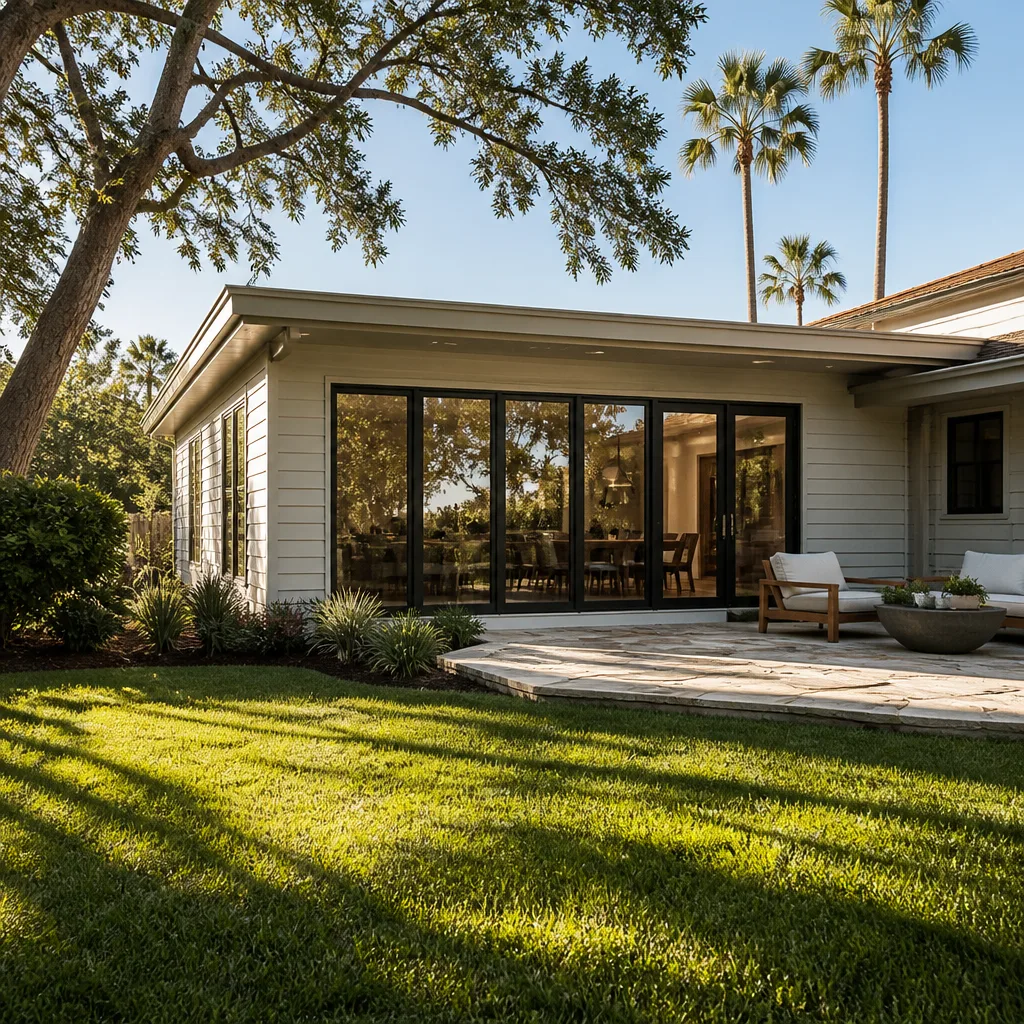
DIY is a real option on an addition or ADU – just not on the structural, electrical, plumbing, or HVAC scopes. On those trades, the honest math runs against the homeowner almost every time, because a single failed inspection can erase the entire finish-side savings. The right split is straightforward: paint, finish carpentry, landscaping, and fixtures belong to you; the permit, the framing, the trades, and the final inspection belong to a licensed team. Get those right, and the disclosure at resale reads “constructed by licensed contractor.” Do it yourself, and the disclosure reads “owner-builder” – which is the line that costs a home its appraisal and its coverage. Starting with a free estimate and a written line-item quote will tell you in an hour what a DIY attempt might take a year to discover. Groundwork Construction Co. of Yorba Linda builds additions and ADUs the same way we build everything else – from foundation to finish line, backed in writing by our 730-Day Done Right Promise. For a whole-property view of what we do, see our Groundwork Construction Co. of Yorba Linda home page.
Ready to price your addition or ADU the honest way? Call Groundwork Construction Co. of Yorba Linda at (888) 255-9354 for a free estimate. A live person answers 24/7. You’ll get a written line-item quote, background-checked technicians on every job, and a team that shows up in uniform. Ask about our 0% financing for 18 months and $1,000 off projects over $10,000. Every project runs on upfront pricing, no surprises.
Written by the team at Groundwork Construction Co. of Yorba Linda.