Last updated November 17, 2026
Free written scope consultation - allowances, timeline, and change-order rules on paper before a single trade is scheduled
DIY vs Professional Driveway & Pavers: What’s Safe to Do Yourself
Renting a plate compactor doesn’t mean you’ll achieve professional base compaction. The number of passes, the lift thickness, and the moisture content of the aggregate all have to be dialed in, and a weekend renter has no way to test whether any of it was right until the driveway starts sinking two winters later. That’s the honest dividing line, and it runs through the middle of most DIY paver plans. We’ve seen Yorba Linda homeowners save real money on some tasks and lose thousands on others. This guide draws the line clearly so you don’t have to discover it by failing.
Quick Answer
Safe DIY paver work is limited to surface-level tasks: cutting and fitting border pavers, resetting isolated sunken stones, and applying sealer once a driveway is sound. Everything below the surface – excavation, grading, sub-base compaction, edge restraint engineering, and drainage slope – should be handled by a licensed contractor because the equipment and testing required to verify it are not available to homeowners. Base failure is silent until it isn’t, and by then the repair cost dwarfs what a professional install would have run.
Styles & brands we work with
- Kitchen remodeling
- Bathroom remodeling
- Home additions & ADU
- Roofing
- Windows & doors
- Driveway & pavers
- Fence
Table of Contents
- What “DIY” Actually Means in Driveway Work
- The Tasks a Motivated Homeowner Can Safely Handle
- Why Base Preparation Is 70% of a Driveway’s Lifespan
- The Real Cost of DIY (Equipment, Waste, and the Fix)
- What California Licensing Law Says About Driveway Work
- Questions That Verify Your Contractor Is Actually Engineering the Base
- Yorba Linda Climate, Soil, and HOA Context
- When to Call a Professional
What “DIY” Actually Means in Driveway Work
Most driveway DIY stories start with a patio. Someone laid 200 square feet of pavers behind their house, it came out beautiful, and now they’re looking at 1,200 square feet of driveway and thinking “same job, bigger scale.” The mechanical demands are not the same category of work. A patio sits on soil that never carries a vehicle. A driveway carries a 4,500-pound SUV rolling over it hundreds of times a year, plus the point loads of jacks, delivery trucks, and whatever the Yorba Linda hillside soil decides to do in a wet season.
Here’s what shifts between the two:
- Load class: Patios handle foot traffic. Driveways handle vehicle loading, which means the base aggregate class, compaction density, and edge restraint all ratchet up.
- Drainage: A patio can pitch away from the house and call it done. A Yorba Linda driveway has to shed stormwater toward the street or a drain without pooling against the garage slab or undermining the neighbor’s slope.
- Excavation depth: An 8-inch base plus 2-3 inches of bedding and pavers means digging 10-12 inches across the entire footprint – typically 15 to 30 cubic yards of spoil to move and dispose of.
- Compaction verification: A compacted sub-base is defined by density testing, not by “it looks flat.” Homeowners have no way to prove the base passed.
- Edge restraint: Without a properly embedded edge restraint, pavers will walk and spread within a few seasons.
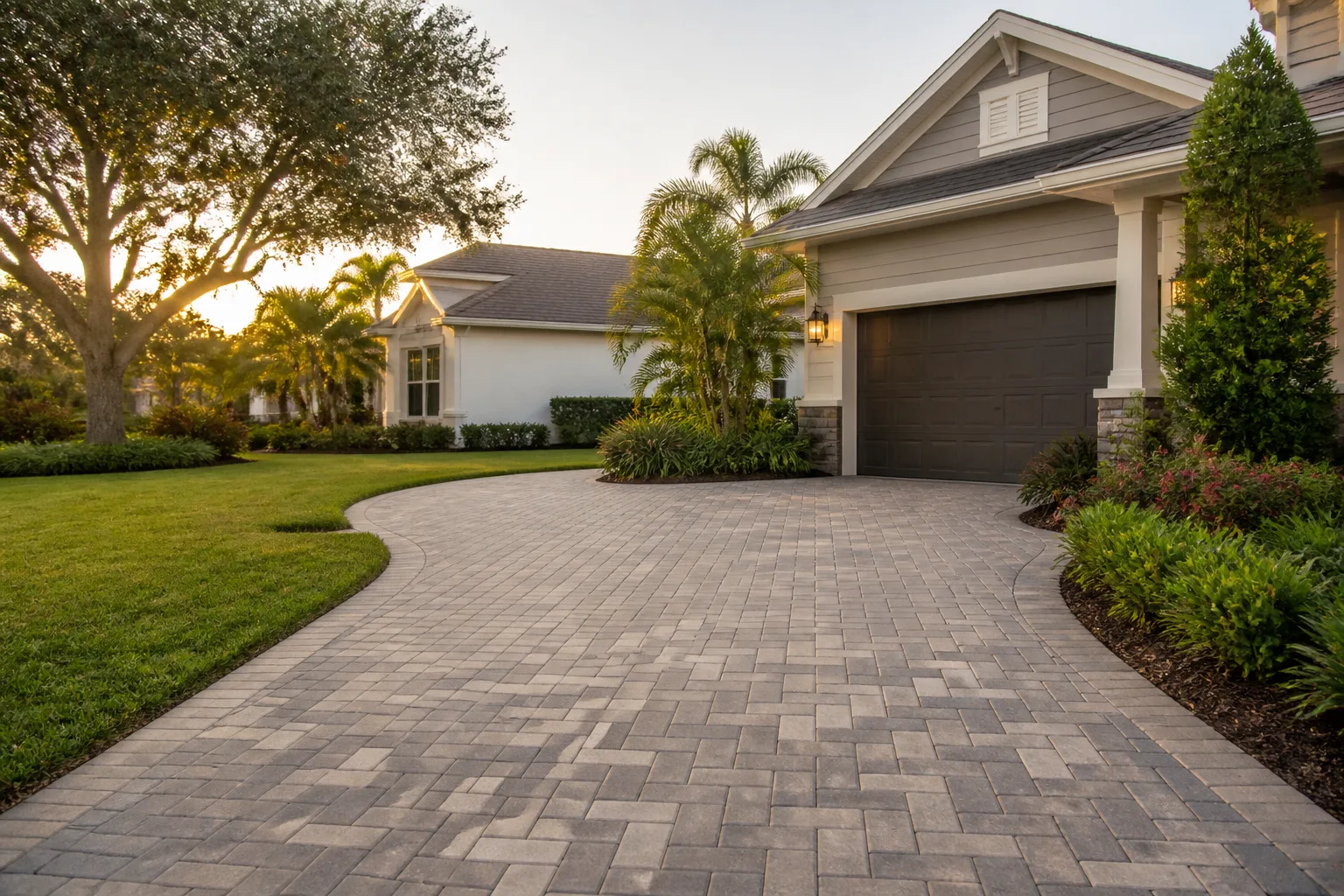
In our experience across Orange County, the homeowner who successfully handles a patio has the hands for the surface work. The problem is that surface work is maybe 25% of a driveway install. The other 75% is invisible once the pavers go down, which makes it the easiest place to cut corners and the most expensive place to be wrong. If you’re comparing approaches, it’s worth understanding what a proper Driveway & Pavers in Yorba Linda install actually involves before you decide what to take on yourself.
The Tasks a Motivated Homeowner Can Safely Handle
Not every driveway task is out of reach. There are three specific jobs where a homeowner with patience and the right hand tools can genuinely save money and do quality work. The trick is knowing precisely where the line sits.
1. Cutting and fitting border pavers
Border courses are surface work. With a wet saw, a chalk line, and some care, you can cut pavers for corners, around curves, and at the apron edge. The mistake we see is homeowners trying to cut pavers with a circular saw and a masonry blade – it works but it produces chipped edges and dangerous dust. A rented wet tile saw runs $80-$120 per day in Yorba Linda and does a cleaner job. Leave the field pattern to whoever installed it so your borders stay consistent.
2. Resetting isolated sunken stones
One or two pavers that have settled a half-inch after a wet winter can be pulled, the bedding sand refreshed, and the stones reset with a rubber mallet and a level. This is the most homeowner-friendly repair. What you cannot do is reset a whole five-foot area that’s sunk – that indicates base failure, and re-bedding the surface will buy you a few months before it happens again.
3. Applying sealer
On a driveway that’s structurally sound, applying a penetrating or film-forming sealer is a genuine DIY win. It’s a two-day project (clean one day, seal the next), costs $150-$300 in materials for a typical Yorba Linda driveway, and protects against UV fading and stain absorption. Do not seal a driveway in the first 60-90 days after install, and never seal if the pavers look damp underneath – trapped moisture will cause hazing.
That’s the safe list: three tasks. If you’re looking at a repair that goes past these, the honest answer is that you’re in contractor territory. A paver driveway shares a lot of engineering logic with other hardscape work, and a fix-and-flip approach tends to fail on the same base layers whether you’re repairing a driveway or a Fence Installation in Yorba Linda wall – the below-grade prep is what lasts.
Why Base Preparation Is 70% of a Driveway’s Lifespan
The pavers themselves are the visual cap on a structure built entirely in the dirt. They account for maybe 20-25% of the cost and roughly 30% of the lifespan. Base prep is the other 70%, and it’s where nearly every failed DIY driveway we’re called out to inspect went wrong.
Professional base prep works in five stages:
- Excavation and grading. Dig to a depth determined by the soil class and load. Yorba Linda sits on a mix of clay-heavy soils and decomposed granite, both of which compact differently and change the depth calculus.
- Geotextile placement. A separation fabric prevents subgrade soil from migrating up into the aggregate base. Skip it and the base becomes contaminated and loses load capacity within a year.
- Aggregate placement in lifts. Base aggregate goes down in 4-inch lifts, never all at once. Each lift is compacted before the next goes on.
- Moisture conditioning. Gravel compacts best at an optmium moisture content – roughly 6-8% by weight for typical Class II base. Too dry and it won’t bind. Too wet and you get a spongy base that looks solid until the first heavy rain.
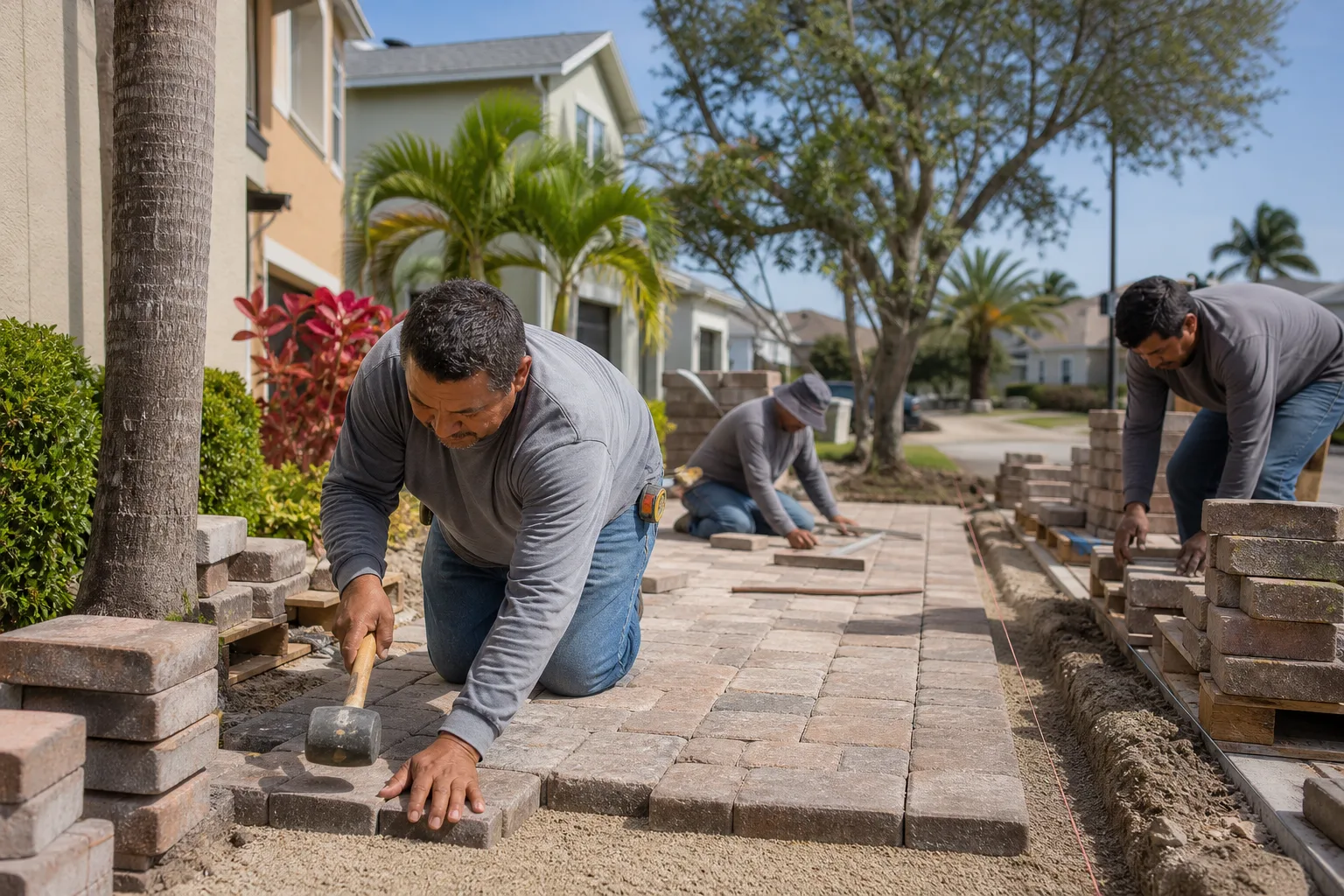
- Compaction passes. A ride-on vibratory roller or a plate compactor with enough mass (typically 300-500+ pounds) makes 4-8 passes per lift. This is where DIY almost always stops short – a rental plate compactor weighs 150-200 pounds and a home renter cannot verify density after the fact.
The reason this matters for Yorba Linda specifically is that the hillside properties in neighborhoods like Vista Del Mar and the streets above Yorba Linda Boulevard often sit on graded slopes where soil behavior varies block to block. A base that was fine at the top of the hill may be underbuilt three houses down. If you’re planning a driveway alongside other site work – grading for a Home Additions & ADU in Yorba Linda project, for instance – the base prep for the driveway should be planned in the same pass as the structure’s site grading, not tacked on later.
The Real Cost of DIY (Equipment, Waste, and the Fix)
The math most homeowners run before starting a DIY driveway misses three expensive line items: equipment rental, material waste from cutting and damage, and the cost of fixing a failed install. Here’s what a 1,200-square-foot paver driveway actually runs in Yorba Linda in 2026 dollars.
| Line item | Professional install | DIY install |
|---|---|---|
| Paver material (Belgard or equivalent) | $3,000 – $4,500 | $3,000 – $5,200 (10-30% waste from cutting errors) |
| Base aggregate & bedding sand | $800 – $1,200 | $800 – $1,400 (mis-ordered quantity) |
| Geotextile | $150 – $300 | $150 – $300 |
| Plate compactor rental (multiple weekends) | Included | $400 – $700 |
| Wet saw rental | Included | $160 – $240 |
| Spoil hauling and disposal | Included | $400 – $900 (dumpster + tip fees) |
| Edge restraint and stakes | Included | $200 – $350 |
| Labor | $2,500 – $4,000 | Your weekends, 3-5 weeks typical |
| Permit / inspection (if required) | $150 – $400 | $150 – $400 |
| Total before failure | $7,300 – $11,200 | $5,260 – $9,490 |
Those numbers look close. Now add the fix. When a DIY base fails – and in our experience roughly seven out of ten homeowner-installed paver driveways in Orange County show some form of base settling within five years – the remediation involves pulling every paver, removing the failed base, re-excavating, re-installing correctly, and relaying. That repair runs $6,000 to $10,500 on the same 1,200-square-foot driveway. The DIY savings of $500 to $2,000 evaporates the moment the base needs to come up, and then some.
The equipment rental piece deserves its own callout. A rental plate compactor is a great tool. It is not a substitute for a ride-on vibratory roller on a driveway base, and no amount of passes closes the gap. Rental yards in Yorba Linda will tell you most homeowners bring the compactor back having used it for four or five hours, which on a 1,200-square-foot driveway is roughly a quarter of the compaction time the base actually requires.
What California Licensing Law Says About Driveway Work
California contractor law has a specific threshold that matters here. Under Business and Professions Code Section 7048, any home improvement project – including driveway and paver work – that totals $500 or more in labor and materials combined must be performed by a contractor licensed by the California State License Board. Not $500 in labor. $500 in the combined total.
That threshold catches nearly every driveway project a homeowner in Yorba Linda would hire for. A single paver repair at the apron might fall under it. A full driveway install, a base remediation, or a rebuild absolutely does not.
What happens if a homeowner hires unlicensed labor for the work:
- The homeowner becomes the “employer of record” for injury and workers’ compensation purposes. If a worker is injured on the property, the homeowner can be on the hook for medical costs.
- There is no CSLB complaint process. If the work is defective, the homeowner has no licensing board to escalate to – only civil court.
- Unpermitted work can complicate a future home sale. Disclosure requirements in California mean the driveway issue follows the house.
- Structural or grading work performed unlicensed can trigger code enforcement action, particularly on Yorba Linda properties with slope or drainage implications.
Getting a license number from a contractor and verifying it at the CSLB website takes two minutes. It is the single fastest way to separate a legitimate paver contractor from a handyman working outside his scope.
Questions That Verify Your Contractor Is Actually Engineering the Base
Most homeowner-contractor conversations stall on the pavers themselves – “What brand? What pattern? What color?” The pavers are the easy part. The following questions separate contractors who engineer a driveway from contractors who lay stone on top of whatever is already there. If a bidder can’t answer questions 1, 2, and 3 clearly and confidently, they’re not engineering the base.
- “What depth are you excavating and why?” The right answer ties excavation depth to the existing soil class and expected load. Any answer over 8 inches for residential vehicle loading without explanation, or under 6, deserves a follow-up.
- “What aggregate class are you using, and how many lifts?” Class II base is standard. Lifts should be 4 inches maximum with compaction between each. Anyone who says “we just bring the base up to grade and compact once” is describing a failure.
- “How do you verify compaction?” Professional crews may use a nuclear density gauge, or they may rely on specified pass counts and moisture control. Either answer is acceptable if backed by process – “we don’t” is not.
- “Where does the water go, and what’s the slope?” Typical driveway slope is 2% away from the structure. Yorba Linda properties sometimes need a transition drain at the apron. If the contractor just says “it drains to the street,” ask what happens at the low spot.
- “What’s the edge restraint, and how is it anchored?” Proper restraint is a spiked aluminum or PVC edge, embedded in concrete or with 10-12 inch spikes every 12 inches. Without it, the field walks.
- “What’s the workmanship warranty, and does it cover the base?” A one-year warranty that covers pavers but not base is a red flag. Base failures emerge in year two to four.
- “Are you licensed, and can I see the number?” Verify at cslb.ca.gov before signing anything.
The contractors who score well on all seven of those questions charge more per square foot than the contractors who don’t. That premium is not overhead – it’s the difference between a driveway that lasts 25 years and one that lasts 5. A hardscape project lives or dies on those answers, and the same logic holds for other trades you’re likely evaluating alongside it. Material quality compounds the base quality – which is why brand partners matter. Andersens and Marvins on windows, GAF and Owens Corning on roofs, Belgard and similar tier-one lines on pavers – the brand choice affects the ceiling on how long the installation can last. Cheaper materials built over a proper base will still age gracefully. Premium materials over a bad base will fail on schedule with everything else.
Yorba Linda Climate, Soil, and HOA Context
Yorba Linda is not a generic Southern California driveway market, and treating it as one is how out-of-area installers end up with callbacks. Three local realities shape every paver project here.
Clay-heavy soil and slope behavior. Much of Yorba Linda sits on expansive clay soils, particularly the older tracts in neighborhoods like Fairmont Knolls and the streets off Imperial Highway. Expansive clay swells when wet and shrinks when dry, which moves the subgrade seasonally. A base built for stable soil without accounting for that movement will crack and heave within two to three winters. A proper install typically calls for a thicker base and increased geotextile use on these lots.
Fire-hardening and defensible-space considerations. The Yorba Linda hillside communities fall in Very High Fire Hazard Severity Zones. This affects paver selection – noncombustible hardscape adjacent to the structure – and it can affect how the driveway apron and landing are graded. Pavers themselves are noncombustible; the issue is what happens to the finish grade around the home during a rebuild after a fire event.
HOA review for driveway changes. Many Yorba Linda HOAs, especially in master-planned communities like Bryant Ranch and the tracts off Via Lomas de Yorba, require architectural review before a driveway material, color, or pattern change. The review typically needs to happen before permits, and it can add four to eight weeks to a project timeline. Skipping it can mean removal and re-installation at the homeowner’s cost – the HOA is not obligated to grandfather unapproved work.
If the driveway project is part of a larger exterior refresh, coordinating the timing across all the trades matters. Running pavers over a base that hasn’t finished settling, or installing them before a fence or gate post is set, means digging up fresh work. A Fence Installation in Yorba Linda that shares the driveway edge, for example, should have its posts set before the edge restraint goes in. Sequencing is half the project on Yorba Linda lots.
Common Mistakes to Avoid
- Skipping the geotextile layer to save $200. The fabric prevents the clay subgrade from pumping up into the base aggregate, and without it, the base loses effective thickness within one wet season. We’ve seen Yorba Linda driveways fail in eighteen months because the homeowner skipped this step to shave budget.
- Laying pavers over an existing concrete slab. A paver driveway needs a compactable sub-base. Concrete doesn’t compact, and pavers laid over it without proper bedding will rock and crack at joints. This one is worse on slope, which is half of Yorba Linda.
- Cutting pavers with a circular saw and masonry blade. It works, it’s dangerous, and the edges chip and blow out. A wet saw is $100 in rental and produces edges that look intentional.
- Compacting the base too wet or too dry. Gravel that’s bone-dry will not bind, and gravel that’s soaked will compact into a sponge that looks hard and isn’t. Renters have no moisture meter and no way to test density afterward.
- Sealing a new install too soon. Trapped moisture under film-forming sealer causes hazing that has to be chemically stripped. Wait 60-90 days minimum after install, longer if the driverway saw rain.
- Forgetting the HOA architectural review. Yorba Linda HOAs can require removal of a noncompliant driveway at the homeowner’s cost. Get written HOA approval before the first truck shows up.
- Hiring on price alone and skipping CSLB verification. An unlicensed installer is a $6,000 savings on paper and a $10,000 liability in practice. Two minutes on cslb.ca.gov is the cheapest insurance a homeowner can buy.
See the difference
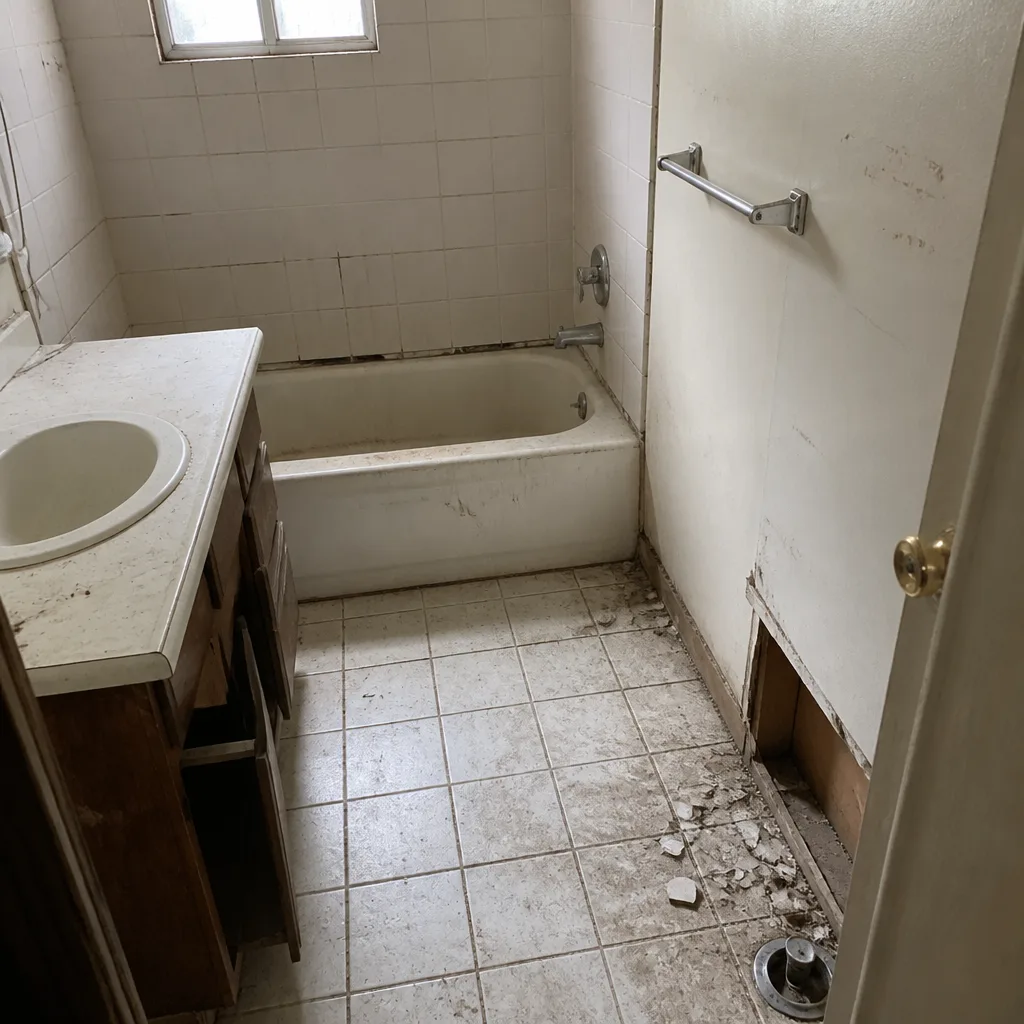 Before
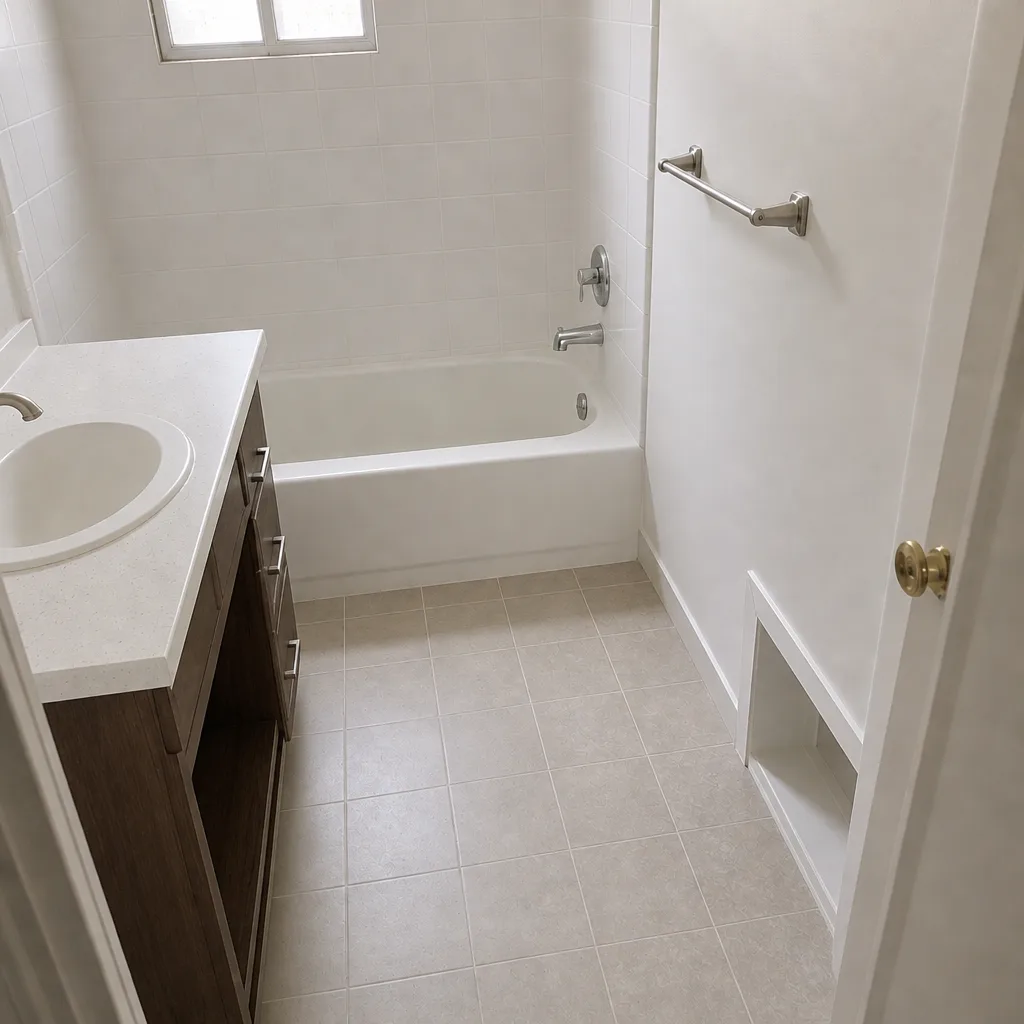 After
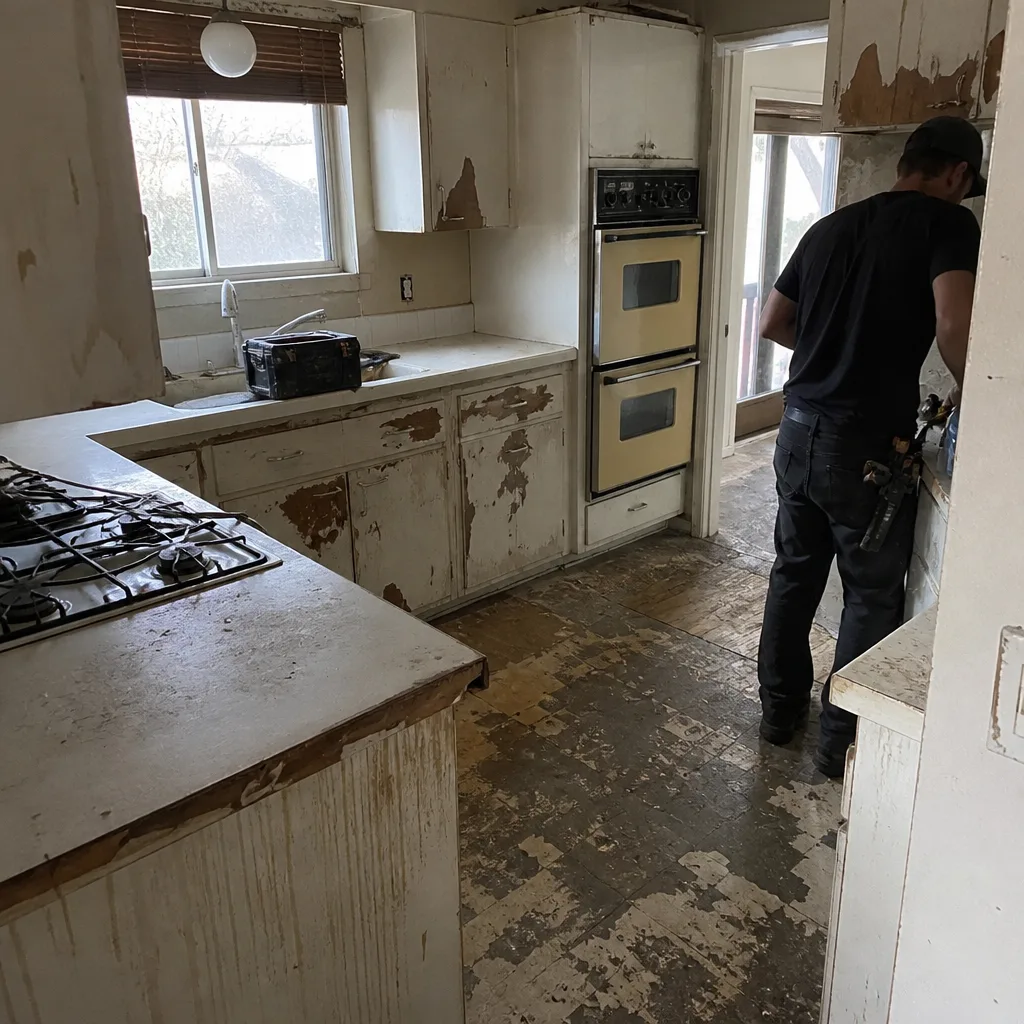 Before
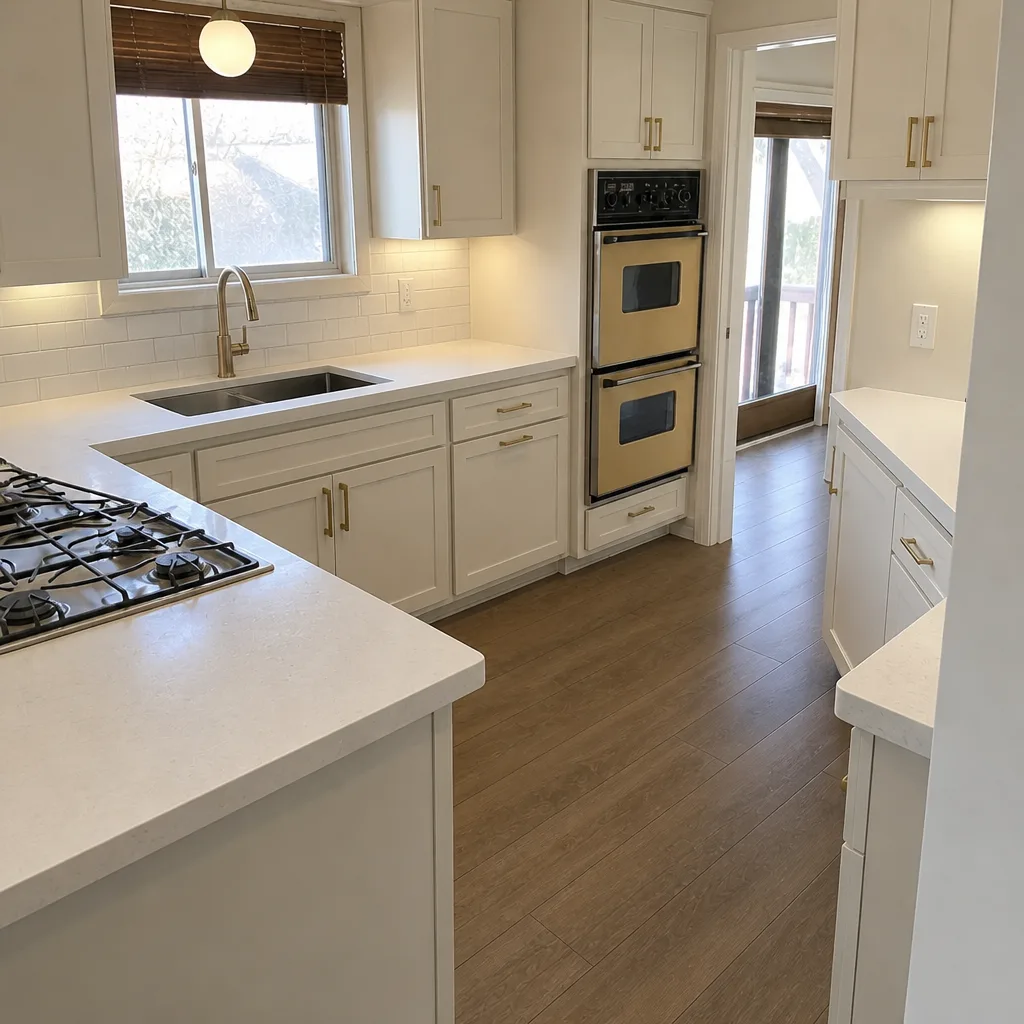 After
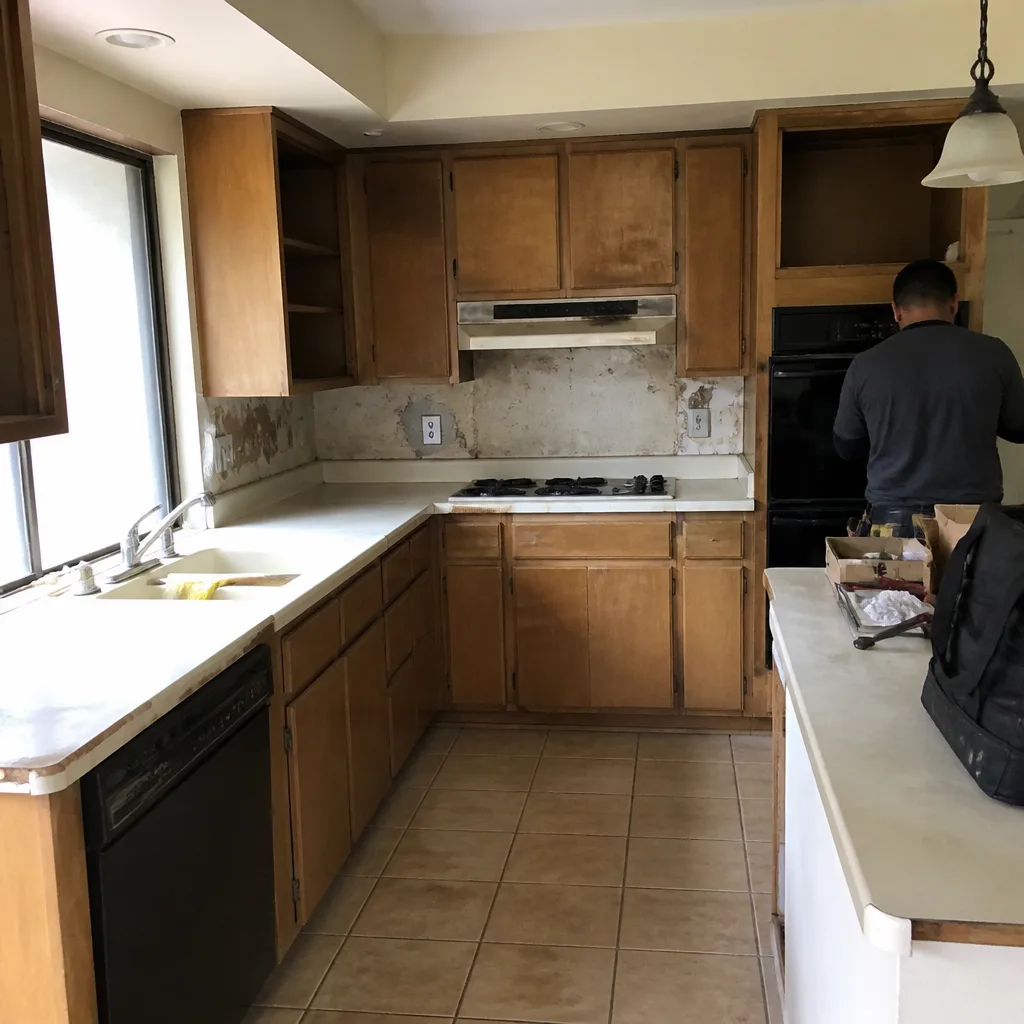 Before
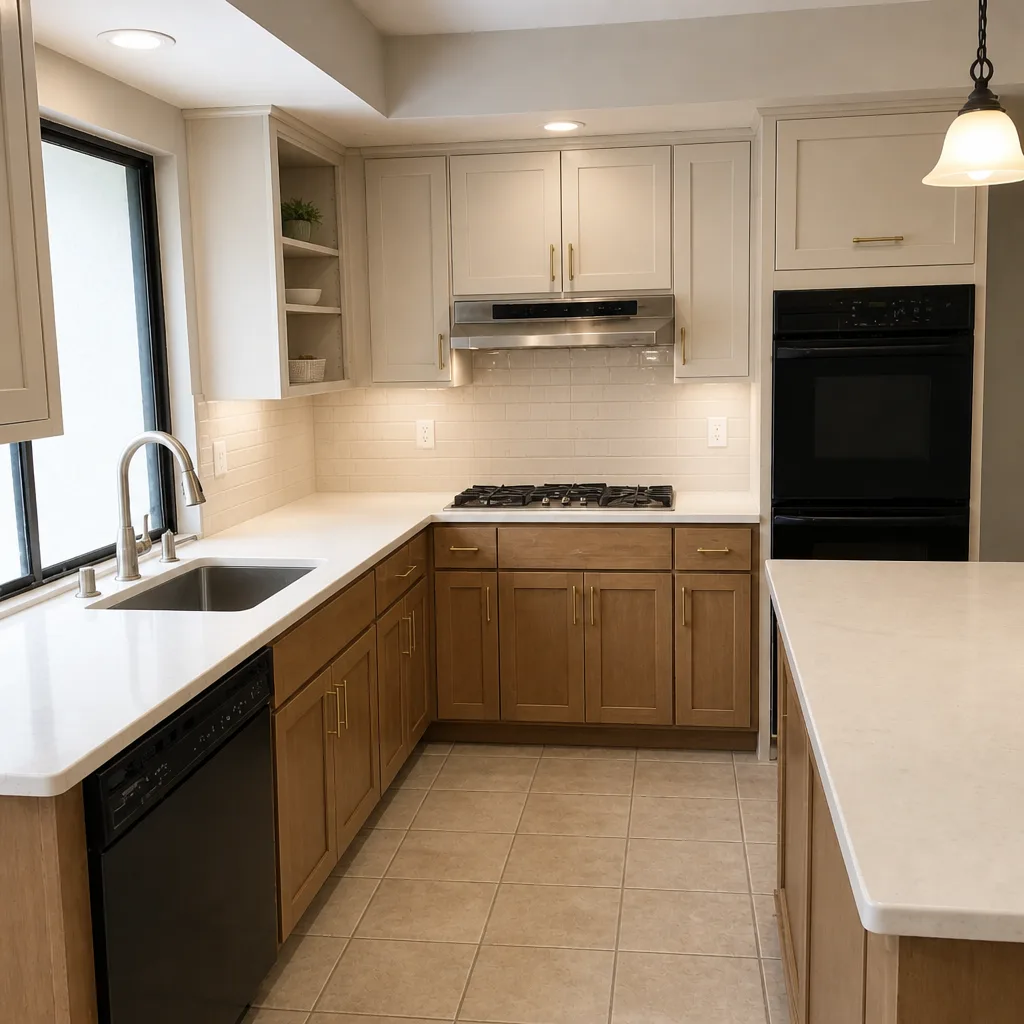 After
When to Call a Professional
Call a professional when the driveway needs anything below the pavers. That means a full install, a base rebuild, a drainage fix, a sagging or heaving field (anything beyond two or three isolated stones), or work that involves excavation and disposal. Call a professional if the driveway is part of a larger project that requires site grading coordination. Call a professional if your HOA requires architectural review – a licensed contractor with Yorba Linda experience will know the review process and the documentation the HOA expects.
The DIY ceiling is real, and it’s typically three surface tasks: border cutting, stone resetting, and sealing. Everything deeper is contractor work. Groundwork Construction Co. of Yorba Linda helps homeowners connect with licensed local professionals who engineer paver driveways from the base up, backed by the 730-Day Done Right Promise and upfront pricing with no surprises. Estimates are free – call (888) 255-9354 to schedule yours.
Frequently Asked Questions
A paver driveway in Yorba Linda typically runs $7,300 to $11,200 for a 1,200-square-foot install in 2026 pricing, including base preparation, materials, labor, and edge restraint. The range swings with soil conditions (clay-heavy lots need thicker base), paver brand (Belgard premium lines sit at the top of the range), and driveway access. Call (888) 255-9354 for an exact quote – estimates are free and line-itemed.
No, not to professional standards. A 1,200-square-foot paver driveway takes a professional crew three to five days and a homeowner three to five weekends on the surface work alone, plus excavation, base placement in lifts, and compaction that most rental equipment can’t achieve. The visible pavers go down in a couple of weekends; the base that makes them last 25 years takes equipment homeowners can’t rent.
It shouldn’t. A properly bid paver driveway has a fixed number, and any reputable contractor will write it into the contract with no change orders unless the homeowner requests a scope change mid-project. Groundwork Construction Co. of Yorba Linda works from upfront pricing – the number you see is the number you pay. If a contractor quotes a vague “starting at” price and reserves the right to add line items after excavation, ask for a written fixed bid before signing.
Most paver driveways don’t require a building permit, but they do require HOA architectural approval in many Yorba Linda communities, and any project affecting drainage or slope may need a grading permit from the city. The contractors we connect homeowners with handle the permit review and the HOA documentation as part of the project – it’s part of upfront pricing, not a surprise add-on. Ask any bidder what permits they anticipate and who pulls them. Call (888) 255-9354 for a free project review – estimates cover the permit and HOA scope.
Three signs point to base failure: pavers that rock underfoot across an area larger than a couple of stones, visible ponding at low spots after rain, and a puddle that appears at the base of the garage door after every storm. Any one of those means the sub-base has lost load capacity. Surface repairs buy a season or two before the failure catches up. If you’re seeing any of those signs in Yorba Linda, call (888) 255-9354 – a free estimate will tell you whether you’re looking at a reset or a rebuild.
Yes, if the driveway is structurally sound and at least 60-90 days past installation. Sealing is one of the safest DIY paver tasks and typically costs $150-$300 in materials for a Yorba Linda driveway. Do not seal over a base that’s moving or a surface that’s damp underneath – trapped moisture causes permanent hazing. If you’re not sure the base is sound, get an inspection first; sealing a failing driveway is throwing money at the wrong layer.
The Bottom Line
DIY driveway pavers work when the work stays at the surface. Border cuts, isolated stone resets, and a seasonal sealer application are all within reach. The moment the project goes below grade – excavation, compaction, drainage, edge restraint – the equipment and the engineering required to verify it push the work into licensed territory. Base preparation is 70% of a driveway’s lifespan, and it’s the 70% the DIY internet consistently skips. The cost math confirms it: real DIY savings of $500 to $2,000 evaporate the moment a base fails, and California’s $500 licensing threshold applies to nearly every driveway job a homeowner would actually hire for.
If your project is Yorba Linda and goes beyond a border paver or two, the safest next step is a free estimate. Groundwork Construction Co. of Yorba Linda connects homeowners with licensed local professionals across Driveway & Pavers, Fence Installation, Home Additions & ADU, and every other exterior trade – from foundation to finish line, built to last, backed in writing by the 730-Day Done Right Promise. Calls are answered by a live person 24/7, and $1,000 off projects over $10,000 plus 0% financing for 18 months are standing offers. Call (888) 255-9354 to get your project on the calendar – the surface is not the problem, and the base is where the value lives.
Written by the team at Groundwork Construction Co. of Yorba Linda.