Last updated November 17, 2026
Free written scope consultation - allowances, timeline, and change-order rules on paper before a single trade is scheduled
The Complete Driveway & Pavers Guide for Yorba Linda Homeowners
The expansive clay soil running through large sections of Yorba Linda can shift a poorly prepared paver base by over an inch in a single wet season. That failure rarely announces itself. It shows up eighteen months later as a hairline crack snaking across your driveway, a paver that rocks underfoot, or water pooling against the garage door after a winter storm. Generic paving guides written for the rest of Southern California skip this entirely. This guide is built for Yorba Linda: the clay, the heat cycles, the hillside grades, and the HOA and City rules that shape what actually gets approved and what actually lasts. You’ll learn base depth, material choices, permit requirements, real cost ranges, and how to tell a solid quote from a cheap one.
Quick Answer
A driveway paver project in Yorba Linda typically costs $12 to $26 per square foot installed, which puts a standard two-car driveway (roughly 400 to 600 square feet) somewhere between $5,000 and $16,000 depending on material and how much base prep your soil needs. The single biggest cost and durability variable here is base preparation: the clay-heavy ground and steep hillside lots common across Yorba Linda demand a deeper, better-compacted aggregate base than most contractors working from a generic spec sheet will price in.
Key Takeaways
- Yorba Linda’s clay soil and hillside grades are the reason driveway pavers fail early here. Base prep, not paver brand, decides how the driveway holds up.
- Plan on a deeper compacted aggregate base than flat-ground SoCal neighborhoods get, especially on retained or sloped lots.
- Permits and HOA approval apply before you replace a driveway. Impervious surface and runoff rules matter in Yorba Linda.
- Concrete pavers and travertine are the practical picks for sustained heat and UV. Cheap soft pavers spall and fade.
- Slope and drainage engineering decides whether water leaves your driveway or settles against your foundation.
- Sanity-check any quote against the per-square-foot ranges in this guide before you sign.
Styles & brands we work with
- Kitchen remodeling
- Bathroom remodeling
- Home additions & ADU
- Roofing
- Windows & doors
- Driveway & pavers
- Fence
Table of Contents
- Why So Many Yorba Linda Driveways Fail Within Five Years
- The Base Prep Rule: Why Yorba Linda Clay Demands More
- Which Paver Materials Survive Yorba Linda Heat and UV
- HOA and City of Yorba Linda Permitting Requirements
- Slope and Drainage on Yorba Linda Hillside Lots
- What Driveway Pavers Cost in Yorba Linda
- The Step-by-Step Paver Installation Process
- How to Read a Paver Quote Without Getting Burned
Why So Many Yorba Linda Driveways Fail Within Five Years
Walk any established Yorba Linda neighborhood – the tracts off Yorba Linda Boulevard, the older streets near the Nixon Library, the hillside homes eastward toward the canyon edges – and you can spot a failing paver driveway from the curb. The joints open up. The surface ripples. Half the driveway drains fine and the other half holds standing water. These are not material failures. They are base failures.
The reason is the ground itself. Much of Yorba Linda sits on expansive clay soils that swell when wet and shrink when dry. That shrink-swell cycle is relentless in our climate: dry summers bake the clay down, winter rains soak it back up. A paver base that isn’t deep enough, or isn’t compacted in the right lifts, gets pushed and pulled by that movement until the pavers above it lose their lock.
The second reason is heat. Yorba Linda regularly sees sustained stretches above 100°F through July and August. That heat works on both the subgrade and the pavers. A base that wasn’t compacted correctly can settle further as the soil dries and contracts. And thin, soft-set materials above it aren’t built for the thermal cycling.
Put those together and you get the pattern we see constantly: a driveway installed by a crew that quoted a generic Southern California spec, no deeper than they’d build in a flat coastal neighborhood, fails within five years on Yorba Linda soil. The homeowner spent real money and got a driveway that needed redoing before the warranty (if there was one) ran out.
The Base Prep Rule: Why Yorba Linda Clay Demands More
Here’s the core of this guide, and the thing most quotes get wrong: pavers don’t fail because of pavers. They fail because of what’s under them. In Yorba Linda, that conversation starts and ends with the base.
A standard paver installation in much of flat Southern California calls for a compacted aggregate base (usually crushed rock) in the range of 4 to 6 inches. That number assumes stable, well-draining soil. It does not assume expansive clay, and it does not assume a lot with grade changes. On Yorba Linda soil, we regularly see base depths that need to run deeper – frequently 6 to 8 inches or more on lots with heavy clay or significant slope – and the compaction is done in shorter lifts so each layer is genuinely dense before the next goes down.
What “done right” actually looks like:
- Excavation to proper depth. The driveway area is dug out deep enough to hold both the base and the bedding layer without raising the finished grade above the garage slab or the surrounding soil.
- Subgrade assessment. The clay beneath is checked. On badly expansive lots, a geotextile fabric separator or an engineered subgrade treatment may be needed so the base stays separated from the clay and doesn’t pump up into it.
- Aggregate laid in lifts. Base rock goes down in controlled layers rather than one thick dump.
- Compaction between every lift. Each layer is machine-compacted to density before the next is added. This is the step cheap crews skip or rush, and it’s the one that matters most here.
- Final grade and drainage slope set into the base. The slope that carries water off the driveway is built into the base, not forced by the top layer.
- Bedding sand layer, leveled and screeded. A thin bedding layer sits between base and pavers so the surface is flat and even.
None of that is glamorous. It’s the part of the job nobody photographs. But it’s why a driveway built this way is still flat and tight a decade from now, and a driveway built to a generic spec is rippling by year five. Our technicians have up to 12 years of experience with exactly this kind of soil, and the deeper base is the first thing we check on every Yorba Linda estimate.
Which Paver Materials Survive Yorba Linda Heat and UV
Once the base is right, material selection becomes a durability question and a taste question. Yorba Linda’s climate narrows the practical field. Sustained 100°F-plus summers and unbroken UV punish soft, low-density products. Here’s how the main options hold up for our actual conditions.
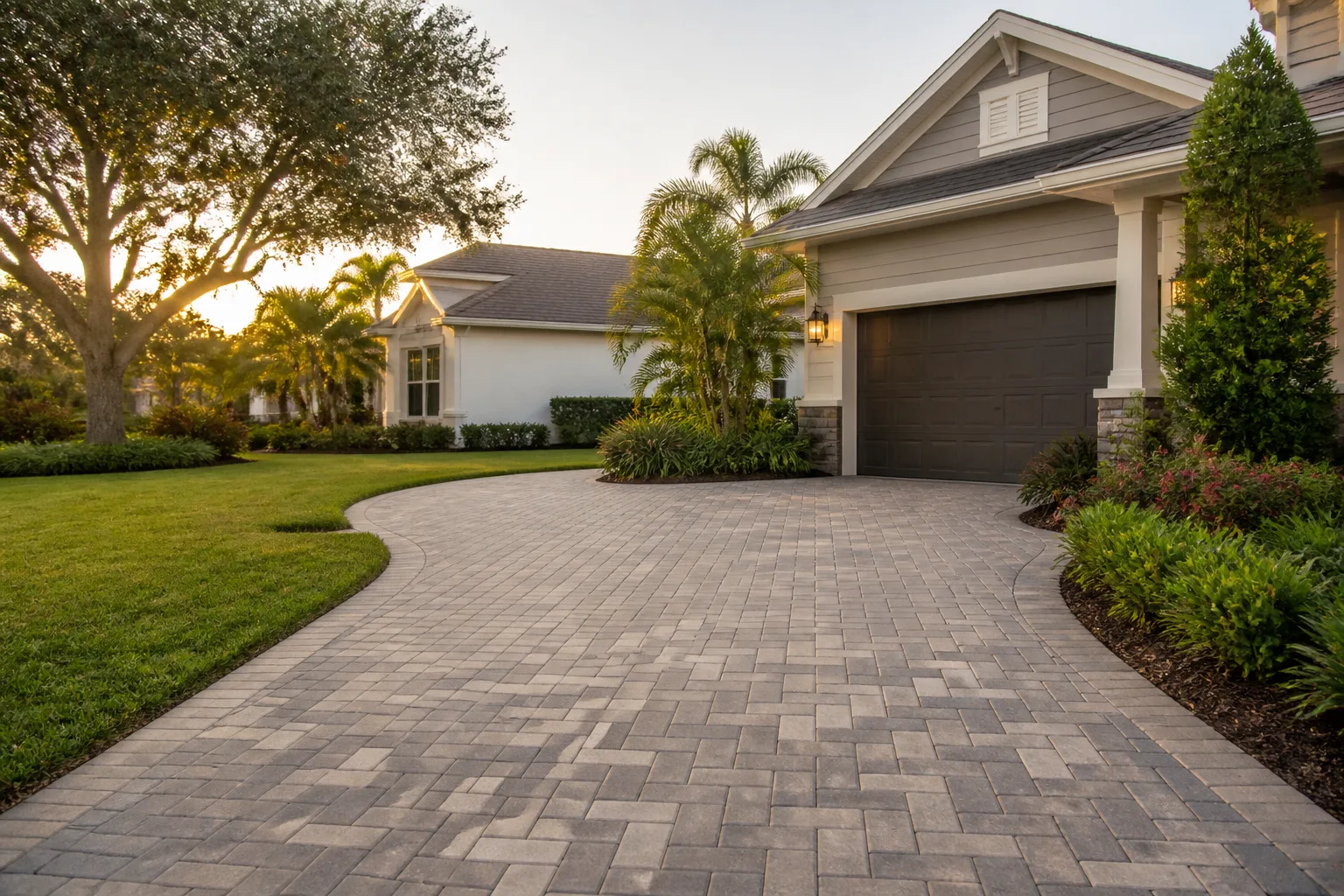
- Concrete pavers. The workhorse choice for Yorba Linda. Modern concrete pavers from brands like Unilock, Tremron and Techo-Bloc are engineered for high compressive strength and color stability, and their textured or permeable lines handle heat well. Choose a high-density paver with a proven UV-stable color process, not the cheapest run in the catalog. Well-made concrete pavers don’t spall from summer heat.
- Travertine and natural stone. Popular for a premium look, and travertine stays cooler underfoot than concrete, which matters on a sun-exposed Yorba Linda driveway. The catch is selection: porous, low-grade travertine can degrade with heavy freeze-thaw or poor drainage. Choose a dense, filled grade and make sure the base drains.
- Permeable pavers. A smart move where runoff rules or drainage concerns apply. Permeable concrete pavers with open joints and an open-graded base let water pass through to the soil instead of sheeting off. On Yorba Linda hillside lots, that can help with stormwater compliance and reduce pooling at the bottom of a slope.
- Clay brick pavers. Genuinely durable and heat-tolerant, with a classic look. The trade-off is higher cost and a firmer commitment to a specific style.
What we steer Yorba Linda homeowners away from is soft, light, high-absorption product sold on price alone. It fades, it can spall, and it doesn’t hold up to the thermal cycling our summers deliver. The material should be built to last, and the install should be too. Brands like Cambridge Pavers and Unilock both make textured concrete lines that perform well here – the point is to pick a paver engineered for heat and UV, then let the base and install do the rest.
HOA and City of Yorba Linda Permitting Requirements
Replacing a driveway is not a small cosmetic change to the city, and it isn’t to most HOAs either. Before any demolition, a Yorba Linda homeowner needs to understand two layers of rules: City of Yorba Linda building and grading requirements, and HOA architectural rules if the property is in a governed community.
On the city side, a full driveway replacement – especially one that changes the footprint, adds slope work, or involves retaining structures – commonly needs a permit and can involve grading review. The two issues that trip people up most in Yorba Linda:
- Impervious surface and runoff. Cities in our region care about how much of a lot is hard surface, because that changes where stormwater goes. If your new driveway expands the impervious footprint or alters drainage, the city may require you to manage that runoff, sometimes with permeable pavers or a drainage plan. A paver driveway that’s more permeable than the concrete it replaced can actually help you here.
- Grading and drainage on sloped lots. Hillside properties frequently need additional review because changing driveway grade affects drainage across the property and toward neighbors.
On the HOA side, Yorba Linda has a meaningful share of governed communities, and most of them have architectural review requirements for driveway replacement – materials, color, and finish often have to be approved before work starts. Skipping that step can mean tearing out a finished driveway.
- Call the City of Yorba Linda building department to confirm whether your specific project needs a permit and what grading or runoff review applies.
- Submit HOA architectural approval for material, color, and footprint if you’re in a governed community.
- Get the approvals before demolition. Once the old surface is up, the clock is running.
- Keep permits and approvals on file – they matter at resale and if anything’s ever questioned.
We pull permits and manage the approval steps as part of the job so inspections pass the first time and nothing is left hanging. If you want to understand how this plays out across a full outdoor project, our Driveway & Pavers in Yorba Linda page walks through it, and our Fence Installation in Yorba Linda page covers the HOA review process on the fence side for anyone doing both at once.
Slope and Drainage on Yorba Linda Hillside Lots
Flat-ground paving is forgiving. Yorba Linda hillside lots are not. When a driveway climbs toward a garage on a grade, water management becomes the engineering problem that decides whether the driveway lasts and whether your garage and foundation stay dry.
The goal is simple to state: get water off the driveway and away from the house, in a controlled path, before it can pool, undercut the base, or run into the garage. On a sloped lot that takes deliberate design, not just “slope it toward the street.”
- Surface slope. The finished paver surface needs a continuous slope of at least 1 to 2 percent running away from the garage and foundation, set into the base so it’s true, not forced by the top layer.
- Drainage at the bottom of a slope. Where a driveway meets a flat apron or the street, water that arrives fast needs somewhere to go – a channel drain, a trench drain, or a designed daylight to the storm system, depending on the lot.
- Managing water from uphill properties. Hillside homes often receive runoff from neighbors above. The driveway drainage design has to account for water coming in from off-site, not just rain landing on the pavers.
- Transition details at the garage. A small raised curb or a slight reverse slope at the garage door keeps water from reaching the slab even on a hard storm.
- Permeable options on retained slopes. On lots with a retaining wall or steep grade, permeable pavers can reduce the volume of water that needs to be managed at grade.
This is where years of local experience earns its keep. A contractor working from a generic spec will build you a driveway with a uniform slope and call it done. On a Yorba Linda hillside lot, that same driveway can leave your garage apron wet after every winter storm and slowly undermine the base at the low point. If you’re also planning an addition or ADU on the property, drainage planning ties directly into that work, and our Home Additions & ADU in Yorba Linda page shows how the site work overlaps.
What Driveway Pavers Cost in Yorba Linda
Cost is where the difference between a right-built and a cheap-built driveway shows up as a number on a page. Use these ranges as a sanity check on any quote you receive – not as a fixed menu. Your actual price depends on square footage, material, access, and how much base prep your soil demands.
Per-square-foot installed cost by material
- Standard concrete pavers: roughly $12 to $18 per square foot installed.
- Premium textured concrete pavers (Unilock, Tremron, Techo-Bloc, Cambridge lines): roughly $15 to $22 per square foot installed.
- Permeable concrete pavers with open-graded base: roughly $16 to $24 per square foot installed.
- Travertine or natural stone: roughly $18 to $26 per square foot installed, higher on complex grades.
What your driveway size does to the total
- Single-car driveway, about 200 to 300 sq ft: roughly $3,000 to $7,000.
- Standard two-car driveway, about 400 to 600 sq ft: roughly $5,000 to $14,000.
- Large or RV-width driveway, 700 to 1,000 sq ft: roughly $10,000 to $22,000.
Base prep adds where Yorba Linda soil demands it
This is the line item a generic spec quote leaves out. On heavy clay or sloped lots, deeper excavation, engineered subgrade treatment, or a drainage solution can add meaningfully to the total – often several thousand dollars on the worst lots. That cost is why the driveway still looks new in year eight while a cheaper install is failing in year four. When you compare two quotes, compare the base spec line by line, not just the bottom number.
No-hassle upfront pricing is the standard we hold: the number we quote is the number you pay, with a written line-item breakdown that shows base, bedding, pavers, drainage, and permits as separate lines so you can see exactly what you’re buying. We back every install with the 730-Day Done Right Promise – if it’s not done right, we make it right – one of the longest workmanship guarantees in residential construction. Financing options like 0% for 18 months and $1,000 off projects over $10,000 can spread or trim a larger total.
The Step-by-Step Paver Installation Process
Knowing the sequence helps you judge a crew. A real driverway paving job on Yorba Linda soil moves through these stages in order – no shortcuts through the base.
- Site evaluation and design. Measure the area, check soil and slope, confirm drainage direction and HOA material requirements, then lock the layout and grade.
- Permits and HOA approval. Pull City of Yorba Linda permits, secure HOA architectural sign-off, confirm inspection timing.
- Demolition and haul-away. Remove the old surface and haul it off – concrete, asphalt, or old pavers.
- Excavation to depth. Dig to full base-plus-bedding depth so finished grade is correct at the garage slab.
- Subgrade prep. Assess the clay, address expansive areas, install geotextile where needed.
- Base installation in lifts. Aggregate in controlled layers, compacted between each lift. This is the step that decides the life of the driveway.
- Drainage build-in. Set slope and add channel drains or daylight points where drainage requires.
- Bedding sand and screeding. Level the bedding layer for a flat, even surface.
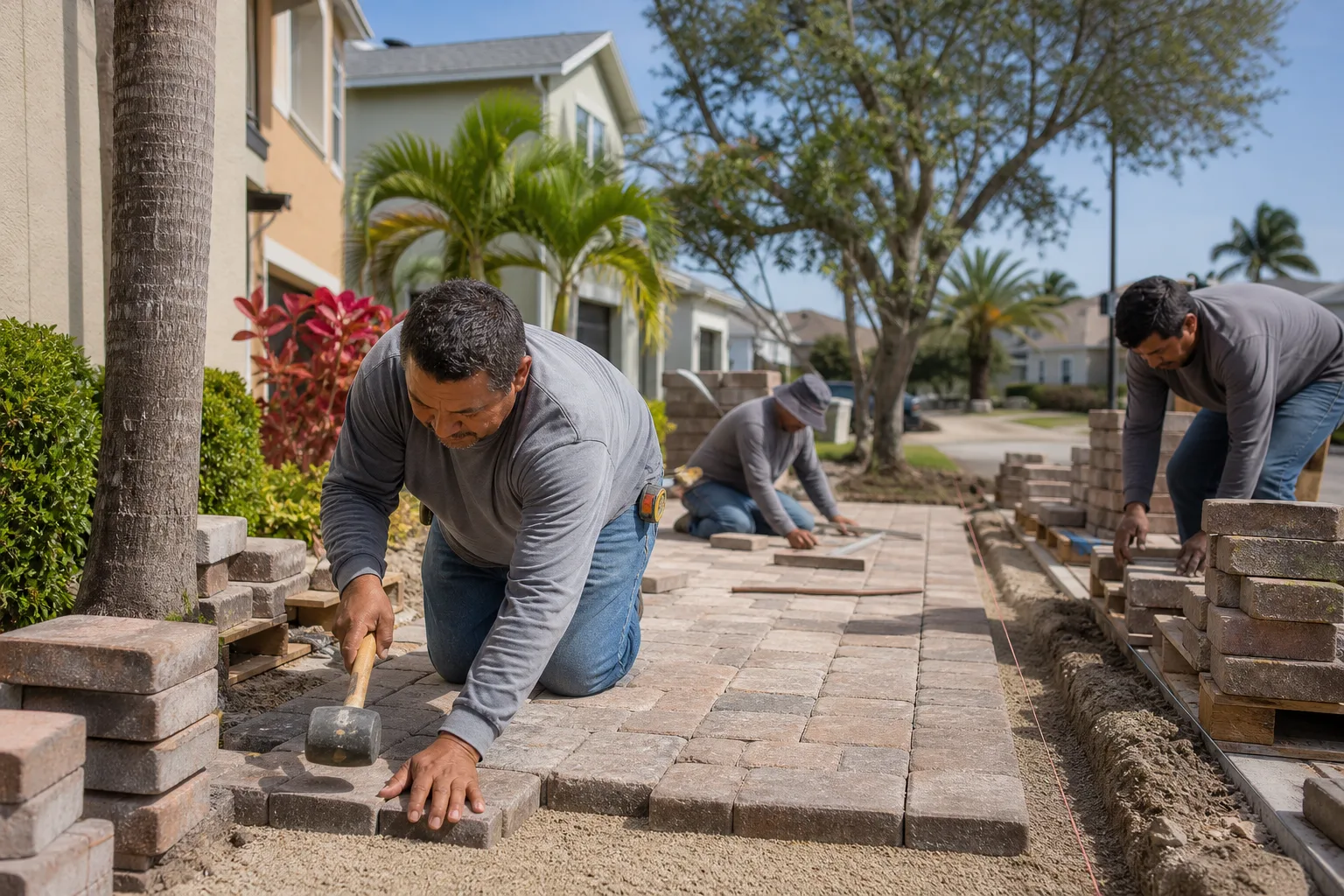
- Paver setting and cutting. Lay pavers to the pattern, cut edges cleanly at the apron, garage, and walls.
- Edge restraint and joint sand. Install edge restraint, sweep polymeric or joint sand into the joints, and compact the field.
- Final cleanup and walkthrough. Clean, inspect, and walk the job with you before it’s called done.
Most residential driveway jobs run several days to a couple of weeks depending on size, base complexity, and drainage – and work is scheduled, not rushed. If you want to see the full scope of how we handle outdoor work, our Groundwork Construction Co. of Yorba Linda home page shows the broader lineup. Whatever the trade – from pavers to a full kitchen, roof, or window package – our technicians are background-checked, arrive in uniform, and the phone is answered by a live person 24/7 so you’re never stuck in a voicemail loop.
How to Read a Paver Quote Without Getting Burned
The most common way Yorba Linda homeowners lose money on a driveway is signing a low quote that hides the base prep. A one-number bid tells you almost nothing. Here’s what a quote should show.
- Base depth stated in inches. The quote should say how deep the aggregate base runs and how many compaction lifts. On Yorba Linda clay, if it doesn’t say, ask.
- Subgrade treatment called out separately if the lot has heavy clay or a retaining structure.
- Drainage shown as a line item, including any channel drain or runoff plan.
- Permits and inspections included, not left as “owner responsibility.”
- Material named by brand and line, not just “concrete pavers.”
- Warranty in writing, with a clear term, and the workmanship guarantee stated up front.
- Fixed pricing – the number you see is the number you pay, with a defined change-order process if you add scope.
If two quotes differ by more than 30 percent, it’s almost always the base or the drainage that explains the gap. Our free estimate includes the design consult and a written line-item breakdown, and you’re talking to a live person who can answer questions any hour, any day.
Common Mistakes to Avoid
- Building on the generic SoCal base spec. A crew that specs 4 inches of base on Yorba Linda clay is building a driveway that fails early. Depth and compaction have to match the soil, not a coastal template.
- Skipping the HOA approval. In Yorba Linda’s governed communities, installing before architectural sign-off can mean tearing out a finished driveway. Get approval first.
- Ignoring impervious surface and runoff rules. Expanding the hard surface without accounting for where stormwater goes invites a city issue and a wet problem at once.
- Choosing pavers on price, not performance. Cheap soft pavers fade and spall under sustained 100°F heat and UV. Pay for a heat- and UV-engineered line.
- Letting slope “happen” instead of building it into the base. On Yorba Linda hillside lots, water that pools against the garage does slow damage to the base and the slab.
- Treating the driveway as separate from site drainage. On a sloped lot, the driveway, yard, and any future addition or ADU all share one drainage story. Plan them together.
- Signing a single-number bid. A quote with no base depth, no drainage line, and no material brand is a quote that has room to surprise you mid-job.
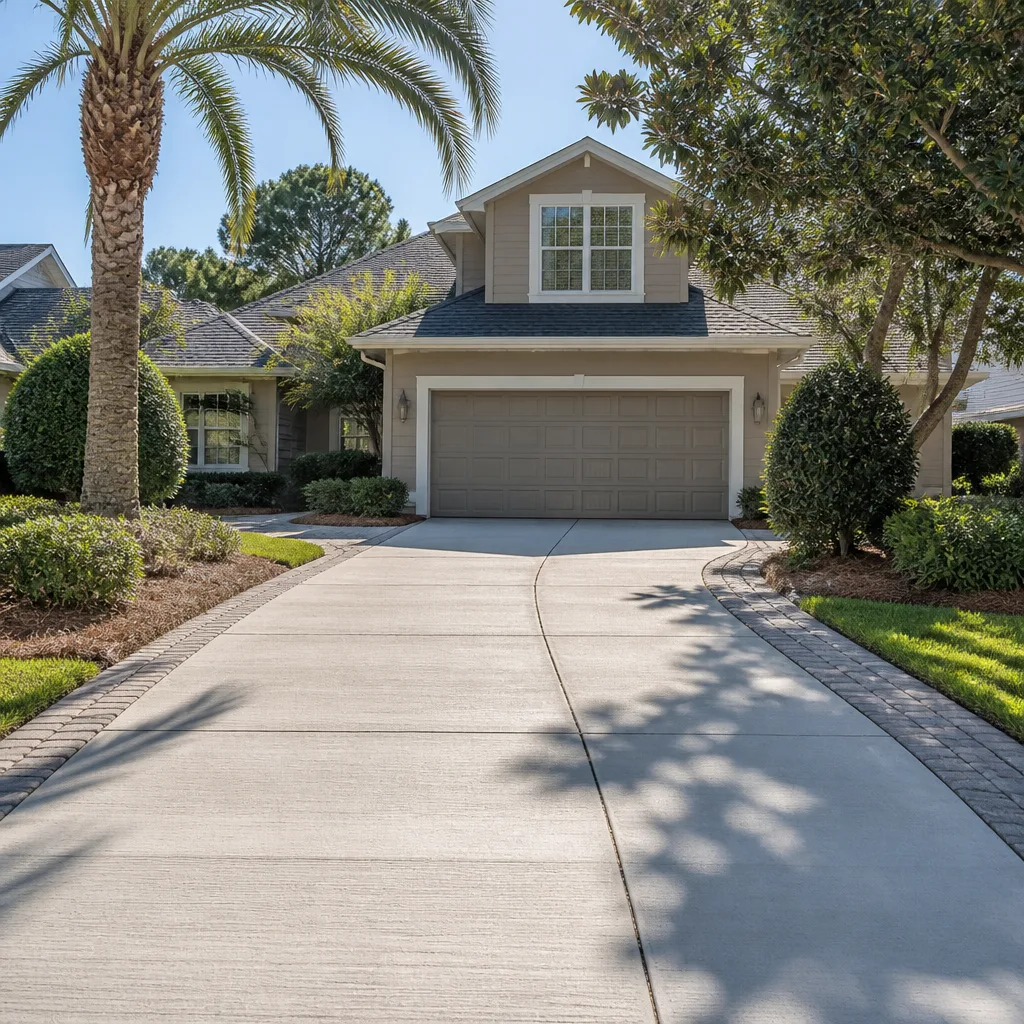
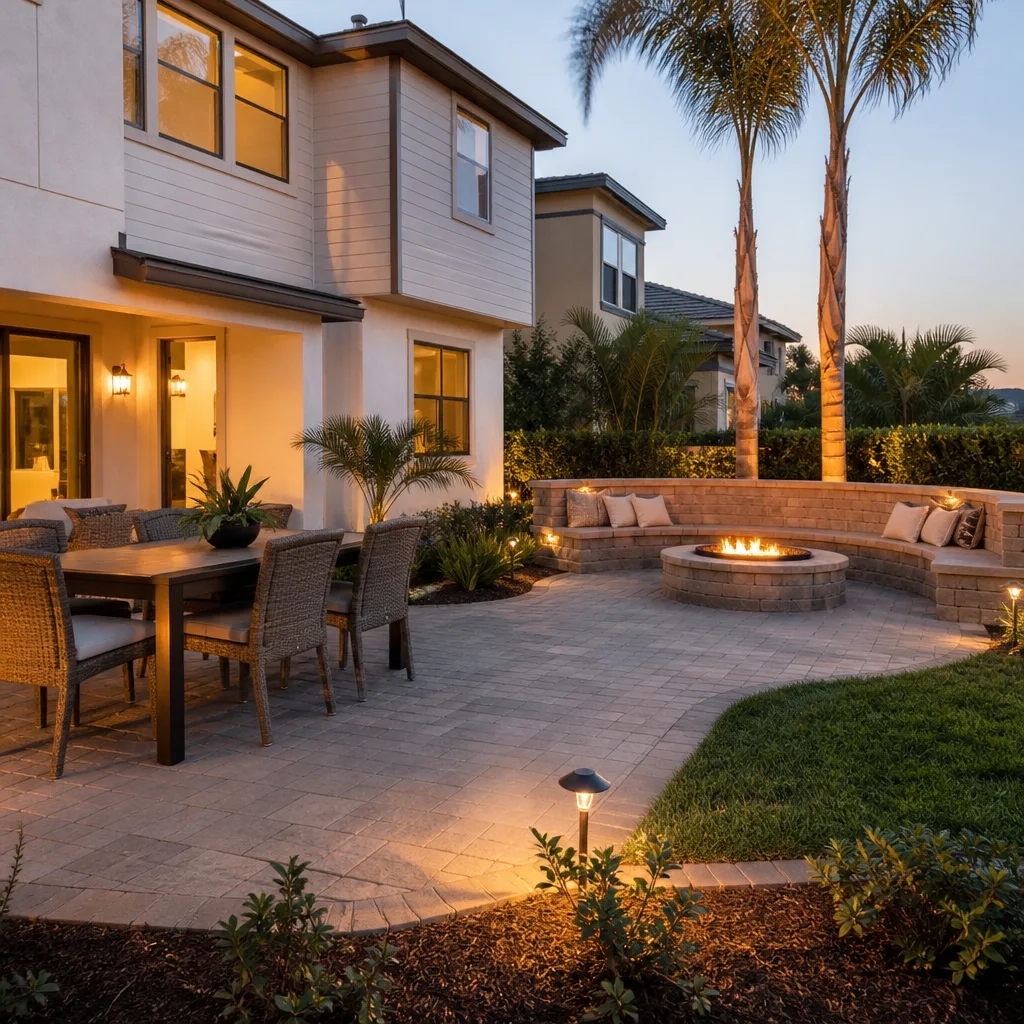
See the difference
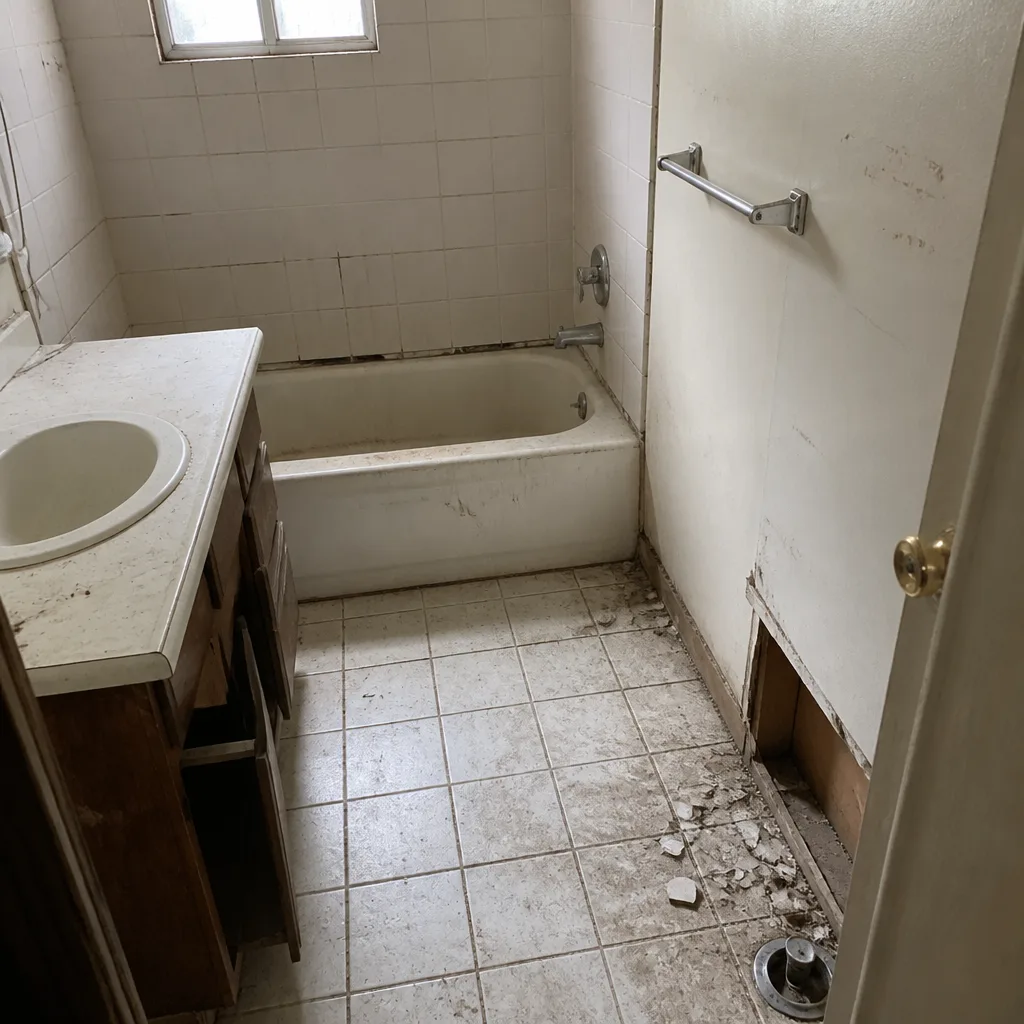 Before
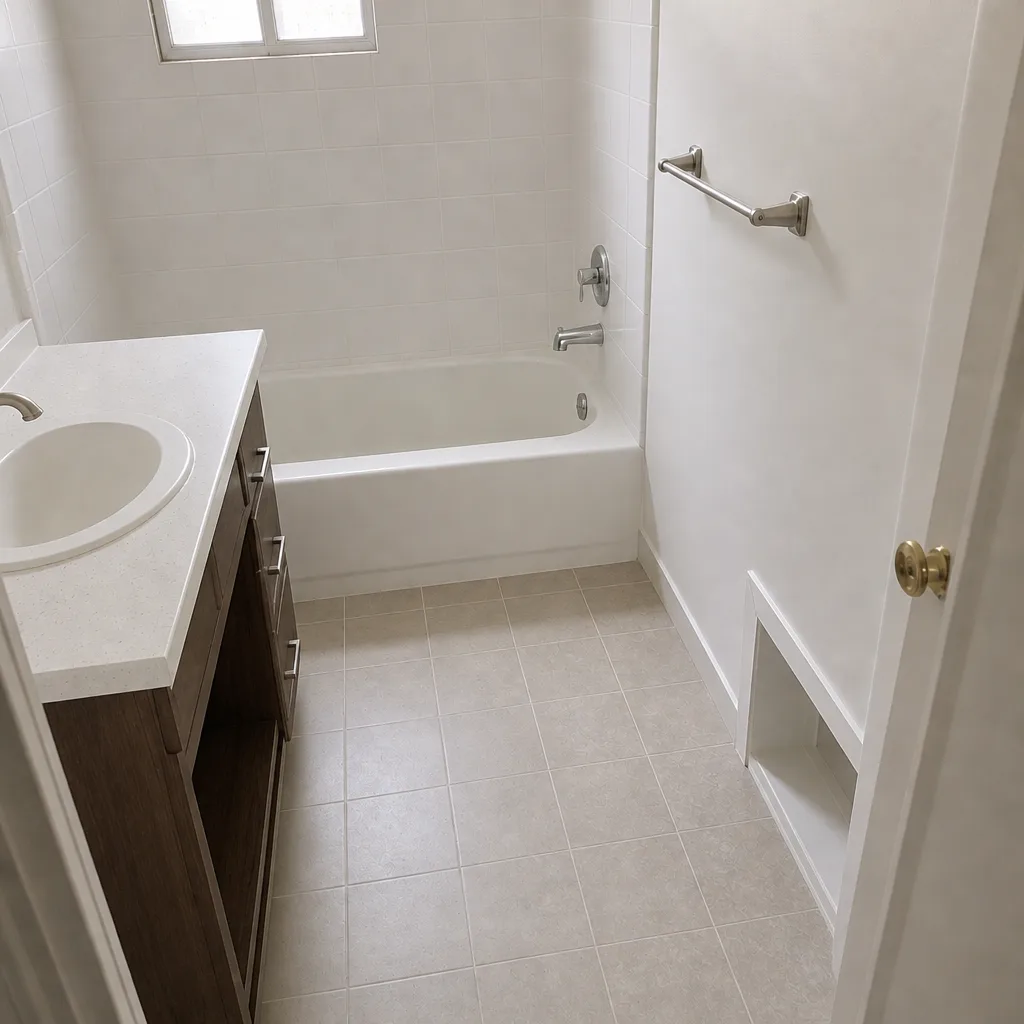 After
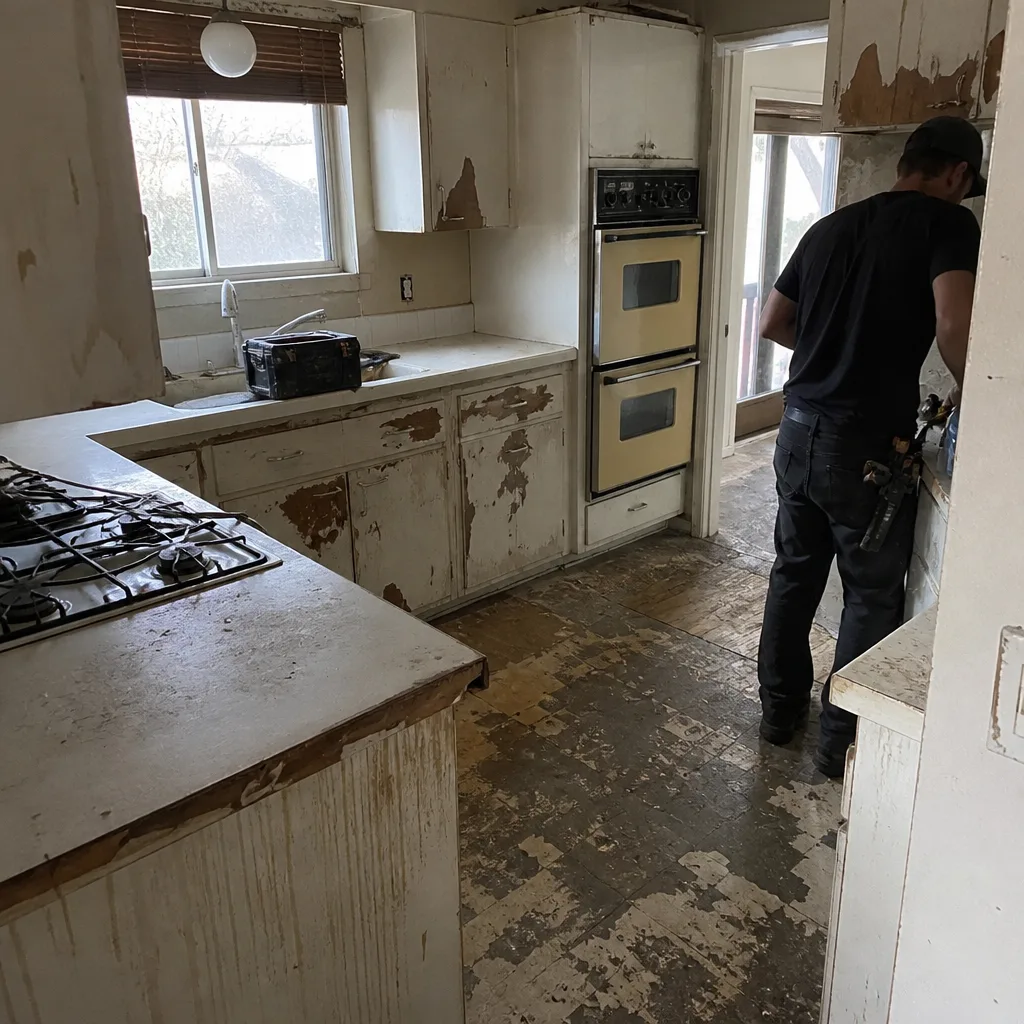 Before
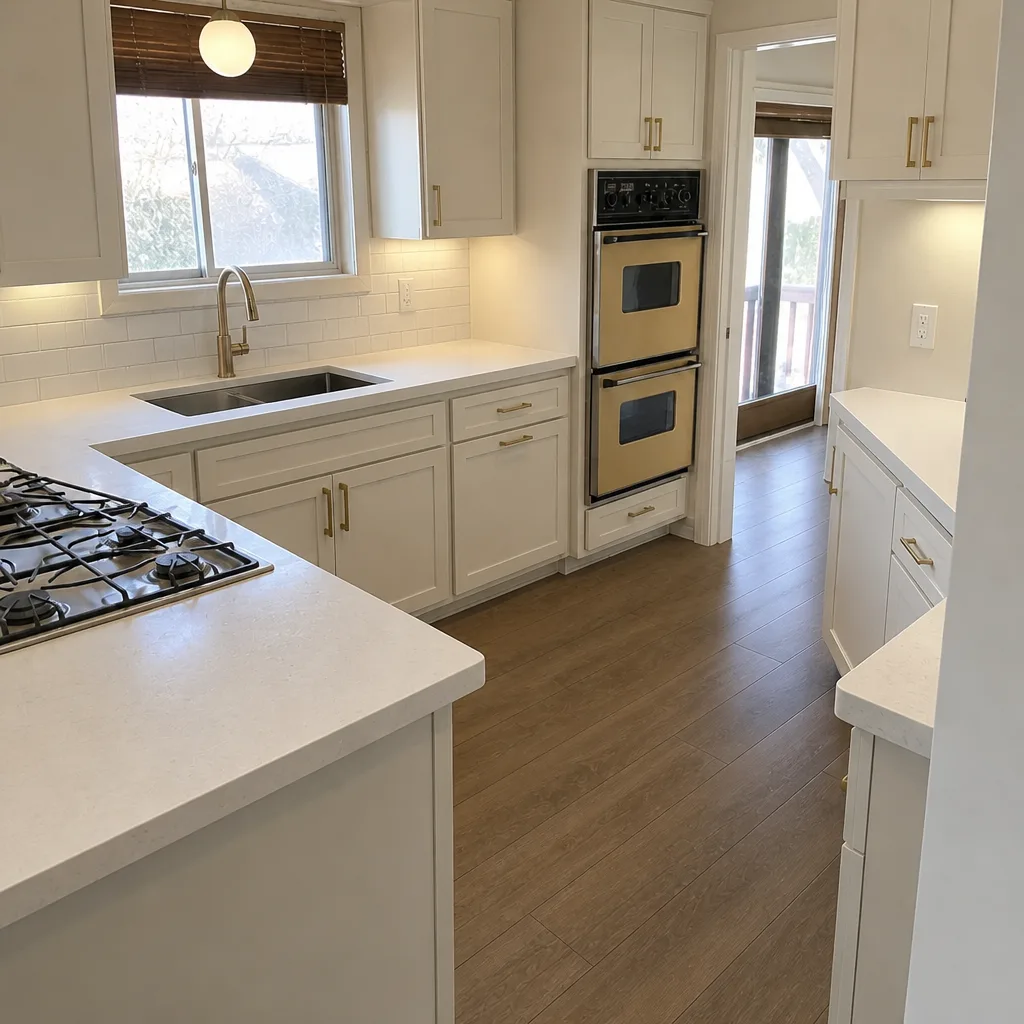 After
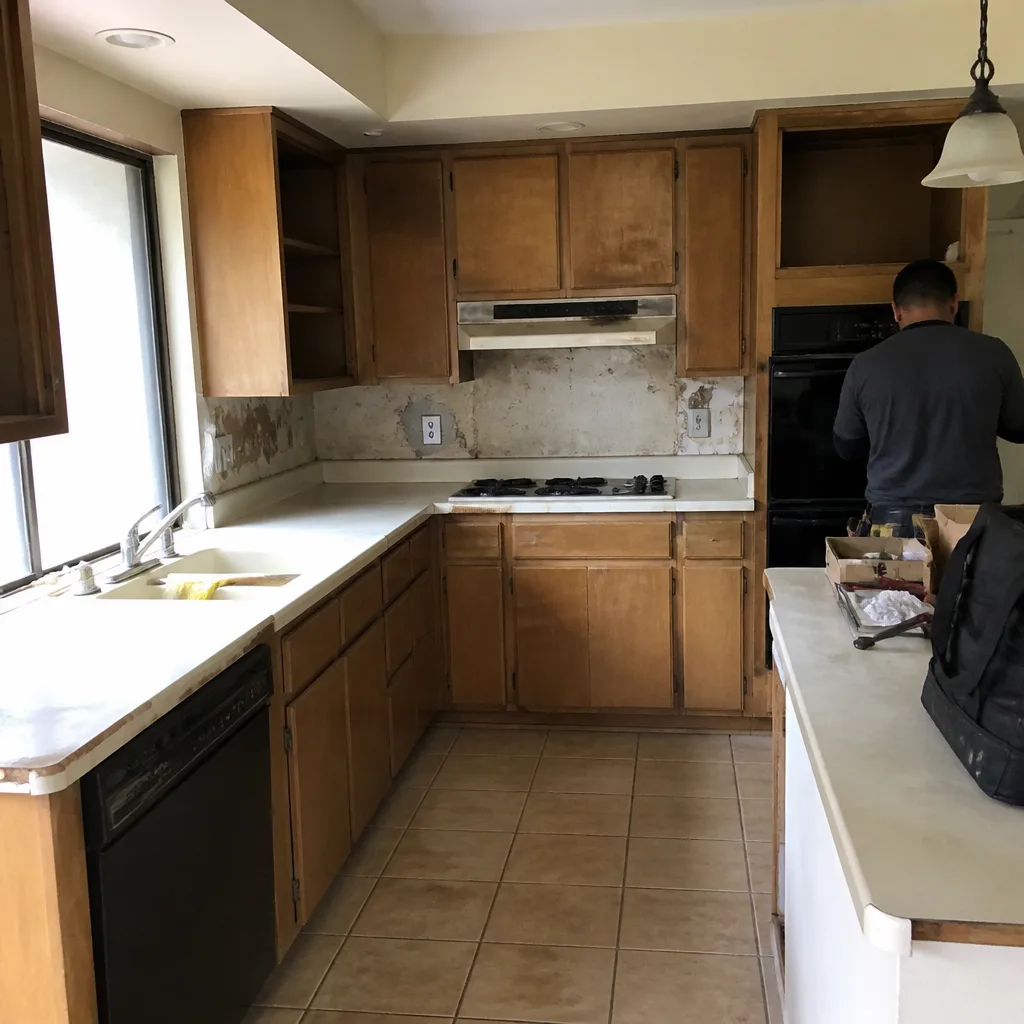 Before
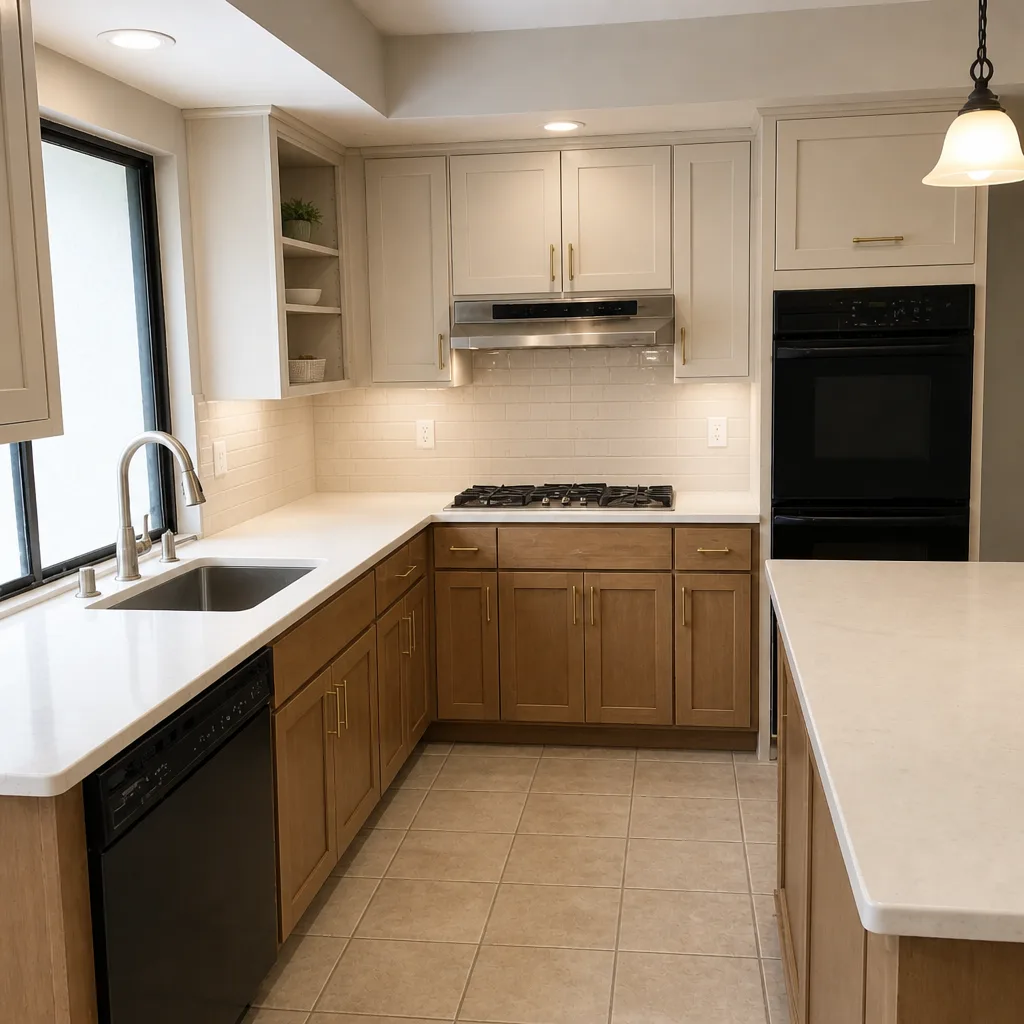 After
When to Call a Professional
Some driveway issues are cosmetic and forgiving. Others mean the base is already moving, and those don’t fix themselves. Call a professional if your driveway has pavers or concrete that rock underfoot, joints that keep opening wider, cracks that return after patching, or standing water at the garage apron after storms. Call if the surface has sunk more than a quarter inch in a given area, if you’re on a hillside lot and water runs toward the house, or if the driveway is failing earlier than it should – a sign the original base was undersized for Yorba Linda clay. Converting from worn concrete or asphalt, expanding the footprint, or doing a hillside install with drainage all warrant a proper design and permit process rather than a patch. Groundwork Construction Co. of Yorba Linda offers free estimates in Yorba Linda – call (888) 255-9354 to get an exact quote; estimates are free.
Frequently Asked Questions
A paver driveway in Yorba Linda typically runs $12 to $26 per square foot installed, which puts a standard two-car driveway somewhere between $5,000 and $16,000. The spread comes down to material choice and how much base prep your soil and slope require. Call (888) 255-9354 for an exact quote – estimates are free and come as a written line-item breakdown.
On Yorba Linda’s expansive clay, plan on a deeper compacted aggregate base than flat Southern California neighborhoods – frequently 6 to 8 inches or more on heavy clay or sloped lots, compacted in short lifts. Standard shallow specs are the leading cause of early paver failure here. Ask any contractor to state the base depth and compaction in the quote.
Usually yes, on both counts. Full driveway replacement, grading work, and changes that alter the impervious footprint commonly need City of Yorba Linda permits and runoff review, and governed communities require HOA architectural approval for material and color. Get both approved before demolition starts. We handle permits and inspections as part of the job.
High-density concrete pavers engineered for heat and UV stability – from lines like Unilock, Tremron, Techo-Bloc and Cambridge – are the practical pick, and dense travertine or natural stone works for a premium look. Permeable pavers are a smart choice where runoff rules apply. Avoid low-density, high-absorption pavers sold on price; they fade and spall under our summers.
Most Yorba Linda driveway projects run several days to a couple of weeks, depending on square footage, base complexity, and drainage. Projects with deeper clay-soil excavation or a channel drain take longer. We give you a schedule up front and hold to it – the price you see is the price you pay.
No. We work with upfront pricing – the number you see is the number you pay – and a defined change-order process if you add scope mid-project. That’s backed by the 730-Day Done Right Promise: if it’s not done right, we make it right. Call (888) 255-9354 to schedule a free estimate.
The Bottom Line
The driveway paver equation in Yorba Linda is decided underground. Clay soil, high heat, hillside grades, and HOA and city rules all push toward a deeper compacted base, heat-engineered materials, and drainage designed into the grade – the exact things a generic SoCal spec sheet leaves out. Get those right and a paver driveway holds up a decade plus; skip them and you’ll be tearing out a five-year-old install. Use the cost ranges here to sanity-check any quote, and compare line items – base depth, drainage, permits, brand – not just the bottom number. From foundation to finish line, done right and backed in writing for 730 days.
For a free project estimate and design consult in Yorba Linda, call Groundwork Construction Co. of Yorba Linda at (888) 255-9354. A live person answers 24/7, and your written estimate spells out every line.
Written by the team at Groundwork Construction Co. of Yorba Linda.