Last updated November 17, 2026
Free written scope consultation - allowances, timeline, and change-order rules on paper before a single trade is scheduled
The Complete Fence Installation Guide for Yorba Linda Homeowners
In Yorba Linda, installing a fence on what you believe is your property line without a survey or permit can result in a mandatory tear-down order, and the neighbor dispute that follows can outlast the fence itself. That single fact reshapes how you should approach a fencing project here. A fence is a legal document written in wood and metal: it records setbacks, triggers height rules, and locks in shared-line rights with whoever owns the land next door. This guide covers the city height limits by zone, how California’s shared-fence law really works, which materials survive our dry summers and clay soil, how local HOA covenants override city code, and what footing depth actually holds up on a Yorba Linda hillside lot. Read it before anyone digs a post hole.
Quick Answer
A fence in Yorba Linda generally needs no building permit up to 6 feet (or 7 feet at the rear of the lot), must stay behind the required front and street-side setbacks, and any shared fence with a neighbor falls under California’s Good Neighbor Fence Law, which lets either owner request a split of reasonable costs. HOA communities can impose stricter limits on height, material, and color than the city does. Get a survey and check your CC&Rs before you buy a single board.
Styles & brands we work with
- Kitchen remodeling
- Bathroom remodeling
- Home additions & ADU
- Roofing
- Windows & doors
- Driveway & pavers
- Fence
Table of Contents
- Fence Height and Setback Rules in Yorba Linda
- California’s Good Neighbor Fence Law and Your Neighbor
- Wood vs. Vinyl vs. Aluminum vs. Masonry in Yorba Linda’s Climate
- How HOA Covenants Change the Rules
- Post Footings, Concrete, and Yorba Linda’s Soil
- Hillside and Sloped-Lot Fence Installation
- What Fence Installation Costs in Yorba Linda
- The Installation Process, Step by Step
Fence Height and Setback Rules in Yorba Linda
Yorba Linda’s municipal code caps most residential fences at 6 feet in height, measured from the finished grade on the higher side of the ground. At the rear of the lot, you can typically go to 7 feet. Front-yard fences are the tightest: they’re limited to roughly 3 feet within the required front setback, and a corner lot gets separate treatment because the street-side yard counts much like a second front yard for visibility and sight lines at the intersection. A fence at a driveway or intersection can’t block the sight triangle the city wants kept clear.
The setback piece trips up more homeowners than the height piece. A front-yard fence generally has to sit behind the minimum front setback line, and on a corner lot that line runs down both streets. If you don’t know your lot’s zoning (much of Yorba Linda is single-family residential, but lot frontages and setback depths vary street by street), you can’t be sure where your fence is allowed without checking. This is where a fence that looks fine to your eye becomes a code-compliance problem.
When does a Yorba Linda fence need a building permit? The honest answer is: not always, and the exception is where people get hurt. A standard fence under 6 feet usually needs no building permit, but a retaining wall over 4 feet, a fence over 7 feet, or any fence acting as a retaining structure (holding back soil on a sloped lot) does trigger a permit and inspection. On our Yorba Linda hillside lots, a fence often doubles as a retaining wall, and that changes everything. Here’s what to check:
- Height: 6 feet standard, 7 feet at the rear of the lot, ~3 feet in the front setback.
- Setback: behind the front setback line, clear of the corner sight triangle on corner lots.
- Retaining: a fence holding back soil over 4 feet is a retaining wall and needs a permit.
- Over-height or oversized: anything above 7 feet requires a permit and inspection.
Before you build, pull your lot’s zoning and setback figures from the City of Yorba Linda planning department. If you’re unsure, that’s a reason to call, not guess. We’ve watched a homeowner assume a rear fence line was clear, build it, and then face a compliance issue because the fence crossed into a setback he never checked.
California’s Good Neighbor Fence Law and Your Neighbor
Here’s the part most Yorba Linda homeowners don’t learn until there’s a conflict: California’s Good Neighbor Fence Law (Civil Code section 841) treats a fence on a shared property line as a shared responsibility. Either neighbor can propose a boundary fence, and the other can be asked to split the reasonable cost of construction and maintenance. This isn’t a courtesy request. The statute gives you a legal path, and it also gives the neighbor a legal path back at you.
The critical word is “notice.” You can’t build a shared fence, hand your neighbor a bill, and expect it to stick. The law sets out a notice process: you generally send written notice to the adjoining owner describing the proposed fence, the materials, and the estimated cost, and you give them a reasonable window to respond. If a neighbor refuses to cooperate or won’t pay their share, the statute allows the requesting owner to build the fence and pursue the allocated cost through small claims court, up to the limits that court handles. In our experience across Yorba Linda, most neighbors split a boundary fence without friction when the process is done in writing from the start. The ones who end up in disputes almost always skipped the paper trail.
What the shared-fence process should look like
- Confirm the line. Get a survey or use your plat map so you and your neighbor agree on the exact boundary before anything is built.
- Send written notice. Describe the fence type, height, materials, and estimated cost, and give a reasonable response window.
- Agree on the split. Document who pays what. Keep it in writing even when everyone’s on good terms.
- Build to the agreed line. Put the fence on the boundary (or just inside your side, if that’s what you and your neighbor agree to) so ownership stays clear.
- Keep records. Save the notice, the cost split, and the survey. If the fence ever fails or a dispute surfaces, those records settle it fast.
One more Yorba Linda wrinkle: many properties here back onto open space, a greenbelt, or a slope that isn’t a neighbor’s parcel at all. If your rear fence line abuts city or HOA-owned land, the shared-fence law doesn’t apply the way it does between two homeowners, and you may need written permission or a maintenance agreement before you build. Check who actually owns the land behind you before you assume it’s a simple two-party split.
Wood vs. Vinyl vs. Aluminum vs. Masonry in Yorba Linda’s Climate
Yorba Linda sits in a warm inland Southern California climate with long dry summers, intense UV, and the occasional Santa Ana wind event that pushes gusts hard against a fence line. That combination punishes some materials and rewards others, and the trade-offs are real. Here’s how the four main choices hold up here, with honest longevity numbers rather than sales talk.
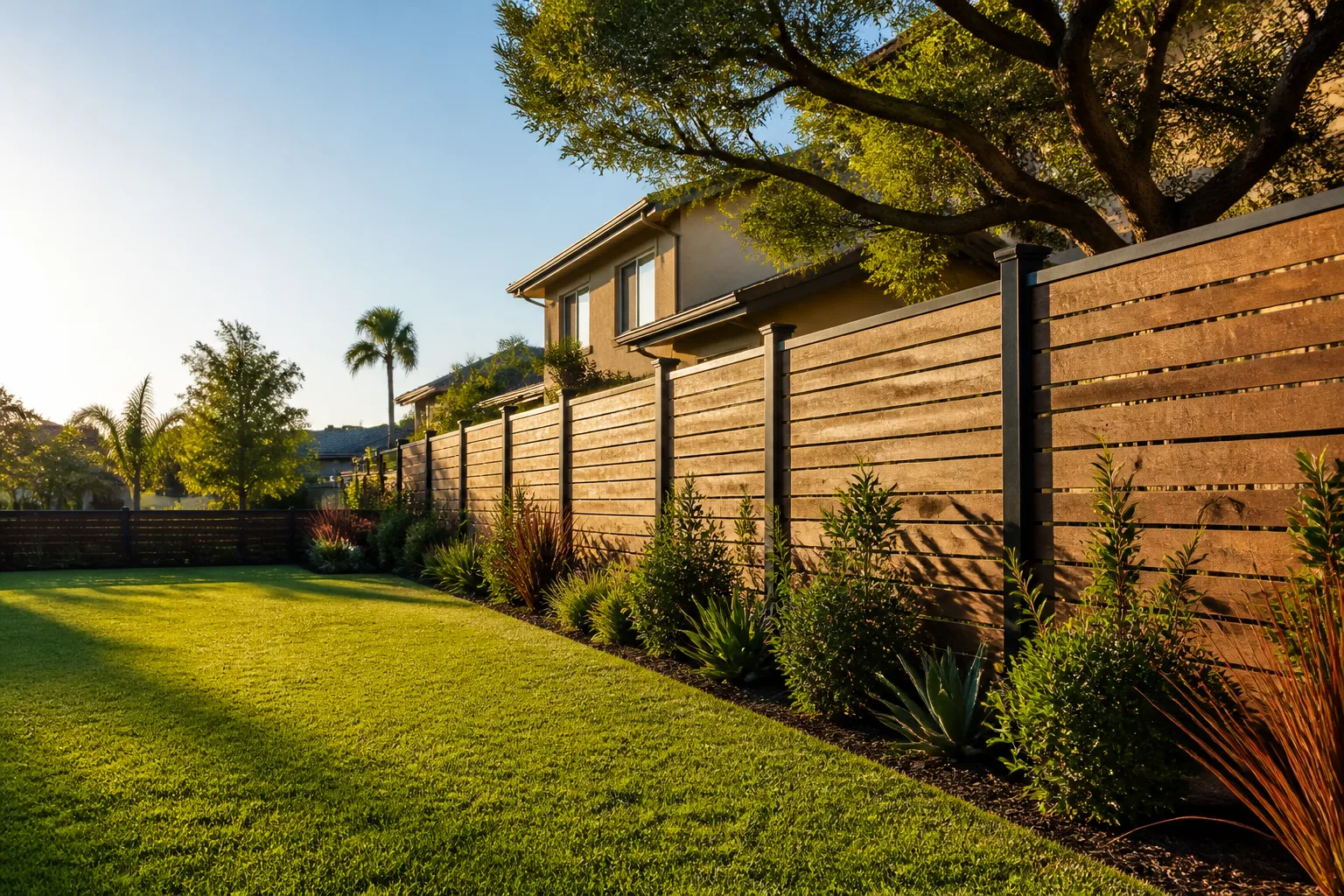
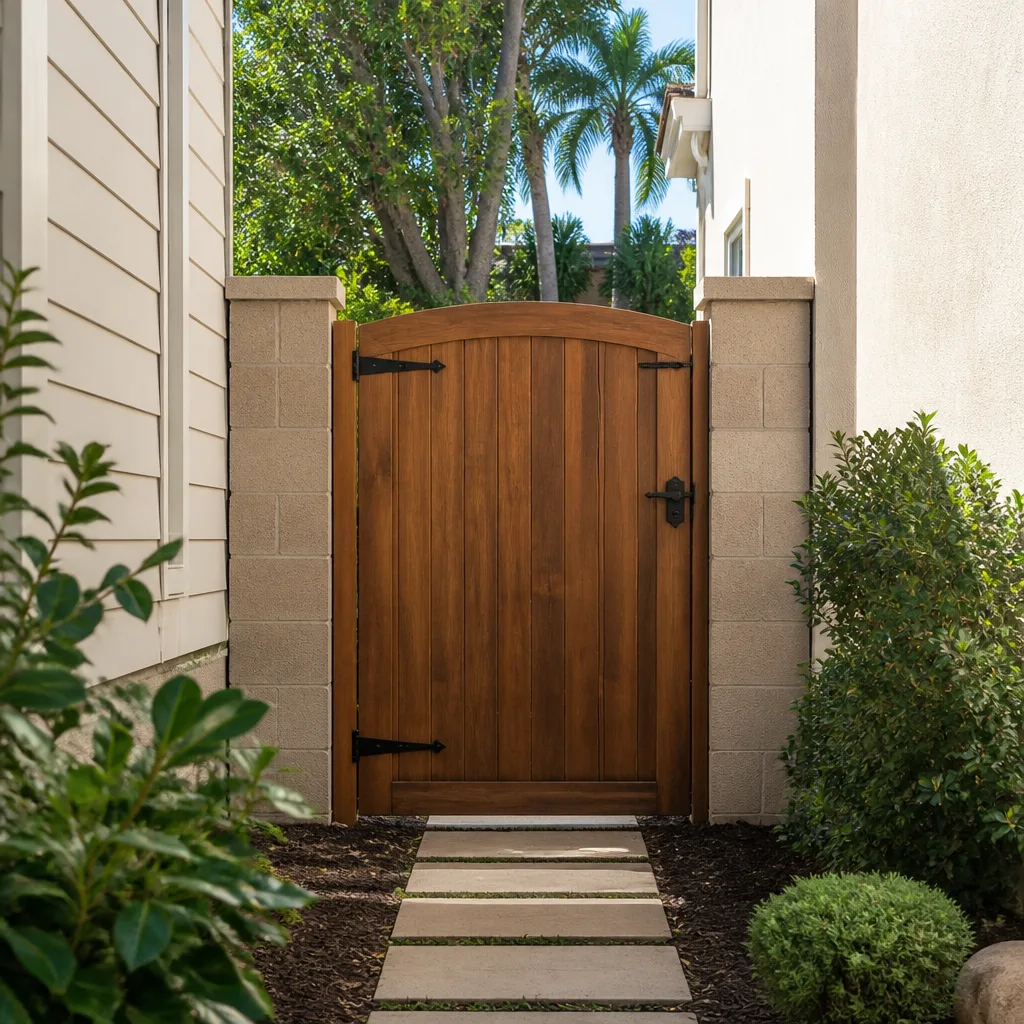
- Wood (cedar, redwood, or pressure-treated pine): The classic Yorba Linda look and the easiest to match to neighborhood character. Expect 12 to 20 years with proper sealing and staining every 2 to 3 years. Wood is the material most affected by our dry heat and UV, and untreated pine can warp and gray within a couple of seasons. The upside: it’s repairable board by board, and it fits almost any HOA palette.
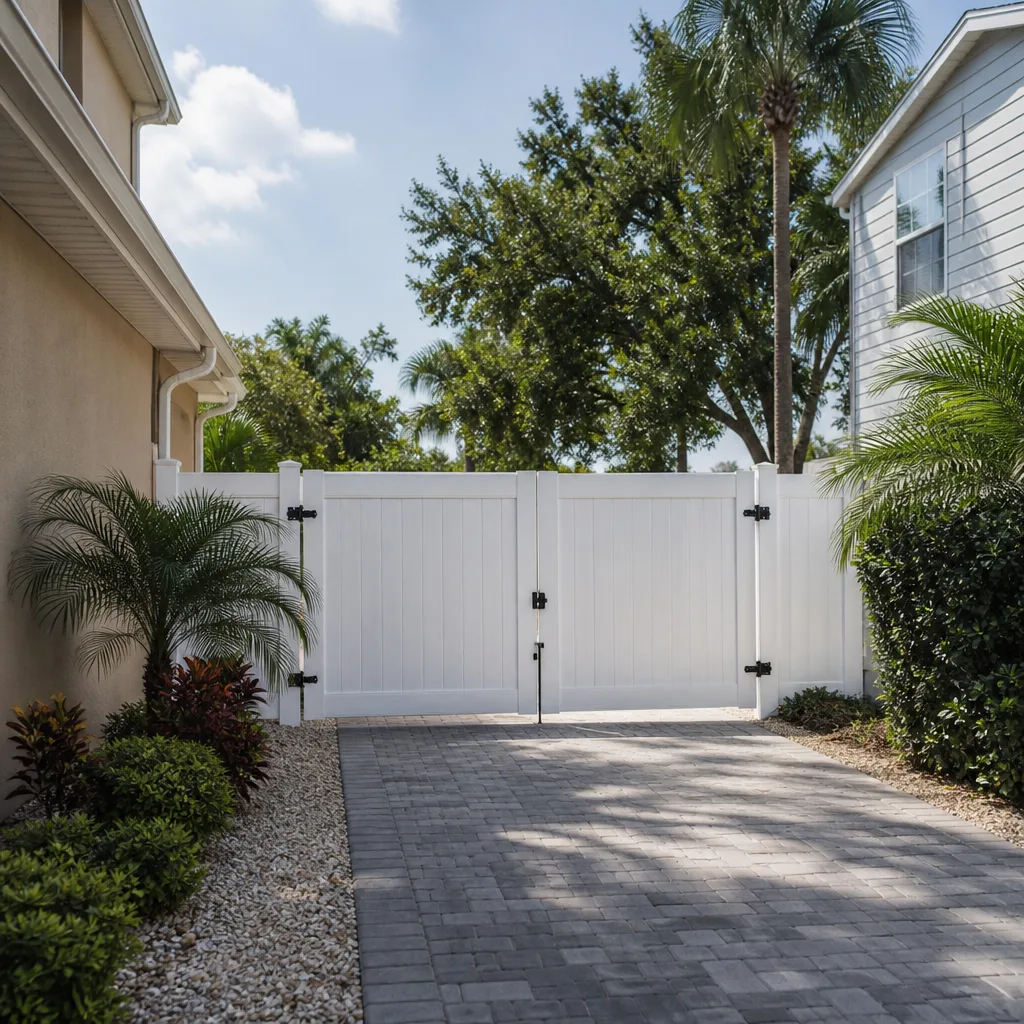
- Vinyl: The lowest-maintenance choice. A quality vinyl fence runs 20 to 30 years with nothing more than an occasional wash. The trade-off is our UV intensity, which can yellow cheaper vinyl over time, so the grade of the material matters. Vinyl also expands and contracts in our temperature swings, so post spacing and footing have to be right or panels can bow. Many Yorba Linda HOAs restrict vinyl to specific styles.
- Aluminum (ornamental steel-look): The best pick for view lots and slope properties where you want a boundary without blocking the vista. Powder-coated aluminum resists rust and handles wind better than solid wood or vinyl because it lets air pass through. Expect 20-plus years. It’s not a privacy fence, though, so it suits front yards, pool enclosures, and view-side boundaries rather than a private back patio.
- Masonry (block or brick): The most durable and the most expensive. A block wall can last 50 years or more and handles wind and heat with ease, but it’s heavy, needs an engineered footing and often a permit, and our expansive clay soil requires attention to foundation design. On hillside lots, a masonry wall doubles as a retaining structure and must be engineered.
In our experience, the right answer in Yorba Linda usually blends materials: wood or vinyl for privacy along the shared side yards where neighbors are close, and aluminum along a view or slope boundary where you don’t want to wall off the hills. A fence that fights the climate costs you every few years in repairs. A fence that matches it costs you once.
How HOA Covenants Change the Rules
City code is only the floor. In many Yorba Linda communities, the HOA’s CC&Rs (covenants, conditions, and restrictions) are stricter and they govern your fence regardless of what the city allows. The HOA is a private contract you agreed to when you bought, and it can restrict height below the city’s 6 feet, dictate materials and colors down to the stain, require a specific fence style to match the community, and mandate an architectural review and written approval before you build. Build without that approval and the HOA can require you to remove or restain the fence at your own cost, even if it passed city inspection.
This is where a lot of Yorba Linda projects stumble. Homeowners read the city code, confirm their fence is legal, and build. Then the HOA architectural committee sends a letter because the fence color doesn’t match the community standard or the style differs from the approved design. The fix is unglamorous but essential: get your CC&Rs, read the fence provisions, and submit an architectural request before you order materials. If your community has a design review process, build the approval window into your timeline. Many HOAs take several weeks to review.
What to confirm with your HOA before building
- Maximum permitted fence height (often lower than the city’s 6 feet).
- Approved materials and styles (some ban chain-link and certain vinyl styles outright).
- Approved stain or paint colors, sometimes down to a specific brand and shade.
- Architectural review and written approval requirement, plus the review timeline.
- Any shared-fence or common-area rules if you back onto HOA open space.
If you’re not sure whether your Yorba Linda property is in an HOA, your title report and closing documents will tell you. Check before you plan. A fence that’s city-legal and HOA-compliant is the only fence worth building.
Post Footings, Concrete, and Yorba Linda’s Soil
Most fence failures in Yorba Linda don’t start with the boards. They start underground, at the footing. Our soil is often expansive clay that swells when it’s wet and shrinks and cracks when it dries, and that movement works on fence posts every season. A post set too shallow or in too little concrete will heave, lean, and eventually fail, taking a whole panel with it. Getting the footing right is the difference between a fence that stands for decades and one that’s leaning in five years.
The general standard for a wood or vinyl fence post in our conditions: a hole roughly 8 to 12 inches in diameter, set about one-third the post’s above-ground height into the ground (so a 6-foot post goes about 2 feet down, 3 feet on a slope or high-wind exposure), with the post set in concrete that crowns above grade so water runs off rather than pooling at the base. Aluminum posts on a view-line boundary often use a different anchoring approach. What matters is that the depth and concrete volume match the soil and wind load, which is why a hillside or exposed lot needs deeper footings than a sheltered interior lot.
What a proper Yorba Linda fence footing involves
- Call 811 before you dig. Free utility locating is required, and it’s the step people skip. Hitting a gas or irrigation line is a genuine safety and cost hazard.
- Dig to depth. Roughly one-third of the post’s above-ground height, deeper on slopes and windy exposures.
- Set the post and check plumb. Bracing matters while the concrete cures.
- Pour concrete with a crown. Slope the top so water sheds away from the post, not into it.
- Let it cure before loading. Resist the urge to hang panels the same day.
On expansive clay, footings also benefit from proper drainage, so water doesn’t sit against the base. If your yard holds water in winter, that’s worth flagging before the posts go in. We’ve re-set more Yorba Linda fence posts than we can count because they were dug shallow and poured thin, and the fix is always more expensive than doing it right the first time.
Hillside and Sloped-Lot Fence Installation
A lot of Yorba Linda is built on hills, and a sloped lot changes fence installation in ways flat-lot guides never mention. On a grade, a fence can step down the hill in level sections (the “stepped” or “stair-step” style), follow the slope in a racked pattern, or combine both. Each approach affects post depth, panel design, and how the fence reads from the street and from the downhill neighbor’s side. There’s also the ownership question: on a slope, the fence often sits on a retaining structure, and whoever’s ground the retaining wall holds back has responsibility for it.
The recurring issue on Yorba Linda hillside lots is a fence that doubles as a retaining wall. Once a fence holds back more than a small amount of soil, it’s a retaining structure, and that means engineered footings, proper drainage to relieve hydrostatic pressure, and usually a permit and inspection. Skip the engineering and the wall leans, cracks, or fails after a wet winter. We’ve seen hillside fences fail not because the wood rotted, but because water built up behind them with nowhere to go.
On a sloped property, the practical steps look like this:
- Decide the layout first: stepped sections for a level top line, racked panels for a smooth slope-following line.
- Confirm the retaining requirement; if the fence holds back soil, plan for engineering and a permit.
- Design drainage behind the fence so water sheds away rather than pressing on it.
- Use deeper footings on the downhill side and at exposed, windy edges.
- Check the view-line rules if your lot backs onto open space, so the fence stays within height and setback limits.
If your Yorba Linda property backs onto a slope or open space, the fence line is often the most visible part of the whole project from the lower streets and trails. Get the layout and the retaining piece right, and the fence becomes part of the landscape instead of a problem waiting for the first heavy rain.
What Fence Installation Costs in Yorba Linda
Fence pricing in Yorba Linda runs higher than the county average, and the reasons are specific: hillside lots need deeper or engineered footings, good fences here often need a permit or HOA approval, and the materials that survive our climate cost a bit more than the cheapest grade. The ranges below are what we see for typical residential projects, priced per linear foot including materials, labor, and standard footings. Treat them as planning ranges, not a bid; the exact number depends on your line length, terrain, and material choices.
| Fence type | Typical cost per linear foot | Notes for Yorba Linda |
|---|---|---|
| Pressure-treated wood privacy fence | $35 – $55 | Most common choice; expect restaining every 2 to 3 years |
| Cedar or redwood privacy fence | $45 – $70 | Better UV and rot resistance; premium look |
| Vinyl privacy fence | $40 – $65 | Low maintenance; check HOA-approved styles |
| Ornamental aluminum | $45 – $75 | Best for view lots and slopes; not a privacy fence |
| Masonry / block wall | $60 – $120+ | Heavy; needs engineered footing and permit; best longevity |
| Retaining-wall upgrade (hillside) | Varies widely | Engineering, drainage, and permit add cost on sloped lots |
A short 50-foot side-yard fence and a 300-foot boundary fence with a retaining section and a permit are very different projects. The line-item quote is what tells you which is which. We put everything into a written, upfront-priced proposal so the number you see is the number you pay, with no mid-project change orders, and our projects over $10,000 qualify for $1,000 off, plus 0% financing for 18 months if you’d rather spread the cost. Our free estimate includes a design consult so you’re comparing real options, not guesses.
The Installation Process, Step by Step
Whether you hire us or another contractor, knowing the actual order of operations keeps a Yorba Linda fence project from stalling. This is the sequence a proper installation follows, from paperwork to final inspection, so you can tell whether a crew is cutting corners or doing it right.
- Confirm the line and the rules. Survey or plat map for the boundary, city zoning for height and setback, CC&Rs for HOA limits.
- Get approvals. Architecture review for your HOA, building permit if the fence is over-height, a retaining structure, or masonry.
- Call 811. Utility locating before any digging. No exceptions.
- Set out the fence line. Mark the boundary and confirm it against the survey before digging posts.
- Dig and set posts. Depth per the terrain and wind exposure, concrete crowned to shed water.
- Frame and install panels. Stepped or racked to match your slope; check plumb, level, and spacing as you go.
- Drainage and retaining. On a hillside, drainage behind the fence and any retaining work gets finished before the fence closes in.
- Inspection and final walkthrough. If a permit was pulled, the inspection happens here. Then we walk the fence with you before we call it done.
Our crews are background-checked and arrive in uniform, and every project is backed by the 730-Day Done Right Promise, so if something is off after the job, we come back and make it right. On the material side, we work with a curated set of brand partners across every trade, and the same standard that puts GAF and CertainTeed on our roofs and Andersen on our windows applies to the fencing materials we recommend. A fence is built to last and backed in writing, and you should see the writing before you sign.
Common Mistakes to Avoid
- Building before the survey. Assuming your property line without a survey is how tear-down orders happen. Confirm the boundary before a post hole is dug.
- Skipping the HOA approval. Reading city code and ignoring your CC&Rs gets you an HOA letter after the fence is up, and you may pay to restain or rebuild.
- Forgetting the retaining-wall threshold. In Yorba Linda, a fence on a slope often holds back soil. Past the city’s limit, that’s a retaining wall with a permit requirement, not a fence.
- Digging shallow footings. Shallow, thin-poured posts heave in our expansive clay. The fix is always more expensive than doing it right once.
- No written notice on a shared fence. California’s shared-fence law runs on notice. Build first and bill later and the cost split can evaporate.
- Ignoring drainage on hillside lots. Water trapped behind a hillside fence is the most common cause of fence-wall failure after a wet winter.
- Picking material by price alone. The cheapest wood fence in our UV and wind conditions costs you more in restaining and repairs than the right material up front.
See the difference
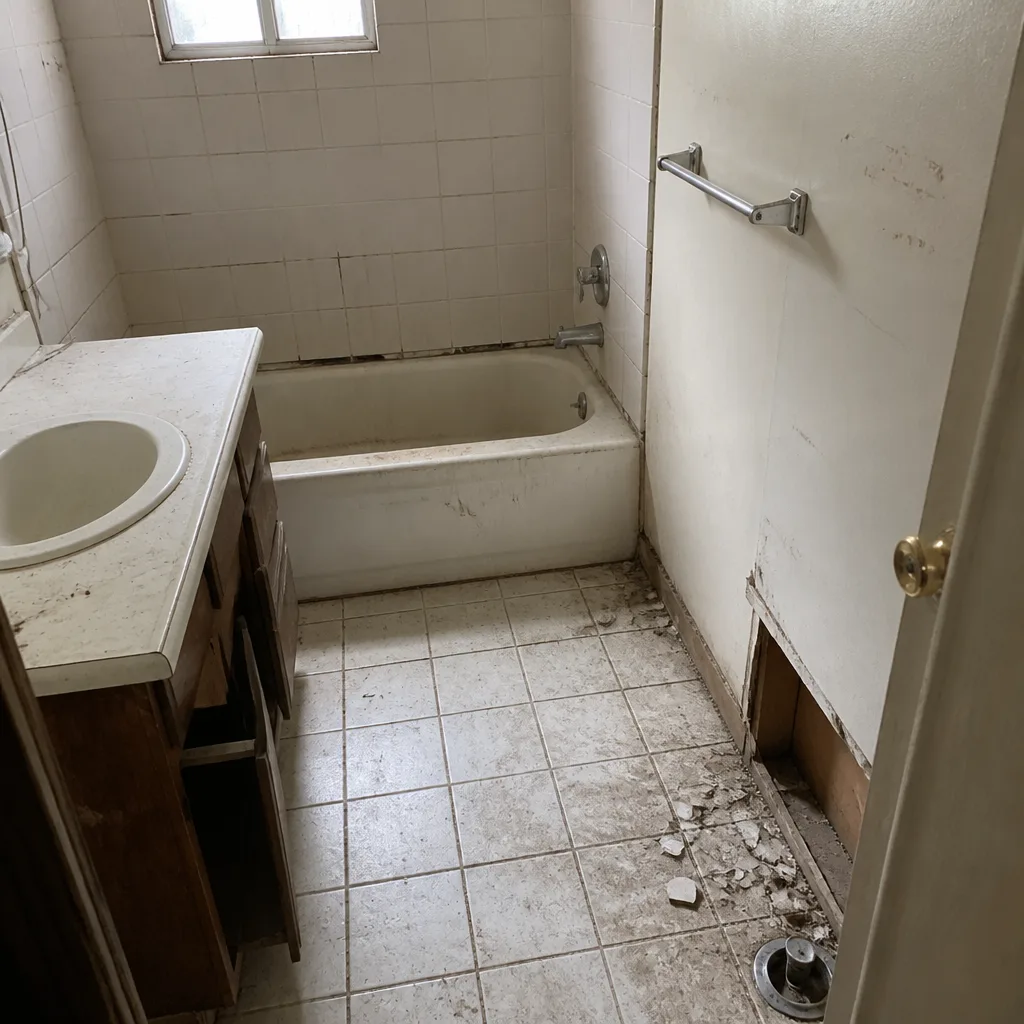 Before
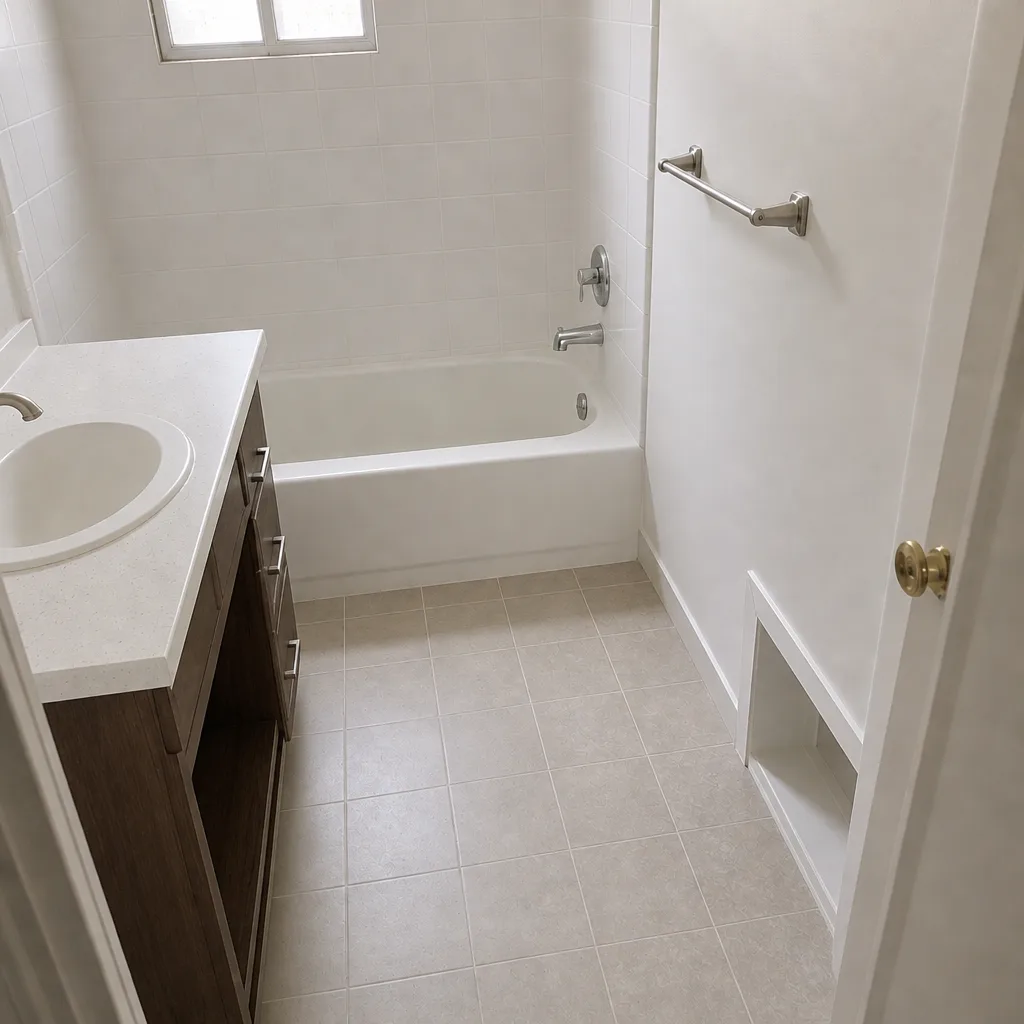 After
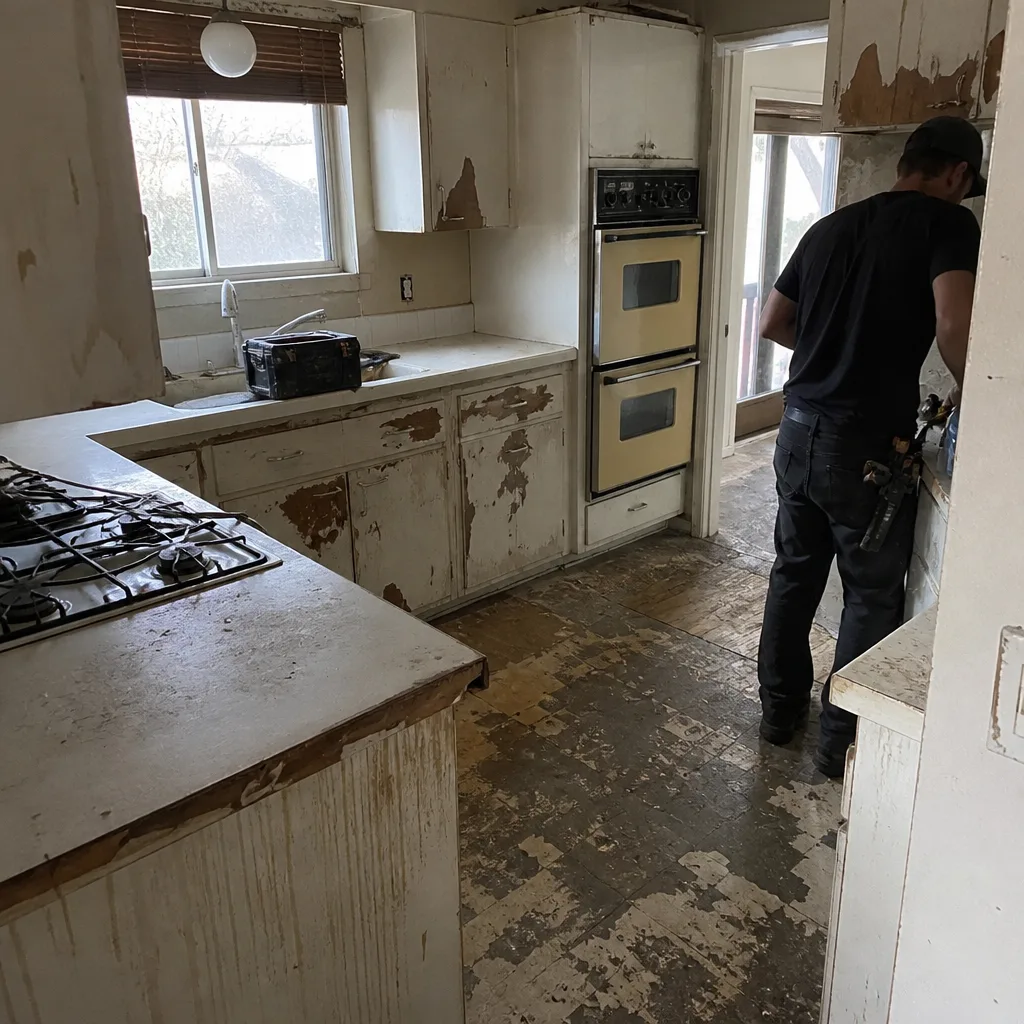 Before
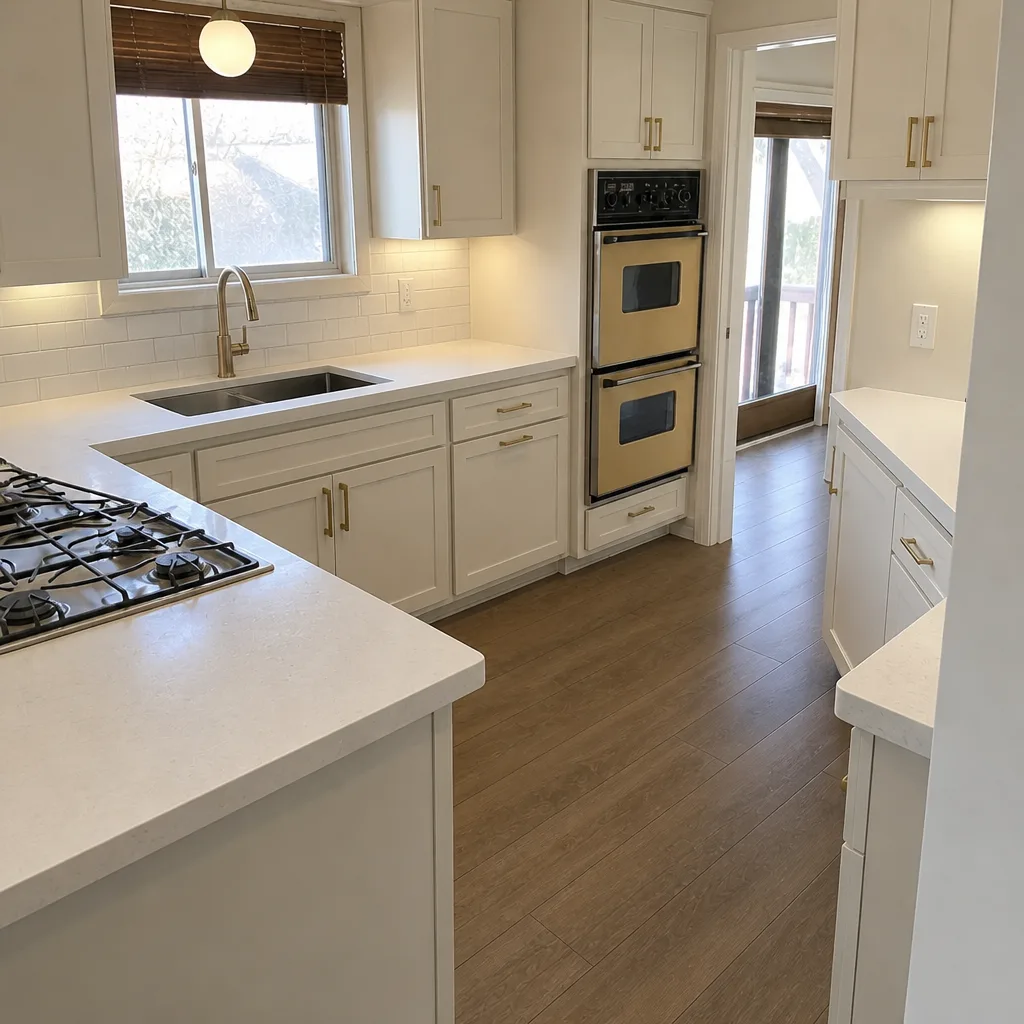 After
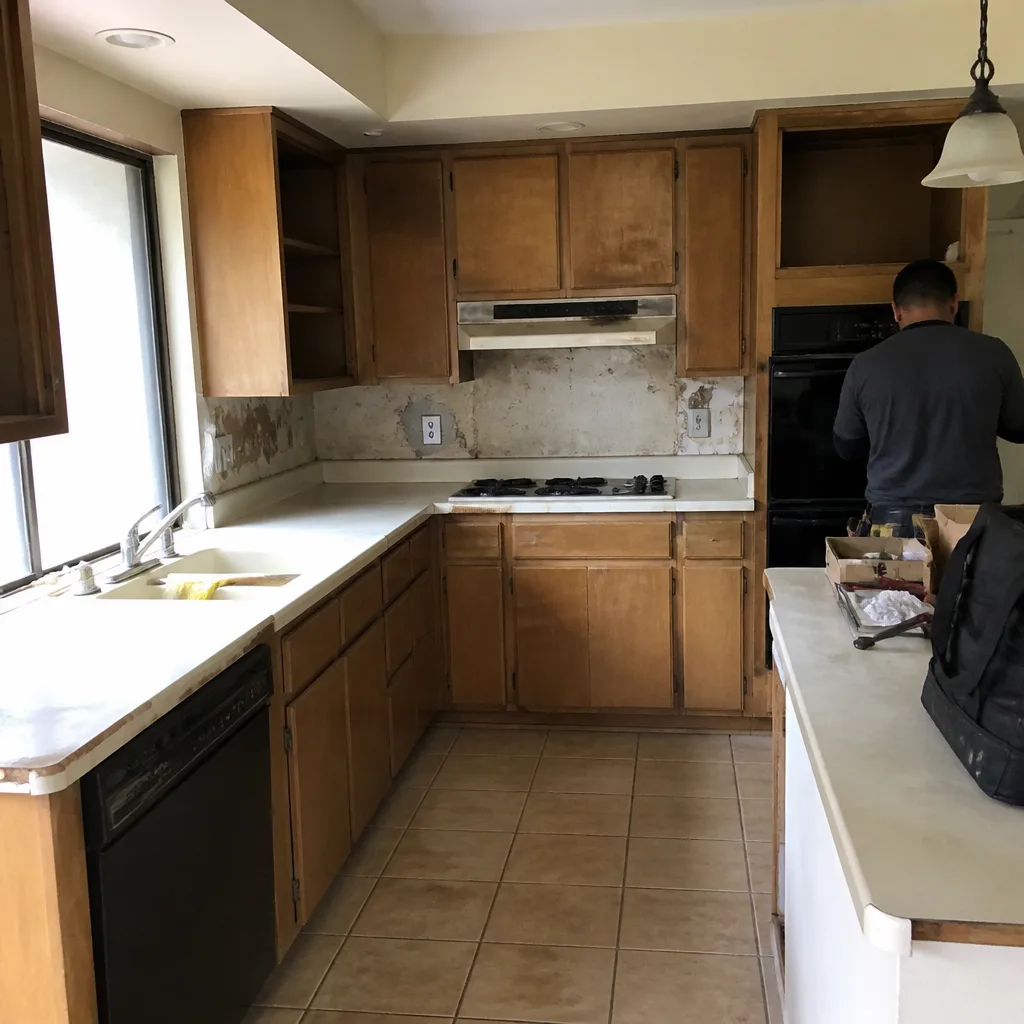 Before
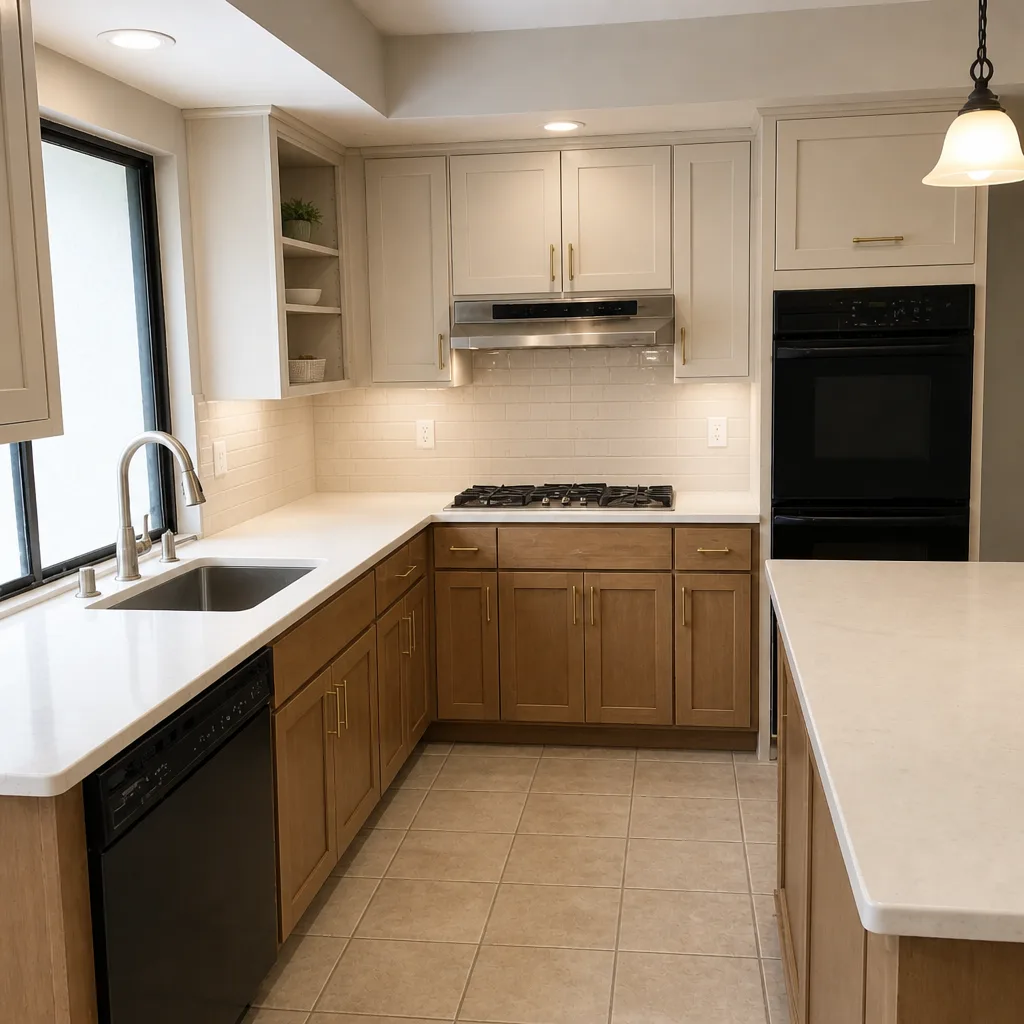 After
When to Call a Professional
Some fencing jobs are genuine weekend work. A short interior privacy fence on flat ground, well clear of any retaining requirement, doesn’t need a crew. But call a licensed professional when your project involves a sloped or hillside lot, any retaining structure, an over-height fence or masonry wall that needs a permit, a shared boundary line with a disputed owner, a complex HOA review, or a job that requires utility locating and deep footings in clay. These are the situations where the do-it-yourself route turns into a tear-down, a neighbor dispute, or a wall that leans after the first heavy rain. On the safety side: if you’re digging near a marked utility line or setting a deep post on a slope, stop and bring in someone who does this every day. Groundwork Construction Co. of Yorba Linda offers free estimates in Yorba Linda, and you can reach us at (888) 255-9354 to talk through what your project actually needs.
If your project is part of a larger property plan, you can explore our Groundwork Construction Co. of Yorba Linda home page to see the full range of what we handle, or dig into Fence Installation in Yorba Linda for the specifics of a build. Many homeowners who start with a fence end up pairing it with Driveway & Pavers in Yorba Linda to finish the front-yard look, and some are planning a Home Additions & ADU in Yorba Linda that changes the whole property layout, which makes getting the fence line right the first time matter even more.
Frequently Asked Questions
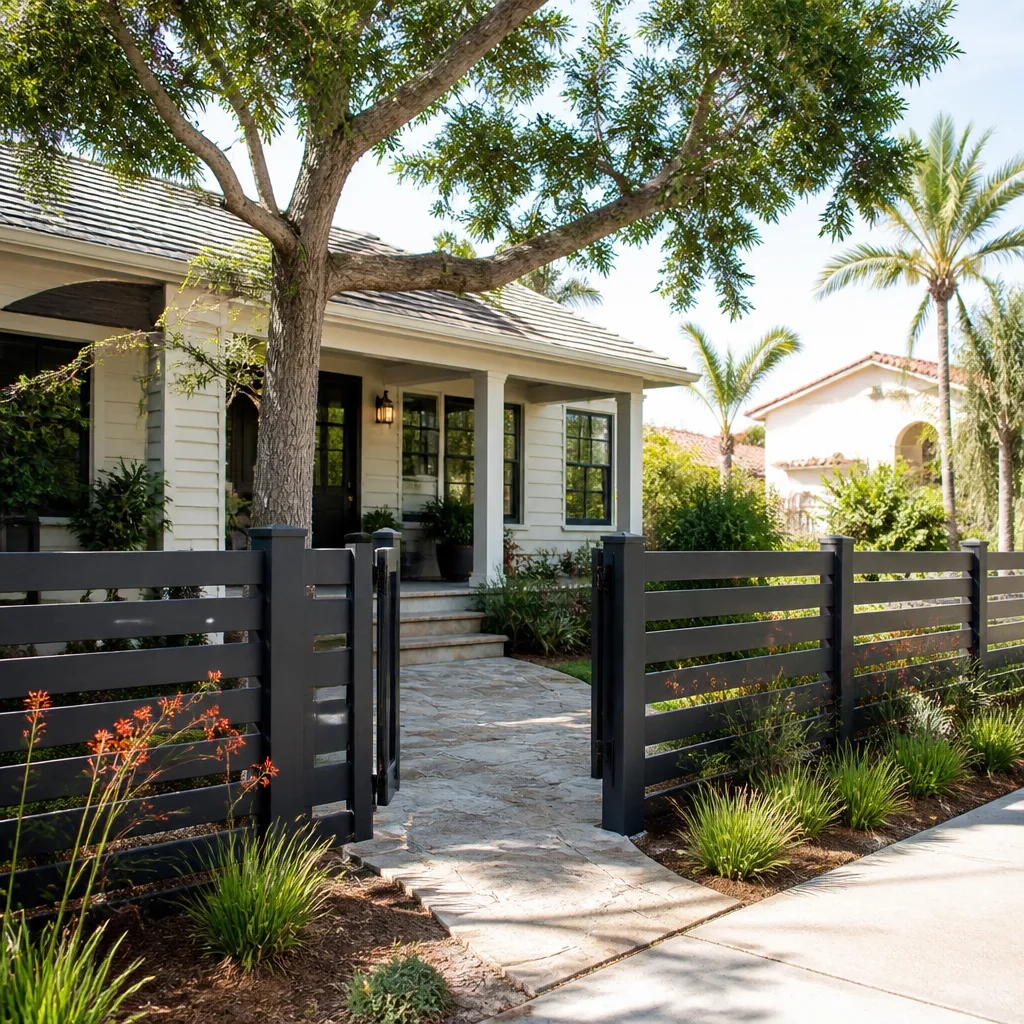
Usually not for a standard residential fence under 6 feet, but you do need one for a fence over 7 feet, for a masonry wall, and for any fence that doubles as a retaining wall holding back more than a small amount of soil. Front-yard and corner-lot fences also have setback limits worth checking with the city planning department. Call us at (888) 255-9354 and we’ll help you figure out which category your project falls into, with free estimates.
Most residential fences are capped at 6 feet, with 7 feet typically allowed at the rear of the lot and about 3 feet within the required front setback. HOA covenants can impose a lower limit than the city does, so check your CC&Rs as well as city zoning. If you’re unsure, our free estimate includes a look at your lot’s rules.
Yes, under California’s Good Neighbor Fence Law either adjoining owner can request a split of the reasonable cost of a shared boundary fence, but the law requires written notice and a reasonable response window. If a neighbor refuses, the requesting owner can pursue the allocated cost through small claims. Do the notice in writing from the start and you’ll avoid most disputes.
Most residential projects run roughly $35 to $75 per linear foot depending on material, with masonry at $60 to $120+ and hillside retaining work costing more because of engineering, drainage, and permits. A simple side-yard fence and a long boundary fence with a permit are very different numbers. Call (888) 255-9354 for an exact, written quote; estimates are free, and projects over $10,000 qualify for $1,000 off and 0% financing for 18 months.
With us, it shouldn’t. We price the job upfront and itemize it in writing so the number you see is the number you pay, and unexpected retaining or permit work gets scoped and agreed before we build. That upfront-pricing approach is why we can stand behind the work with our 730-Day Done Right Promise. Call (888) 255-9354 to get your written quote started.
Vinyl lasts longest with the least upkeep (roughly 20 to 30 years), masonry lasts longest overall but costs the most and needs engineering, and cedar or redwood is the best-looking wood choice with the most upkeep. Aluminum is the right pick on view lots and slopes where you don’t want a privacy wall. UV intensity and wind exposure are the main stressors, so material grade matters as much as the type.
The Bottom Line
In Yorba Linda, a fence is a legal structure as much as a physical one. That means checking the city’s height and setback rules, reading your HOA’s CC&Rs before you buy materials, handling any shared-line cost split with written notice, and getting the footings and drainage right for our clay soil and hillside lots. The material choice matters, but the groundwork matters more, and it’s the part that’s expensive to redo. Get the paperwork and the ground right, and the fence stands for decades. Get them wrong, and you’ll be pulling it out. When you’re ready to plan, we’ll walk your lot, confirm the rules that apply, and give you an upfront written quote.
Call (888) 255-9354 for a free estimate and design consult on your Yorba Linda fence project. Our team answers the phone with a live person 24/7, we back every project with the 730-Day Done Right Promise, and we’ll tell you straight what your project needs before anyone digs a hole.
Written by the team at Groundwork Construction Co. of Yorba Linda.