Last updated November 17, 2026
Free written scope consultation - allowances, timeline, and change-order rules on paper before a single trade is scheduled
Choosing the Right Construction Brand: A Buyer’s Guide for Yorba Linda
Two driveways go in the same week, same stamped pattern, same Yorba Linda neighborhood. Come back in ten years. One still reads as new. The other was torn out and rebuilt at year six. The difference wasn’t the installer’s skill on either job. It was the base material underneath: one was rated for California’s expansive clay soils and the other was a cheaper substitution the homeowner never knew to ask about. That gap between what you think you bought and what actually went in the ground is where money quietly disappears on construction projects. This guide is about closing it. You’ll learn what a “brand partnership” actually means, which material categories produce measurable performance differences in Yorba Linda’s climate, how to read a spec sheet for hidden substitutions, and why any workmanship warranty is only as strong as the materials backing it.
Quick Answer
The right construction brand in Yorba Linda is the one that names its materials in writing, tells you exactly which brands go into each category (pavers, sealants, drainage, roofing underlayment), and stands behind those choices with a long workmanship guarantee. Premium brands don’t make a home prettier by default; they make it perform better in Southern California heat, clay soil, and dry-to-wet seasonal swings. Ask for a line-item material spec before you sign, and judge the contractor by how specific that document is.
Styles & brands we work with
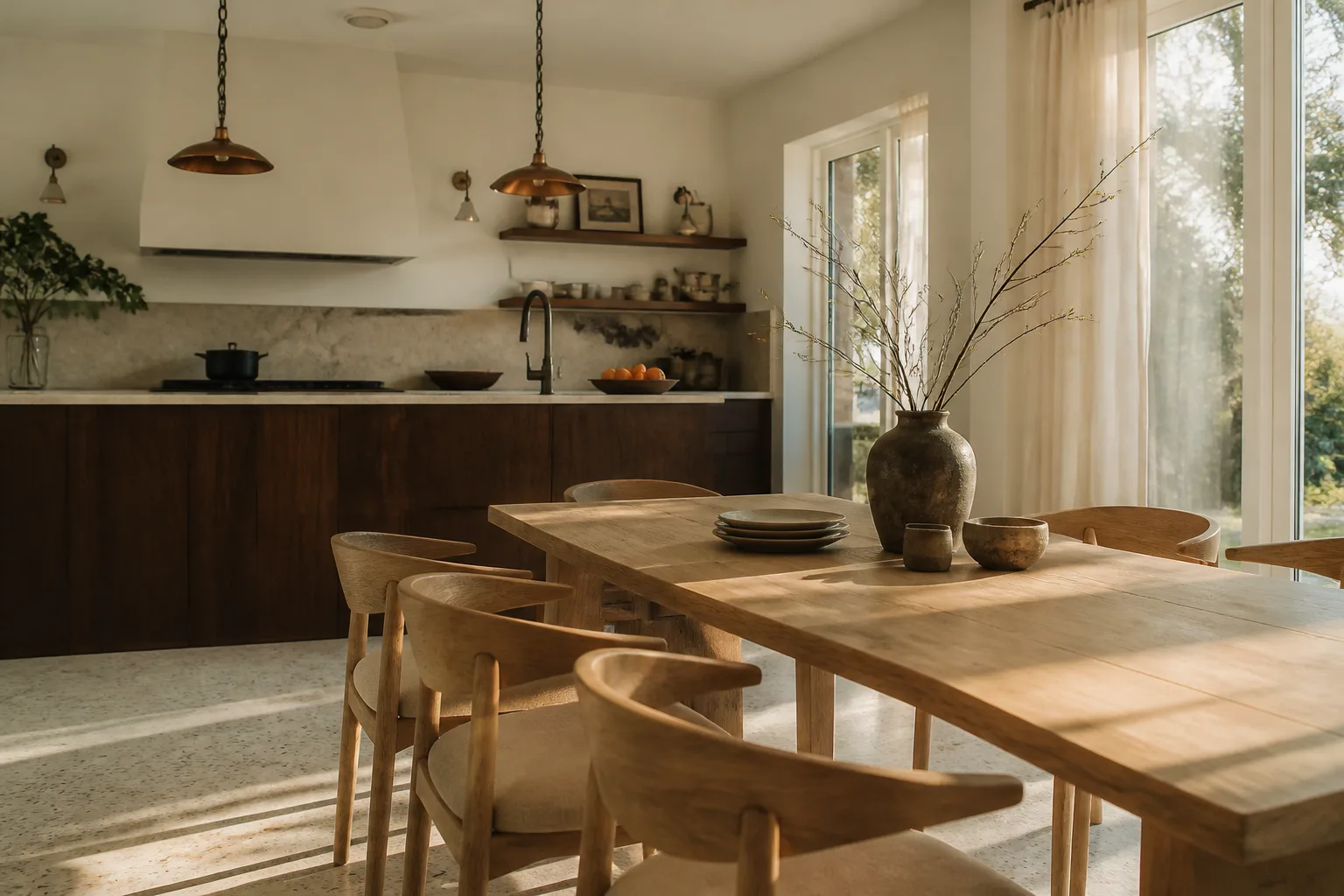
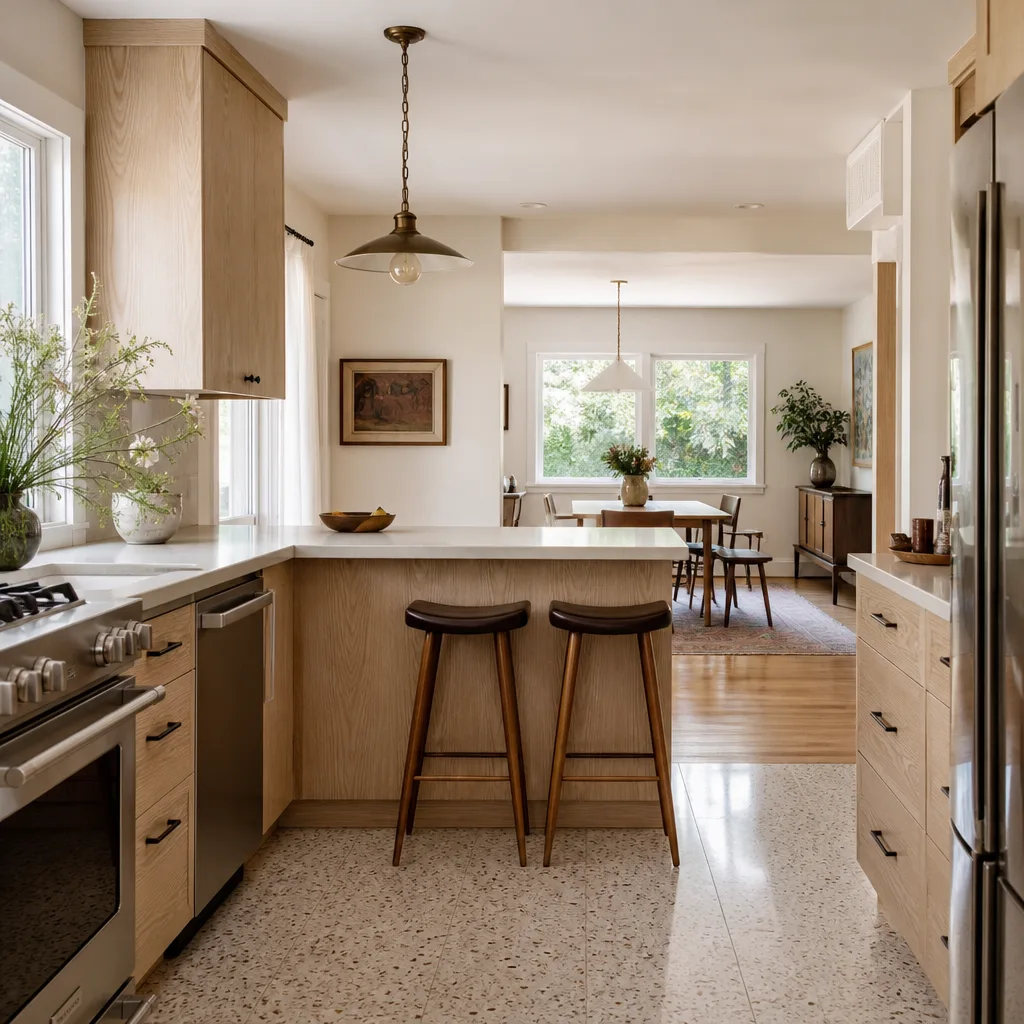
- Kitchen remodeling
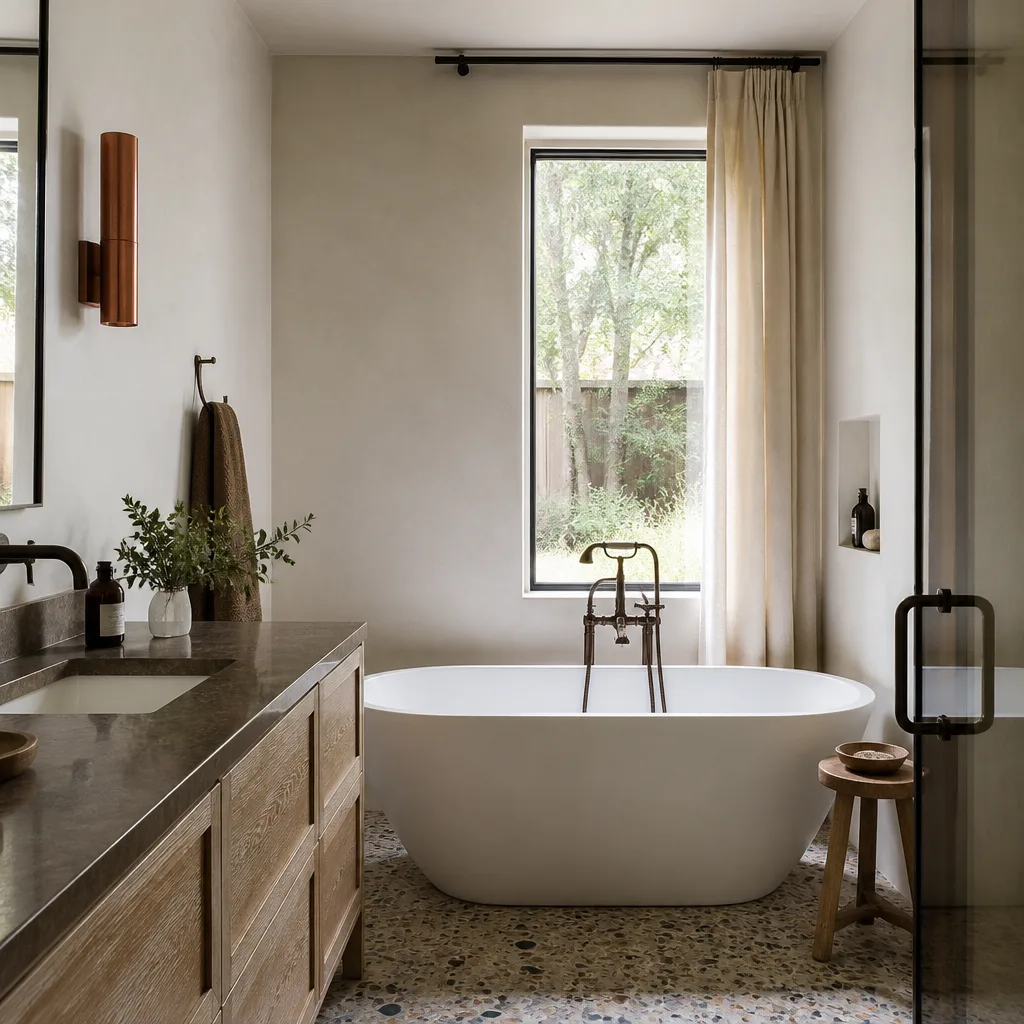
- Bathroom remodeling
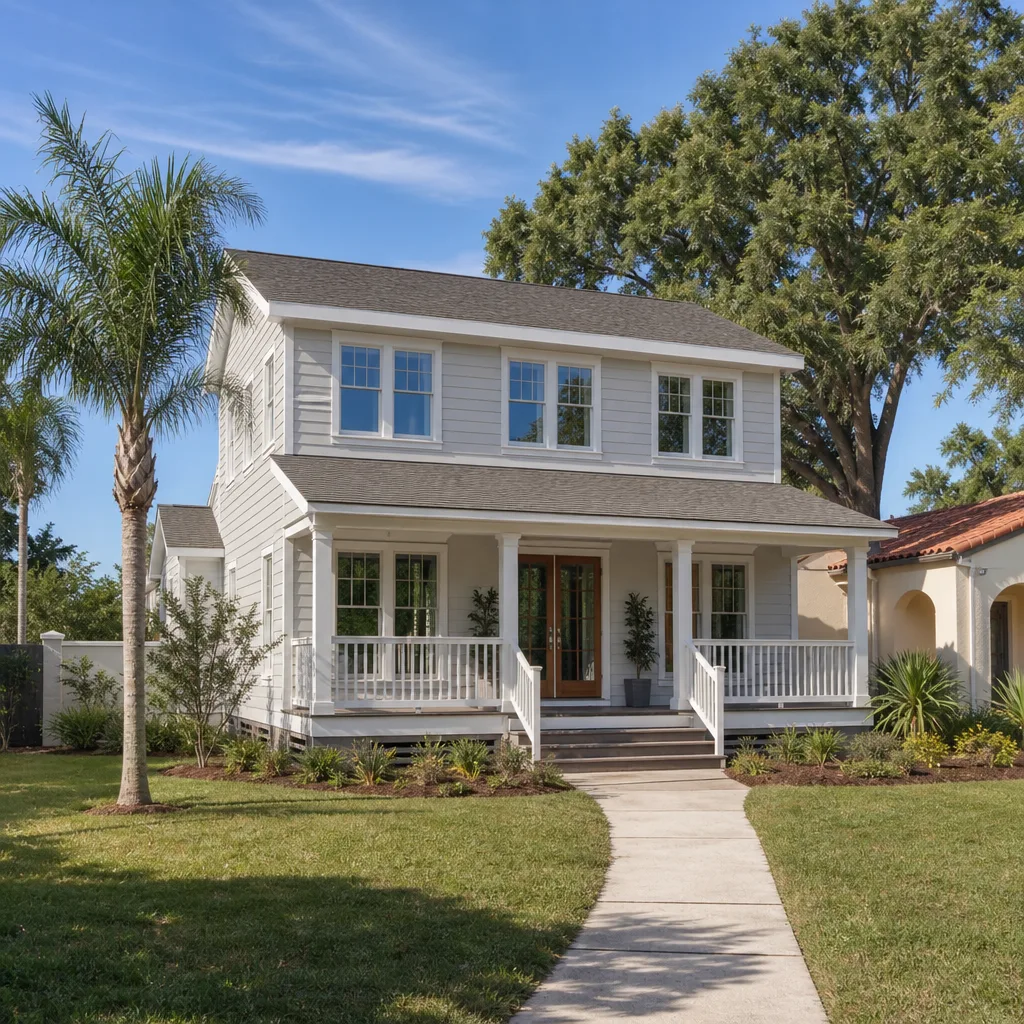
- Home additions & ADU
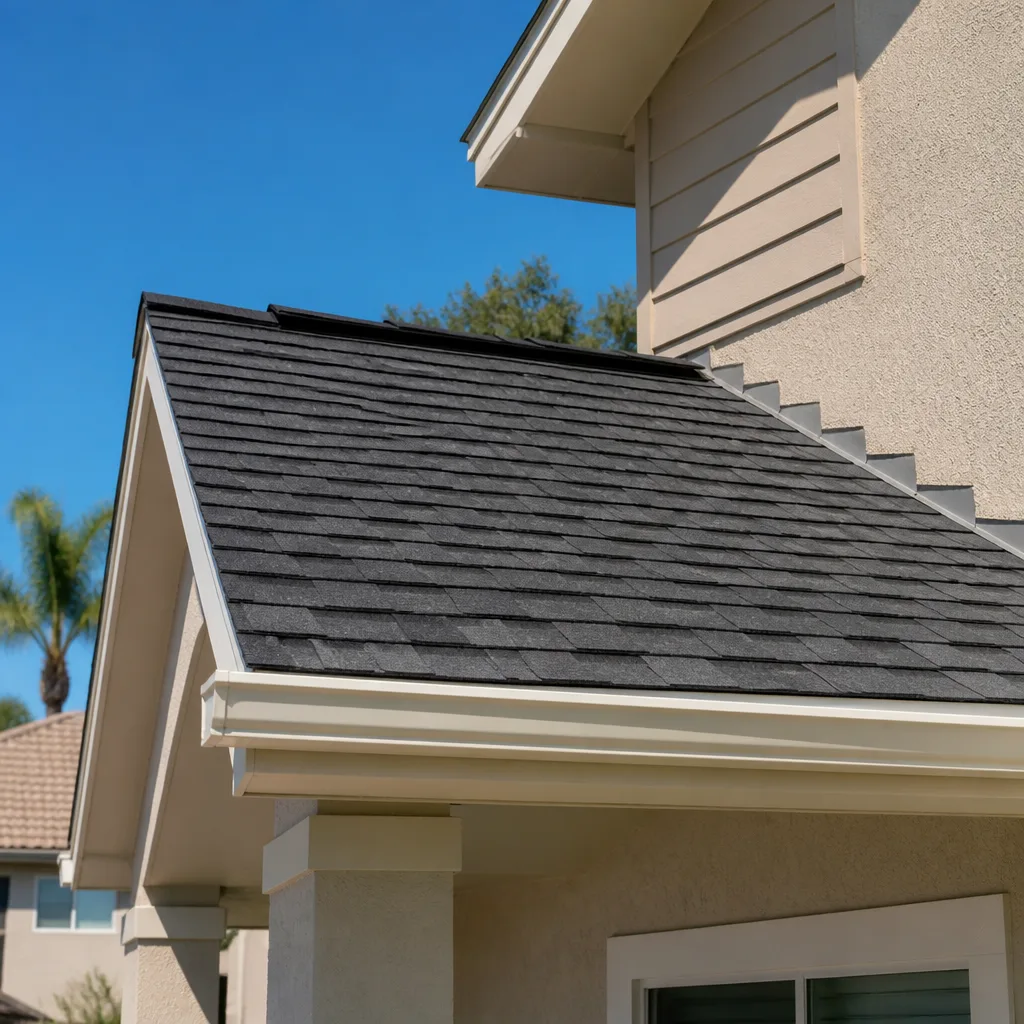
- Roofing
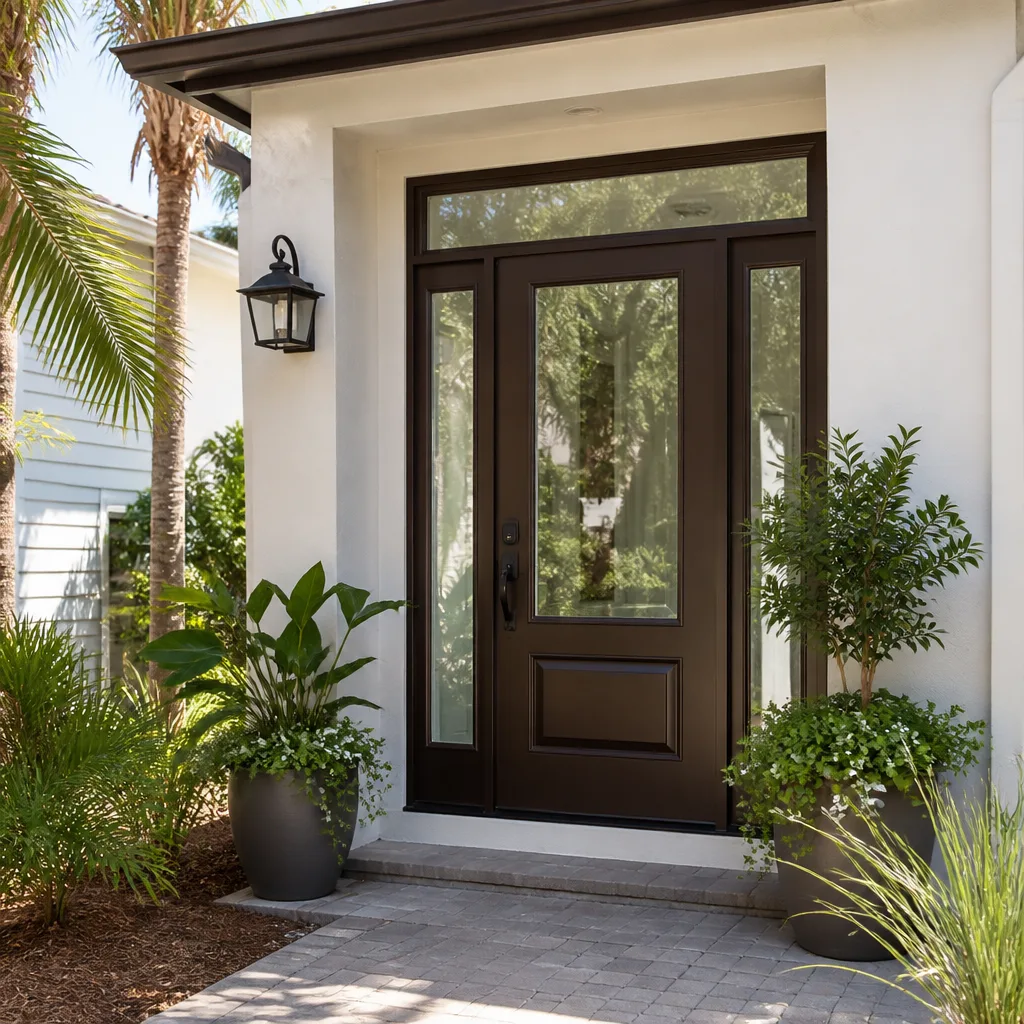
- Windows & doors
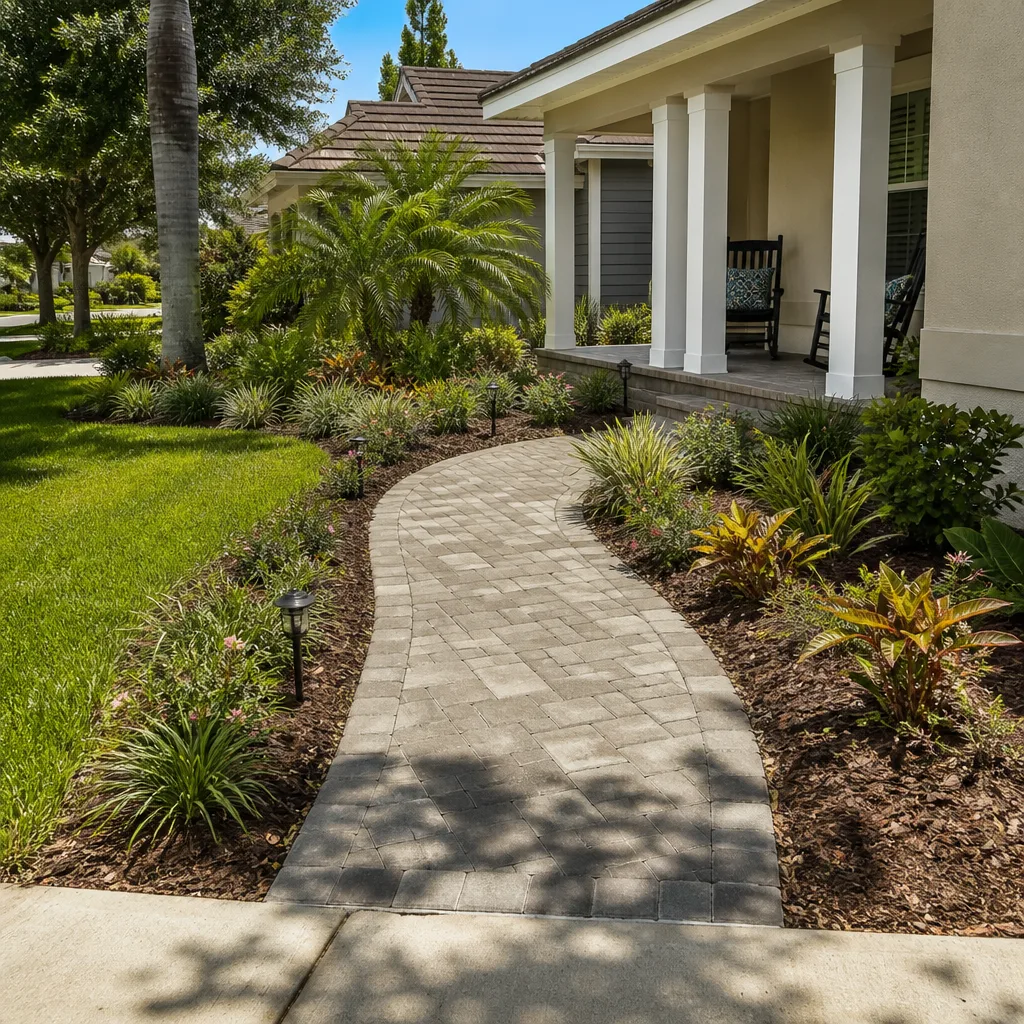
- Driveway & pavers
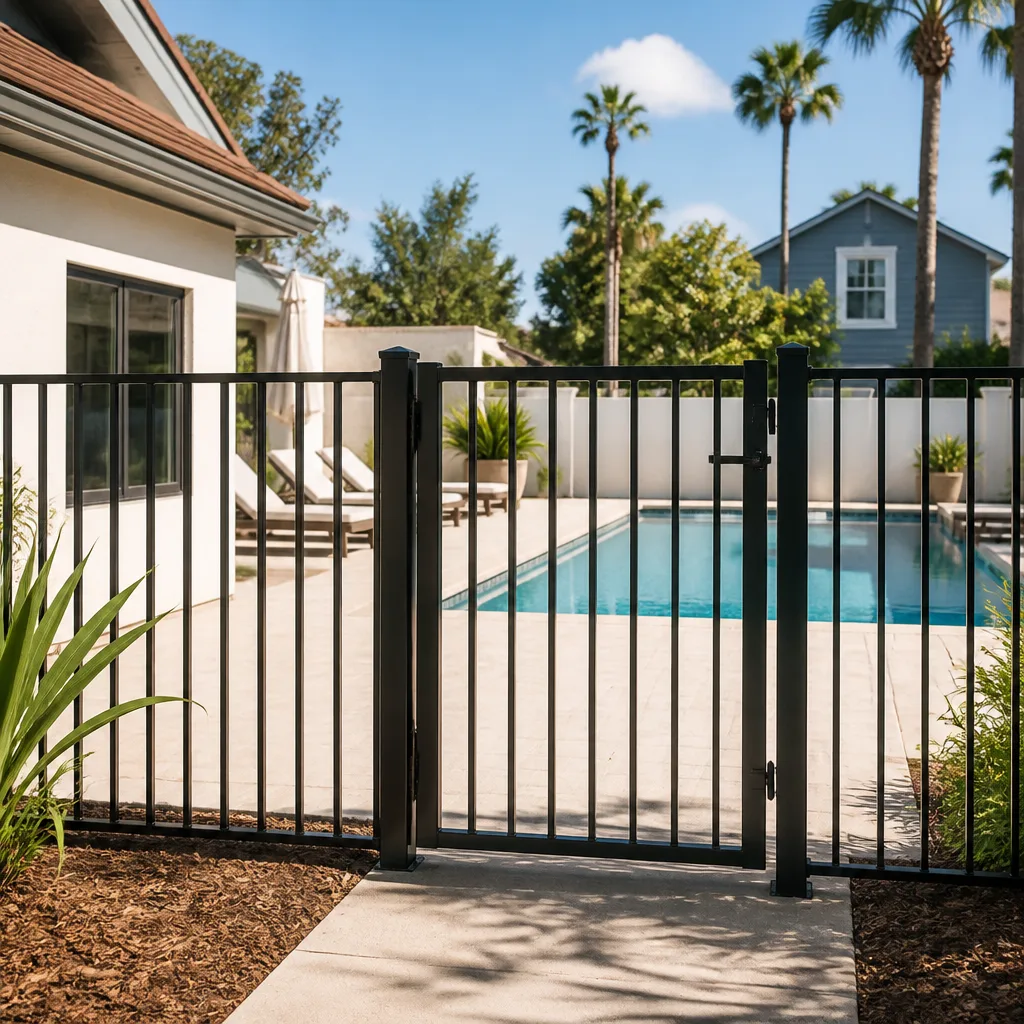
- Fence
Table of Contents
- What a Brand Partnership Actually Means
- Where Material Brands Change Performance in Yorba Linda
- How to Read a Contractor’s Material Spec Sheet
- Where Substitutions Happen Without Disclosure
- Questions That Reveal Why They Recommend a Brand
- How Materials and Warranty Coverage Interact
- A Numbered Walkthrough of a Solid Material Spec
- Common Mistakes to Avoid
What a Brand Partnership Actually Means (And Why It Matters)
In construction, the phrase “brand partnership” gets thrown around loosely. Here’s the distinction that matters to you. A general supplier relationship means the contractor buys whatever’s cheapest at the moment from an open catalog. A brand partnership means the contractor has committed to specific manufacturers and can buy their full lines directly, at a known price, with documented product codes. The second model creates accountability. When your contractor names GAF as the shingle brand, they’ve tied their own reputation to that product, because you can check the specification, verify the label on the wrapper when the pallets arrive, and confirm what was installed after the fact.
That accountability is the quiet benefit. A contractor who buys from anonymous middlemen has no one to stand behind the product and no reason to be picky. A contractor partnered with named brands puts their name beside a product line other people can verify. For a homeowner, that’s leverage. You can hold the job to a written standard that doesn’t live only in a handshake.
Yorba Linda homeowners should treat brand partnership as a testable claim, not marketing language. Ask which brands the contractor is partnered with in each trade, ask what that partnership gets you in product selection and pricing, and ask whether they’ll put those brand names on the estimate. A contractor who flips through the answer is likely layering a supplier relationship on top of a shortage of real commitments.
The reason partnership matters so much is downstream of trust: partnered brands come with commercial warranties on the product itself, which stack on top of workmanship guarantees. A roof carrying a manufacturer’s warranty on the shingles plus a workmanship guarantee on the installation gives you two layers of recourse. The contractor’s credibility and the manufacturer’s durability stand or fall together. That’s a much better position than relying on a single unnamed supplier who answered the phone last week.
Where Material Brands Change Performance in Yorba Linda
Not every material choice affects performance. Some decisions are cosmetic. Others are the difference between a project that survives a decade of Yorba Linda weather and one that fails early. Here are the categories where brand specification produces measurable results for homeowners in this part of Orange County.
Hardscape Base and Pavers
Yorba Linda sits on some of Southern California’s notoriously expansive clay soils, especially around the older hillside lots and equestrian properties. Expansive soil swells when wet and shrinks when dry, and it will lift poorly specified pavement from underneath. Base material matters as much as the paver surface. Premium paver brands like Belgard rate their products for load and movement tolerance, and a contractor partnered with them will use a base specification designed for movement, not just for the wet Southern California clay. If you’re installing a driveway or patio, see our Driveway & Pavers in Yorba Linda guide for the local detailing.
Concrete Additives and Mix Design
Two concrete flatwork jobs can look identical the day they’re poured and behave completely differently by year three. The differences are the cement type, water-to-cement ratio, air content, and any fibers or additives in the mix. Manufacturer specification for a given climate or application (driveway, freeze-thaw, expansive base) determines whether a slab surface cracks under Yorba Linda’s dry-season sun and wet-season rain. Ask what mix design your contractor plans and whether it’s specified in the estimate.
Waterproofing and Drainage Systems
In Southern California, waterproofing isn’t just about walls; it’s about managing the difference between a long dry season and several weeks of concentrated rain. French drains, footing drains, and moisture barriers vary widely by brand in their flow rating and material durability. A poorly specified drainage product is the sort of thing that fails quietly until a rainy season exposes the mistake. Ask for the drainage brand and its rated flow capacity.
Roofing Underlayment and Shingles
Yorba Linda’s inland heat ages roofs faster than coastal climate does. Underlayment brand determines the membrane’s heat tolerance and lifespan against UV exposure; shingle brand determines the granule adherence and wind-rating. GAF and CertainTeed both offer product tiers with genuinely different warranty terms. A contractor who names specific shingle tiers can’t hide a downgrade to a builder-grade rank without breaking a written commitment.
Fencing Materials
Fence posts fail long before the panels do, and post material quality varies widely. A partner-grade fence material (James Hardie for hardscape-adjacent fencing, or a premium wood species) will outlast a generic equivalent by years in Yorba Linda’s dry summer heat. See our Fence Installation in Yorba Linda guide for how material selection interacts with local site grading.
Windows and Doors
Window brands vary in thermal performance, hardware durability, and warranty length. Andersen and Marvin both rate their products for specific climate zones and warranty terms. In a Yorba Linda home where summer heat drives cooling bills, window specification has a measurable energy effect. If you’re replacing windows or adding a room, check that the specification includes both the frame material and the glass rating in writing.
How to Read a Contractor’s Material Spec Sheet
Most homeowners have never actually seen a material spec. They see a lump-sum estimate and a picture book, and the material detail lives only in the contractor’s head. That’s the problem. A material spec is a short document that names the specific brand and product tier for each major component in your job. Reading it tells you what you’re really buying, and later tells you whether it went in as promised. Here’s how to read one without being a builder yourself.
- Look for brand names, not categories. “Premium roofing shingles” is a category. “GAF Timberline HDZ” is a brand and product tier. If the spec never names one, you don’t have a spec, you have a wishlist.
- Look for the word “or equal.” This phrase is where substitutions start. Ask what “equal” means in practice and whether you’ll be notified in writing if it changes.
- Check that each trade has its own line. Roofing, underlayment, drainage, waterproofing, concrete mix, hardware, and finish should each be listed separately. A single lump-sum line hides the details you need most.
- Confirm the product code or SKU where possible. A named brand plus a product code is a real commitment. A named brand alone leaves room for versions and tiers.
- Look for explicit no-substitution language. Ask if the contractor will agree in writing to notify you before any brand changes on your job.
- Match the spec to the warranty terms. If your job is backed by a long workmanship guarantee, the materials in the spec should have compatible-rated lifespans. See our Groundwork Construction Co. of Yorba Linda home for how we structure this on every project.
A good spec sheet is short. Two pages, maybe three. If your contractor shrugs at the request, that’s information too. It’s a sign the material details live in a catalog they haven’t opened in months, which almost always means substitutions happen somewhere in the job, often without the homeowner ever finding out.
Where Substitutions Happen Without Disclosure
Substitutions are the single most common way a premium project quietly becomes a builder-grade one. They rarely happen as a brazen bait-and-switch. They happen at the supply house on a Tuesday morning when a specific product is out of stock, so the crew grabs a “close” version and nobody mentions it. Here’s where they tend to show up in Yorba Linda projects.
- Paver base material. A contractor promising a premium paver brand but using a lower-rated base aggregate is the classic substitution, and it’s invisible once the concrete is poured. Specify both the paver brand and the base aggregate brand.
- Underlayment. Roofing shingles get the attention, but the underlayment beneath them determines whether the roof’s real performance matches the manufacturer’s warranty. It’s also the first thing swapped for a cheaper equivalent.
- Concrete mix additives. Fiber reinforcement and admixtures are easy to drop from a batch. Nobody will see the difference until the slab cracks at year three.
- Drainage components. A French drain installed with a lower-rated drain pipe or a generic gravel grade underperforms a specified premium system, and the homeowner rarely learns which was used until water backs up.
- Sealants and waterproofing membranes. These are the highest-substitution-risk items in any bathroom, kitchen, or ADU project. The wrong membrane is invisible under tile and behind wall assemblies.
- Hardware and fittings. Cabinet hinges, drawer slides, and window hardware all have brand-tier differences. Grohe faucets and hardware lines, for example, have ratings that differ from lookalike generics.
The fix for substitutions isn’t vigilance alone. It’s a written spec that names the brand and product tier, plus a contractor who commits to notifying you before any change. Ask for that commitment before you sign. A contractor whose materials come from an accountable partner network can usually meet the spec; one who buys off the open market cannot promise it.
Questions That Reveal Why They Recommend a Brand
The right question isn’t “what brand do you use?” It’s “why this brand?” Any contractor can name a premium product. The ones worth hiring can tell you why they chose it over its nearest competitor, and whether that reason has anything to do with your home. Here are the questions we’d ask any contractor in Yorba Linda, including ourselves.
- “Which brands are you actually partnered with, and in which trades?” A partner network is a commitment structure; a supplier list isn’t.
- “Why this product and not the closest alternative?” The answer should mention performance in Southern California conditions, not price or availability.
- “Will you put the brand and product tier on my written estimate?” If yes, they’re holding themselves to a standard. If no, ask why not.
- “What happens if the specified product is out of stock on install day?” Listen for a clear no-substitution or prior-notice policy. Silence is a red flag.
- “Can you show me examples of jobs where this spec was used?” Ask for a comparable project, not a portfolio of glossy photos from other markets.
- “Which warranties does the material brand carry, and how do those stack with your workmanship guarantee?” The answer tells you whether you have two layers of recourse or one.
- “Are you recommending this product because it’s the right fit, or because it’s high-margin for you?” Ask it plainly. A straight answer is a good sign; a flustered one isn’t.
Good answers are specific. If a contractor tells you they use a certain brand of hardscape base because it’s rated for expansive clay, that’s got something behind it. If they say “we use the best materials,” that’s a sentence with no information in it. The difference between those answers tells you more than any review page.
How Materials and Warranty Coverage Interact
A workmanship warranty is only as strong as the materials it’s backing. If you’re offered a long workmanship guarantee but the underlying materials are rated for a fraction of that time, the guarantee is mostly theater: the failure you’ll have to claim on will be blamed on the product, not the work. The products and the labor need compatible lifespans for the guarantee to mean anything.
That’s why we’re explicit about our 730-Day Done Right Promise. It’s one of the longer workmanship guarantees in the residential construction space, and it means that if any part of the job isn’t done right, we make it right. That promise only works if the materials underneath it can carry the same horizon. It’s why we partner with manufacturers whose product warranties are actually worth reading: GAF and CertainTeed on roofing so the shingles and underlayment carry rated lifespans, Owens Corning and Grohe where their product lines fit the job’s performance profile, and partner-grade hardscape and waterproofing brands so the base and membranes aren’t the weak link.
For Yorba Linda homeowners, the useful test is this: take the workmanship guarantee on offer, look at the product warranty behind it, and see if the two make sense together. A long guarantee over a builder-grade spec is a mismatch. A long guarantee over a named, tier-specific material spec is a partnership. When you evaluate any contractor in Yorba Linda, ask how many years their materials are rated for and check that answer against their workmanship guarantee. The best contractors welcome that comparison.
If your project includes a larger addition or ADU, the interaction between warranty terms and materials gets more complicated, because additions involve many more trades stacked on top of each other. Our Home Additions & ADU in Yorba Linda guide covers how to specify materials across every trade in a single project.
A Numbered Walkthrough of a Solid Material Spec
Here’s what a real spec looks like in practice, using a mid-size Yorba Linda project as an example: a driveway replacement plus a new roof on the same home. You can use this as a template when you compare contractors.
- Hardscape base. Branded base aggregate, rated for expansive soil, with a stated thickness and compaction spec.
- Pavers. Named paver brand and product tier, with the installation pattern and joint sand specification.
- Concrete mix. Stated cement type, water-to-cement ratio, and any fiber or additives, named by brand and product code.
- Drainage. Branded French drain or footing drain with a stated flow rating and gravel type.
- Roofing shingles. Named shingle brand and tier, e.g., GAF Timberline HDZ or a specific CertainTeed tier, with the full manufacturer warranty terms.
- Underlayment. Named underlayment membrane brand and rated lifespan.
- Flashing and fasteners. Brand and specification for the flashing material and any field fasteners, since these corrode and fail differently by grade.
- Change-substitution clause. A written commitment that no product changes without your written approval.
The point of walking a project through steps like this is to make both the estimate and the finished job match what you thought you were buying. Print the spec, keep it, and walk the job with it at the final inspection. For a Yorba Linda roof, the manufacturer’s product warranty plus our workmanship guarantee gives you two layers of accountability. For the driveway, the base aggregate spec plus the paver manufacturer’s rated performance gives the same two-layer structure. That’s a project that can hold up.
Common Mistakes to Avoid
- Accepting a lump-sum estimate without material detail. A number with no brand names underneath it is a contractor’s promise you can’t verify, and that’s how premium projects quietly become builder-grade ones.
- Assuming premium brands are always the right fit. Some Yorba Linda lots have different soil conditions, sun exposure, or grading than the house next door. The best brand recommendation accounts for your specific lot, not a generic pitch.
- Ignoring the base material. In Yorba Linda’s clay-heavy areas, base aggregate matters as much as the paver surface. A premium top layer on a cheap base is a replacement waiting to happen.
- Not asking about substitutions up front. If the contractor has no policy on product changes, plan for at least one to happen without notification.
- Comparing workmanship guarantees without comparing material warranties. A long guarantee on short-lived materials doesn’t get you where you think it does.
- Skipping the written confirmation that names the brand and tier. Verbal promises don’t survive a crew change or a busy Tuesday at the supply house.
- Failing to ask what partnership means in their pricing. A partnered contractor should be able to explain how that relationship affects your cost, and a straight answer here is worth more than a discount promise that disappears when the work starts.
We’ve seen each of these mistakes cost Yorba Linda homeowners real money on jobs that looked clean on paper. The fix is almost always the same: get the materials in writing, followed by a clear no-substitution commitment, and hold the job to that at the final walkthrough.
See the difference
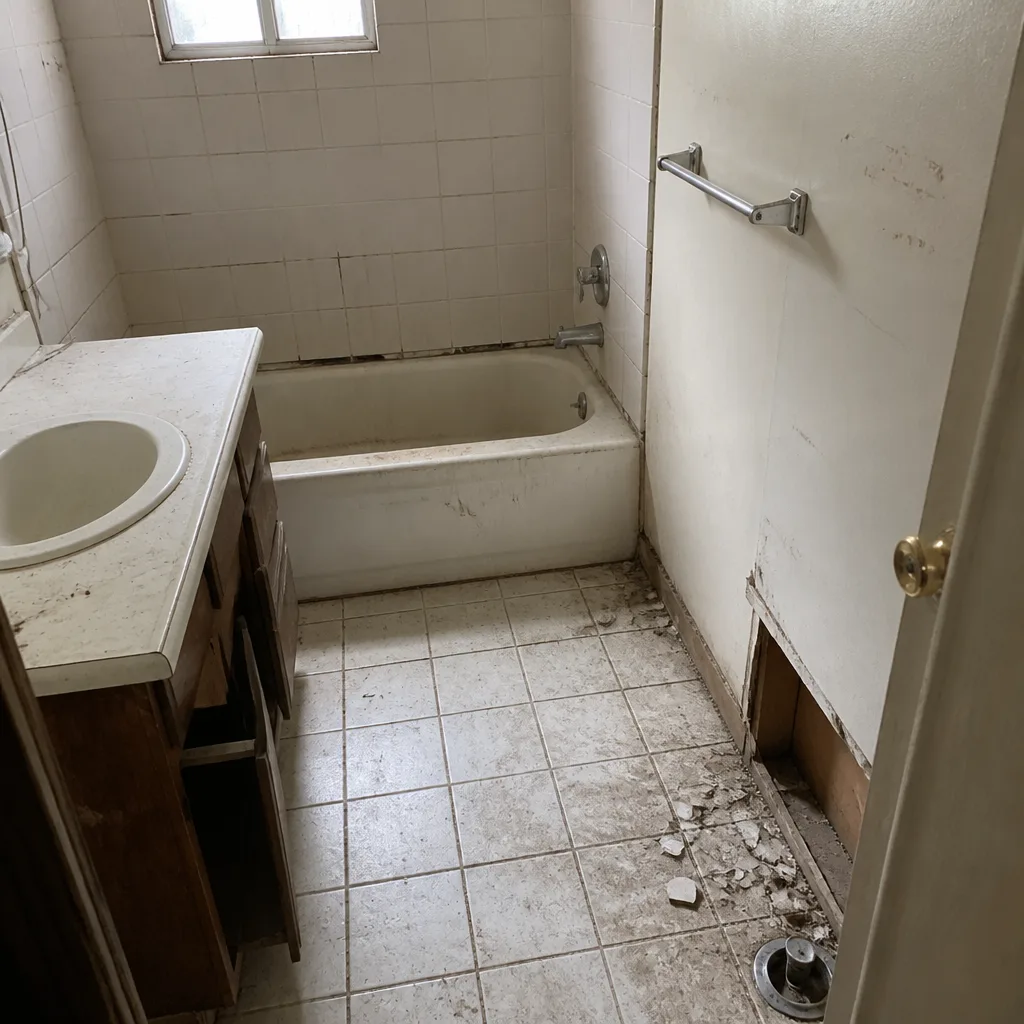 Before
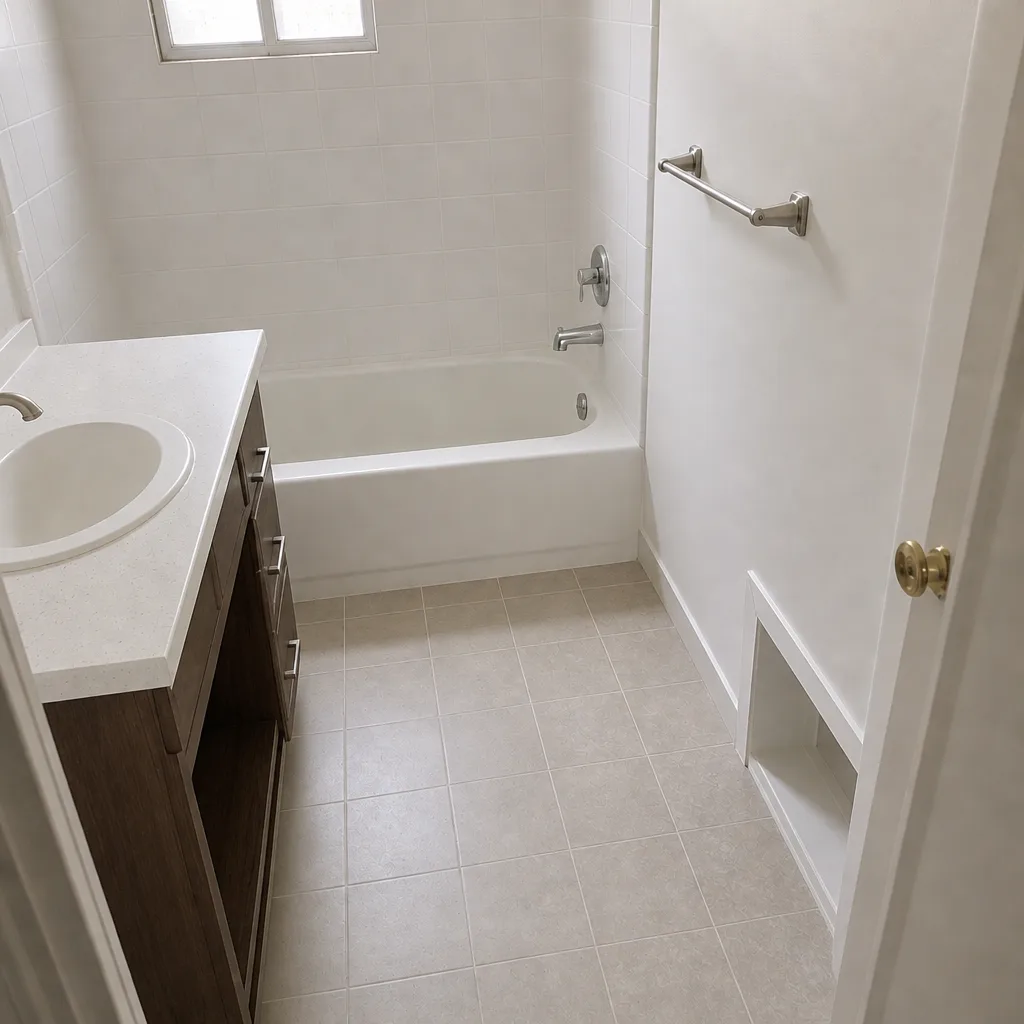 After
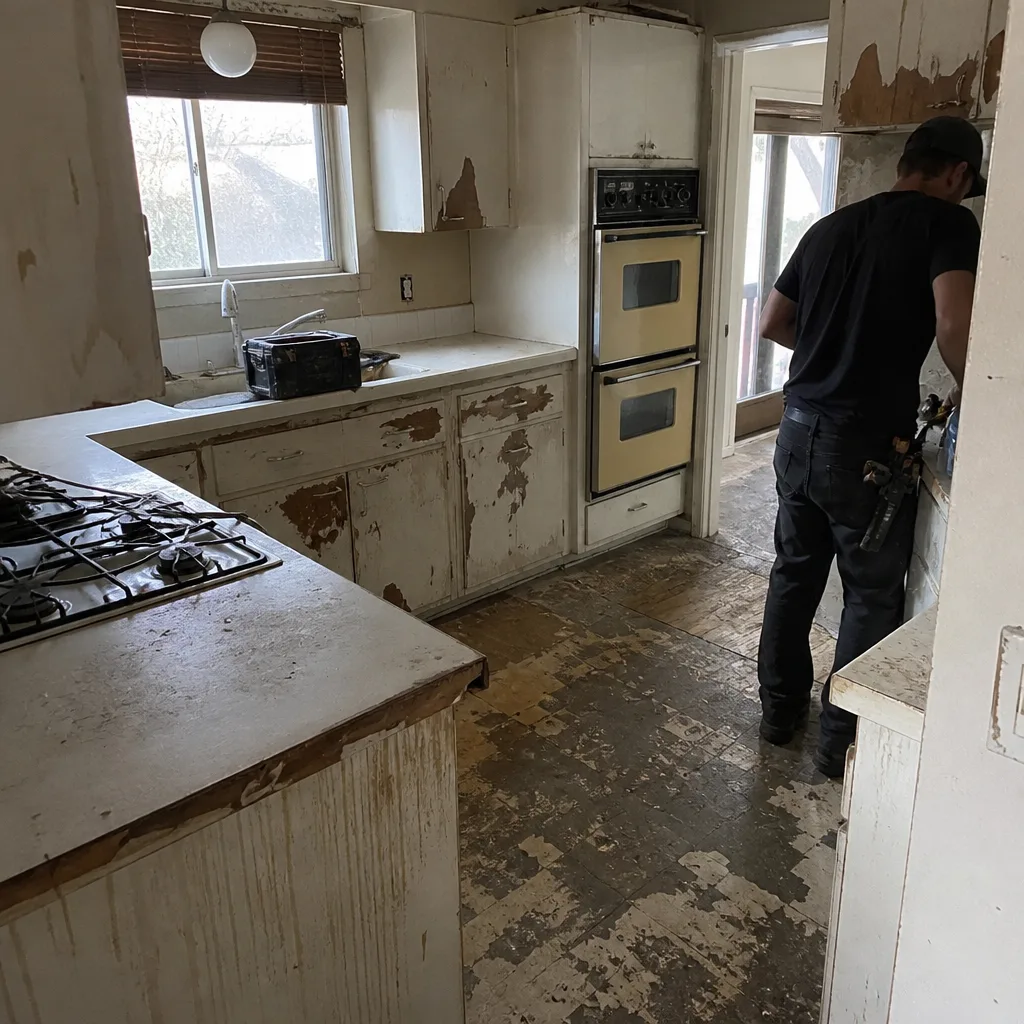 Before
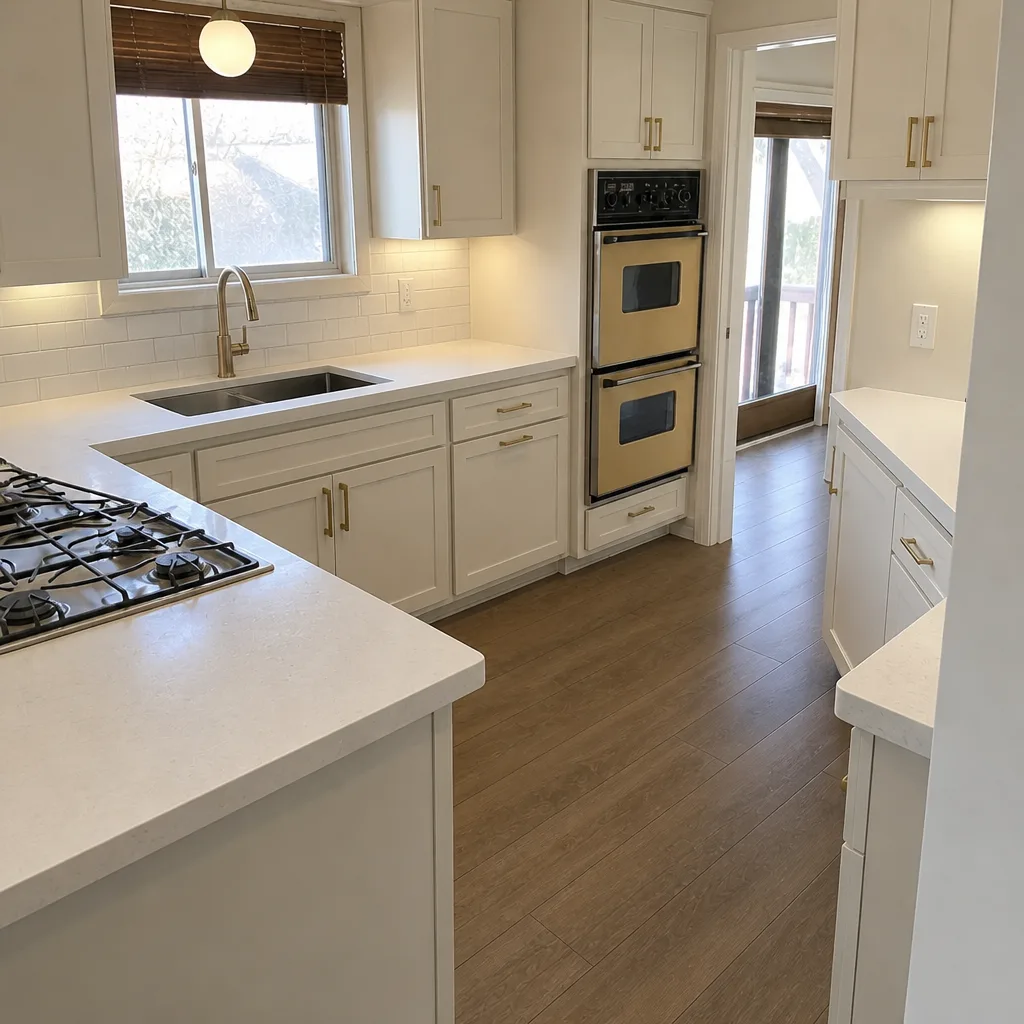 After
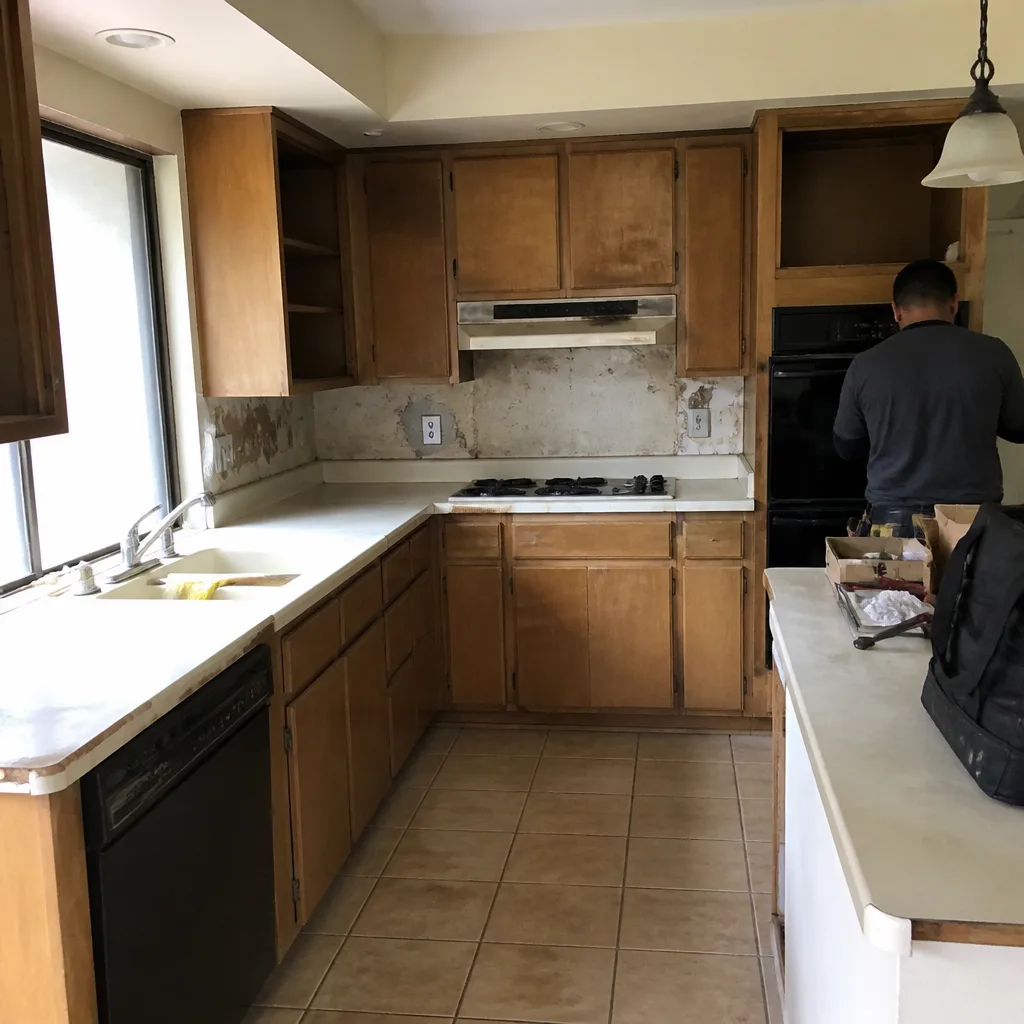 Before
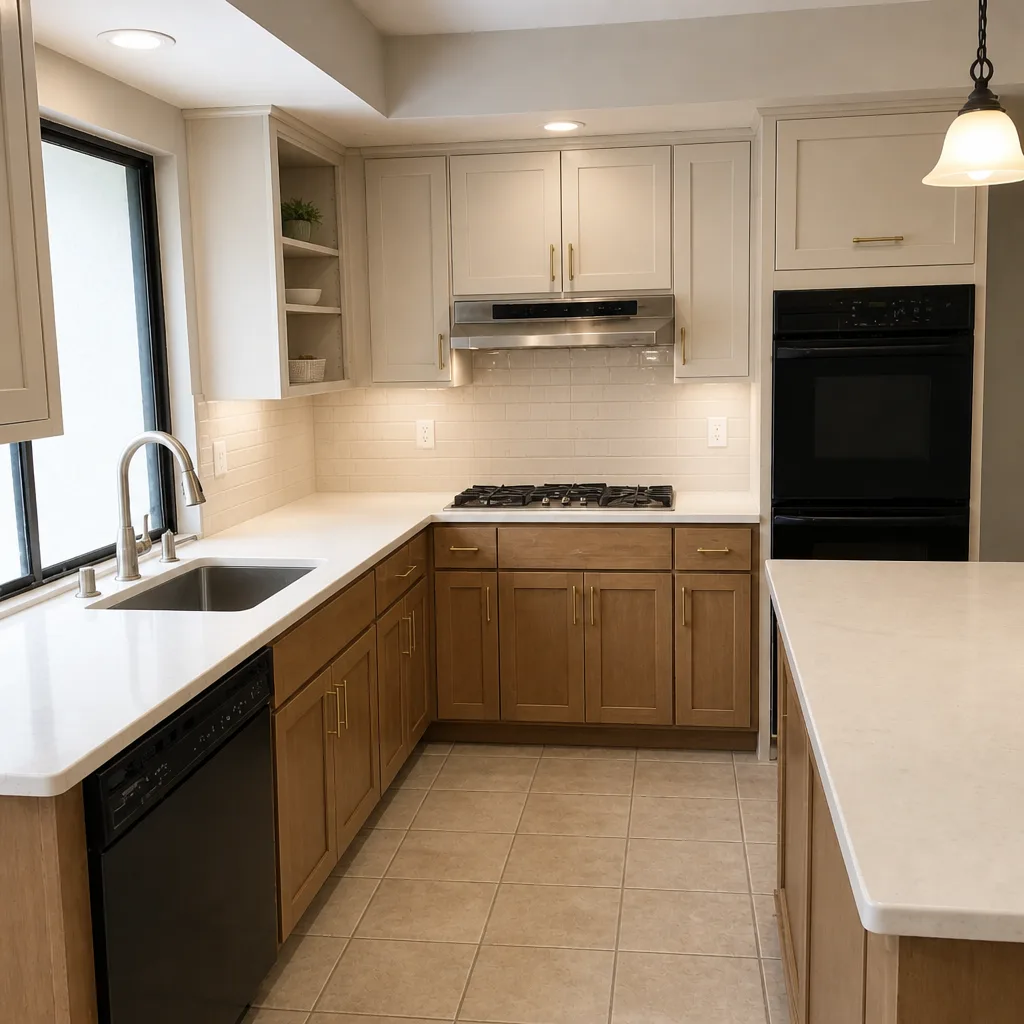 After
When to Call a Professional
Some material questions are worth asking a contractor even before you’re ready to hire. If you’re evaluating a bid and the material spec is vague, that’s a moment to call. If you’ve been told a brand name without a product tier, that’s a moment to call. If a warranty sounds great but the materials behind it sound thin, that’s a moment. And if your Yorba Linda project touches anything structural, including driveway base replacement, roof underlayment, drainage, waterproofing, or window and door replacement, bring in a professional who can match material specification to your specific conditions. Groundwork Construction Co. of Yorba Linda offers free estimates in Yorba Linda. Call (888) 255-9354 and we’ll walk through the material spec on your project, explain exactly which brands go where, and put it all in writing before work starts. Calls are answered by a live person 24/7, and every project falls under our 730-Day Done Right Promise.
Frequently Asked Questions
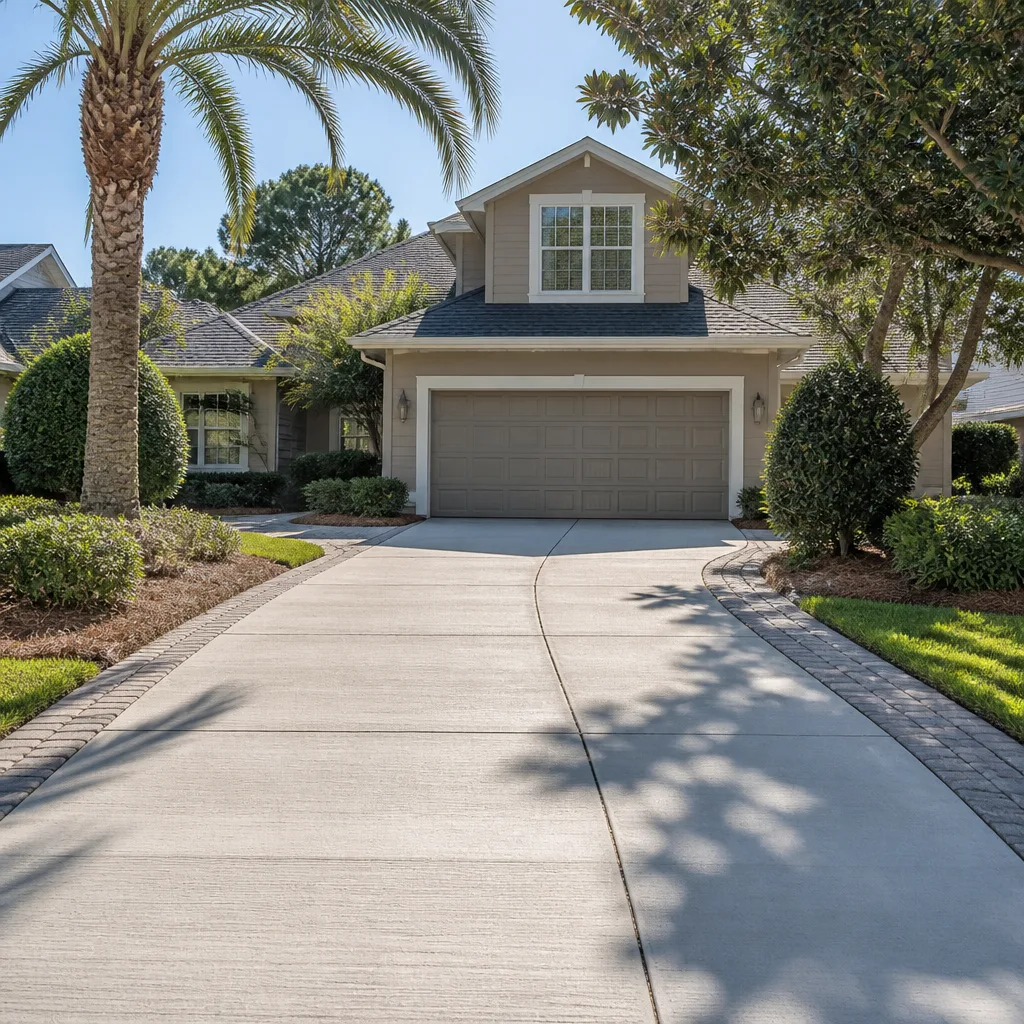
For Yorba Linda’s climate, the brands that make a measurable difference are the ones that rate their products for expansive clay soils, inland heat, and dry-to-wet seasonal swings. On hardscape, Belgard rates its pavers for load and movement; on roofing, GAF and CertainTeed offer product tiers with real warranty differences; on windows and doors, Andersen and Marvin rate their products by climate zone. Ask any contractor which specific brand and product tier they’d use on your project and why, and require that answer in writing.
Because workmanship and materials have to carry the same lifespan for a warranty to mean anything. A 730-Day Done Right Promise is a real commitment only if the products underneath it are rated to last that long, and premium partner brands are rated to last a lot longer. Ask what the materials behind any guarantee are rated for, and if the answer is “a few years,” the guarantee is mostly there for show. Call (888) 255-9354 to review your project’s materials and warranty structure together.
You can’t reliably spot a substitution in completed work, so the practical defense is preventing it up front. Ask for a written spec that names brand and product tier for every trade in the job, ask for an explicit no-substitution commitment, and ask what happens on install day if the specified product is out of stock. Contractors who are partnered directly with branded manufacturers can usually meet the spec; contractors who buy from open catalogs often can’t. If you want your existing bid checked against those standards, call (888) 255-9354.
Yes, and in Yorba Linda’s clay-heavy areas it often matters more than the paver surface itself. Expansive soil swells with wet weather and shrinks in dry weather, and a base aggregate that isn’t rated for movement will lift and crack the surface above it within a few years. Premium paver brands specify the base requirements for their products, and a partnered contractor will follow those specifications. Ask any bidder what base aggregate and compaction spec they plan to use, and don’t accept a vague answer.
A real brand partnership means the contractor has a committed relationship with specific manufacturers and can buy their full lines directly, at known pricing, with documentable product codes. That’s different from an open-market supplier relationship, where the contractor buys whatever’s cheapest or available that day. The practical effect for a homeowner is accountability: partnered products carry manufacturer warranties and can be verified on the job, while generic materials can’t. If a contractor can’t name their partners by trade, the partnership claim is probably marketing language.
Check the materials behind it. A workmanship guarantee is measured in the years the materials underneath can carry, so a long guarantee paired with builder-grade materials means the failure you’ll have to claim on will be blamed on the product, not the labor. Ask the contractor which brands and product tiers they’ll use on your specific job and what those materials are rated for. Then compare that against the guarantee term. If the numbers don’t line up, the guarantee isn’t the protection it looks like. Call (888) 255-9354 to walk through a real material-and-warranty pairing on your project.
The Bottom Line
Premium material brands don’t just make a home look better; they raise its performance ceiling, and in Yorba Linda’s climate, that ceiling matters in every trade. The base under your driveway, the underlayment beneath your roof, the membrane behind your tile, and the aggregate under the whole house all have brand-level performance differences that show up years after install. The buyers who get that right are the ones who ask for the material spec in writing, check that it names specific brands and product tiers, confirm that substitutions require their written approval, and match any workmanship guarantee to the material warranties backing it. That’s how a Yorba Linda project survives its first decade looking like its first year.
Ready to see the material spec on your project in plain language, with brand and tier named? Call (888) 255-9354 for a free estimate. Live person, 24/7. Upfront pricing, no surprises. And every job is backed by the 730-Day Done Right Promise, from foundation to finish line.
Written by the team at Groundwork Construction Co. of Yorba Linda.