
Last updated November 17, 2026








Free written scope consultation - allowances, timeline, and change-order rules on paper before a single trade is scheduled
Construction Warning Signs: A Yorba Linda Homeowner’s Reference Guide
A hairline crack in stucco costs under $200 to seal. The same crack ignored for two rainy seasons can be the entry point for water damage that runs $15,000 in remediation. That gap isn’t bad luck. It’s information. Yorba Linda homes sit on some of the most active clay soil in Orange County, they face Santa Ana wind events that test every roofline, and they get a Mediterranean rain pattern that dumps months of water in a handful of storms. Those conditions produce warnings, quietly, weeks or months before anything becomes a real emergency. This guide teaches you to read the signals your house is already sending so you can plan a repair budget instead of scrambling for a crisis one.
Quick Answer
Construction warning signs in a Yorba Linda home fall into four groups: stucco cracks that are wider than a credit card or stair-step in a pattern (structural movement vs. cosmetic curing), drainage failures at the soil line before water ever reaches the foundation, hardscape movement like paver shifting or retaining wall lean that points to what’s happening underground, and roof or fascia details that reveal installation failures rather than normal aging. The rule of thumb: anything that changes over time, lets water travel, or affects how your house sheds and holds water is worth a call. Anything that’s purely a surface finish and hasn’t moved in years is usually not.
Styles & brands we work with
- Kitchen remodeling
- Bathroom remodeling
- Home additions & ADU
- Roofing
- Windows & doors
- Driveway & pavers
- Fence
Table of Contents
- Stucco Cracks: Cosmetic vs. Structural in Yorba Linda’s Clay Soil
- Drainage Warning Signs That Show Up Before Water Reaches Your House
- What Paver Shifting, Concrete Heaving, and Retaining Wall Lean Actually Mean
- Roof and Fascia Warning Signs You Can See From the Ground
- Call, Watch, or Emergency? A Clear Decision Framework
- Yorba Linda Seasonal Timeline: When to Check What
- How to Document a Warning Sign Before You Call Anyone
- Common Mistakes to Avoid
Stucco Cracks: Cosmetic vs. Structural in Yorba Linda’s Clay Soil
Not every stucco crack is a problem, and not every problem starts with a wide crack. In Yorba Linda, the distinction comes down to soil behavior. Much of the city sits on expansive clay that swells when it’s wet and shrinks when it dries. That seasonal movement flexes the exterior skin of your house a little every year. Some cracking is expected. The question is whether the crack is a symptom of normal curing and minor settling or a sign that a section of foundation is moving more than its neighbors.
Here’s how we sort them on site.
Cracks that are usually cosmetic
- Hairline cracks under 1/16 inch, especially on south- and west-facing walls that see the most sun
- Spiderweb or map cracking across a broad area (usually a stucco mix or curing issue, not structural)
- Cracks that appeared in the first two years after a new build or re-stucco and haven’t grown since
- Cracks at inside corners of window and door openings where two planes meet
Cracks worth a professional look
- Any crack wider than 1/8 inch, roughly the thickness of a credit card
- Stair-step cracks that follow a diagonal path in a zig-zag pattern
- Cracks that are wider at one end than the other, or that have grown since you last measured
- Cracks that line up with interior cracks on the same wall in the same direction
- Horizontal cracks near the base of a wall, especially with any bulge
The pattern matters more than the width most of the time. A stair-step crack in Yorba Linda is often the first visible sign that clay soil under one corner is settling differently than the rest of the foundation. We see this regularly in older tracts where irrigation has changed over the years, drying out soil under one side of a house. Watering patterns can drive it. So can a downspout that’s been dumping water at the same spot for a decade.
If a crack is growing, or if you can fit a credit card edge into it and it’s been that way for a month, get it looked at. Cosmetic sealing runs well under $200. Foundation evaluation and any corrective work runs into the thousands. The earlier you know which one you’ve got, the less you’ll spend. Our team handles full exterior and structural assessments as part of a broader home improvement plan through Groundwork Construction Co. of Yorba Linda home.
Drainage Warning Signs That Show Up Before Water Reaches Your House
Water damage rarely starts inside a wall. It starts in the yard, sometimes 20 feet from the house, and it travels. In Yorba Linda, the drainage conversation is shaped by two things: sloped lots that push water downhill fast, and heavy rain events that overwhelm undersized systems the rest of the year wouldn’t notice. The good news is that drainage failures leave very visible signals at the surface weeks before they show up as interior damage.
Surface signs to look for after any strong rain
- Standing water that lasts more than 24 hours anywhere within 10 feet of your foundation. Soil that stays saturated that long is soil that’s pushing against your foundation and seeping under it.
- Mud or sediment lines on your stucco base within a few inches of the ground. That line marks how high water pooled and splashed during the last storm.
- Erosion channels cutting through mulch or bare dirt, especially any channel that points toward the house rather than away from it.
- Downspouts that discharge less than 4 feet from the wall. In Yorba Linda’s clay soil, water dropped at the base of the house doesn’t drain away fast enough. It sits and soaks in.
- New depressions or “dips” in the yard that weren’t there last year. Those are often where soil is being carried away underground.
- White mineral crust on your foundation or driveway edge. Efflorescence like this means water is moving through and evaporating out of the concrete or masonry.
Each of these is a surface signal. None of them mean your house is already damaged, but all of them mean water is going where it shouldn’t. Fixing grading, extending downspouts, adding a French drain, or regrading a slope is usually the cheapest category of correction you’ll ever make to a home. Waiting until water reaches your structural wood or your interior drywall turns a few hundred dollars of landscaping into a five-figure repair.
If your drainage problem runs along a property line or involves a slope you share with a neighbor, hardscape and grading work is often the right fix. That’s the kind of work we do through Driveway & Pavers in Yorba Linda, and it’s usually a better long-term answer than patching symptoms.
What Paver Shifting, Concrete Heaving, and Retaining Wall Lean Actually Mean
Hardscape is the most honest part of your property. Pavers, concrete slabs, and retaining walls move because the ground under them moves, and that tells you something about the ground under your house too. Yorba Linda’s clay soil makes this especially readable. Here’s what each signal points to.
Paver shifting
A few pavers settling a quarter inch is normal wear. Whole sections heaving up or dropping, or pavers that are visibly rocking underfoot, usually means one of three things: the base material under the pavers has failed, water is running underneath and eroding the bedding sand, or root intrusion from a nearby tree is lifting the surface. When we see a driveway shifting at the base of a slope in Yorba Linda, we look uphill first to find where water is coming from.
Concrete heaving and cracking
Concrete slabs crack. That’s not news. What matters is where. Uniform hairline cracks across a driveway are cosmetic. Cracks that open and close seasonally, or slabs that are visibly tilted or raised at the joint, point to soil movement or root lifting. One slab sitting an inch higher than its neighbor is a tripping hazard and usually a sign the subgrade wasn’t compacted the way it should have been when it was poured. It can also be a sign of expansive clay doing what clay does.
Retaining wall lean
A retaining wall that’s leaning more than about 2 inches over its height is a wall that’s failing. The causes are almost always one of four things:
- Inadequate drainage behind the wall, so water pressure builds up and pushes the wall forward
- Improper base preparation, with the footing too shallow or the wrong material
- Soil movement under the footing
- Loads the wall was never engineered for, like a heavy vehicle or additional soil added on top
Water is the culprit in the large majority of retaining wall failures we look at in Yorba Linda. If a wall is leaning, don’t add soil behind it and don’t ignore it. Get it evaluated. A small lean can be corrected. A collapsed wall is a much bigger, much more expensive problem, especially if it’s holding back a slope that supports anything above it.
If your hardscape is showing any of these signals, a professional walkthrough will tell you whether it’s a repair or a rebuild. Reach out at (888) 255-9354 for a free estimate. Fence and boundary hardscape is another place these signals show up; that’s covered in Fence Installation in Yorba Linda.
Roof and Fascia Warning Signs You Can See From the Ground
Most of what matters about your roof is visible from your yard without getting on it. Standing on the ground with a pair of binoculars at 100 feet away will tell you more than climbing a ladder and guessing. This is also the safe way to do it. Roof inspection involves real fall risk, and we recommend it for trained professionals rather than homeowners.
Signs of installation failure vs. normal aging
Roofs age. Shingles lose granules, colors fade, some curling is expected as asphalt gets to the end of its life. Installation failures look different. When we inspect a roof in Yorba Linda, these are the patterns that tell us the roof wasn’t installed correctly rather than that it’s simply old.
- Consistent horizontal lines of wear across the roof, usually about mid-shingle. This tends to point at nails set too high or too low, which lets the shingle above lift at the bottom edge.
- Missing or exposed fasteners at the ridge or in valleys. A correctly installed roof hides its fasteners. Visible nail heads mean either a nail setting error or a nail that’s backing out.
- Valley wear concentrated at the very center. Standing water concentrates in the valley. Fast wear there usually means the valley wasn’t cut or woven correctly.
- Shingle tab alignment that wanders off course. Slight misalignment isn’t just cosmetic. It’s a sign of unskilled installation and increases the risk of wind uplift.
- Fascia board peeling or bubbling at the very bottom edge. This often points to a drip edge issue that’s letting water run behind the fascia instead of off the roof.
Signs of normal aging (which you watch, not panic over)
- Uniform granule loss showing up as dark patches
- Shingle color fading noticeably after 8-10 years
- Occasional minor cracking in a 15+ year old shingle
- Light moss growth on north-facing sections
Fascia deterioration is where the two categories meet. If fascia wood is soft, cracked, or has visible holes from water penetration, you have water reaching the structure. It doesn’t matter whether the roof is 5 years old or 20. That moves from “watch” into “call” territory. Soffit and fascia work that looks beyond cosmetic patching is worth a full roof and envelope evaluation. We use GAF and Owens Corning systems on roofing work, and every roof is backed by our 730-Day Done Right Promise.
Call, Watch, or Emergency? A Clear Decision Framework
The hardest part of reading warning signs is knowing what to do with one. This framework removes the guesswork. Run every signal you find through these three questions in order.
Question 1: Is it moving?
Measure the width of a crack, take a photo with the date, and check again in 30 to 60 days. Movement is what matters. A crack that hasn’t changed since the Clinton administration is a cosmetic issue. A crack that grew 1/16 of an inch in a month is worth a call this week.
Question 2: Is water moving through or under it?
Water is the single most destructive force on a house. If a sign shows water is getting somewhere it shouldn’t (past the exterior envelope, under the foundation, behind the fascia), it goes on the “call” list immediately, regardless of whether the visible damage looks serious.
Question 3: Does it affect safety or weather-tightness right now?
Two categories cross into emergency territory in Yorba Linda homes:
- Roof leaks during an active storm, or any roof area where water is visibly entering the building envelope. Call back-up safely, contain the water inside, and get a professional out as quickly as possible.
- A retaining wall that has visibly failed or is actively leaning into a structure or a slope above anything occupied. Do not stand near it, do not park under it, call immediately.
The clear framework
- Emergency (act now): Active water intrusion into the living space, a retaining wall failure affecting safety, any structural failure with visible hanging or displacement, or a roof condition letting water enter the home. Call us at (888) 255-9354. We answer the phone live, 24/7.
- Call within days: A crack in movement, a drainage sign that routes water toward the house, a roof installation failure pattern, hardscape that’s visibly moving, fascia rot. Book a professional inspection. Small corrections at this stage cost hundreds, not thousands.
- Watch and monitor: Cosmetic hairline cracks, uniform roof aging, minor hardscape settling, single pavers that rock slightly. Photograph them, put a date in the file, check back at 60 days. If anything has changed, move to category 2.
- Ignore with confidence: Map cracking in stucco that hasn’t changed in years, expected shingle color fade, slight granule loss on a mid-life roof. These aren’t warning signs. They’re just the visual record of weathering.
The point of this framework is there is no vague middle ground. A sign either goes in the emergency bucket, the “call this week” bucket, the “watch” bucket, or the “already fine” bucket. Once you’re honest about which bucket a signal belongs in, the decision becomes obvious.
Yorba Linda Seasonal Timeline: When to Check What
Yorba Linda’s climate behaves in a predictable rhythm, and each season stresses the house in a specific way. Here’s a simple calendar that matches what we actually see across the city.
Late summer through early fall (August – October)
The driest stretch of the year. Expansive clay soil shrinks and contracts, which is when you’ll see cracks in stucco, hardscape, and interior drywall appear or widen. This is the best time to measure and document any crack – you’re seeing the maximum separation. Take photos with dates.
Fall (October – November) – pre-rain season checklist
- Clean gutters and check downspout extensions reach at least 4 feet from the house
- Look for soil that has pulled away from the foundation (that gap lets water run straight down)
- Inspect fascia and soffit for peeling, bubbling, or soft wood
- Check retaining walls for lean with a level
- Walk the driveway and hardscape looking for rockers and rising slabs
Rainy season (December – March)
The heaviest test. Watch for the drainage signs during each storm: standing water, mud splashes on the stucco base, erosion channels. This is also when roof leaks reveal themselves. If you find active interior water intrusion, treat it as an emergency.
Spring (April – June)
Clay soil rehydrates and swells back up. Cracks sometimes partially close. That doesn’t mean the problem went away. It means the soil did what clay does. If a crack was wider than a credit card in October and has partially closed in April, it’s still a crack that needs a professional look.
The rainy season’s outliers
Santa Ana wind events can happen any month, but they’re most common in fall. High wind on a poorly installed roof shows up as lifted shingles or missing tabs. High wind on a fence or retaining wall shows up as new lean. If a windstorm passes through, walk the property within a week. If you’re considering fence replacement anyway, our Fence Installation in Yorba Linda guide covers what to inspect before you call.
How to Document a Warning Sign Before You Call Anyone
Homeowners who document well get better quotes. Not because contractors behave differently, but because clear evidence lets a professional give an accurate estimate on the first visit instead of charging a return inspection. Here’s the process we recommend.
- Photograph wide and close. A close-up shows the crack. A wide shot from 10 or 15 feet back shows where the crack sits on the wall – that’s often the piece that tells a pro whether it’s a structural or cosmetic pattern.
- Include a scale. A coin, a pen, or a measuring tape next to the crack gives anyone looking at the photo an instant sense of width.
- Add the date. File names, a note in your phone, or a label in the photo all work. The key is that you can prove whether the crack has grown since the last photo.
- Note weather and season. A crack photographed in October and again in April shows you clay soil movement. A crack photographed once and never again doesn’t tell you much.
- Record water behavior. If you’re documenting a drainage issue, take a photo during the storm that shows where the water pools, how high, and how long it stays. Standing water at 4 p.m. that’s still there at 4 p.m. the next day is a very different issue than water that pools briefly and drains.
- Write down what changed recently. A new sprinkler schedule, a new tree planting, a slope regrade on a neighbor’s lot, a fence replacement at the property line – all of these can trigger soil movement. Having that context ready when you call helps enormously.
When you’re ready to have someone look, hand the photos over at the estimate. It shortens the conversation and gets you a real number faster. Free estimates, upfront pricing with no surprises, and a written scope are the standard we hold ourselves to on every job.
Common Mistakes to Avoid
- Confusing cosmetic stucco cracking with structural movement. A spiderweb pattern across a sun-facing wall in Yorba Linda is often just stucco curing or thermal stress. A stair-step diagonal crack that aligns with an interior crack is a different animal and needs professional evaluation.
- Patting down a paver that’s rocking and hoping it stays put. A rocking paver is almost always a signal the base material under it has shifted, and it typically takes four or five neighboring pavers with it if left alone through another rainy season.
- Adding dirt behind a leaning retaining wall. This is the single fastest way to make a wall failure worse. Water pressure and added weight are exactly what’s pushing the wall forward. Call a professional instead.
- Re-roofing over a failed underlayment or bad valley. New shingles on a bad install usually look fine for a year, then fail again in the same places. The warning signs you saw in the old roof are your evidence that the underlying detail needs correction, not just a new outer layer.
- Ignoring the drainage line that appears after one storm. Santa Ana-driven storms can drop water faster than a drainage system was designed for. If you see the same pooling spot after two rainy seasons, it’s not a fluke – it’s the drainage system failing.
- Not documenting before you call. Without photos with dates, a small crack could be a one-time settle or five years of active movement. Contractors can’t tell the difference from a single visit, so the estimate comes in high to cover the unknown. Documentation keeps the number honest.
- Waiting for the “right time” on a fascia leak. Fascia and soffit are outside the “cosmetic” category. Once water is reaching the sheathing, small leaks become structural repairs. Call within days, not seasons.
See the difference
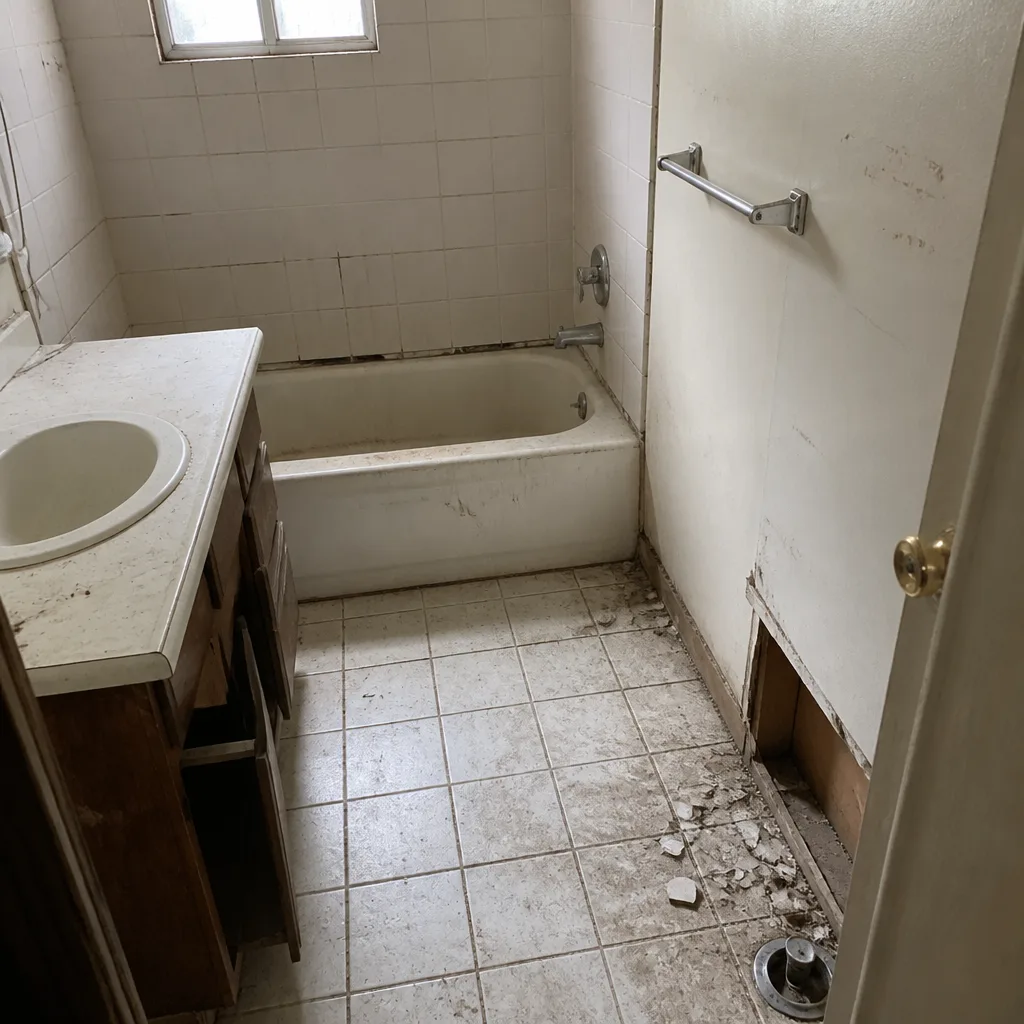 Before
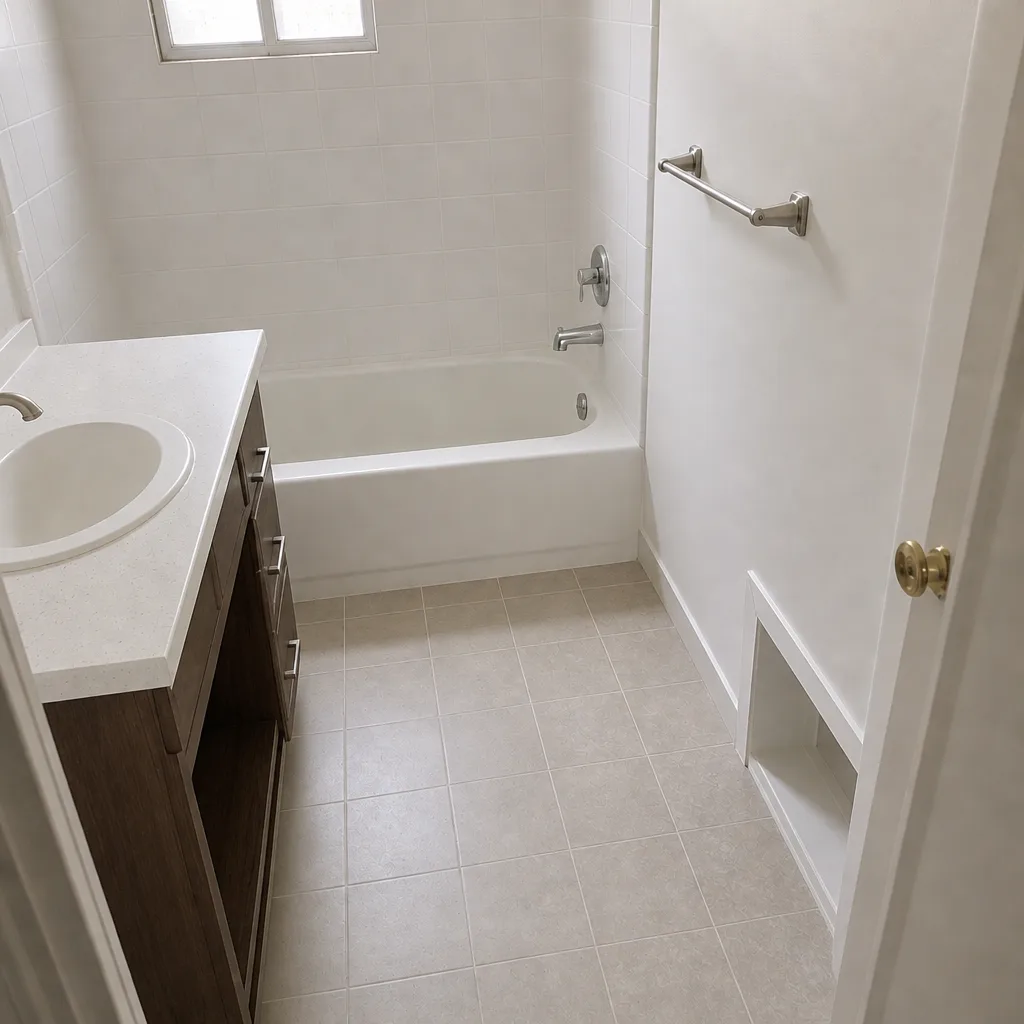 After
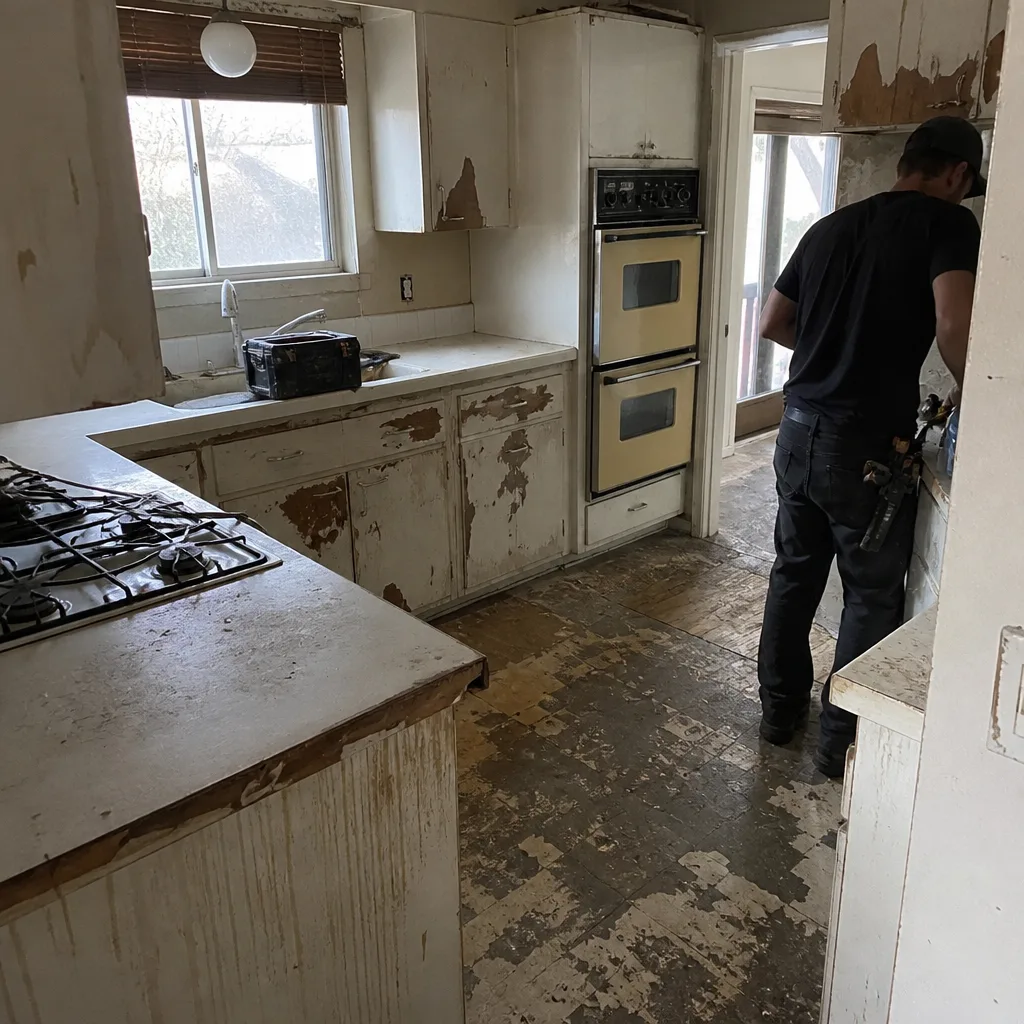 Before
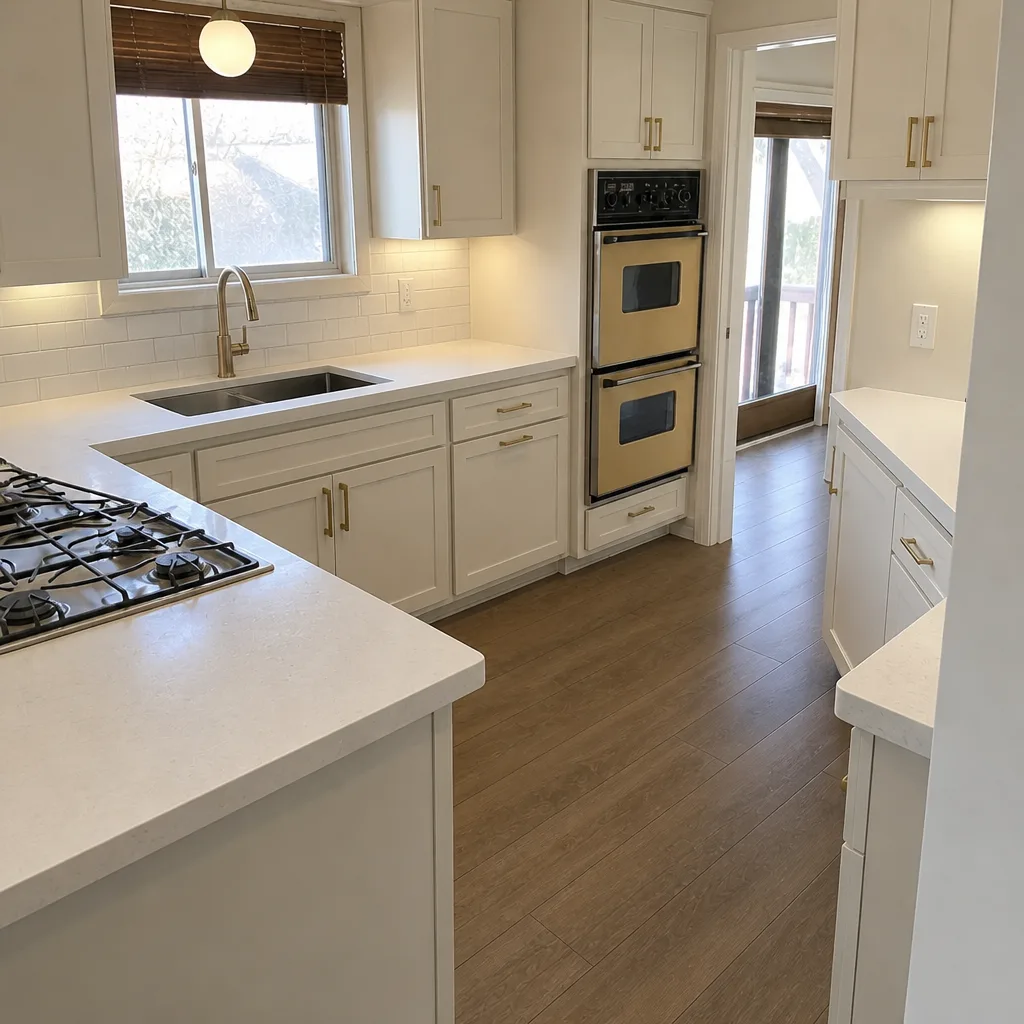 After
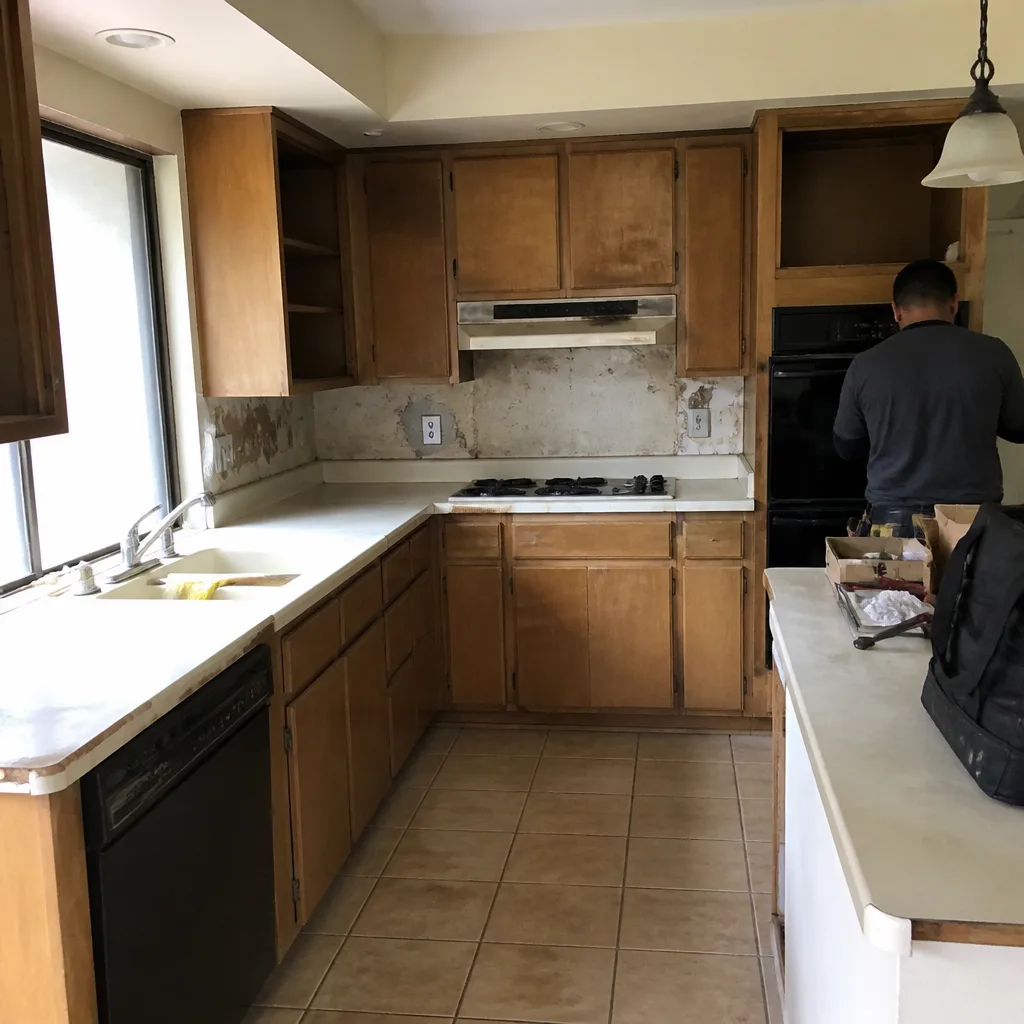 Before
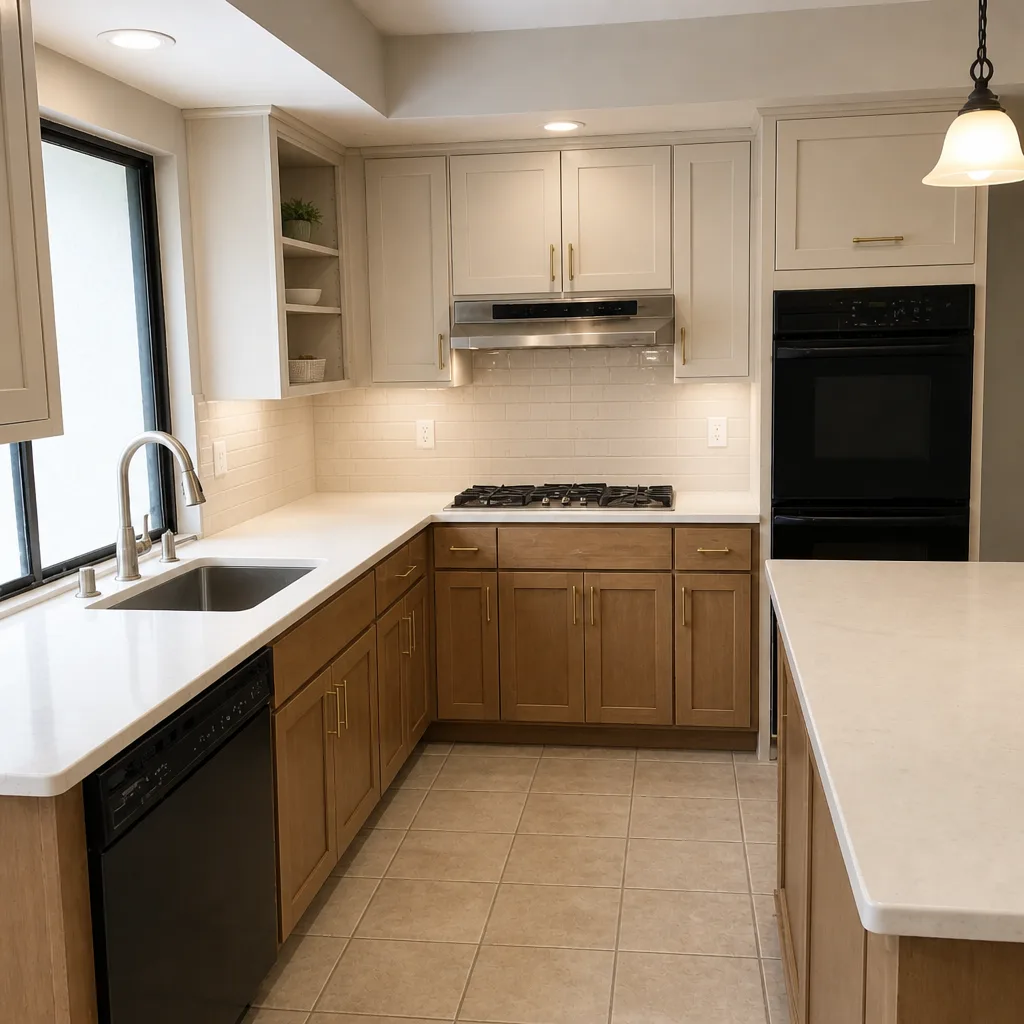 After
When to Call a Professional
Call us when any warning sign is moving, when water is going somewhere it shouldn’t, or when you can’t tell which category a sign belongs in. That last one is more common than you’d think – a crack that’s borderline, a driveway that’s shifting without an obvious cause, a roof pattern that could be install failure or could be age. Those are exactly the cases where a professional set of eyes saves money. Our technicians have up to 12 years of experience walking property in Orange County and reading what these signals actually mean. Groundwork Construction Co. of Yorba Linda offers free estimates in Yorba Linda – call (888) 255-9354. You’ll get a live person every time, around the clock. Every project we take on is covered by the 730-Day Done Right Promise, with upfront pricing that doesn’t move once work begins.
For larger projects prompted by what you find – a full roof replacement, drainage correction that requires new hardscape, a slope stabilizing retaining wall, an addition that needs real structural work – we handle the entire scope under one contract. If your warning signs lead to a bigger project, our Home Additions & ADU in Yorba Linda guide covers how we plan those.
Frequently Asked Questions
A structural crack in Yorba Linda is usually wider than 1/8 inch (about a credit card thickness), has a stair-step or diagonal pattern, is wider at one end than the other, or is visibly growing when you check again in 30-60 days. Cosmetic cracks are hairline, spiderweb-shaped, or isolated to sun-facing walls and haven’t changed in years. When you’re unsure, measure and photograph the crack, then have a professional confirm. Call (888) 255-9354 for a free estimate.
Check for standing water within 10 feet of your foundation and look at your stucco base for mud or sediment lines – both tell you water pooled where it shouldn’t. Then walk the yard for new erosion channels and look at fascia and soffit for anything soft or peeling. Those are the four highest-yield checks after a storm, and they’ll tell you within 15 minutes whether you’re looking at a watch-and-monitor situation or a call-this-week situation.
No. A slightly rocking paver or two is normal wear and usually just needs re-setting. Paver shifting becomes a problem when whole sections are moving laterally, when pavers are visibly tilted, or when water is running underneath the pavers and eroding the bedding sand. When we see the second kind of shifting in Yorba Linda, the cause is nearly always drainage or base compaction, and the fix has to address that or the pavers will move again. Get a free estimate at (888) 255-9354.
Installation problems usually show as repeating patterns – consistent horizontal wear lines across the shingles, shingle tab alignment that wanders, visible fasteners at the ridge or in valleys, or concentrated wear at the center of valleys. Normal aging shows as uniform color fade, even granule loss, and slight curling after 10-15 years. A photo from the ground with a zoom lens usually tells the difference. Roof walking is a fall hazard; call us for a proper inspection rather than going up yourself.
Yes. We pull permits and pass inspections on all work that requires them under Yorba Linda and Orange County code – roof replacements, structural repairs, hardscape that affects drainage or retaining, additions, and envelope work. It’s not optional for us, and it protects both you and your home value. When you get an estimate, ask specifically: “Will you pull the permits?” Any contractor who dodges that question is telling you something. Our free estimates spell out exactly what’s permitted and inspected.
No. We do upfront pricing, and the number you see is the number you pay. If we find something concealed that genuinely could not have been seen during the estimate – soft wood under a fascia board that looked solid, failed base under a paver section that was covered – we stop, document, and re-scope with you before touching it. No surprise change orders, no scope creep. Call (888) 255-9354 for a written line-item estimate on any work you’re considering.
The Bottom Line

The difference between a $200 fix and a $15,000 remediation is almost always knowing which sign you’re looking at, and taking action on the category it belongs to. Yorba Linda homes on expansive clay soil produce readable signals every year – stucco cracks that either move or don’t, drainage that either sheds water or holds it, hardscape that either stays put or shifts, roofs that either age or fail. Photograph what you find, date it, and check back in 60 days. If it’s moving, if water is traveling through it, or if you can’t tell which category it belongs to, get a professional set of eyes on it before the next rainy season. The repair budget is always cheaper than the crisis budget, and the call is always free.
Written by the team at Groundwork Construction Co. of Yorba Linda.