Free written scope consultation - allowances, timeline, and change-order rules on paper before a single trade is scheduled
Styles & brands we work with
- Kitchen remodeling
- Bathroom remodeling
- Home additions & ADU
- Roofing
- Windows & doors
- Driveway & pavers
- Fence
See the difference
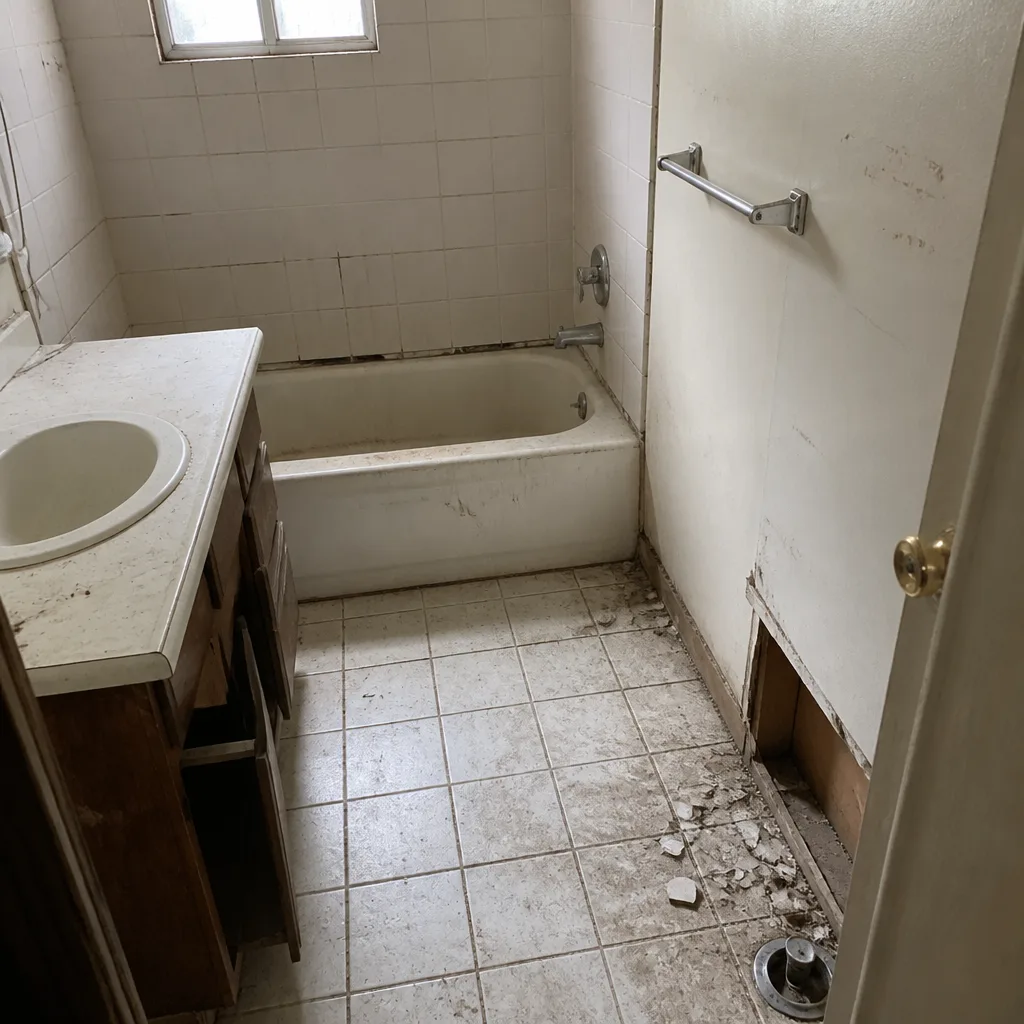 Before
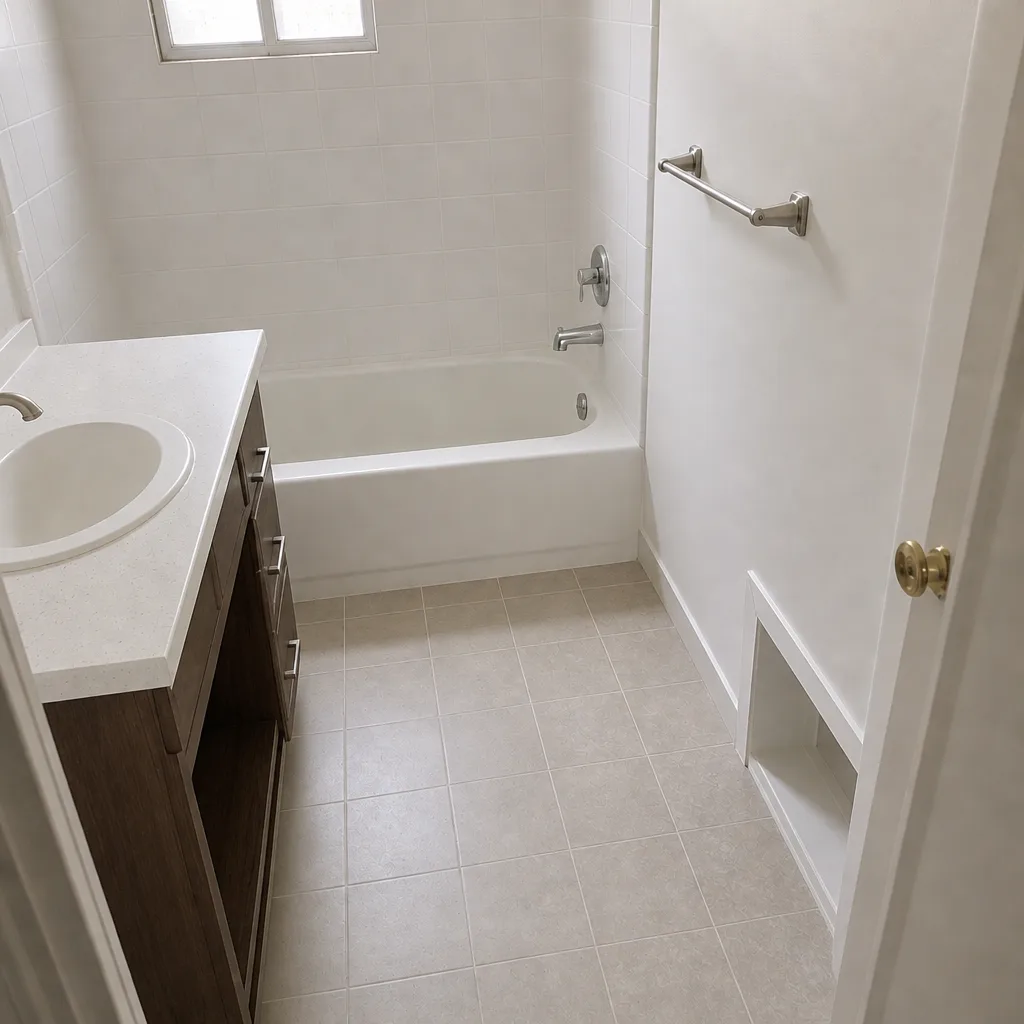 After
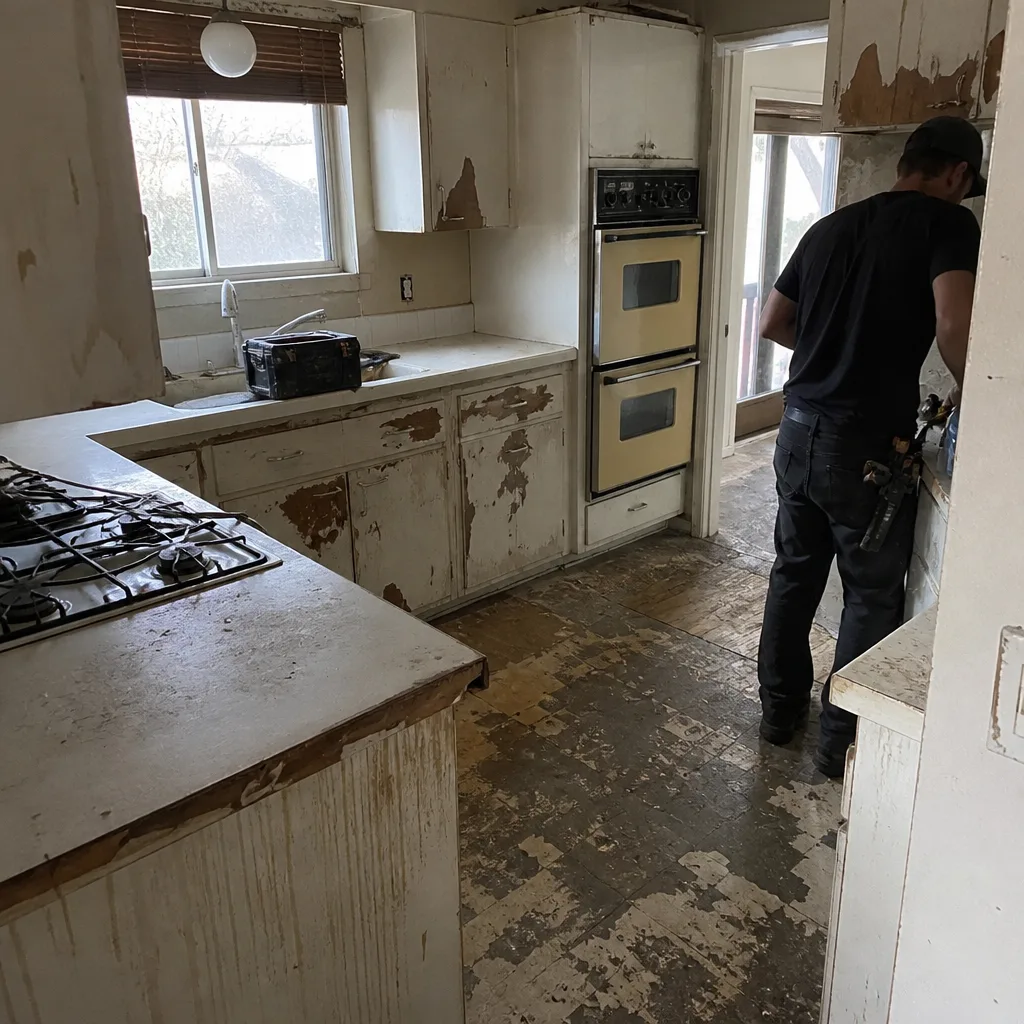 Before
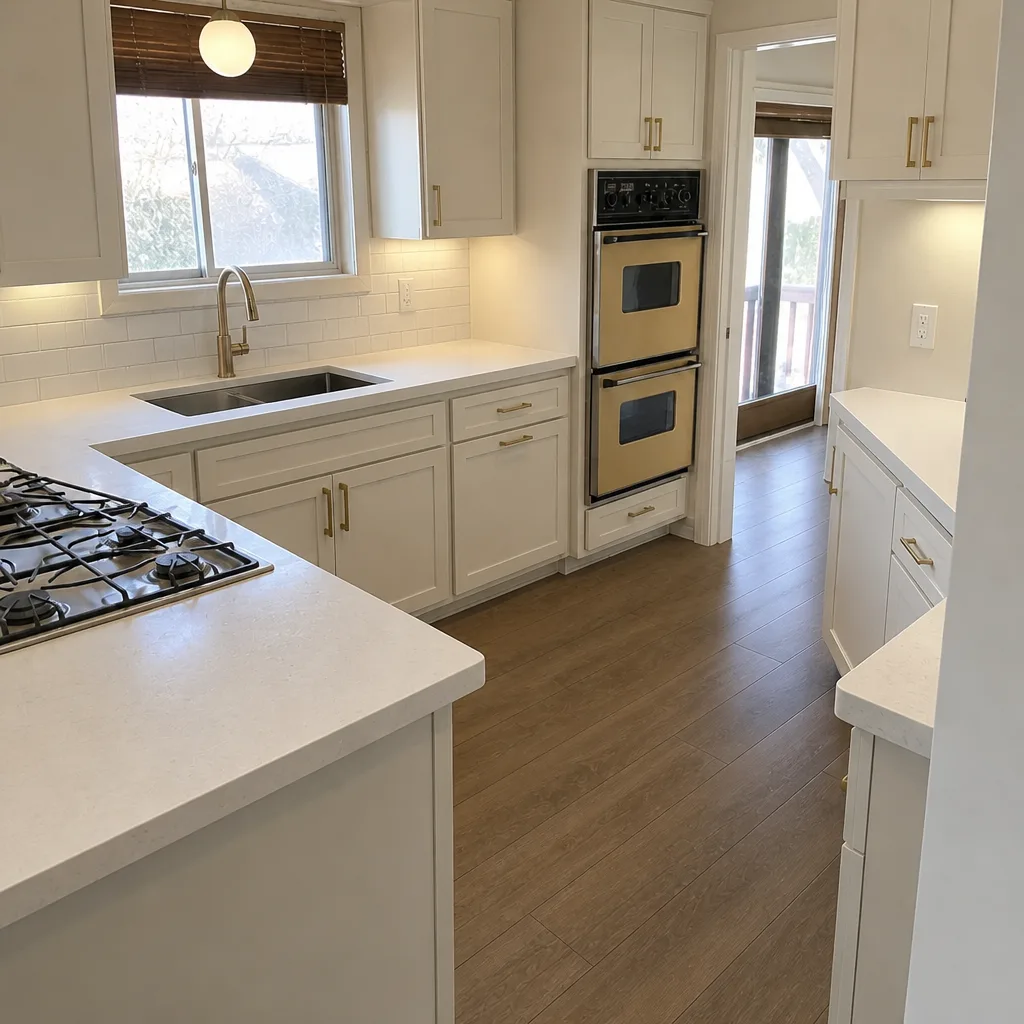 After
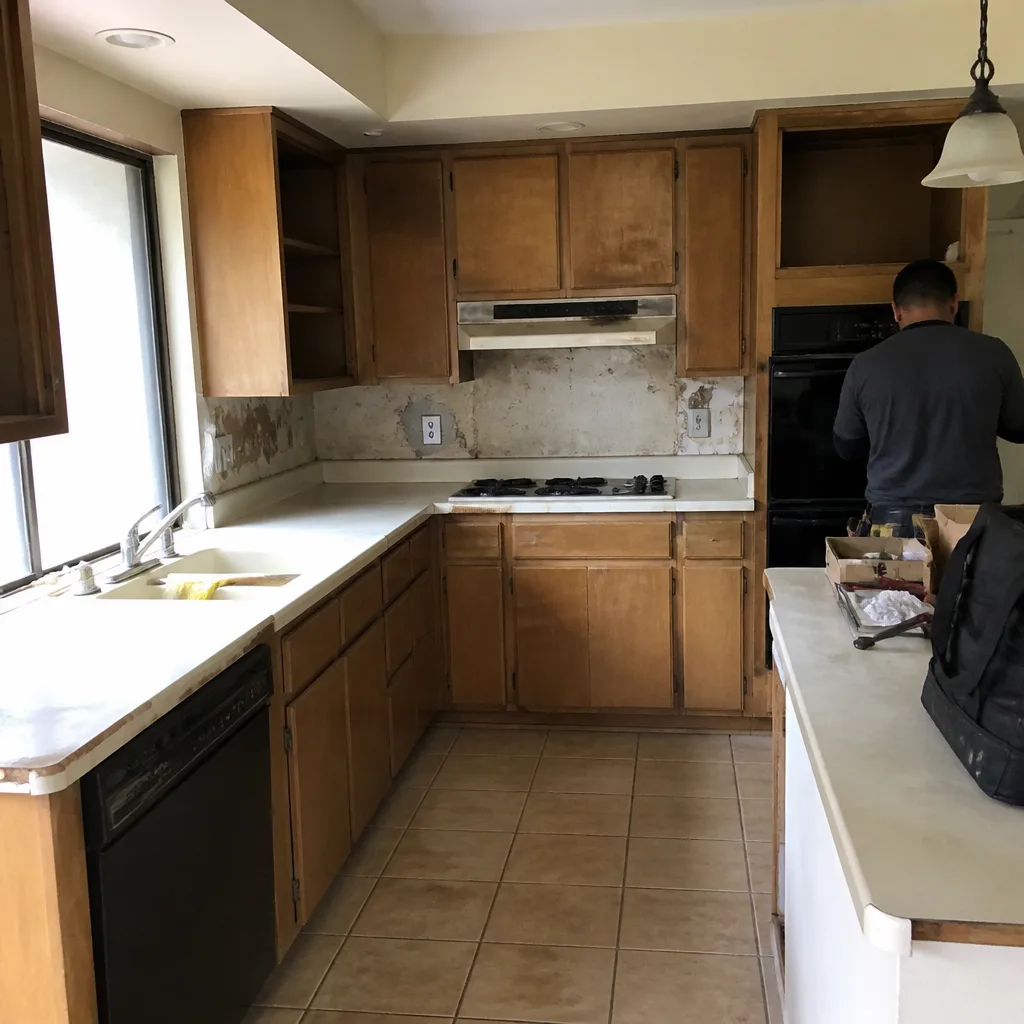 Before
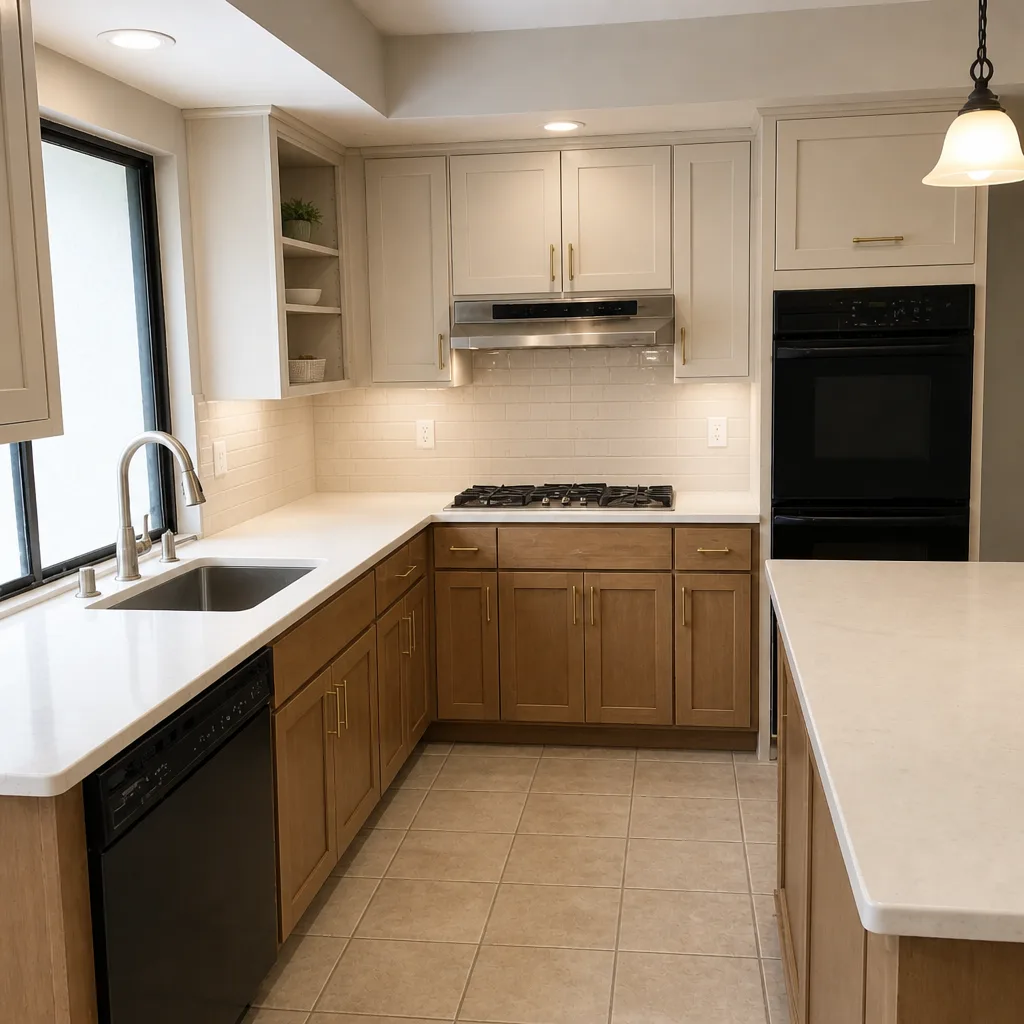 After
What Is a Miami-Dade NOA? The Straight Answer for Yorba Linda Homeowners
A Miami-Dade NOA (Notice of Acceptance) is a county-issued document from Miami-Dade County’s Building Department certifying that a specific window or door product - paired with a specific installation method - passed the High Velocity Hurricane Zone (HVHZ) testing protocol. It is not a national standard; it’s a Florida county approval that many states, including California, accept as third-party evidence of impact and wind performance. If a Yorba Linda window contractor leads with “Miami-Dade approved” as their main quality signal, ask them one question: does that NOA cover the CBC Chapter 7A WUI fire requirements your hillside parcel actually needs? The answer is almost never automatically yes. For a no-pressure review of what your windows actually need here, call Groundwork Construction Co. of Yorba Linda at (888) 255-9354.
What the NOA Actually Certifies - and What It Doesn’t
A Notice of Acceptance is a two-part document, and missing the second part voids the first. Part one is the product approval: the specific window unit, glass build-up, frame material, and hardware that was tested. Part two is the installation instruction - a product-specific detail sheet that tells the installer exactly how to anchor, shim, flash, and seal that unit. Use a Miami-Dade-approved window with the wrong installation detail and the NOA no longer covers the assembly. The window is approved; your installation isn’t.
This is why manufacturer documentation alone doesn’t guarantee performance. The certificate is tied to the combination. Andersen and Marvin both publish NOA certifications for relevant product lines, and the installation protocols that keep those certifications valid are detailed documents - not something a crew can eyeball on the truck.
What the HVHZ Tests Actually Measure
The HVHZ protocol was written for South Florida’s hurricane environment. It measures three things:
- Large-missile impact - a 9-pound 2×4 fired at roughly 50 feet per second at the glass, frame, and anchorage
- Cyclic wind pressure - repeated positive and negative pressure loads simulating hurricane gusts
- Water infiltration - driven rain at pressure differentials calibrated to hurricane conditions
Those are serious tests. But they’re calibrated to a specific threat: horizontal wind-driven rain and flying debris on a static structure. That is not the same threat profile as Yorba Linda.
Why the HVHZ Standard Isn’t the Whole Story in Yorba Linda
Yorba Linda sits in a semi-arid, fire-prone hillside environment. The 2008 Freeway Complex fire and its burn scars still shape how we think about ember exposure and slope erosion on the hillside streets off Imperial Highway and Yorba Linda Boulevard. Windows on those parcels have to address CBC Chapter 7A wildland-urban interface requirements - tempered glass in fire-rated assemblies, ember-resistant venting, and specific ignition-resistant construction detailing. A Miami-Dade NOA doesn’t automatically satisfy Chapter 7A, because Chapter 7A is a different code with different test criteria.
Then there’s seismic and soil movement. Yorba Linda’s 1960s-1980s tract homes sit on expansive soils that shift seasonally. That seasonal movement causes minor frame racking in older homes - small, quiet distortions that a rigid Miami-Dade installation detail (designed around static-structure assumptions) may not account for the same way a California-specific seismic detail would. On a custom hillside estate, the stakes go up further: retaining walls, grading, and drainage engineering are routine parts of even modest remodels, and window openings have to integrate with that structural reality.
The practical takeaway: product certification matters, but installer competency and California-specific detailing matter just as much. A window that passed HVHZ testing can still leak, rack, or fail a Chapter 7A inspection if it’s installed to the wrong specification on a Yorba Linda slope.
What We Look at Before We Specify a Window Here
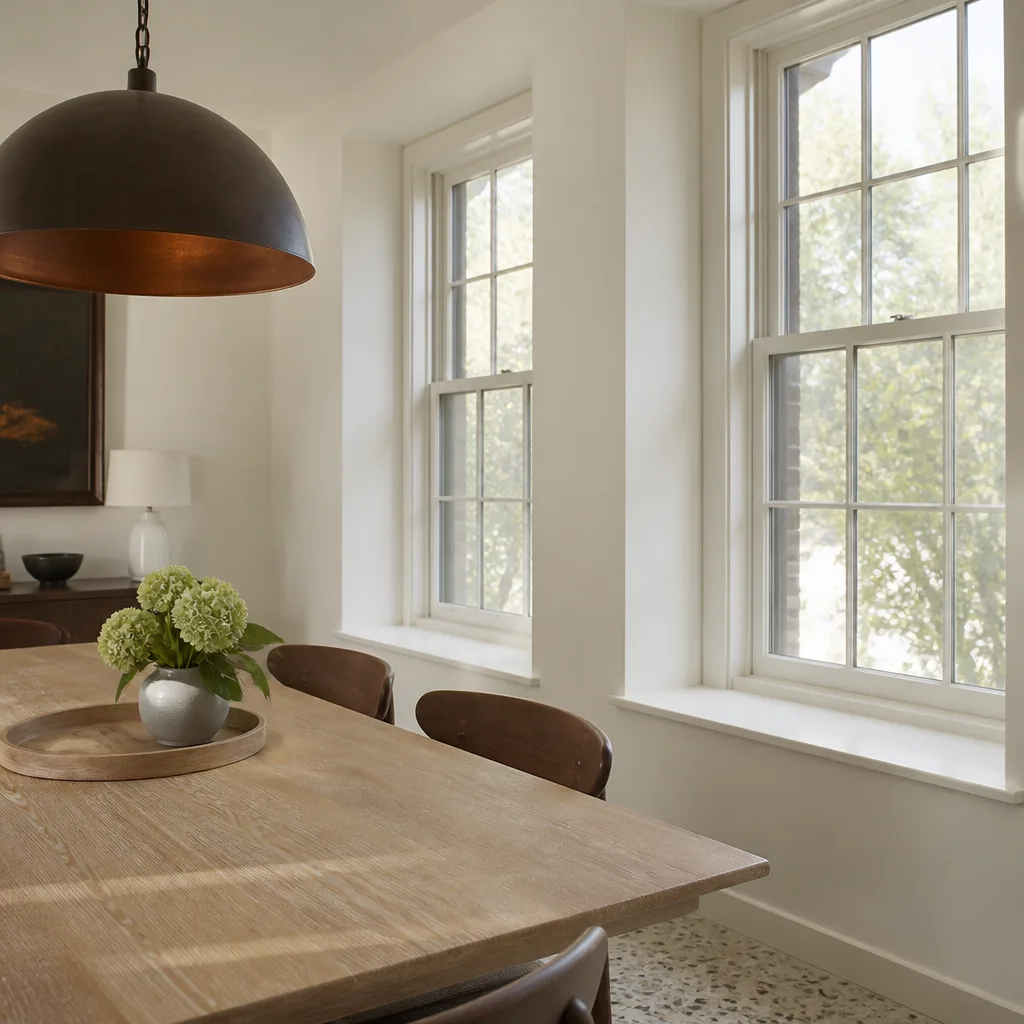
When we scope a Windows & Doors project in Yorba Linda, we start with the parcel, not the product catalog. Hillside lots in this city carry geotechnical considerations that flatland neighboring cities in Orange County rarely face - grading, drainage, and soil movement all feed into how a window opening should be detailed and anchored.
From there, we work through the actual code triggers for the property: Is the parcel in a fire hazard severity zone that pulls in Chapter 7A? What does the existing wall assembly look like? Are there signs of prior movement around the opening? Only then do we specify product - and when a project calls for it, we specify Andersen and Marvin units with published NOA certifications where applicable, and we provide the specific installation protocols required to maintain that certification.
That last part is the detail most contractors never discuss. The certificate is only as good as the installation it’s paired with, and we put both in writing alongside the 730-Day Done Right Promise. If it’s not done right, we make it right - and “done right” means done to the code your parcel actually requires.
What Impact-Rated Window Work Runs in Yorba Linda
Pricing depends on how many openings you’re replacing, the frame material, and whether the assembly has to meet Chapter 7A. Here are the ranges we work from:
| Project | Typical Range |
|---|---|
| Window Replacement | $4,500-$15,000 |
| Impact Window Installation | $8,000-$25,000 |
Upfront pricing, no surprises - the number you see is the number you pay. Projects over $10,000 also qualify for $1,000 off, and we offer 0% financing for 18 months to make a full-house replacement easier to absorb. Every job is quoted after an on-site assessment, not over the phone, because the fire zone designation and wall assembly genuinely change the spec.
Frequently Asked Questions
No. California doesn’t require a Miami-Dade NOA - it’s a Florida county approval, not a California code requirement. Many California builders and manufacturers treat it as useful third-party evidence of impact and wind performance, but it doesn’t substitute for California’s Title 24 energy requirements or CBC Chapter 7A fire requirements. If a contractor presents it as the last word on window quality here, ask what else the assembly covers.
A Florida Product Approval is a statewide approval issued under the Florida Building Code; a Miami-Dade NOA is a county-level approval issued specifically for the HVHZ, which has stricter testing criteria. Both exist, and a product can hold one without the other. For Yorba Linda homeowners, the practical point is simpler: neither is a California standard, so neither tells you whether your window meets the code your hillside parcel is held to.
Not automatically. Inspection approval depends on the assembly meeting California code - Title 24 energy performance, Chapter 7A wildland-urban interface requirements if your parcel falls in a fire hazard severity zone, and seismic detailing appropriate to the structure. A Miami-Dade-rated window can absolutely pass, but only if it’s specified and installed to the California requirements, which is a separate conversation from the NOA.
Ask three things: what fire hazard severity zone the parcel is in, whether the proposed assembly meets Chapter 7A if it applies, and for the written installation detail - not just the product certificate. If the answer to the first two questions is vague, that’s your signal. A contractor who works this market regularly should be able to answer all three without checking.
We answer the phone with a live person, 24/7 - no voicemail black holes. And every technician who shows up is background-checked and in uniform. If you want a straight read on what your specific windows need, call (888) 255-9354 and we’ll walk you through it.
Get a Free Assessment for Your Yorba Linda Windows
A certificate on a brochure isn’t the same as a window that performs on your hillside parcel. If you’d rather have it looked at, Groundwork Construction Co. of Yorba Linda offers a no-pressure assessment in Yorba Linda - call (888) 255-9354 for a free estimate and design consult. From foundation to finish line, we’ll tell you exactly what your windows need and why. You can also start with our home page or review our Yorba Linda service area.
Written by the team at Groundwork Construction Co. of Yorba Linda, serving Yorba Linda, CA.