



Free written scope consultation - allowances, timeline, and change-order rules on paper before a single trade is scheduled
Styles & brands we work with
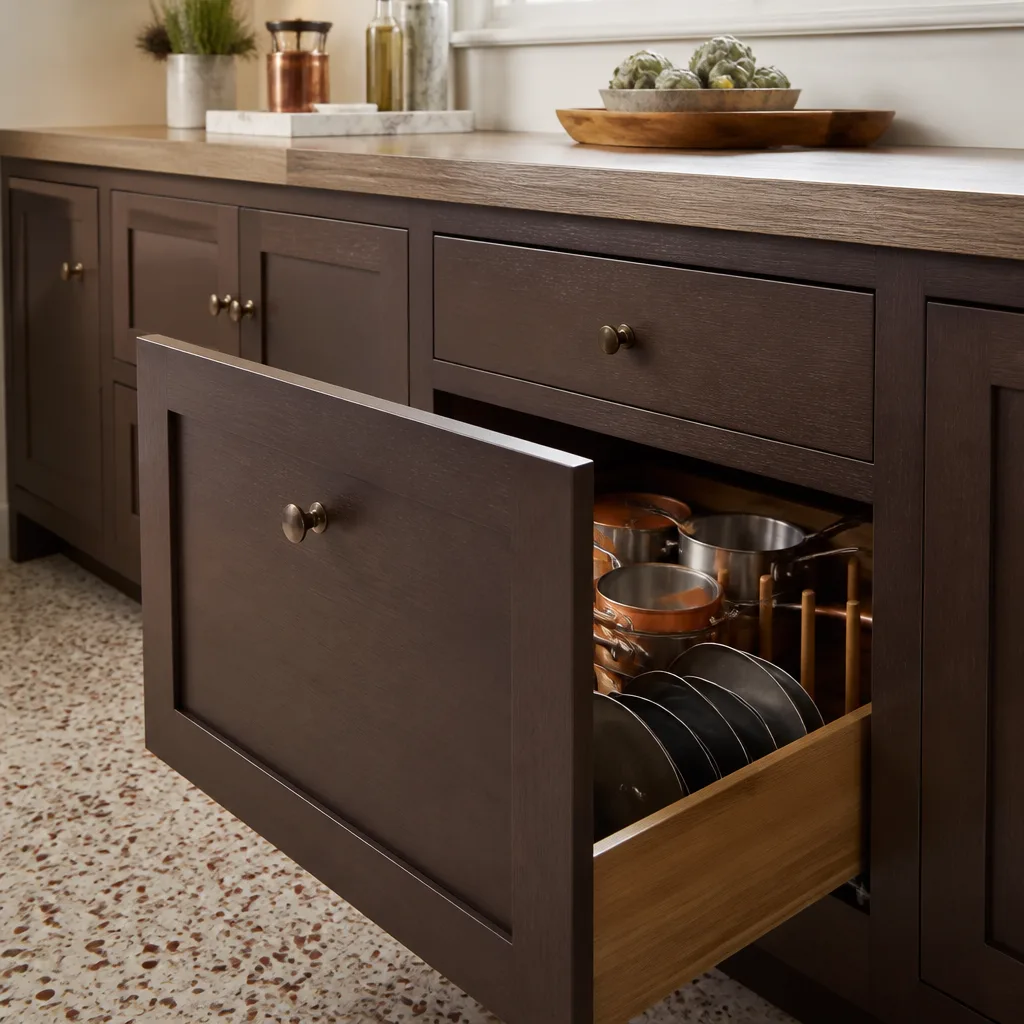
- Kitchen remodeling
- Bathroom remodeling
- Home additions & ADU
- Roofing
- Windows & doors
- Driveway & pavers
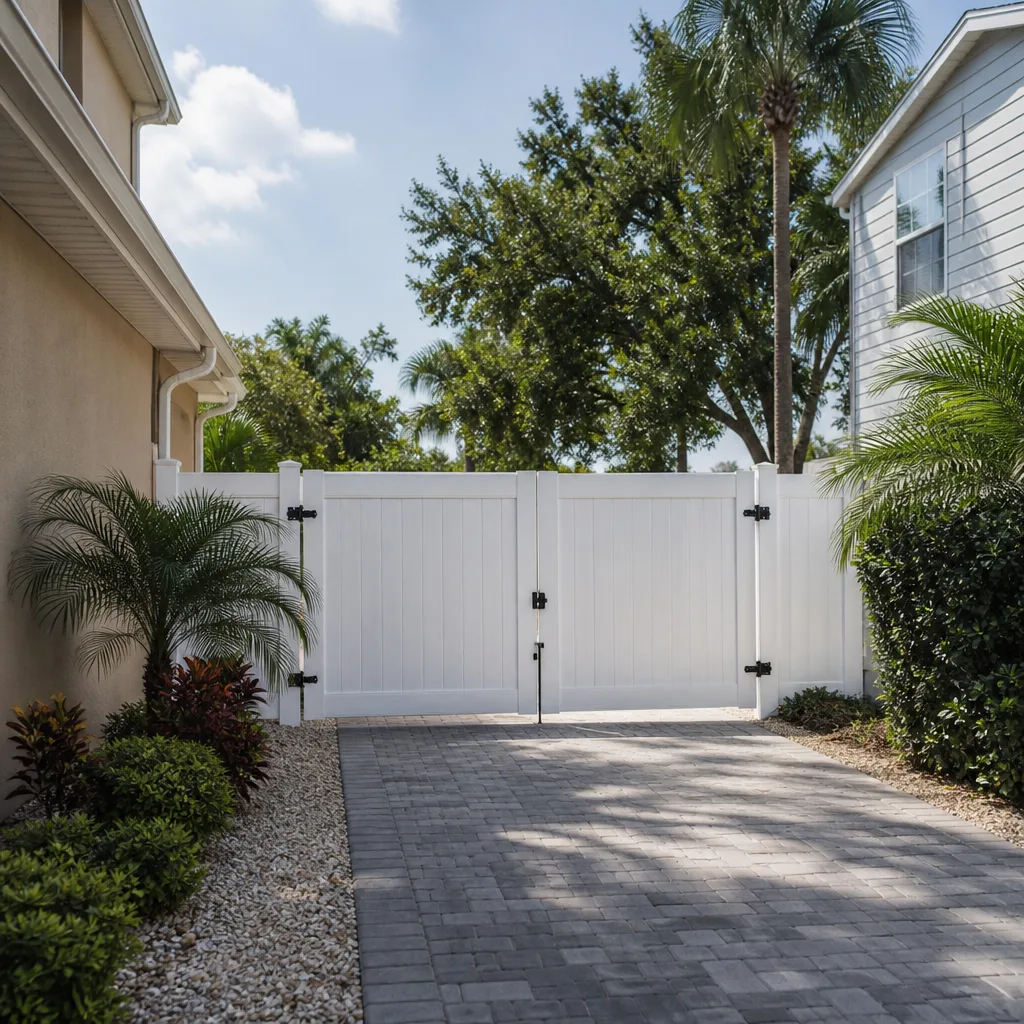
- Fence
See the difference
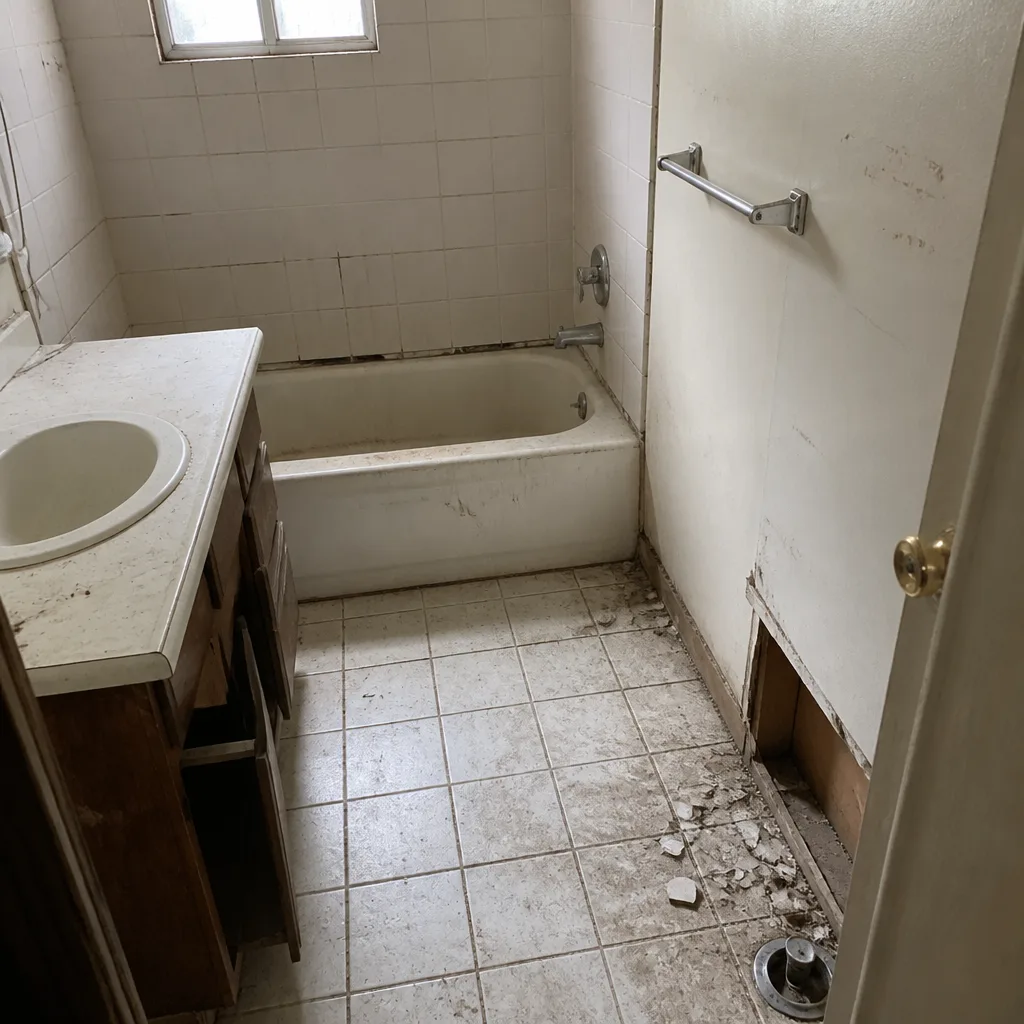 Before
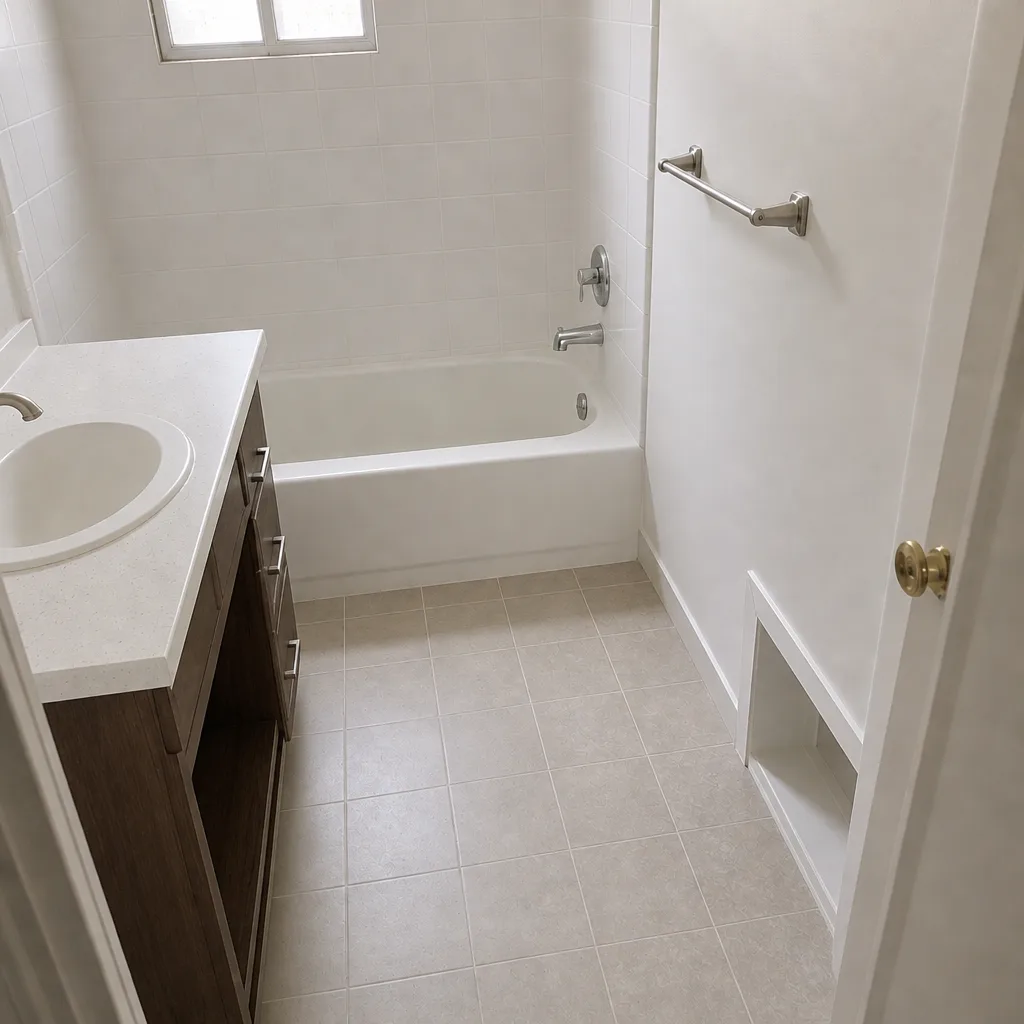 After
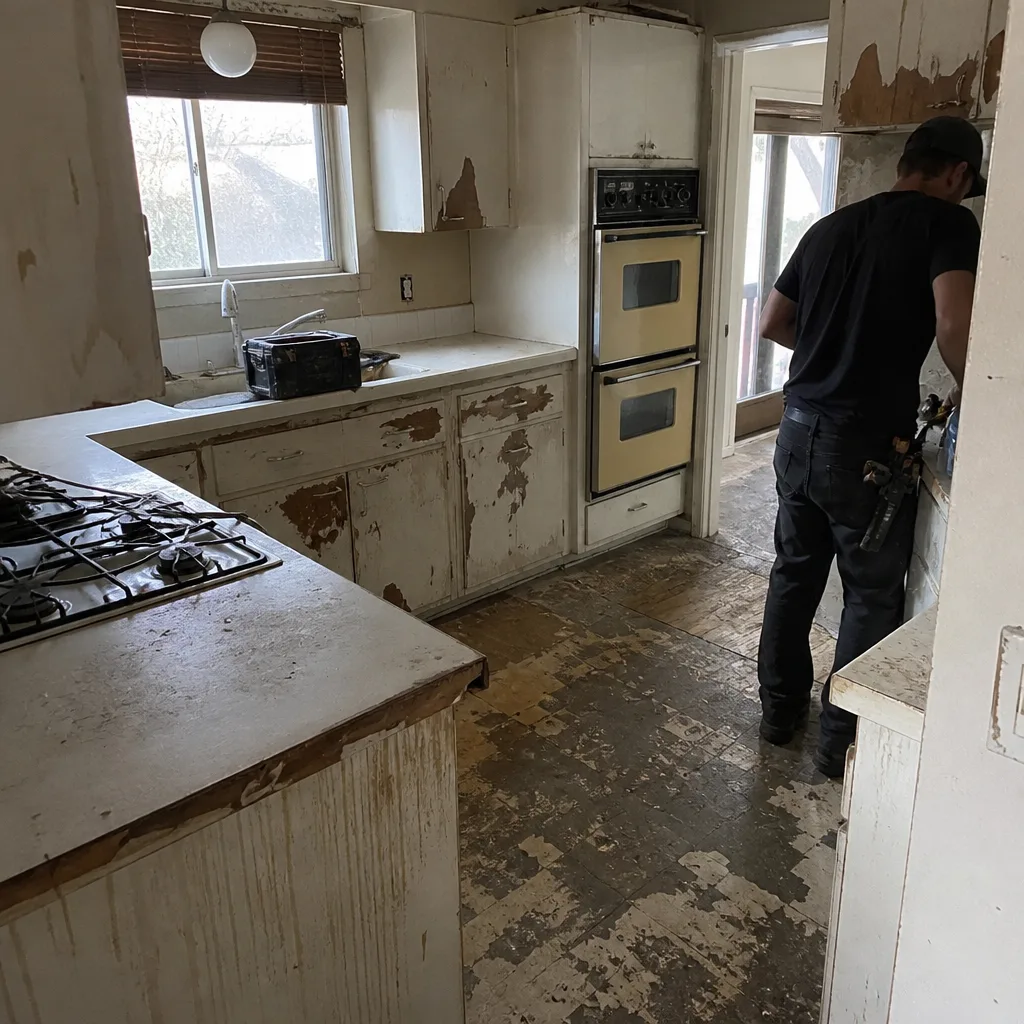 Before
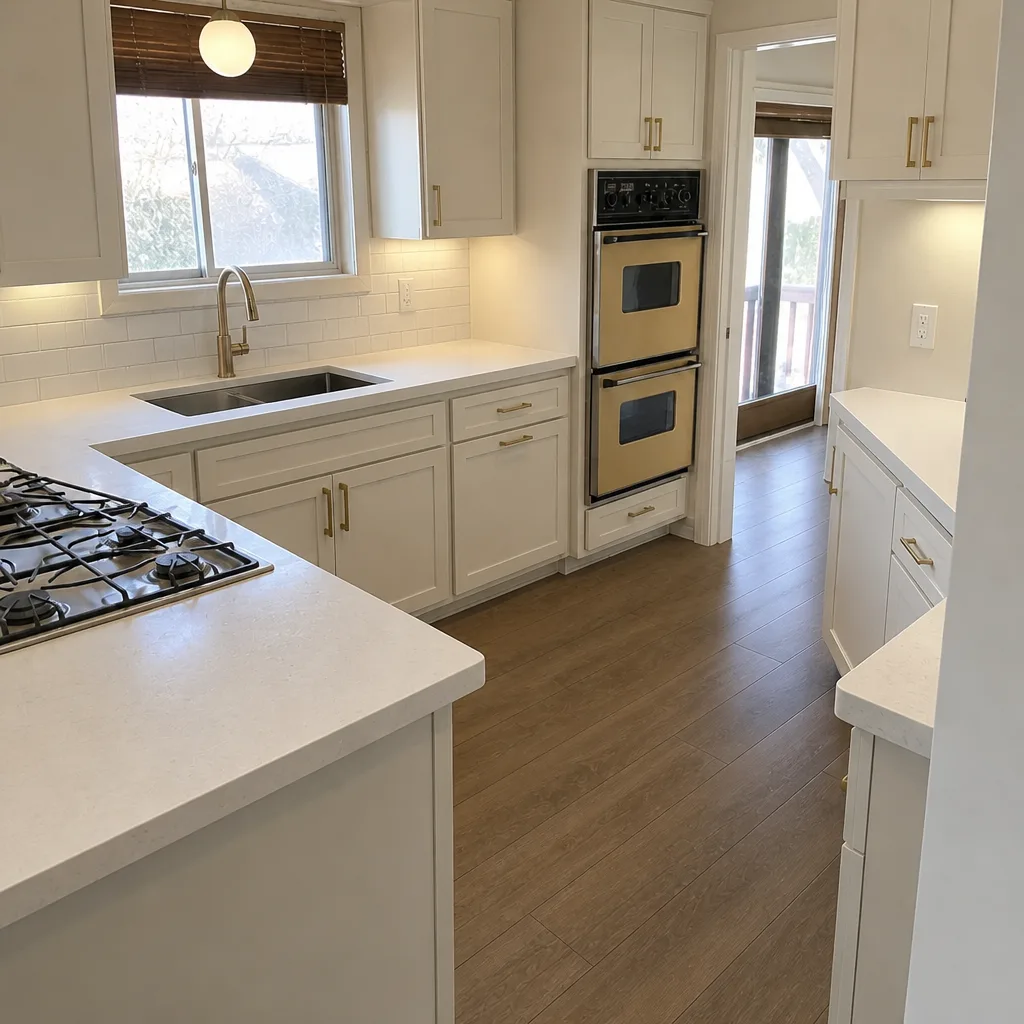 After
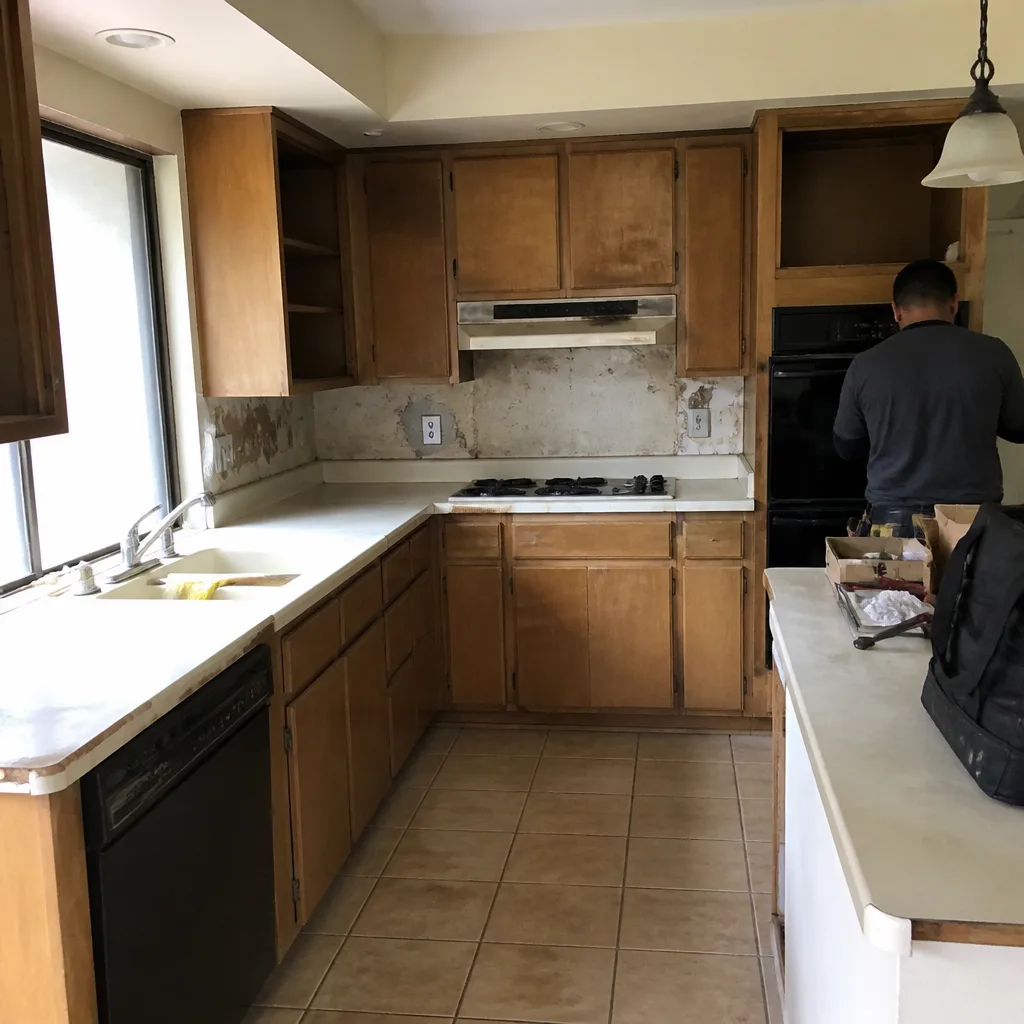 Before
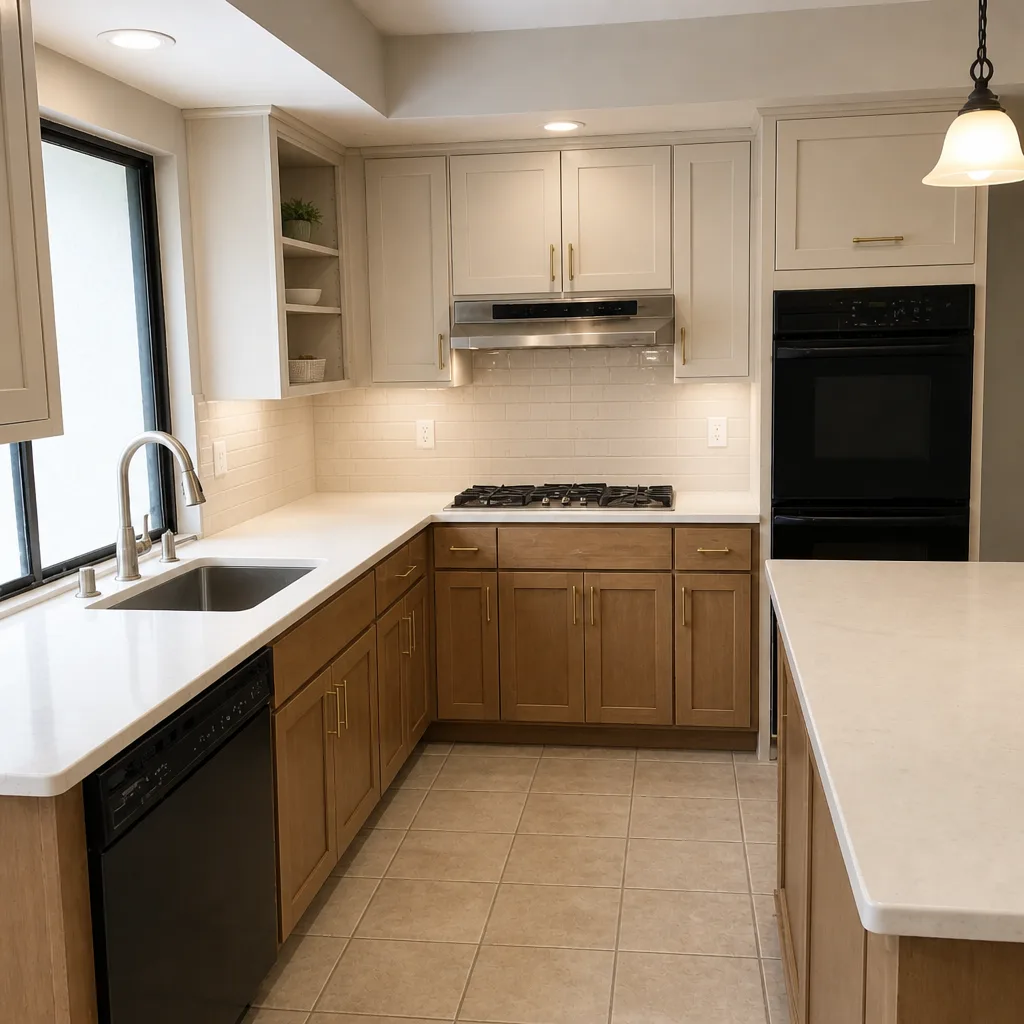 After
What Causes Roof Leaks in Yorba Linda, CA: The Answer Most Homeowners Get Wrong
Most Yorba Linda roof leaks start at a failed flashing detail, not the shingles, and on this city’s 1960s-1980s wood-frame tract homes the usual suspects are vent-stack pipe boots, valley flashing, and eave drip edge. But there’s a second cause that gets missed constantly: backed-up original clay drainage lines pushing water sideways into wall cavities, which stains ceilings exactly like a roof leak. If your roof is newer and water still shows up on the ceiling, the problem may be below the roofline. Call Groundwork Construction Co. of Yorba Linda at (888) 255-9354 and we’ll diagnose it before anyone climbs a ladder.
Yorba Linda sits on slope. Nearly every lot here has some grade to it, and that single fact reshapes the whole leak conversation. Unlike the flat Orange County cities east of us, water in Yorba Linda has somewhere to go and somewhere to pool. It’s what makes the difference between a leak you fix with a $600 flashing repair and a leak that keeps coming back after three “completed” roof jobs.
The Yorba Linda Leak Hierarchy: What We Actually Find Up There
When we get on a roof in Yorba Linda, we’re rarely looking at one problem. We’re sorting a stacked list by likelihood. Here’s what leads that list on the tract-era housing stock, in rough order of how often we find it.
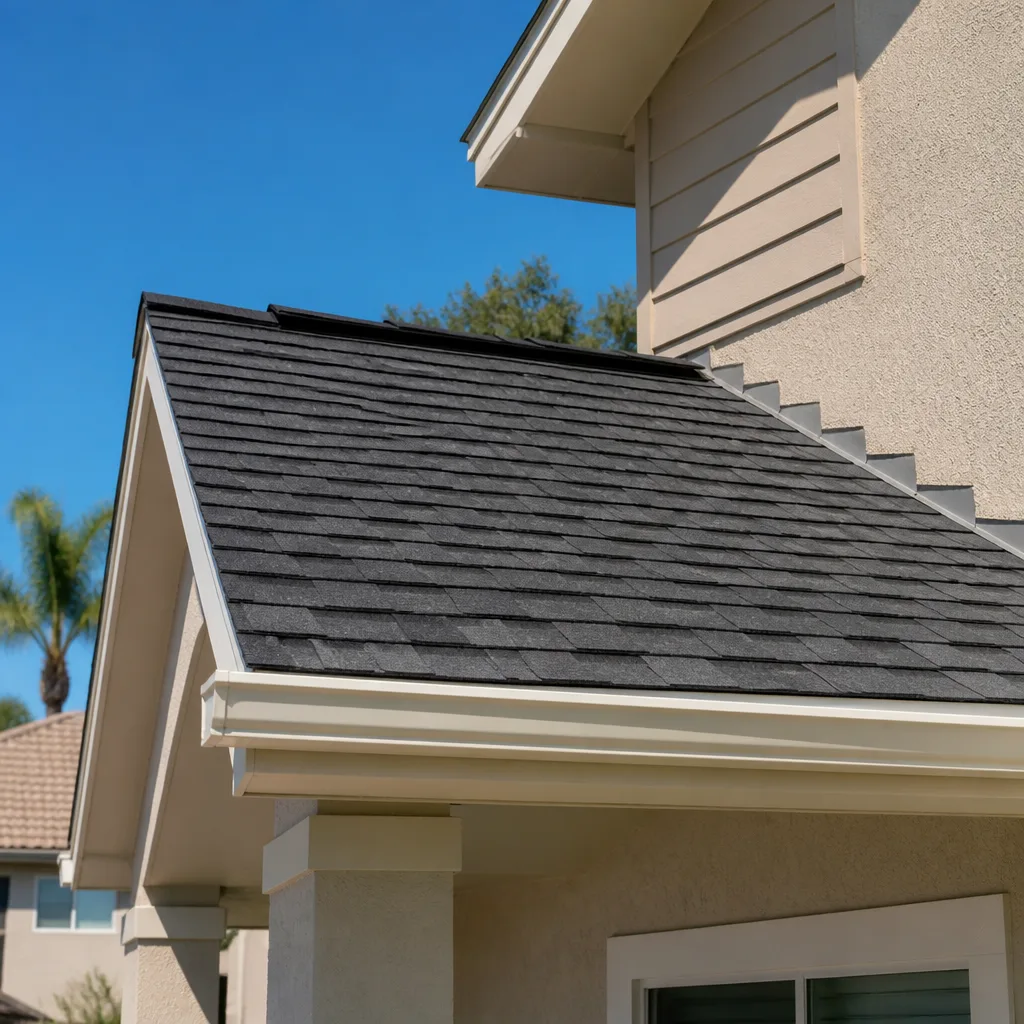
- Failed pipe boot flashings on vent stacks. The rubber collar around your plumbing vents cracks and splits after 15 to 20 years of sun. On a 1975 or 1985 Yorba Linda tract home, those boots are often original or one replacement behind. Water follows the pipe straight into the attic. This is the most common leak source we find, and it’s cheap to fix if it’s caught early.
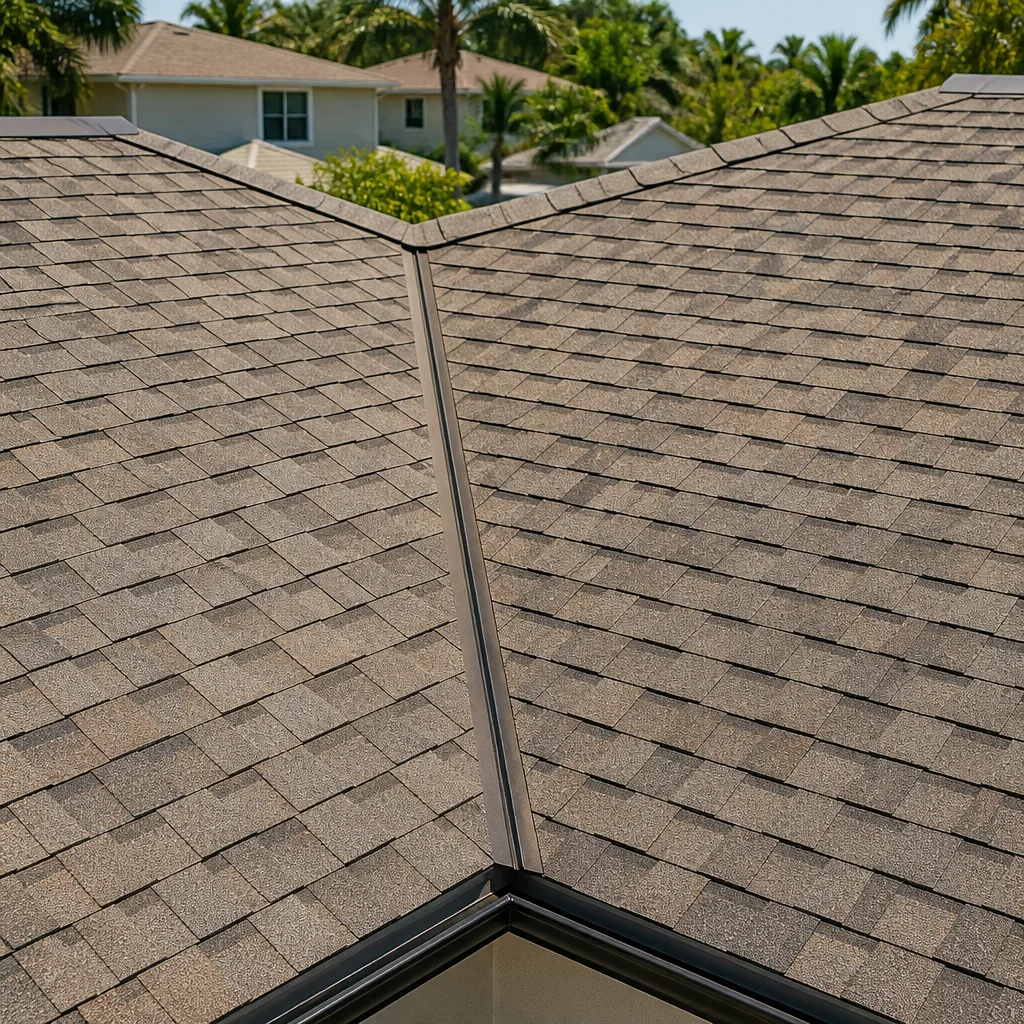
- Valley flashing separation. This city’s expansive clay soils swell when wet and shrink when dry, and that movement travels up through the framing. Where two roof planes meet in a valley, that shifting opens gaps in the flashing. Water pooled in the valley then runs under it.
- Deteriorated eave drip edge on wood-frame soffits. Original stucco and wood soffits have been through decades of wet-dry cycling. When the drip edge pulls away from the fascia, driving rain gets behind it and wicks up into the eave.
- Condensation that looks exactly like a leak. More on this below, because it causes a lot of unnecessary roof replacements.
None of these show up as a dramatic hole. They show up as a brown ring on the ceiling after a storm, or a stain that grows a little each winter. Addressing them is roofing work, and it’s the kind of repair our Roofing crews handle constantly across this market.
When the “Roof Leak” Isn’t the Roof: Clay Drainage Backflow
This is the one that burns homeowners. On the 1960s-1980s tracts, a lot of the original drainage and sewer laterals are still clay pipe. When winter storms hit hard and fast, those lines clog with roots and debris. Water backs up around the foundation. Under hydrostatic pressure, it pushes upward through the slab or moves laterally into wall cavities, and it comes out as staining in a spot that looks structurally identical to a roof penetration leak.
We’ve seen it diagnosed as a failed roof many times. The tell: the stain appears low on a wall, or on a ceiling with no roof penetration anywhere above it, and it’s worst during heavy ground-saturation storms rather than every rain. If your ceiling stains don’t line up with anything on the roof deck, that’s a drainage conversation, not a shingle conversation. Older tracts with aging drainage and original clay sewer lines complicate additions and remodels too, and it’s why we scope drainage as part of the same job rather than as an afterthought.
Santa Ana Winds and Hillside Homes: The Leak Nobody Plans For
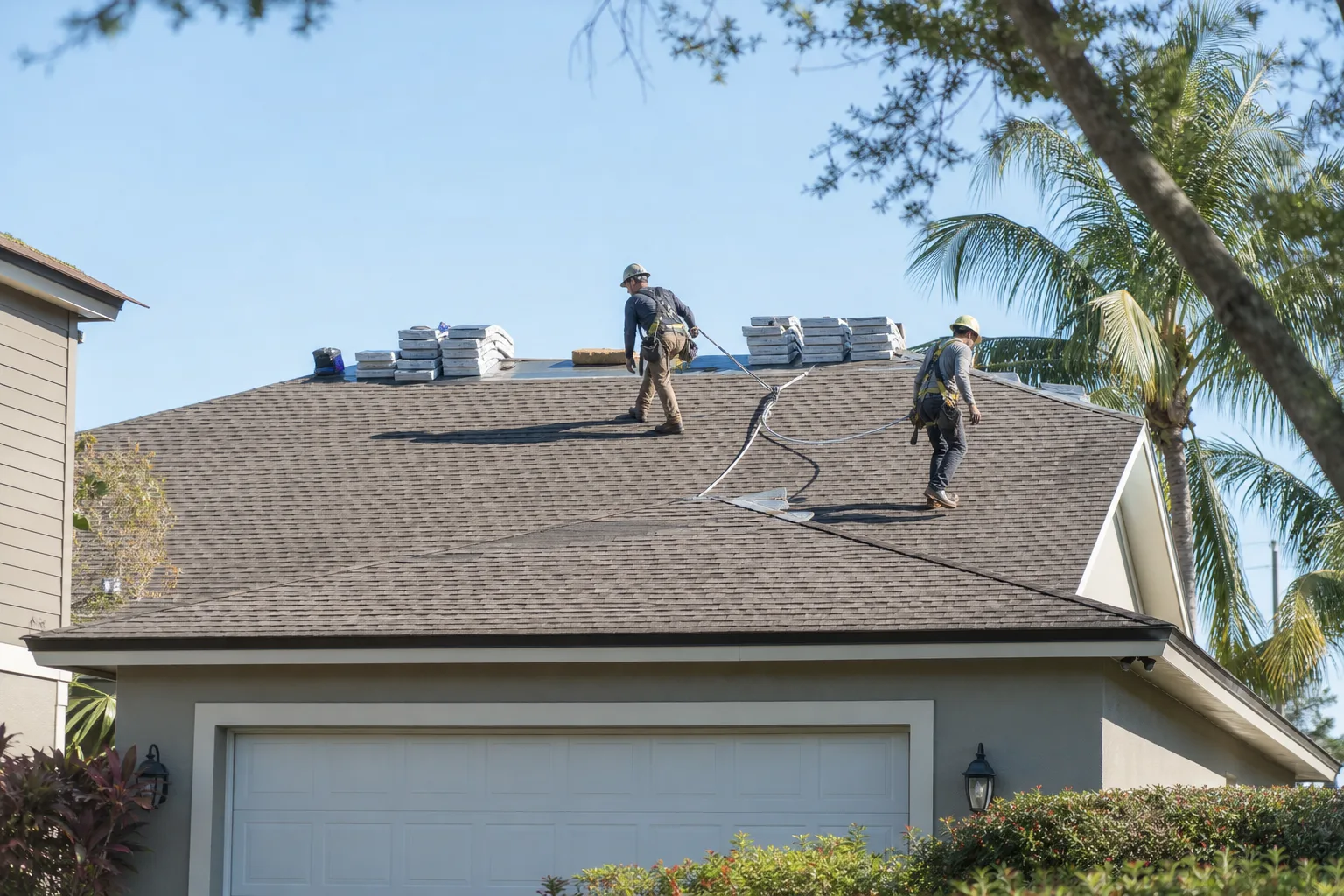
Yorba Linda’s hillside orientation matters in a way most roofing details ignore. During a Santa Ana wind reversal, rain doesn’t fall, it drives. North-facing facades take it head-on, and water gets forced laterally through window head flashings and wall penetrations, sideways against the grain of every standard downward-water roofing detail.
That’s why a leak can appear at a window frame or a wall seam and have nothing to do with the roof plane above it. It’s also why we look at the entire building envelope, not just the top. Full-scope capability matters here: roofing, drainage, and siding under one scope means nobody points at the other trade and shrugs. When we install windows from our brand partners like PGT or CGI, the flashing detail is ours to get right.
Condensation is the other misdiagnosis on hillside homes. Poorly insulated attics see big winter temperature differentials, and moisture condenses on the underside of the decking, then drips. That’s an insulation and ventilation fix. Replacing the roof won’t stop it.
What Leak Repair Actually Costs in Yorba Linda
Pricing here follows the cause, not the square footage. Here’s what we see on a typical Yorba Linda job, with upfront numbers so you know what you’re looking at before anyone arrives.
| Leak Source | Typical Yorba Linda Range |
|---|---|
| Roof repair (flashing, boots, localized) | $400-$1,800 |
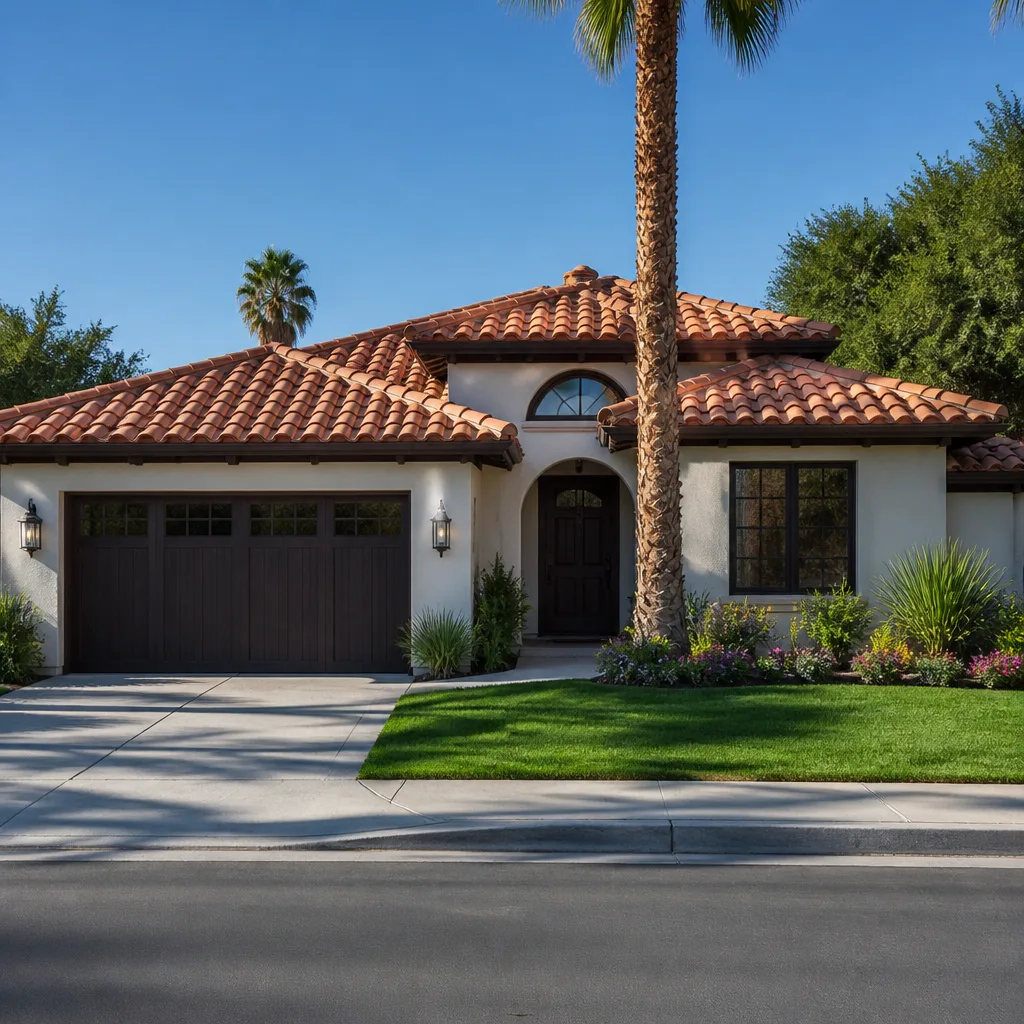
| Tile roof repair | $600-$2,500 |
| Full roof replacement (if beyond repair) | $8,000-$20,000 |
| Metal roof installation | $15,000-$40,000 |
| Window replacement (wind-driven entry) | $4,500-$15,000 |
| Impact window installation | $8,000-$25,000 |
Most leak repairs land in a single visit, and we hold to upfront pricing, the number you see is the number you pay. Every job carries our 730-Day Done Right Promise, one of the longest workmanship guarantees in residential construction. If we fix a leak and it comes back within that window, we come back. That’s the whole point of putting it in writing.
Financing helps too: 0% for 18 months, plus $1,000 off projects over $10,000 if the repair turns into a replacement. A free estimate and design consult comes first, and the number doesn’t change after the fact.
How to Tell Which Cause You’re Dealing With
You don’t need to get on the roof to sort most of this. Start by mapping the stain to what’s above it.
- Locate the stain and trace straight up to the roof deck. If there’s a vent pipe, valley, or eave in that line, it’s likely a flashing failure.
- Note the timing. Every storm means a roofing issue. Only heavy, ground-saturating storms points toward drainage backflow.
- Check the location. Stains on north-facing walls near windows suggest wind-driven entry, not a roof leak.
- Look for a low stain on a wall or a ceiling stain with nothing above it. That’s the drainage and slab pattern.
- If the attic feels damp with no visible penetration, suspect condensation.
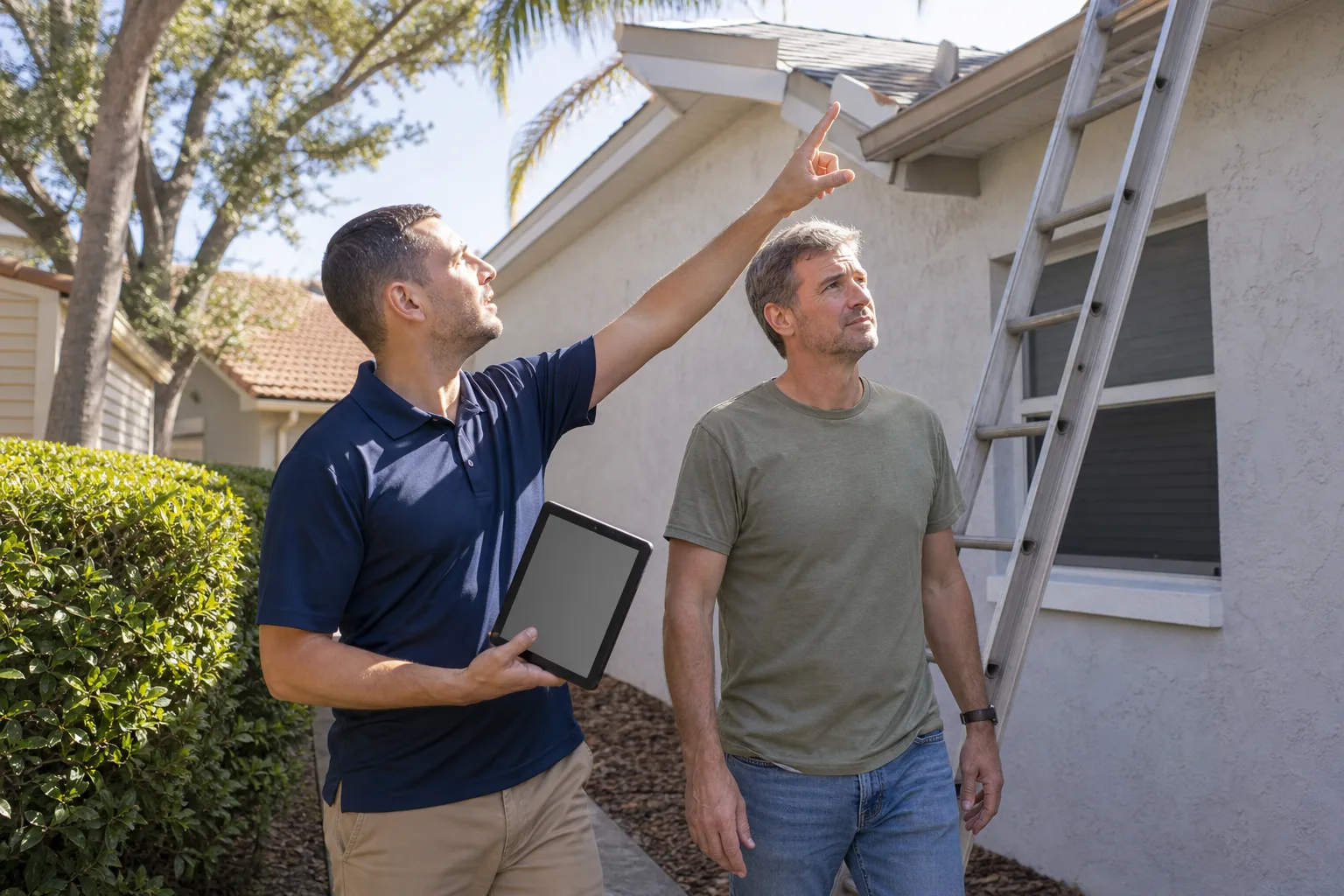
If you’re not sure, don’t guess. Our technicians have up to 12 years of experience and they’ve diagnosed this exact stack of causes across Yorba Linda service area homes many times over. That’s the case for calling a pro instead of patching what you can see from the ground.
FAQs
On a newer roof, backed-up original clay drainage lines around the foundation are a frequent cause, pushing water into wall cavities or up through the slab and staining ceilings that look like roof leaks. Wind-driven rain through window head flashings on north-facing facades is the other common explanation. Both require diagnosis before anyone gets back on the roof; call (888) 255-9354 for an assessment.
Yorba Linda’s semi-arid climate concentrates its rain into a few intense winter storms, and the leaks that only appear then are usually the ones tied to ground saturation or wind-driven entry rather than a simple flashing gap. A steady, small every-rain leak signals a roofing detail problem; a once-a-season ceiling stain points to drainage or envelope issues. Call (888) 255-9354 and we’ll sort which one you have.
Most roof leak repairs in Yorba Linda run $400-$1,800 for flashing and boot work, with tile repairs at $600-$2,500 and full replacements at $8,000-$20,000 if the damage goes deeper. The exact quote depends on the cause, and upfront pricing means the number you’re given is the number you pay. Call (888) 255-9354 for a free estimate.
No. A roofer can fix the roof surface, but a leak caused by clay drainage backflow or wind-driven wall flashing needs a contractor who scopes drainage, siding, and roofing together. That’s the reason Groundwork handles all three under one job, so the leak doesn’t get passed between trades while the stain keeps growing. Call (888) 255-9354 to start.
If you’d rather have it looked at, Groundwork Construction Co. of Yorba Linda offers a no-pressure assessment in Yorba Linda. Calls are answered by a live person 24/7, technicians are background-checked and arrive in uniform, and you’ll walk away knowing exactly what’s causing the leak. Call (888) 255-9354 for a free estimate, and let’s get it done right.
Written by the team at Groundwork Construction Co. of Yorba Linda, serving Yorba Linda, CA.