


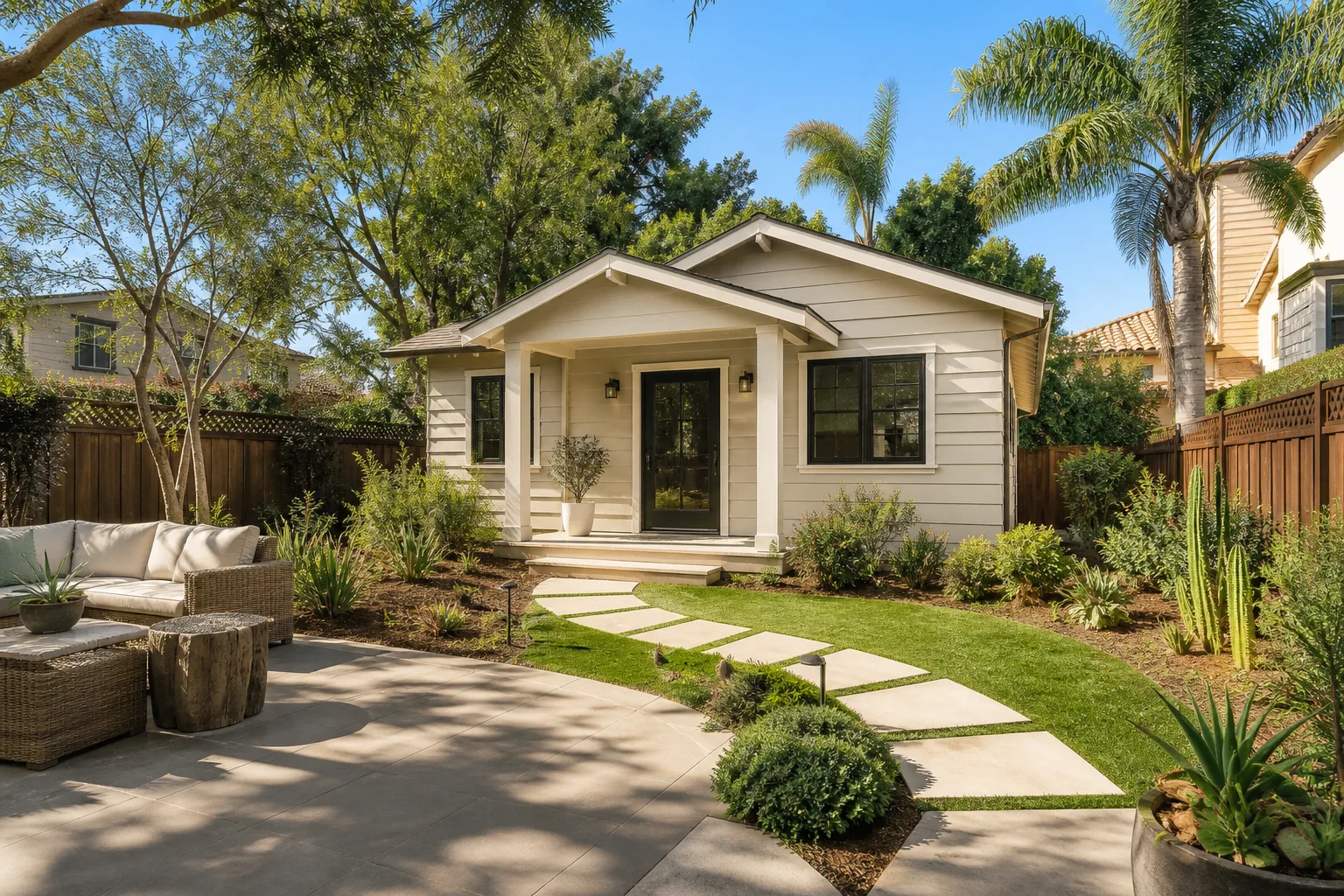
Free written scope consultation - allowances, timeline, and change-order rules on paper before a single trade is scheduled
Styles & brands we work with
- Kitchen remodeling
- Bathroom remodeling
- Home additions & ADU
- Roofing
- Windows & doors
- Driveway & pavers
- Fence
See the difference
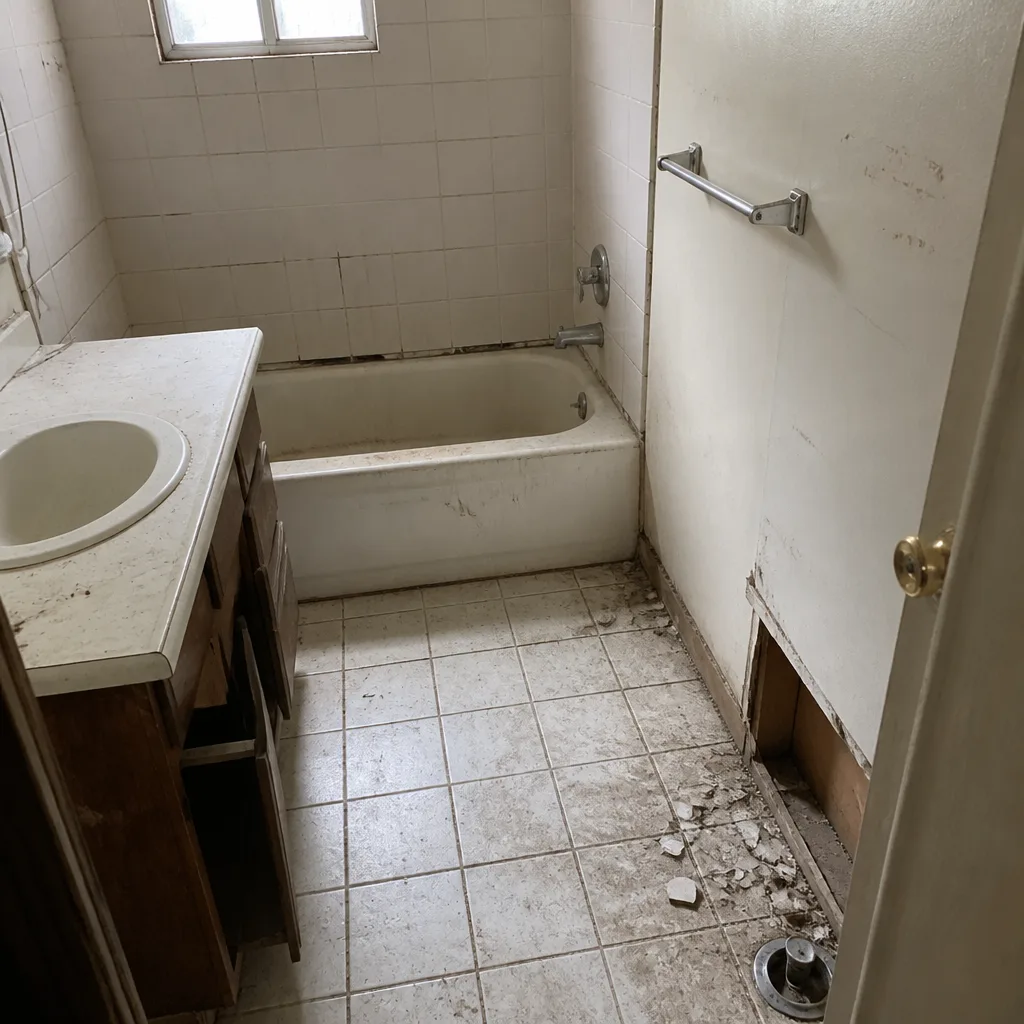 Before
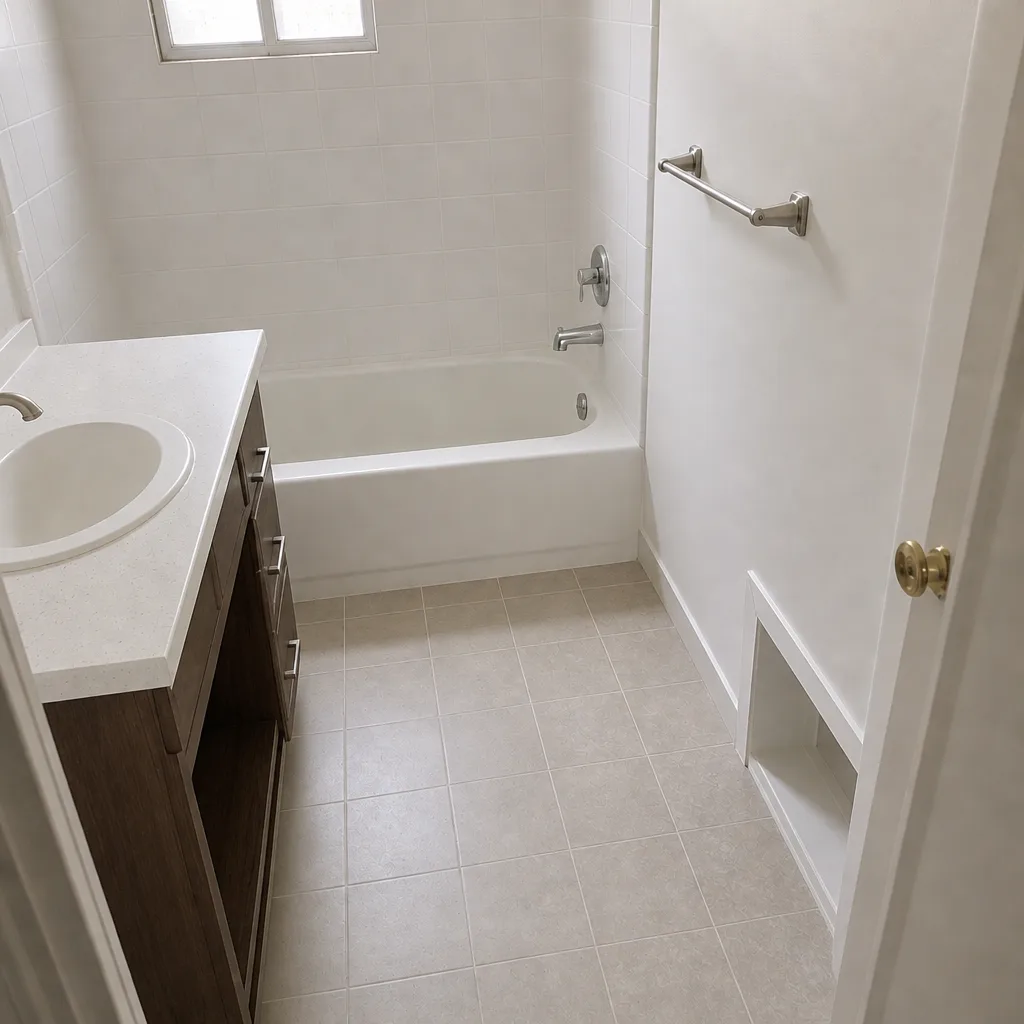 After
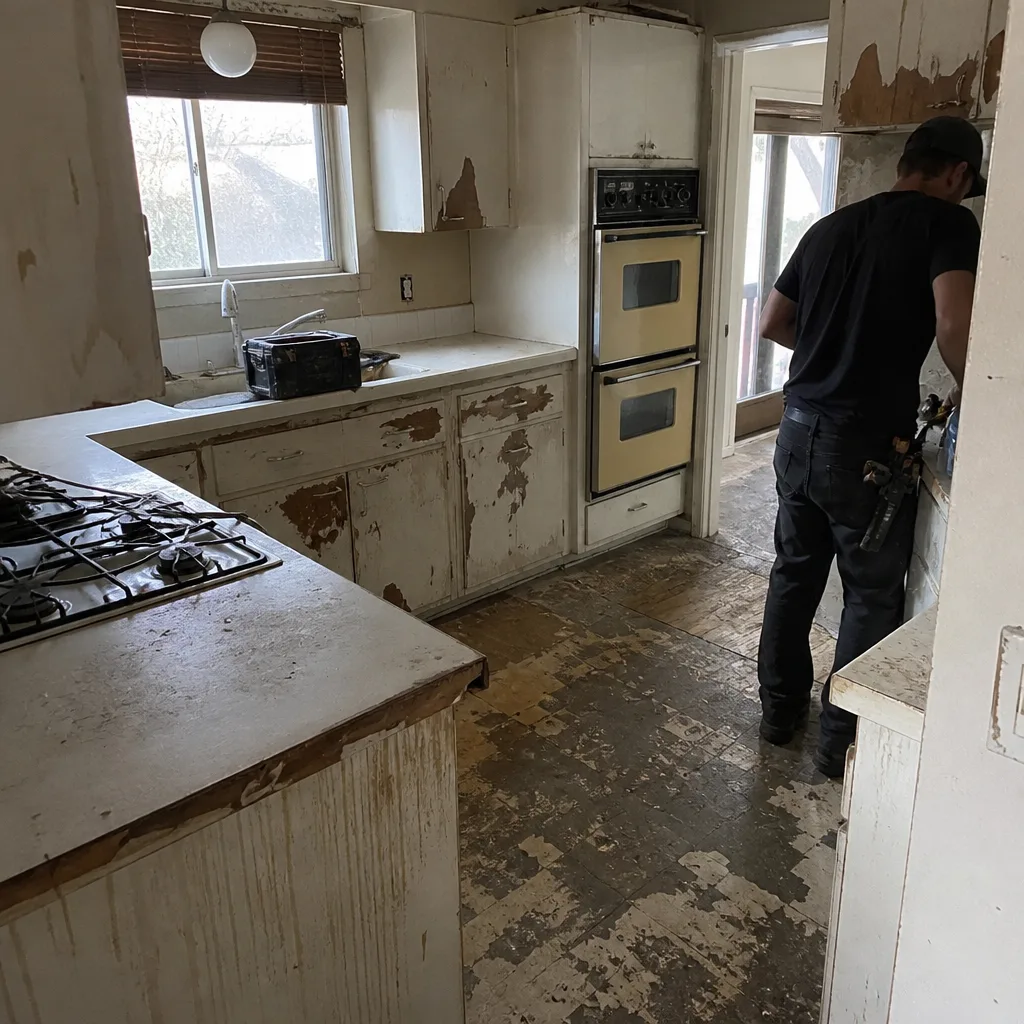 Before
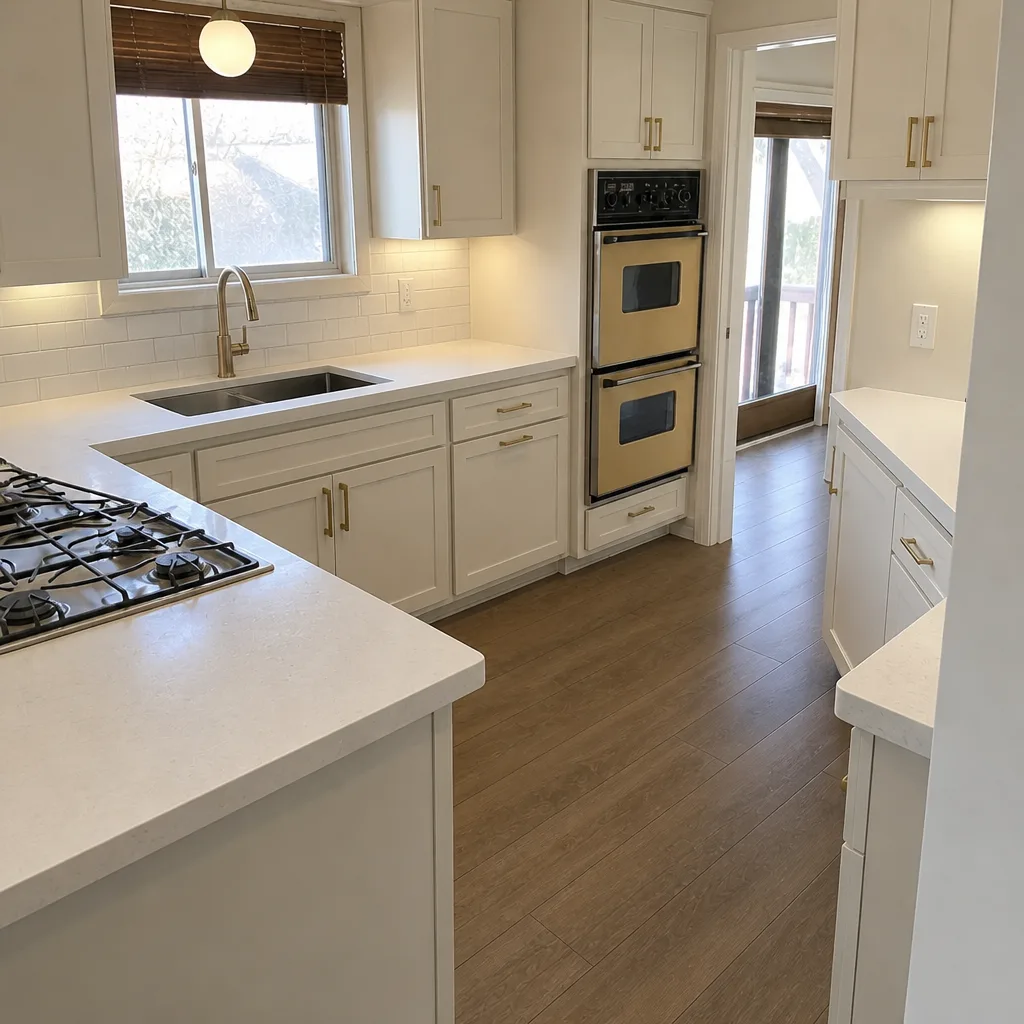 After
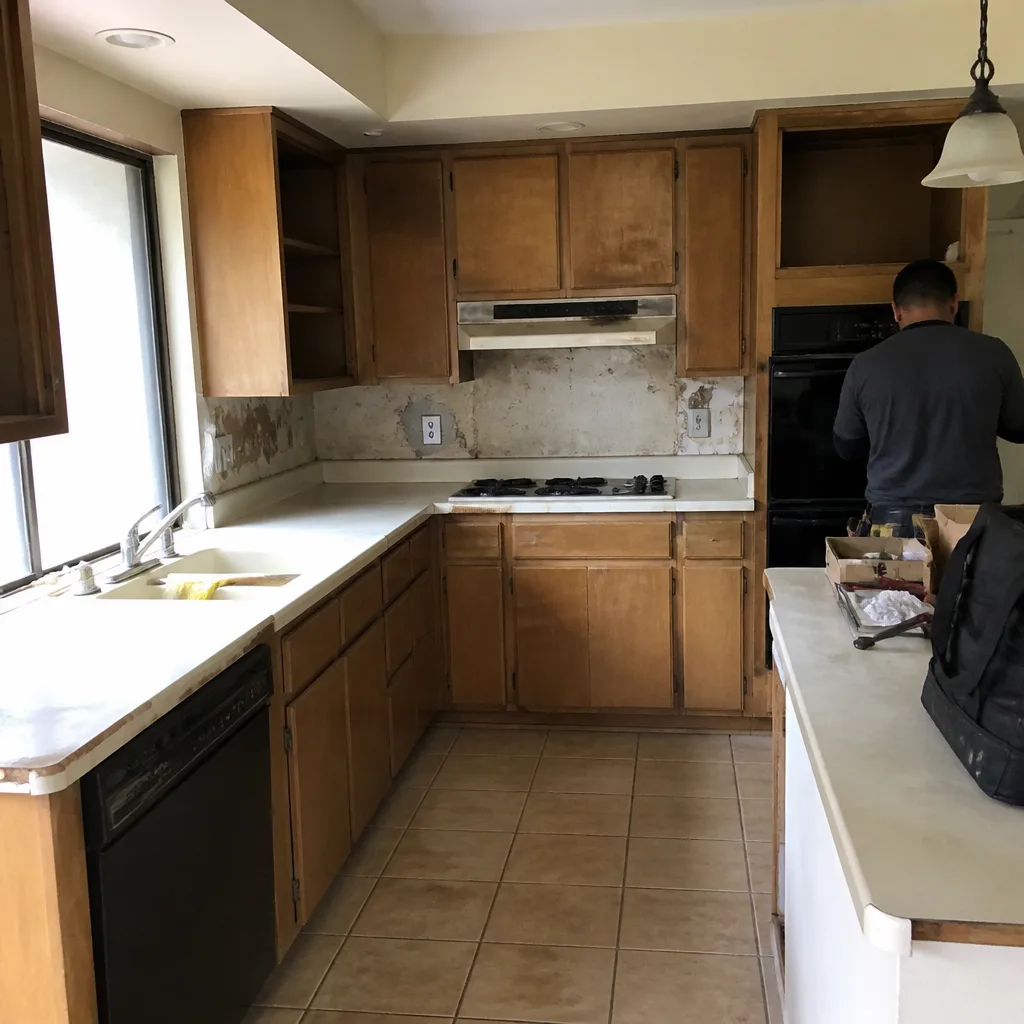 Before
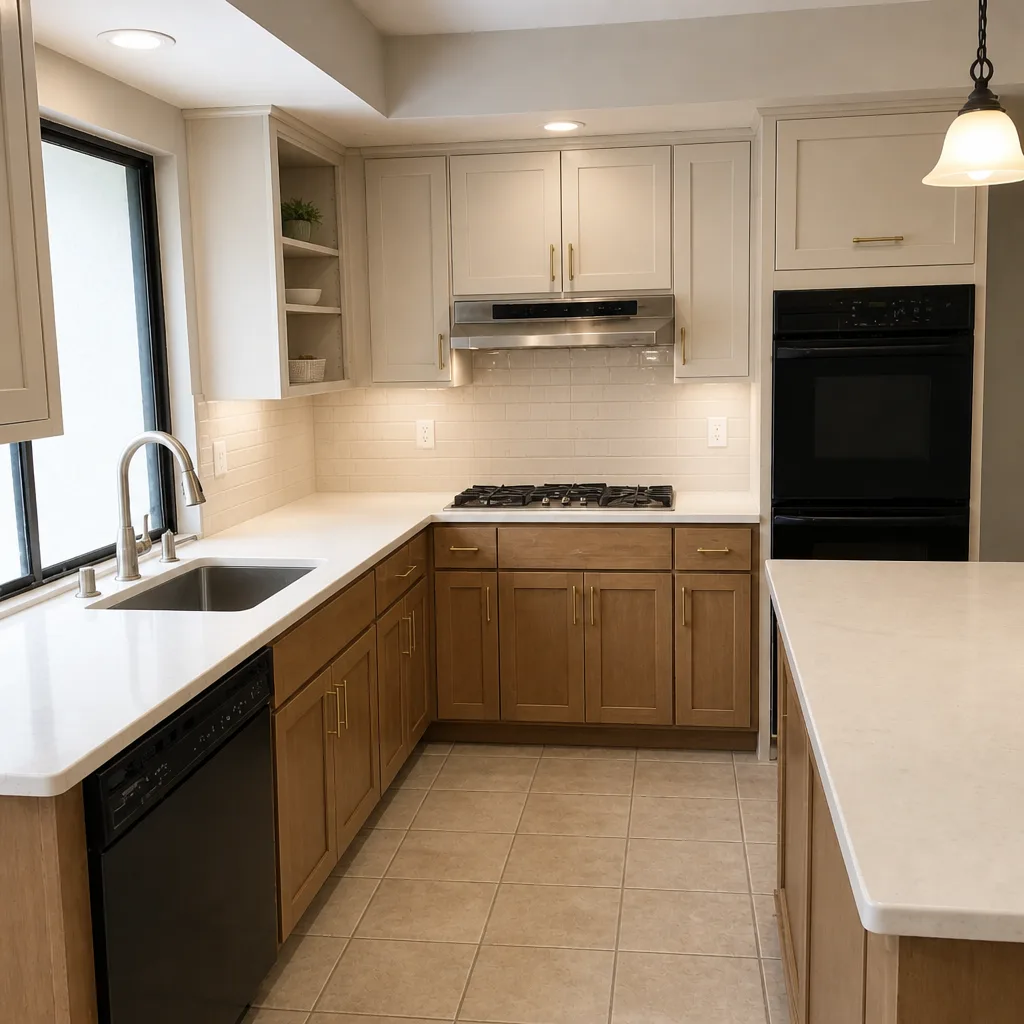 After
How to Repair a Chain Link Fence in Yorba Linda, CA
Chain link repair on a Yorba Linda hillside almost always starts with the posts, not the mesh. If the fence has sagged along a downhill run, the mesh is simply following posts that have already moved with the soil, so tightening the tension bar re-tensions a frame that’s out of plumb and the sag returns within a season. The short answer: check plumb on every post first, reset the footing if any intermediate post has shifted, then re-tension the fabric from the terminal posts inward. When the lean has spread across too many posts, repair stops making sense and replacement is the honest call. For a straight answer on which side of that line your fence is on, call (888) 255-9354.
We see a version of this on hillside lots across Yorba Linda every rainy season. Fences that looked fine in October come out of a February storm leaning downhill, and the fix people reach for first, a tighter tension wire, just pulls the next post out of line.
Why Hillside Fences Fail Differently Than Flat-Lot Fences
Yorba Linda is a hillside city, and nearly every lot carries some slope, which is why retaining walls, grading, and drainage engineering shape so much of the work here. If your fence runs along a downhill grade, the soil under the footings is slowly working downslope. That movement is quiet until it isn’t: a post that started dead plumb in 1995 now leans a few degrees downhill, the fabric sags between posts, and the bottom rail may sit closer to the ground than it should.
Pull that fabric tight without fixing the post, and you’ve done two things. You’ve transferred the load to the adjacent posts, and you’ve made the sag look fixed for a few months. By the next storm, a new sag point develops somewhere down the line. This is the most common mistake we correct: re-tensioning a frame that was already out of plumb.
The slope itself isn’t always the whole story. Yorba Linda lots platted during the 1960s-80s tract boom often have drainage systems that have aged well past their design life, and on the hillside streets off Imperial Highway and Yorba Linda Boulevard, water from a failed retaining wall or blocked drain can undermine a fence footing from below without any visible sign at the surface.
The Diagnostic Sequence: Posts First, Mesh Second
Before anyone touches the tension bar, we walk the line and check every post. Here’s the sequence, in order:
- Check plumb on the terminal posts. Use a spirit level on two faces. If a terminal post has rotated, the whole run has lost its anchor point and re-tensioning will inevitably fail.
- Check every intermediate post. One moved intermediate post is enough to defeat a full re-tension. If it has moved, expect a new sag point within months unless it’s reset.
- Assess the footing. Excavate around a leaning post’s base. You’re looking for one of two conditions: the footing has heaved (pushed up by expanding soil or frost) or it has rotated (tipped in the direction of the slope). Heave and rotation get different fixes.
- Inspect the bottom of the mesh for corrosion. Soil contact kills the lower knuckles over time. That’s a different repair than a mechanical tear.
- Note the alignment. If the fence sits near a retaining wall or a property-line drainage easement, its alignment may have been set by a permitted grading plan. That’s the point where we check before we dig.
Only after that sequence do we touch the fabric. Skipping any of it is how a homeowner ends up paying twice for the same sag.

Resetting a Leaning Post on a Slope: The Correct Order
A leaning post on a Yorba Linda slope can’t be straightened by kicking it plumb and driving a stake in the ground. The footing is the failure point, so the footing gets the repair. The sequence, in broad strokes:
- Excavate around the footing to its full depth. Don’t short-cut this to save a shovel of dirt; you need to see what the soil did.
- Assess whether the footing heaved or rotated, and whether the soil around it has drained poorly or washed out.
- Remove or break out the old concrete if it’s failed, and re-pour a footing that’s deeper and wider than the original, set below the active soil layer on that slope.
- Set the post plumb and true to the original fence line, brace it, and let the concrete cure fully before any tension goes back on. Rush the cure, and you’ll be back at step one.
- Re-tension the fabric from the terminal posts inward, working toward the middle of the run rather than from the middle out. This is the order that keeps stress even across every post.
Two things we mention every time: high-tension chain link systems are under real stored energy, and once you loosen a terminal post the whole run wants to move. Pulling fabric tight with hand tools on a hillside frame that isn’t secure is a good way to get hurt. If any part of the run involves a tall fence near a slope, a drop-off, or a wall, we recommend a trained professional handle the reset. Our technicians have up to 12 years of experience, and they bring the right equipment for high-tension work.
For the whole scope of replacing a fence rather than healing one, see our Fence Installation service.
Patching the Mesh: Two Damage Types, Two Repair Methods
In Yorba Linda, chain link damage comes in two flavors, and they don’t get patched the same way.
Physical impact damage. Winter rain concentrated into a few intense storms can move debris downslope. The 2008 Freeway Complex fire left burn scars across the hills, and burn scars mean debris flows and erosion control are real seasonal concerns on these slopes. A torn panel from a physical impact is a mechanical repair: cut out the damaged section, splice in new fabric of matching gauge and mesh size with tension bands and hog rings, then re-tension that run from the terminal posts.
Corrosion damage. The lower knuckles of a chain link fabric sit in soil contact. Over 20 to 30 years, those wire bottoms rust through and the fabric starts to fail from the ground up. Patching a corroded bottom section is usually a stopgap. Once the bottom half of the fabric is failing, replacing the fabric run is the better long-term move. If you want a fence that survives decades of hillside soil contact without this fight, vinyl-coated chain link and vinyl fencing products from brands we work with are worth the conversation.
If you’re weighing vinyl, aluminum, or manufactured fencing instead of the repair, our team at Fence Installation in Yorba Linda handles the material selection.
Yorba Linda Permit Realities for Chain Link Repair
Here’s the detail that flat-lot repair guides skip. On many Yorba Linda properties, a chain link fence on a slope was installed as part of a city-permitted grading plan, particularly where the property shares a retaining wall or a drainage easement at the property line. If your repair changes the fence’s alignment, the engineering review process may come into play. That’s not a scare tactic; it’s a real permit quirk on hillside lots here that rarely comes up in flatland neighborhoods.
Straight repair and re-tensioning within the existing alignment usually don’t trigger engineering review. A full post replacement that moves the fence line might. We check the situation before anyone picks up a shovel, and we walk you through what the city will expect.
When Repair Stops Making Sense: The Math
Our rule of thumb is simple. If more than 30% of the posts have moved, or the terminal posts have rotated, re-tensioning is money down a hole. You’re massaging a structural problem that will surface again within a year. At that point, replacement is the honest recommendation, and we’ll show you the repair-versus-replace math before anyone commits.
Here’s what fence work generally runs in Yorba Linda:
| Scope | Typical range |
|---|---|
| Chain link repair (post reset, re-tension, patch) | $3,500-$9,000 |
| Vinyl fence installation | $3,500-$9,000 |
| Aluminum fence installation | $4,000-$10,000 |
Those numbers are upfront pricing you can plan against: the number you see is the number you pay, backed by our 730-Day Done Right Promise. If you’re already planning a larger project on the same property, our home service overview shows the full scope we handle from foundation to finish line.
FAQs
Chain link fence repair in Yorba Linda typically runs $3,500-$9,000 depending on how many posts need resetting, whether footing work is involved, and whether any mesh gets patched. Call (888) 255-9354 for an exact quote on your specific run; estimates are free and there’s no pressure.
Occasionally, on a flat-lot fence with a single post and shallow footing, yes. But on a Yorba Linda hillside, the footing has to be excavated, assessed, and often re-poured deeper and wider, and the run has to be re-tensioned from the terminal posts inward after a full cure. High-tension chain link carries real stored energy; if the fence line is tall or sits near a slope or wall, we recommend a trained technician handle it.
Repair is usually cheaper, and it’s the right move if the terminal posts are still plumb and only a few intermediate posts have shifted. Once more than 30% of the posts have moved, though, replacement is cheaper over five years because you’ll be paying for the same fix twice. Call (888) 255-9354 and we’ll show you the math before anyone picks up a tool.
Because the posts have moved and the tension keeps transferring to adjacent posts. Tightening the fabric on an out-of-plumb frame causes new sag points within months. Reset the footing first, then re-tension from the terminal posts inward.
Often, yes. Calls are answered by a live person 24/7, and we can usually get an assessment out the same day for active fence failures. Call (888) 255-9354.
If you’d rather have it looked at than crawl the line with a level yourself, Groundwork Construction Co. of Yorba Linda offers a no-pressure assessment in Yorba Linda. We’ll walk the slope, check the posts, and show you the repair-versus-replace math in writing. Call (888) 255-9354 for a free estimate.
Written by the team at Groundwork Construction Co. of Yorba Linda, serving Yorba Linda, CA.