





Free written scope consultation - allowances, timeline, and change-order rules on paper before a single trade is scheduled
Styles & brands we work with
- Kitchen remodeling
- Bathroom remodeling
- Home additions & ADU
- Roofing
- Windows & doors
- Driveway & pavers
- Fence
See the difference
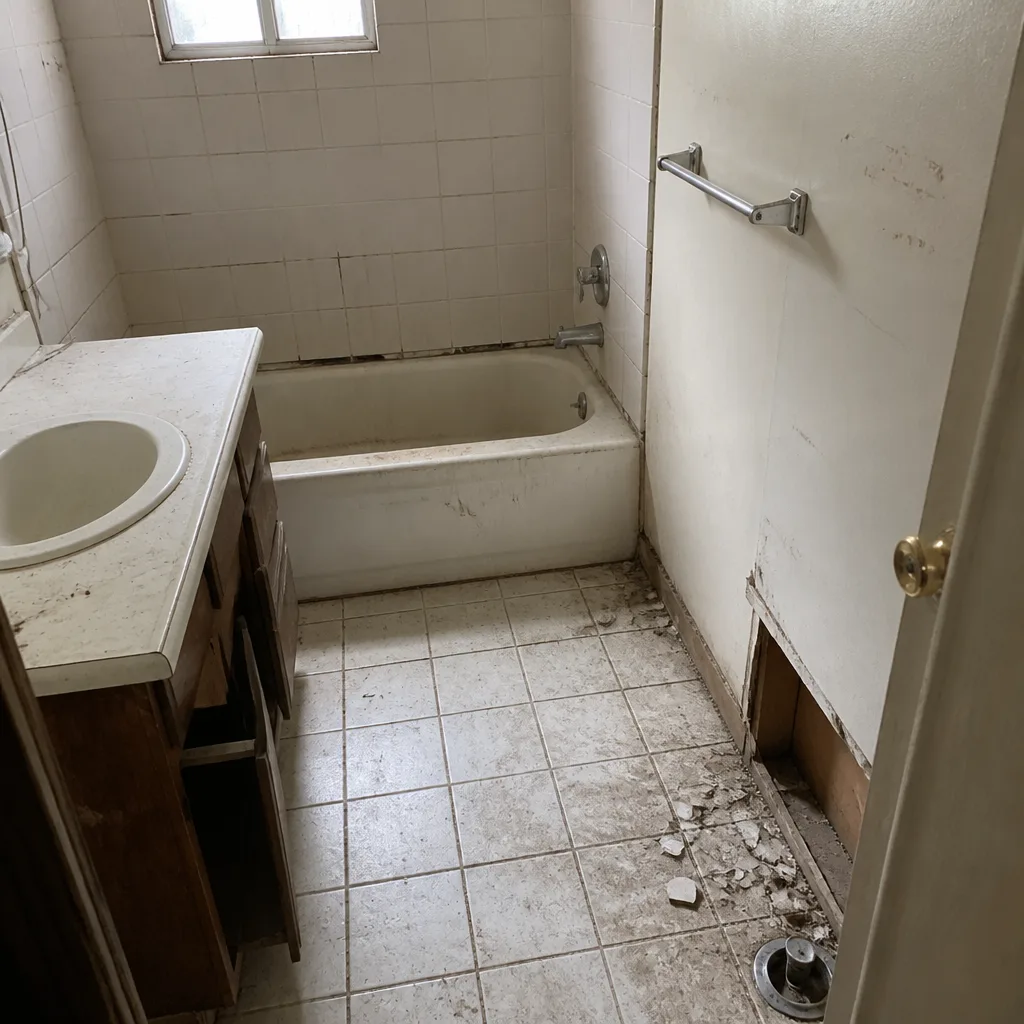 Before
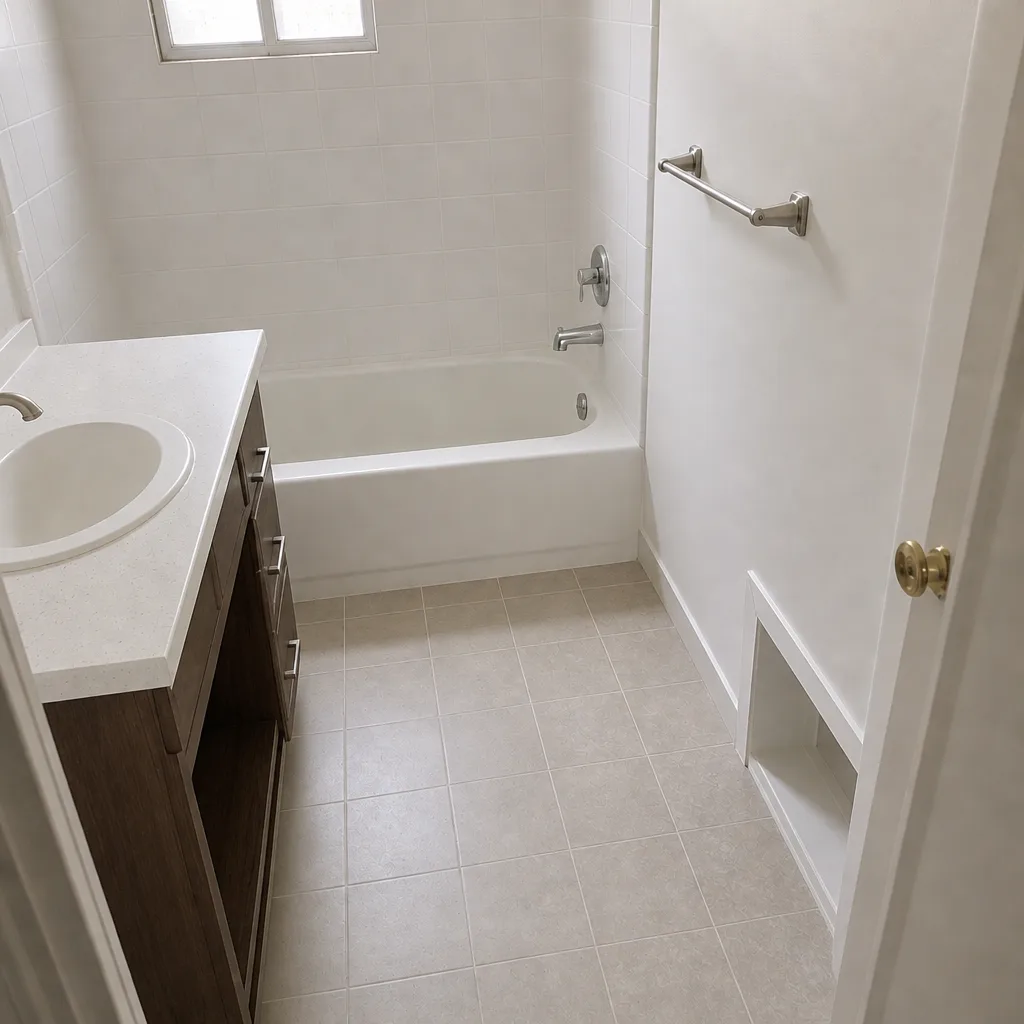 After
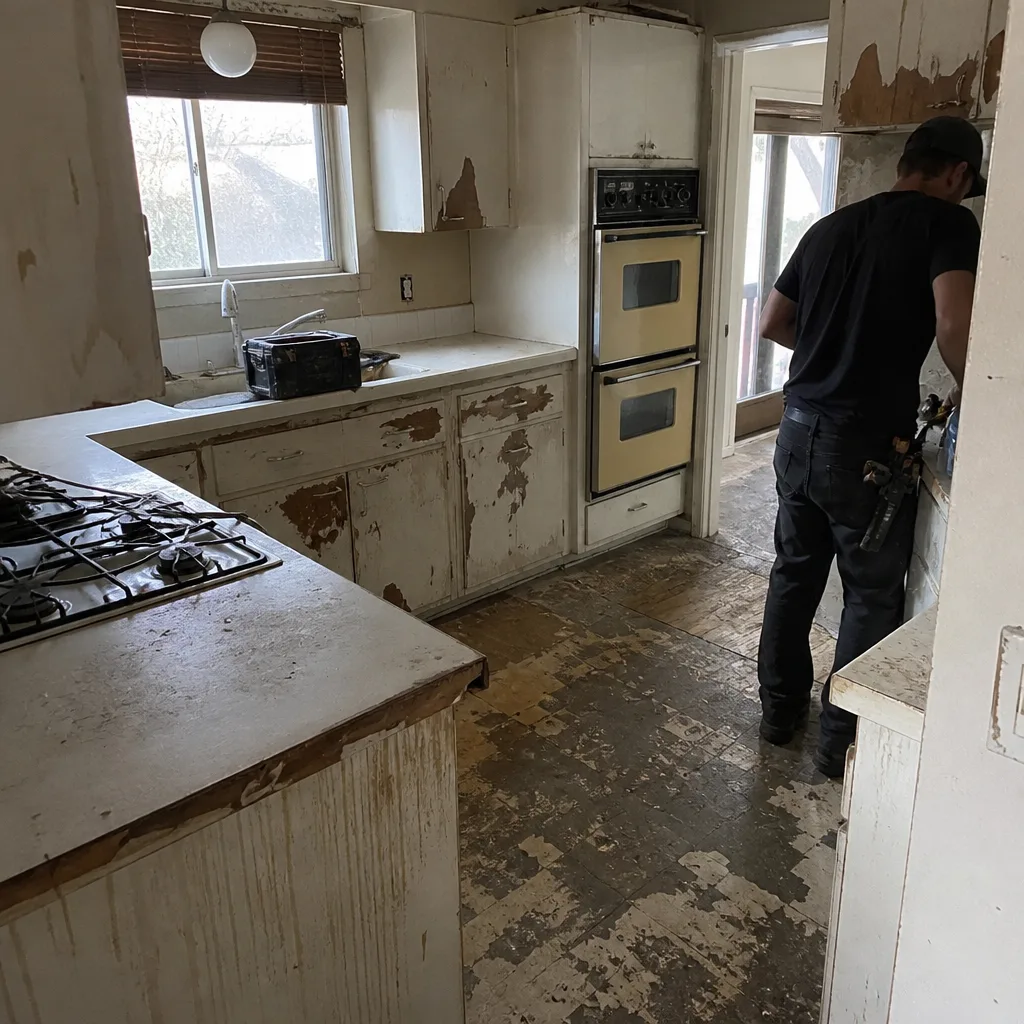 Before
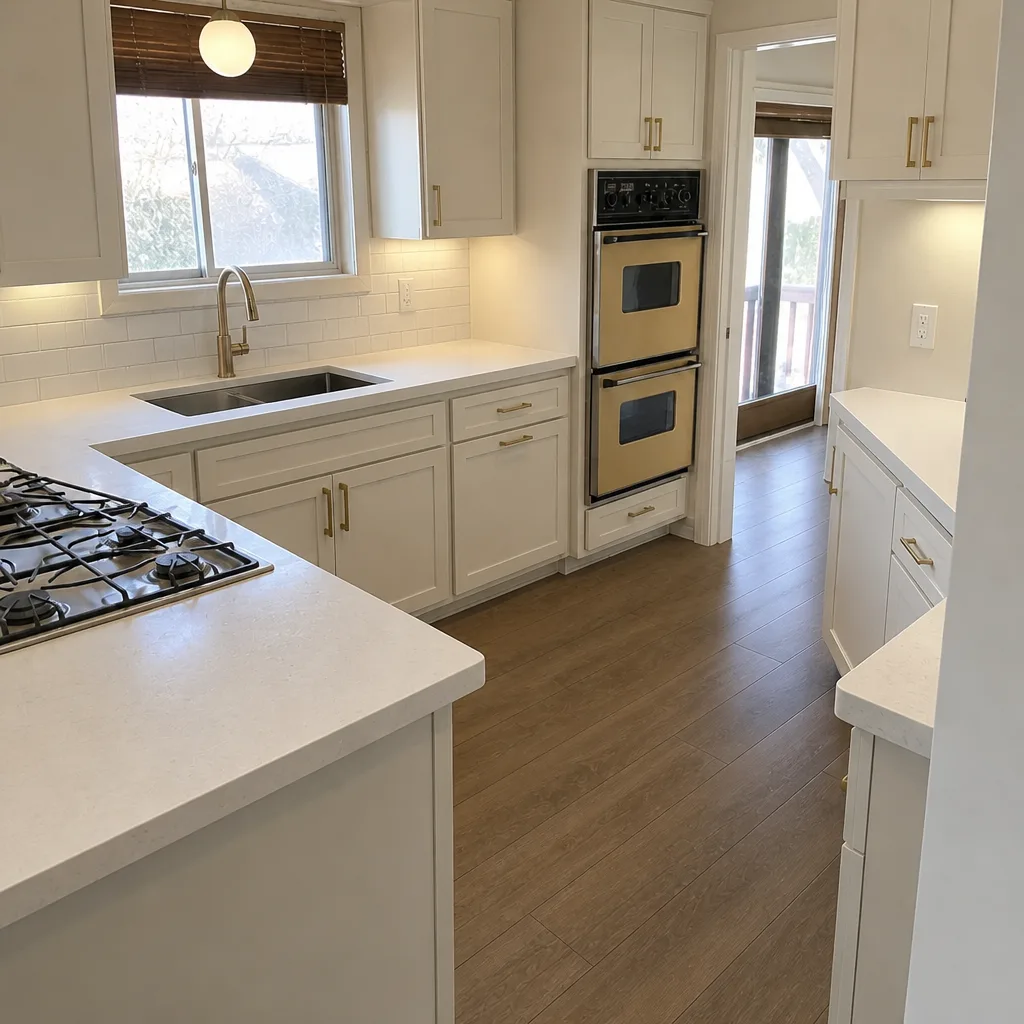 After
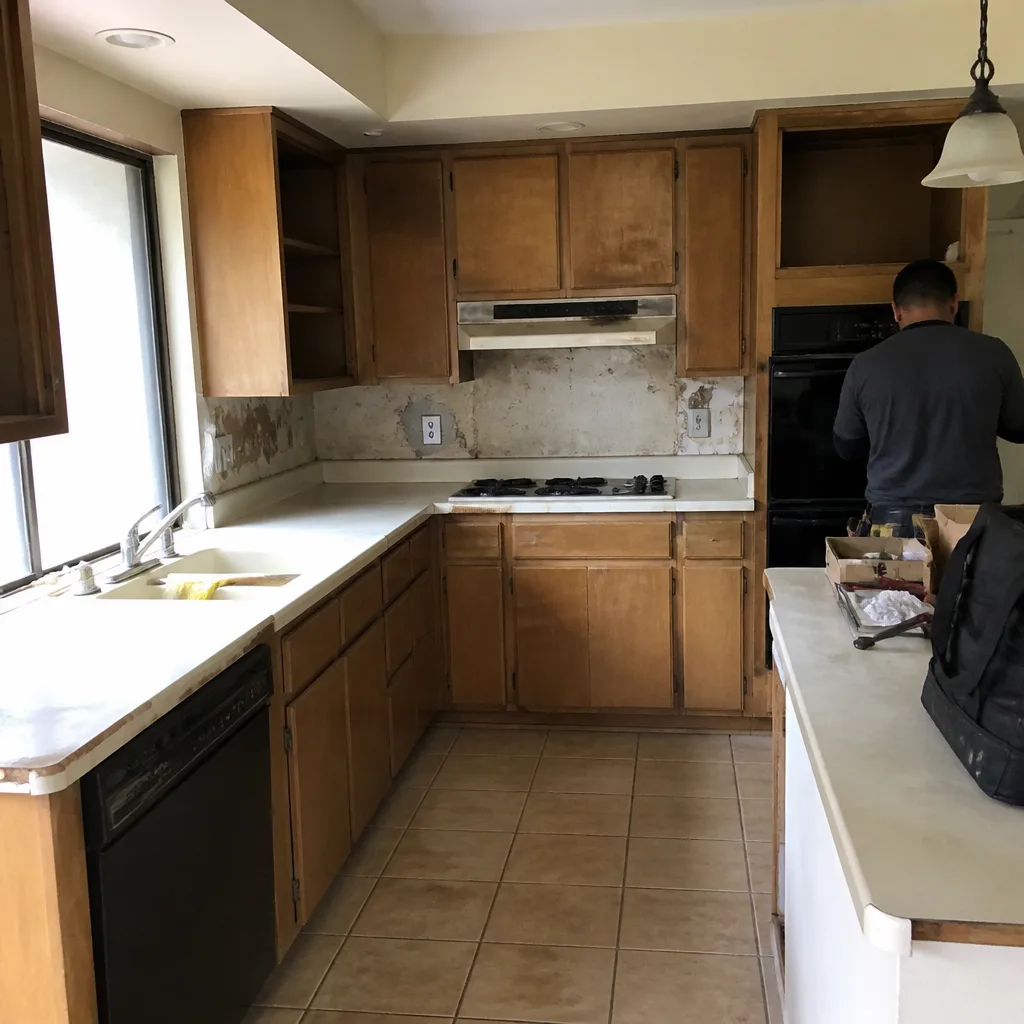 Before
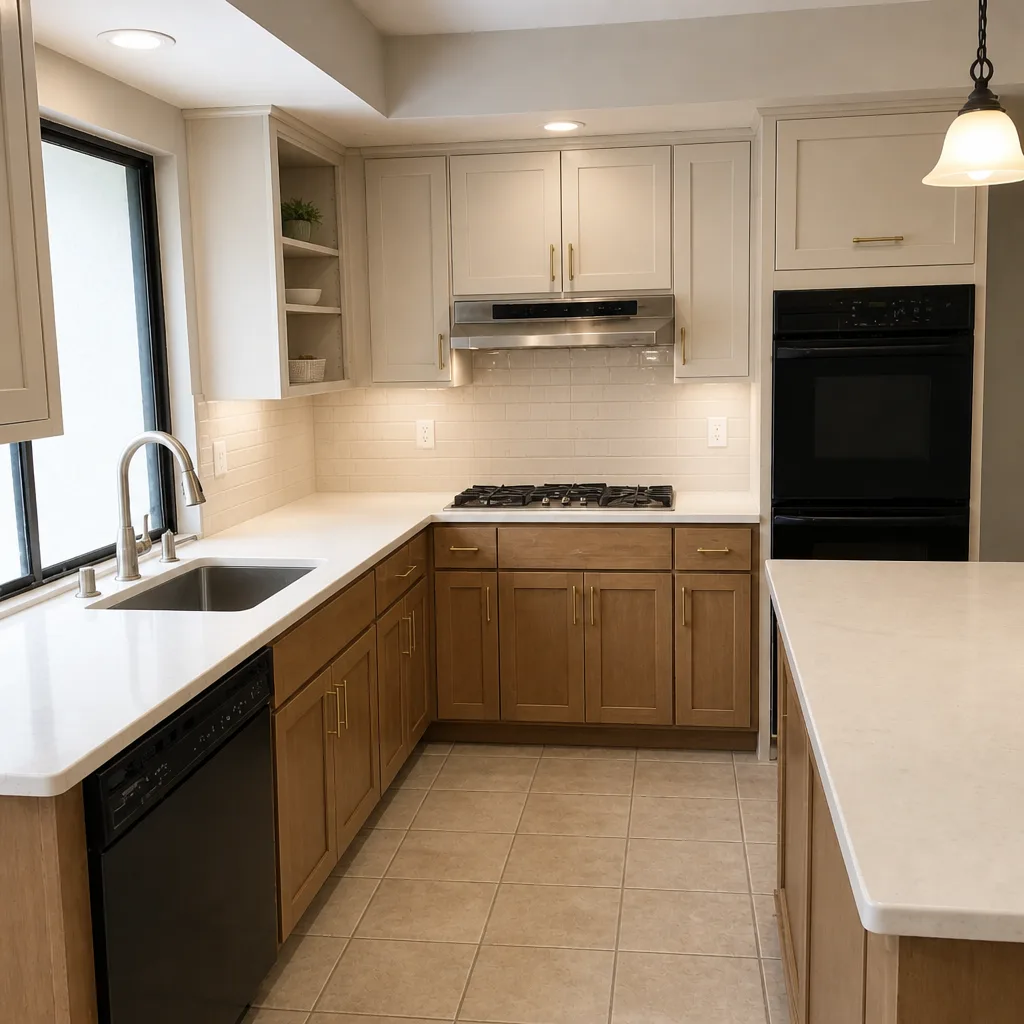 After
How to Clean Gutters in Yorba Linda, CA: A Drainage Audit, Not a Leaf Sweep
Cleaning gutters correctly means verifying where the water goes before you clear debris, not after. Start at the downspout discharge point and work upward: on a hillside lot, a blocked underground drain at the base pushes overflow straight onto the slope, which is far more damaging than a clogged gutter at the top. Gutters here need a flush test, not a visual one, because chaparral debris forms a water-absorbing mat that looks clear and isn’t. If your discharge runs near a retaining wall or an engineered slope, call Groundwork Construction Co. of Yorba Linda at (888) 255-9354 and we’ll assess it before the first storm, not after.
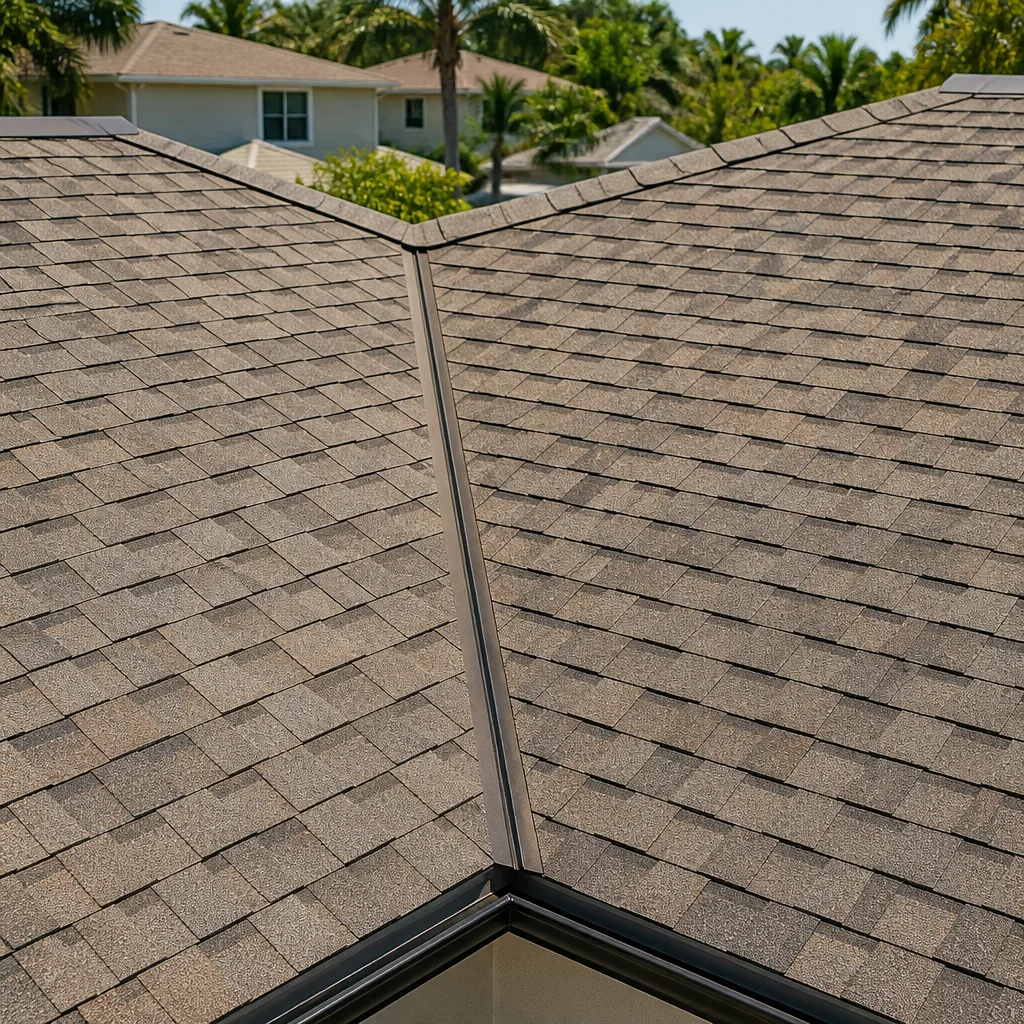
Why a Yorba Linda Gutter Job Isn’t a Flatland Gutter Job
Yorba Linda is a hillside city where nearly every lot has some slope, and that changes the work. On the streets off Imperial Highway and Yorba Linda Boulevard, we routinely find 1970s timber-and-wood retaining walls at the bottom of a drainage path that was never re-engineered after the wall went in. When that wall is your discharge point, a half-clogged gutter isn’t a nuisance. It’s a saturation problem aimed at a fifty-year-old structure.
Most of the housing stock here dates to the 1960s-1980s tract boom, which means original drainage systems and clay sewer lines in plenty of yards. Add a semi-arid climate with hot, dry summers and winter rain packed into a few intense storms, and you get a specific failure pattern: five months of accumulation, then one hard rain that tests everything at once.
Then there’s the vegetation. Hillside chaparral next to a home drops eucalyptus bark strips, dried seedpods, and fine particulate that packs into gutters as a dense, water-logged mat. It’s heavier than typical suburban leaf debris and it seals the channel rather than filling it loosely. Water runs over the top instead of through the downspout.
The Order of Operations: What to Check and When
The sequence matters more than the tools. Here’s the order we use on sloped properties, and the reason for each step.
- Discharge point first. Walk the downspout run to daylight or the underground drain and confirm water can actually exit. If the outlet is buried, silted, or routed into a slope, clearing the gutter above accomplishes nothing.
- Retaining wall and slope proximity. Note how close the discharge sits to a wall, revetment, or grade break. Overflow onto a slope is the scenario that turns a $250 maintenance visit into a five-figure wall repair.
- Debris removal, working uphill. Clear runs from the outlet back toward the high side, so loosened material has somewhere to go.
- Flush test, full length. Run water through every run and watch the outlet, not the gutter. This is the step most DIY jobs skip, and it’s the one that catches a matted chaparral clog sitting under a clean-looking surface.
- Fastener and hanger check. Debris weight pulls hangers loose. Look for sagging runs and separations at seams before they become fascia rot.
What to Look For on a Sloped Lot
When you’re evaluating a gutter situation yourself, or deciding whether to hire it out, these are the conditions that separate routine maintenance from a job that needs a professional eye:
- Downspout discharge into or near a slope – needs a professional routing assessment, not a bucket.
- Gutter pitch that pulls away from the outlet – common on older tract homes where the fascia has settled.
- Debris that won’t flush loose – a sign of matted chaparral particulate, not leaves.
- Staining or efflorescence on a retaining wall below a discharge – water has been getting where it shouldn’t.
- Water sheeting across a driveway or walkway after rain – the discharge is misdirected.
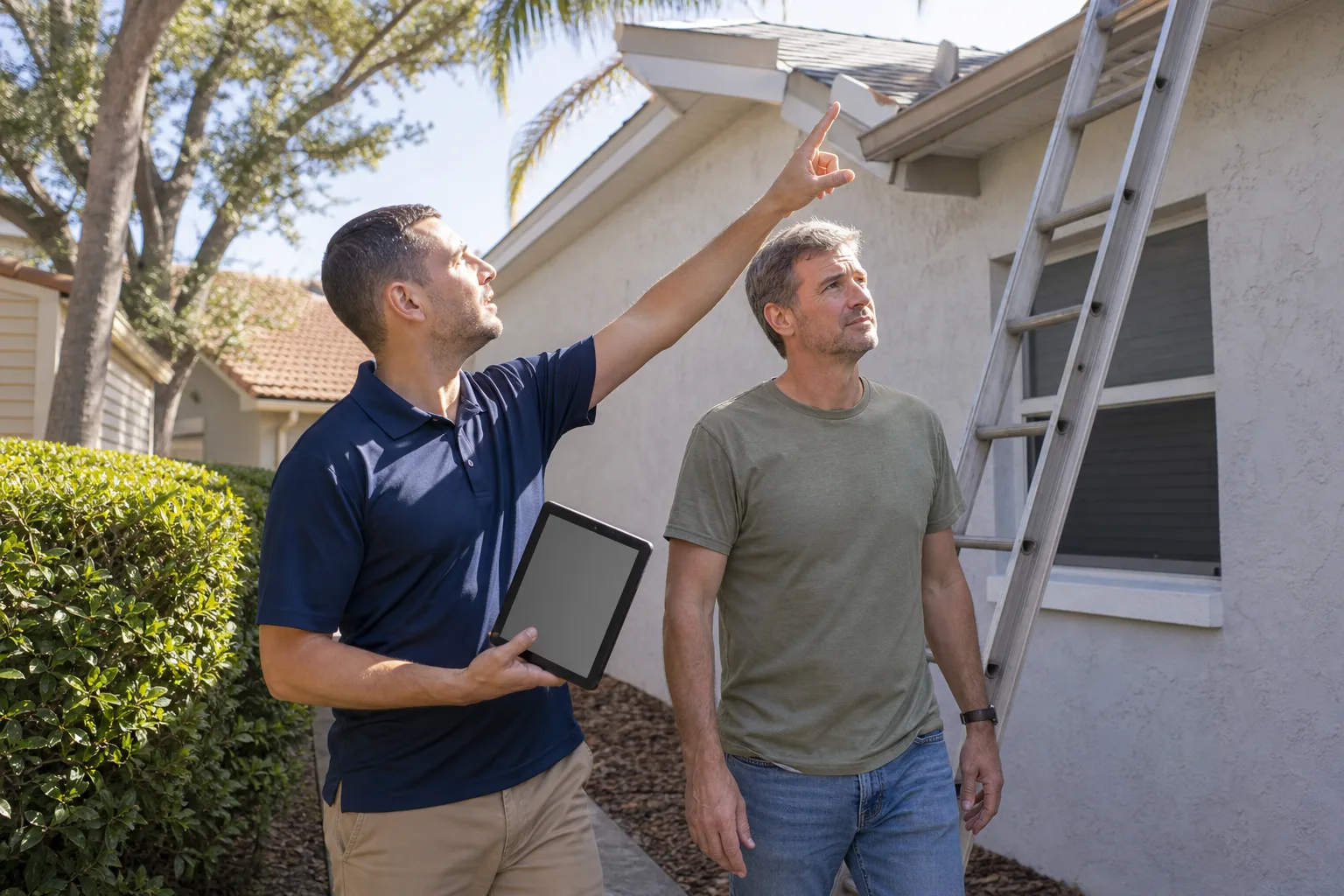
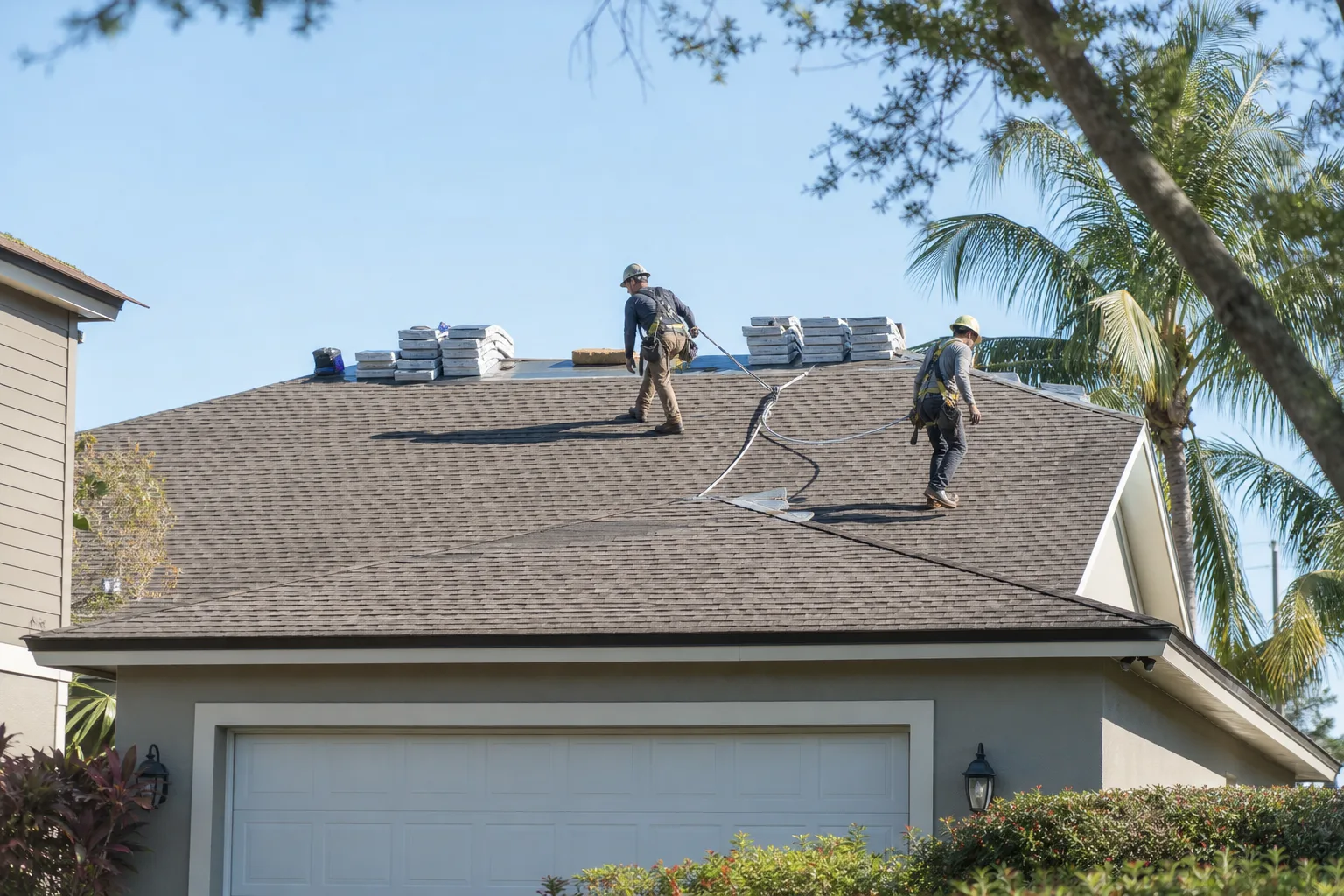
Ladder placement belongs on that list too, and it’s the part we won’t soft-pedal. On hillside homes, ground level and eave level are rarely parallel. A standard A-frame ladder set on a slope is unstable at the base even when the top looks fine, and that mismatch is behind a large share of DIY gutter injuries. Standoff stabilizers aren’t an accessory on these properties. If you’re not comfortable on a ladder against a sloped lot, that’s a reasonable place to stop and let someone with the right equipment handle it. The same caution applies to the roof surface itself: walking a pitch to reach a gutter run is a fall-risk job, and our crews treat it that way.
The October Timing Rule
Yorba Linda’s dry-summer, intense-storm pattern creates one clear maintenance window. Gutters that sat through June through September full of dried debris meet their maximum flow stress on the first real storm of the season. That’s when clogs become overflows, and overflows near a slope become erosion.
A pre-rainy-season cleaning in October is the highest-return maintenance act for a slope-adjacent home. One visit before the weather turns, a flush test included, costs a fraction of what a washed-out retaining wall or a saturated foundation perimeter costs to fix. On hillside properties, we recommend scheduling it annually rather than reactively.
What Gutter Cleaning Costs in Yorba Linda
Pricing depends on run length, stories, slope access, and how much flush testing the job needs. These are the ranges we see in the Yorba Linda market:
| Service | Typical Range |
|---|---|
| Standard gutter cleaning (single story) | $150 – $300 |
| Gutter cleaning with slope or second-story access | $250 – $500 |
| Downspout and underground drain flush | $100 – $250 |
| Gutter re-pitching or hanger repair | $200 – $600 |
| Roof repair from overflow damage (Yorba Linda range) | $400 – $1,800 |
| Roof replacement, if fascia and decking are compromised | $8,000 – $20,000 |
That last row isn’t there to scare you. It’s there because overflow damage compounds quietly, and we’ve seen a $300 cleaning turn into roof work after two or three wet seasons of neglect. Our Roofing team handles the assessment when gutters and roof condition are tangled together, and we price it upfront so you know the number before anyone climbs a ladder. Every project we take on is covered by our 730-Day Done Right Promise: if it’s not done right, we make it right.
When to Call Instead of Climb
Some situations call for a phone call rather than a Saturday project:
- Your discharge point is near a retaining wall, revetment, or engineered slope
- You’ve found staining, cracking, or movement on a wall below a downspout
- Water has already backed up during a storm
- The lot has significant grade change between the ground and the eave line
- Gutters are pulling away from the fascia
Our calls are answered by a live person 24 hours a day, seven days a week. That matters specifically here: if you discover a blockage during an active storm and your discharge runs near a slope, you get guidance immediately instead of a Monday callback after the wall has started washing. Our technicians have up to 12 years of experience, they’re background-checked, and they arrive in uniform.
FAQs
Once a year, in October, is the right cadence for most Yorba Linda homes, with a second visit after the heaviest storms if you’re on a slope-adjacent lot. The October timing matters because dry summers load gutters with chaparral debris that meets its first real flow test in the first winter storm. On hillside properties with eucalyptus or dense brush nearby, annual is a minimum, not a target.
You can handle a single-story run on a level pad, but sloped lots are where DIY gutter work gets dangerous. Ground level and eave level are rarely parallel on these properties, so an A-frame ladder sits unstable at the base, and that mismatch causes a large share of gutter injuries. If your access requires reaching across a pitch or setting a ladder on grade, have it done professionally. Call (888) 255-9354 and we’ll take a look – estimates are free.
Cleaning typically runs $150-$300 for a single-story home and $250-$500 where slope access or a second story is involved, with downspout and underground drain flushing adding $100-$250. The spread comes down to run length, stories, and how much flush testing the discharge points require. Call (888) 255-9354 for an exact quote – estimates are free.
Yes, and it’s not a sales pitch – it’s the one gutter scenario where getting it wrong has structural consequences. A blocked discharge near a retaining wall or slope pushes overflow directly into the soil behind the wall, which is how wall failures start. We can assess the routing and tell you plainly whether it needs correction. Call (888) 255-9354 and we’ll schedule a no-pressure look.
If you’d rather have it looked at than climbed, Groundwork Construction Co. of Yorba Linda offers a no-pressure assessment anywhere in our Yorba Linda service area – call (888) 255-9354. We’ll verify your discharge points, flush-test the runs, and tell you what actually needs attention before the rainy season arrives.
Written by the team at Groundwork Construction Co. of Yorba Linda, serving Yorba Linda, CA.