Free written scope consultation - allowances, timeline, and change-order rules on paper before a single trade is scheduled
Styles & brands we work with
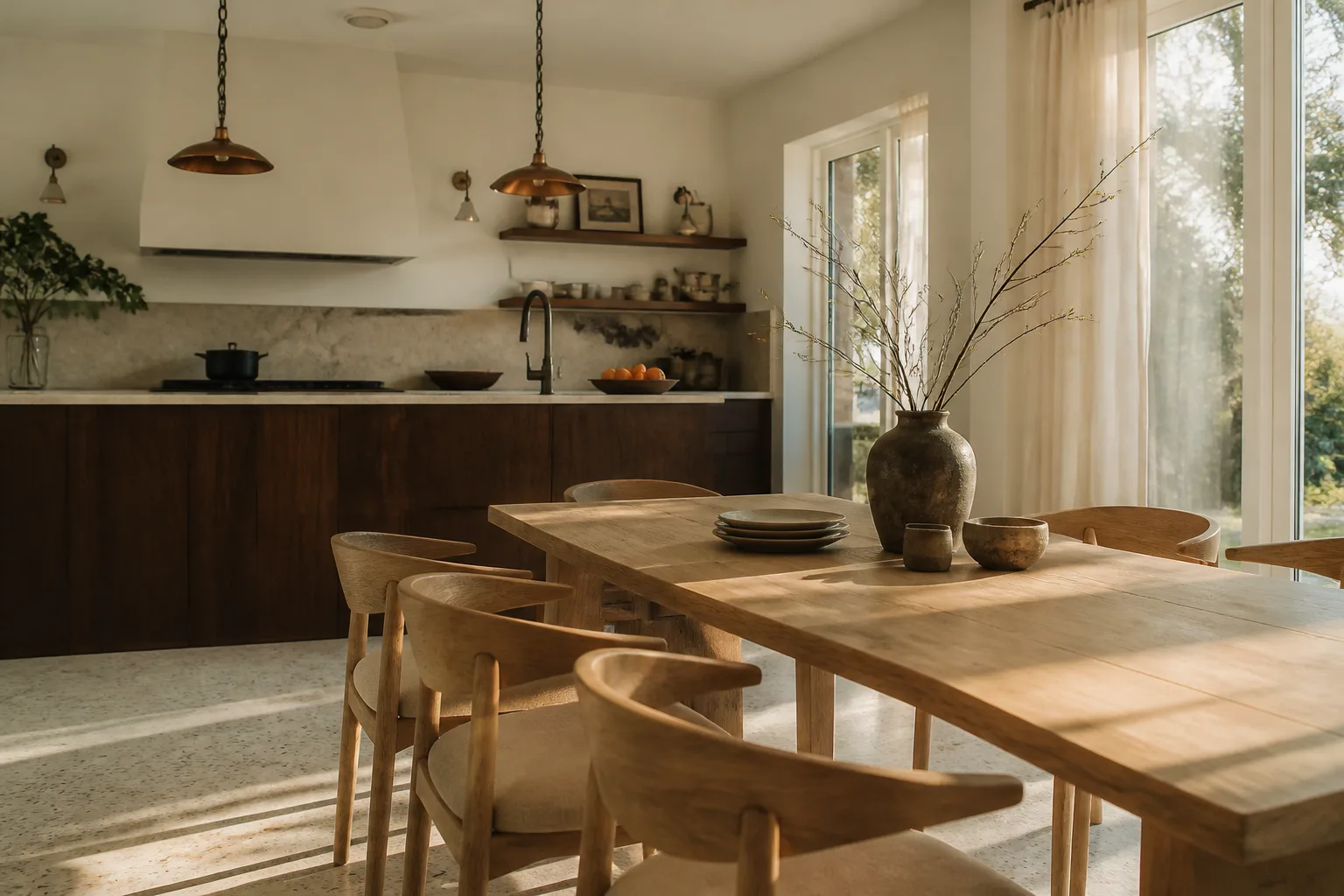
- Kitchen remodeling
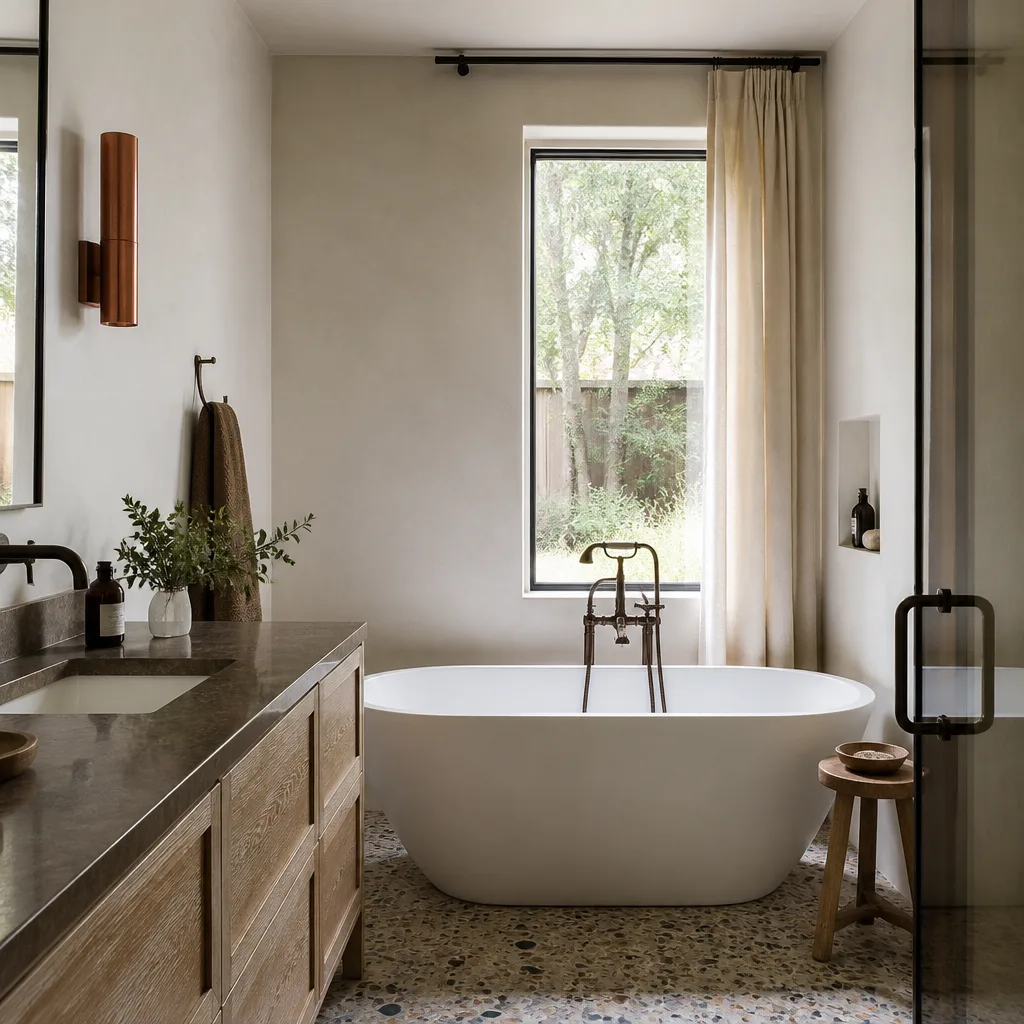
- Bathroom remodeling
- Home additions & ADU
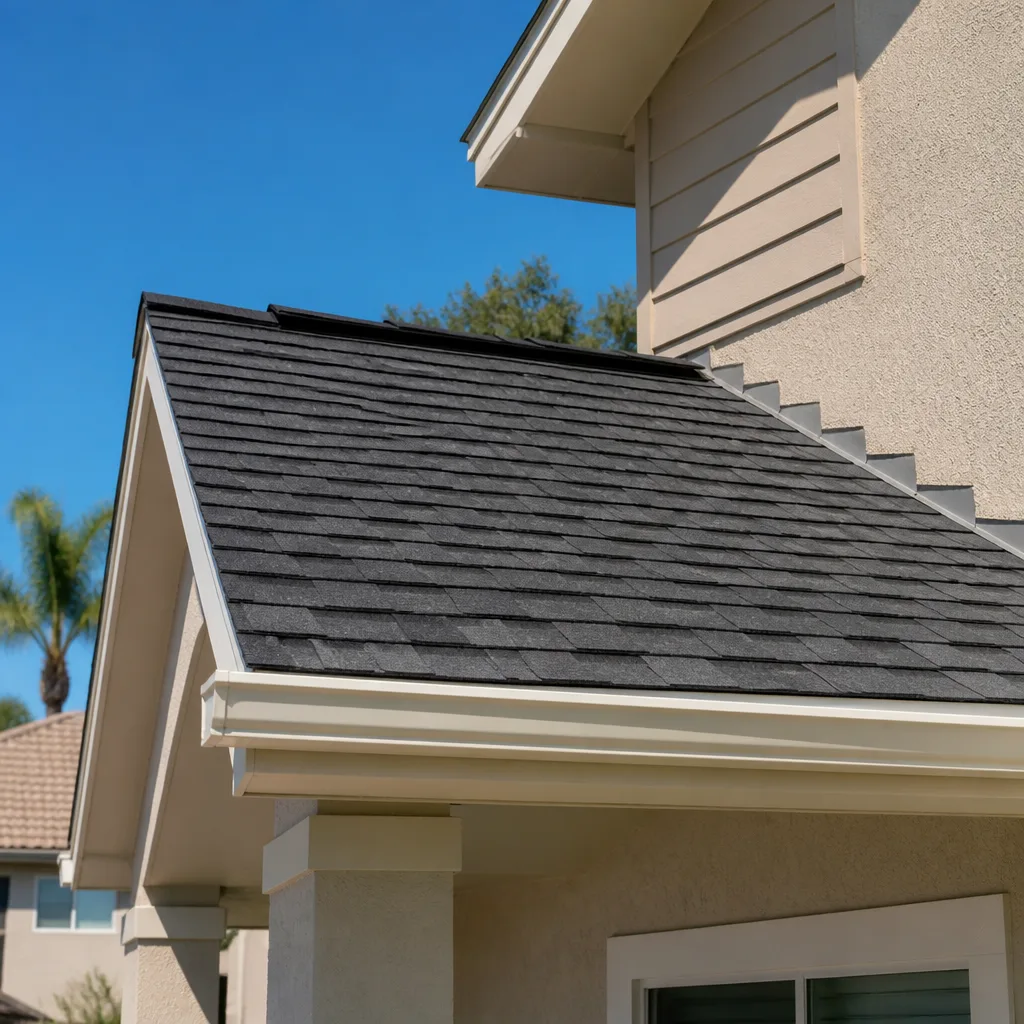
- Roofing
- Windows & doors
- Driveway & pavers
- Fence
See the difference
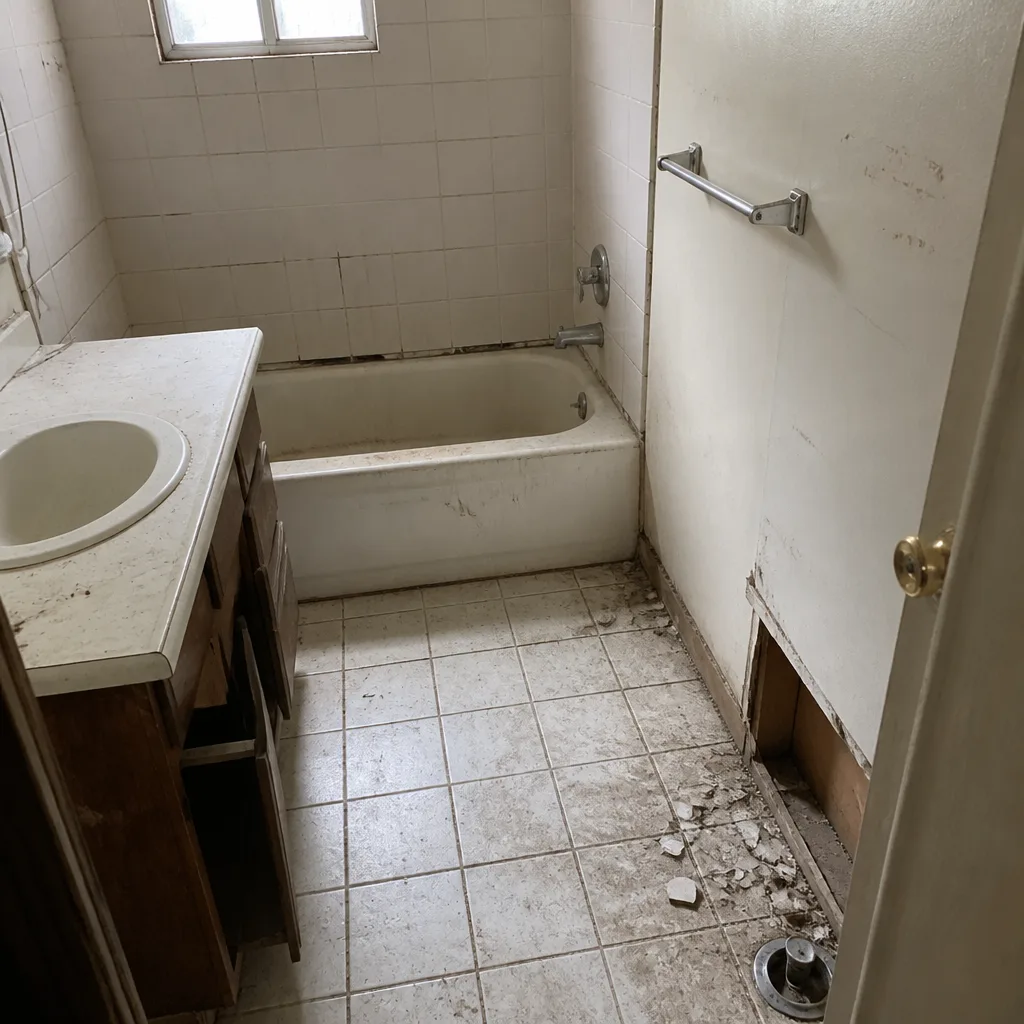 Before
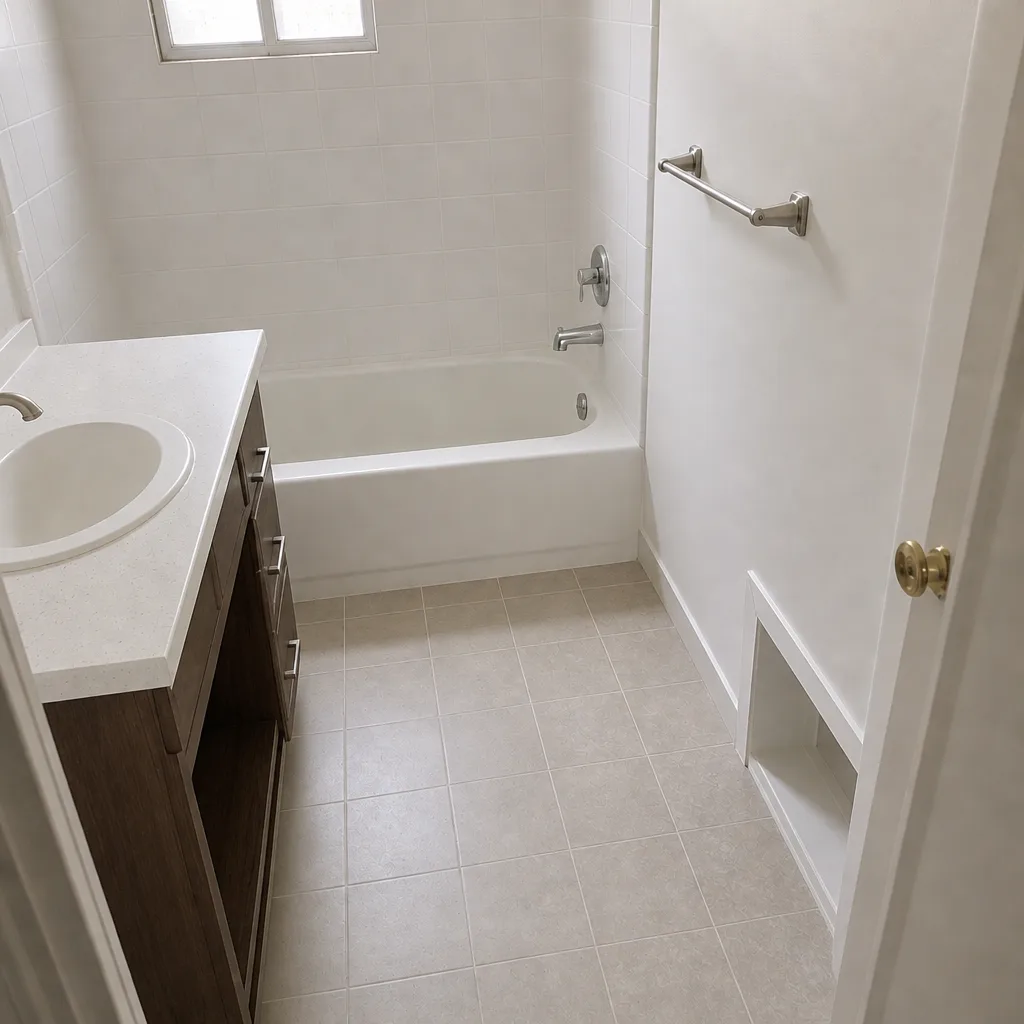 After
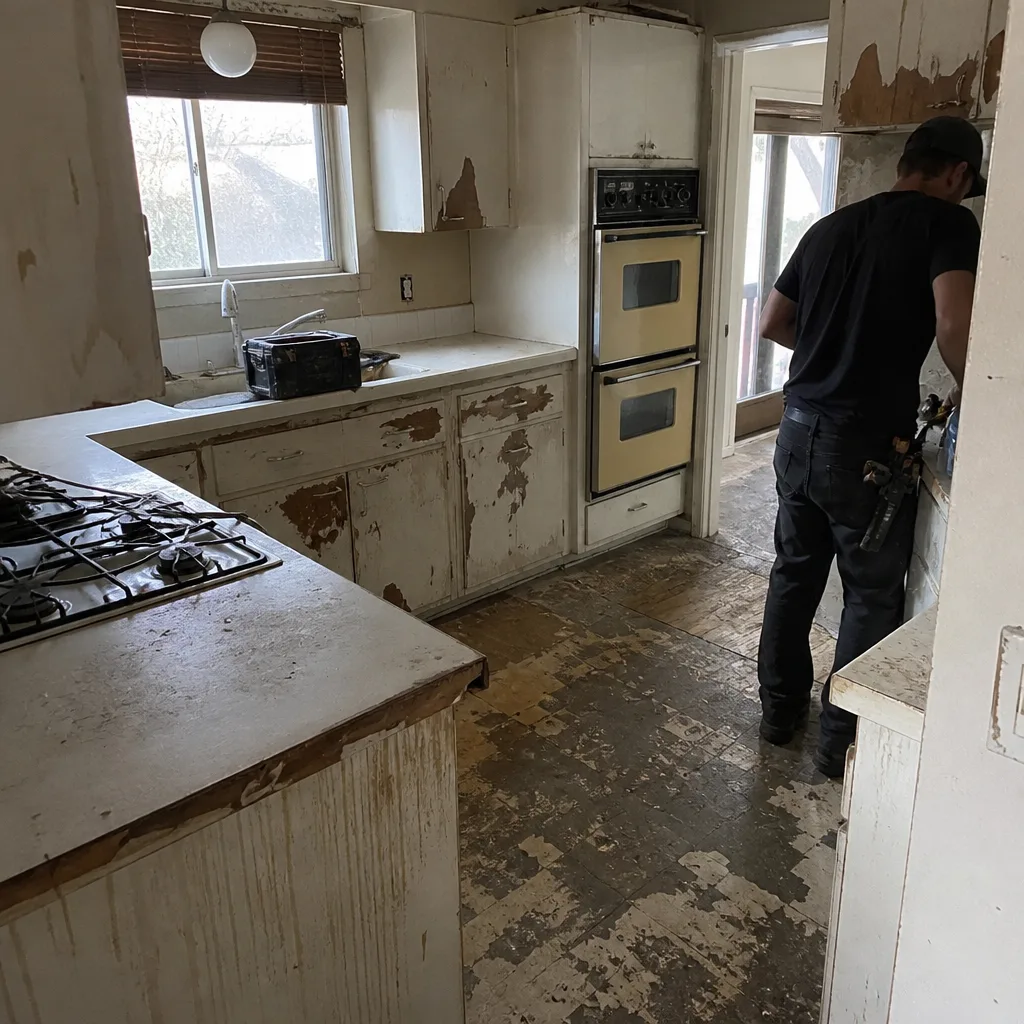 Before
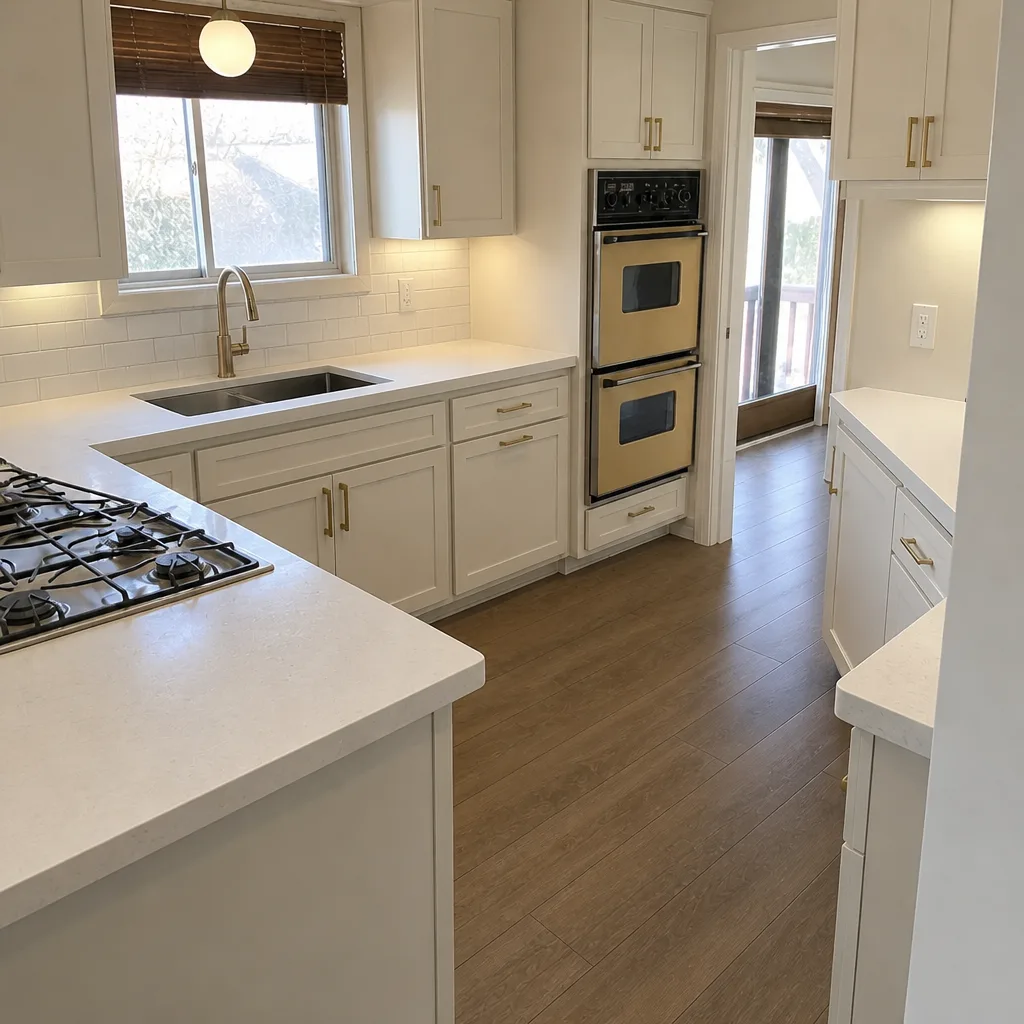 After
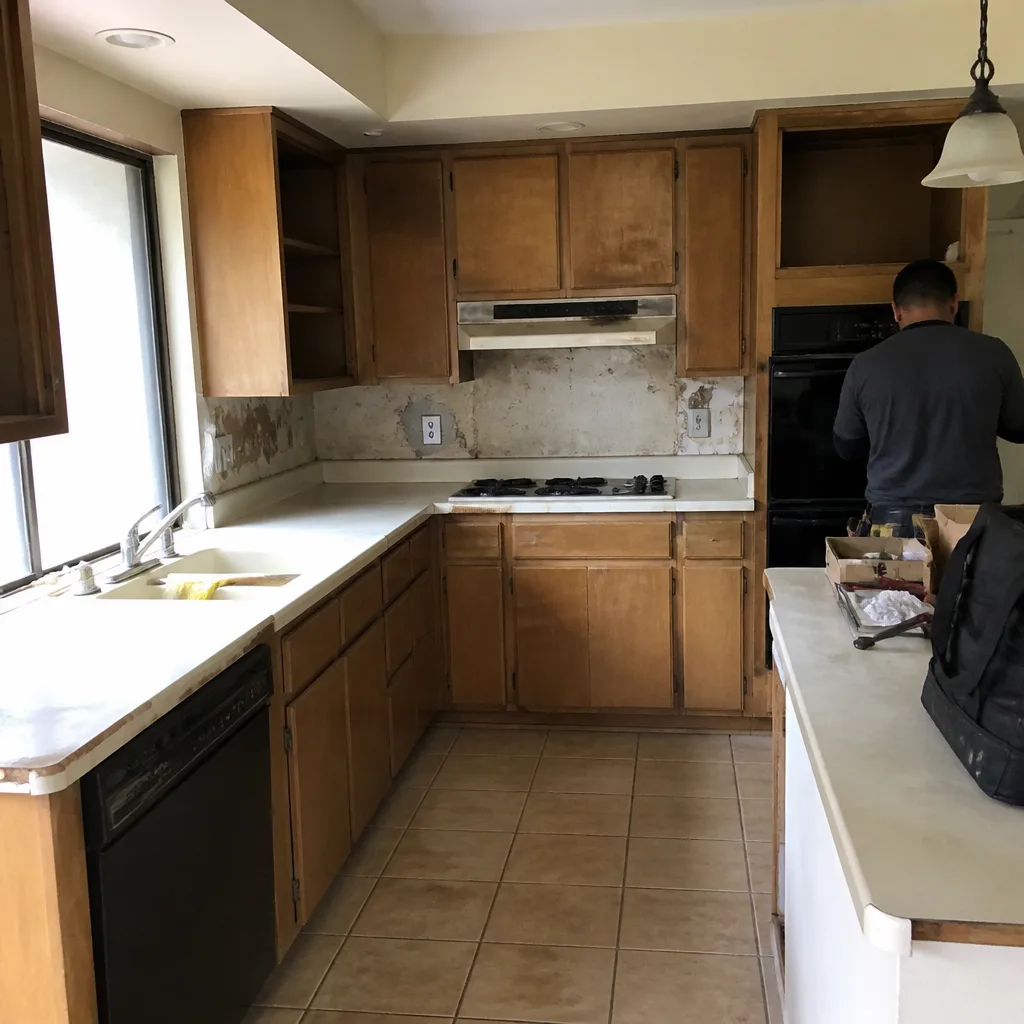 Before
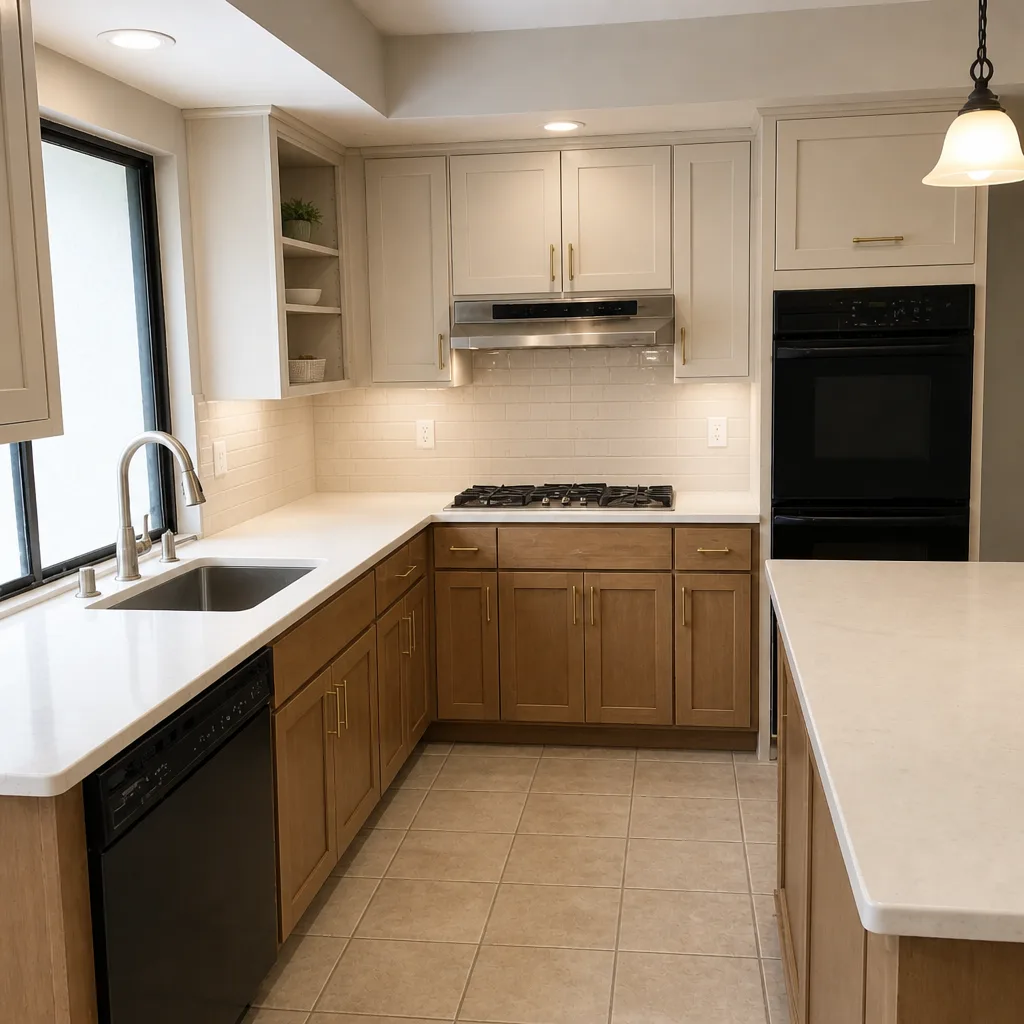 After
How Long Before You Can Drive on New Concrete in Yorba Linda, CA?
The textbook answer is seven days, and for a car parked on a well-cured slab in mild weather that’s usually right. But here in Yorba Linda, seven days can be too early or unnecesarily cautious depending on the season, the mix, and what’s sitting under the slab. On a July pour when afternoon temps hit 95°F, your driveway will look ready at day 5 and may still be weaker than it looks at day 7 – because heat cures the top of the slab faster than the bottom, and driving on the wrong day leaves damage that won’t show up for weeks. Call (888) 255-9354 and we’ll tell you where your pour stands.
Yorba Linda’s hillside lots make this more than an academic question. Nearly every property here sits on some slope, and the expansive clay beneath many driveways behaves differently during cure than the sandy flats in neighboring Orange County cities. That’s why we document every pour – date, mix design, ambient conditions – so this exact question has a real answer instead of a guess.
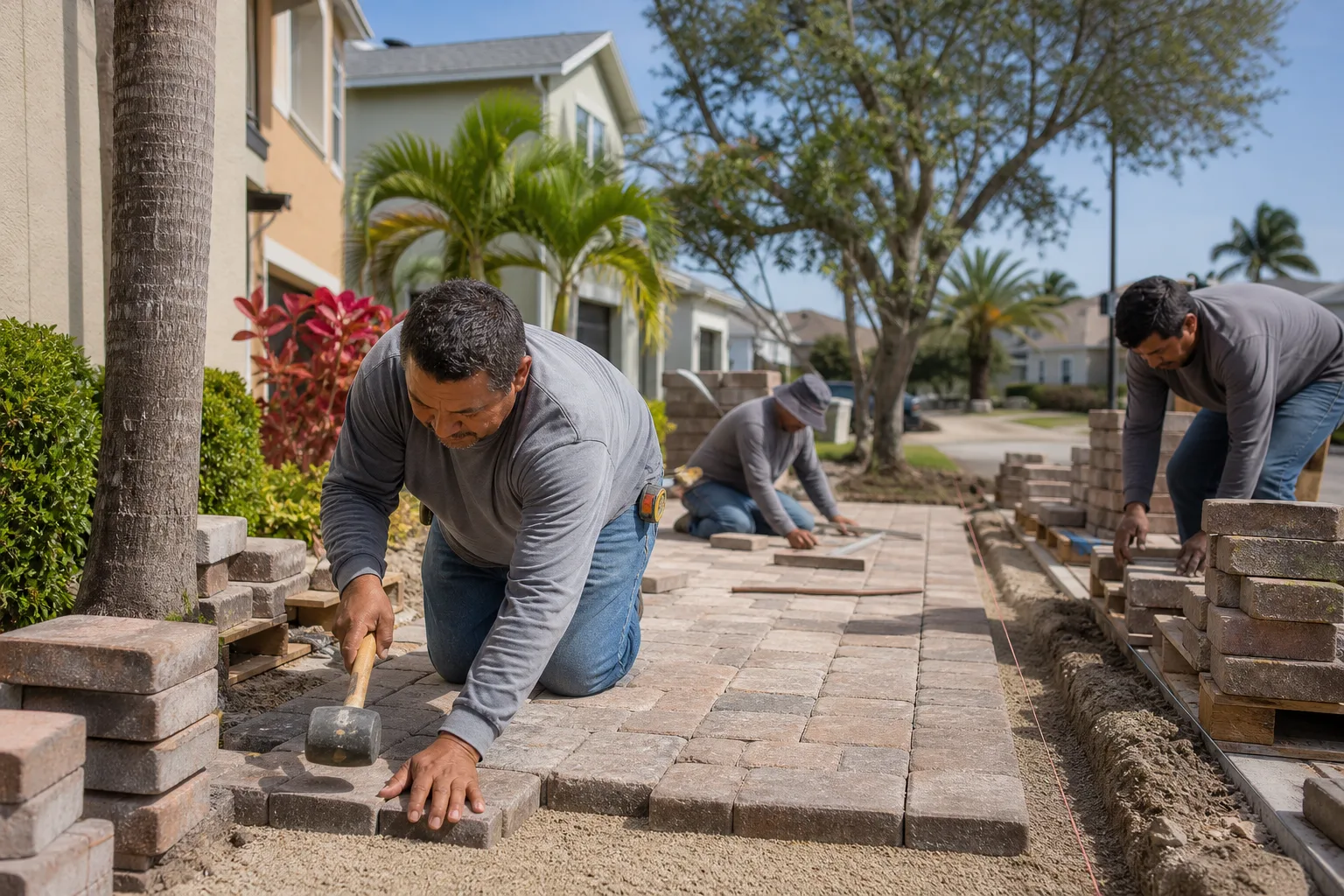
Why Yorba Linda Concrete Cures Unevenly (And Why Seven Days Isn’t Always Seven Days)
Concrete doesn’t cure as a single uniform block. It gains strength from the outside in, and from the top down. In summer heat, the exposed surface can hit 70% of its design strength in about five days at 95°F. Meanwhile, the bottom of the slab is sitting against a cool, moist clay subgrade that pulls heat out of the mix and cures more slowly. Drive on the slab before that lower section catches up and you can create delamination cracks – horizontal separations between the top and bottom of the slab that stay hidden until a hot day or a heavy truck reveals them.
The clay layer adds a second wrinkle. Expansive clay under a fresh pour is absorbing bleed water from the concrete while the concrete itself is shrinking slightly as it loses moisture. That base pressure is moving in two directions at once. It’s the reason our crews on Yorba Linda hillside pours recommend 10 to 14 days before any heavy vehicle load – a defensible cushion on ground that isn’t flat and stable like a typical suburban driveway.
What actually drives the timeline
- Mix design. Higher cement content and lower water-to-cement ratios gain strength faster. Your batch ticket says which.
- Ambient temperature. 95°F accelerates surface cure; 55°F slows the whole slab down by days.
- Subgrade moisture. A dry, cracked clay base wicks moisture out of the pour and stresses the slab from below.
- Curing method. A slab with proper curing compound or a wet burlap and plastic cover reaches strength on schedule. A bare slab left in the sun does not.
- Load type. A 3,000-lb sedan is not a 6,000-lb pickup. Nobody should be driving on the slab at all until the numbers line up.
What Proper Curing Looks Like in Yorba Linda’s Dry Summer Air
Here’s the part budget crews skip and it costs homeowners real strength. When relative humidity drops below 40% – which is routine in Yorba Linda from June through October – concrete loses surface moisture too fast. You get plastic shrinkage cracks before the slab even finishes curing, and the top layer won’t reach full design strength. The fix is simple: a curing compound applied within hours of finishing, or wet burlap and plastic sheeting kept damp for seven days. It’s not glamorous work. It’s the difference between a driveway that lasts thirty years and one that starts spidering in two.
Fire history plays into this too. After the 2008 Freeway Complex fire left burn scars across the hills above Yorba Linda, wind-driven debris and seasonal erosion on bare slopes has changed how we’re grading and prepping subgrades on some properties. A subgrade that holds moisture unevenly will cure the slab above it unevenly. We walk every site before a pour and adjust the curing plan to what the ground is telling us.
How to Check Your Own Driveway Before You Risk Driving on It
You can read a few signals yourself without any tools beyond a nail.
- The nail scratch test. Drag a 16-penny nail across an inconspicuous corner. If it digs in and leaves a deep groove, the surface is still green. A light scratch that barely marks means it’s reasonably hard.
- Bleed water check. Any remaining sheen or damp spots on the surface mean moisture is still working out. Wait.
- Color uniformity. A well-cured slab reads as one consistent grey. Blotchy patches or dark spots indicate uneven moisture loss.
- The edge test. Tap the edge of the slab with a hammer handle. A dull thud means the concrete is still dense with moisture. A sharper ring means it’s drying.
None of these tests replaces the record of the pour itself. Groundwork crews log the pour date, mix design, ambient temperature, and humidity for every slab we place – so when a Yorba Linda homeowner calls us three years later asking whether their driveway was poured right, we have the file. That’s the kind of documentation you’ll never get from a contractor who shows up, pours, and disappears.
What About Loading, Sealing, and the 730-Day Done Right Promise?
Once you’re past the load window, give the slab a full 28 days of cure before sealing – sealer traps moisture and can cloud if the slab is still releasing water vapor. Then seal every two to three years. If you’re comparing options for a driveway replacement in Yorba Linda, our Driveway & Pavers page walks through concrete vs. pavers vs. asphalt with local pricing. And if your concern is a slab that already cracked, we handle Driveway & Pavers in Yorba Linda including tear-out and re-pour.
Every pour we place is covered by our 730-Day Done Right Promise – one of the longest workmanship guarantees in residential construction. If premature loading causes cracking that traces back to our curing protocol, we make it right. No fine print. That accountability changes how our crews approach curing from the first finish pass to the day we pull the forms.
Yorba Linda driveway installation ranges
| Work | Typical Yorba Linda range |
|---|---|
| Concrete driveway installation | $4,500 – $12,000 |
| Paver driveway installation | $7,000 – $18,000 |
| Driveway replacement | $5,000 – $14,000 |
| Driveway sealing | $250 – $700 |
Financing is available at 0% for 18 months on qualifying projects, and there’s $1,000 off any project over $10,000. Our technicians have up to 12 years of experience, and every one of them is background-checked and arrives in uniform. Home has the full picture of what we do across all seven service lines.
FAQs
Usually yes for a passenger car in mild weather, but in Yorba Linda’s summer heat, seven days may not be enough if the slab is on clay and the bottom hasn’t cured evenly with the top. Wait 10 days if your pour was in July or August, or if the slab is on a sloped hillside lot. If you’re unsure, call (888) 255-9354 and we’ll walk you through the pour record – the estimate is free.
Plan on a minimum of 14 days, and 28 days is the safer number for anything over 6,000 lb. Concrete reaches roughly 70% design strength at seven days and closer to 90% at 28. Heavy point loads on a green slab – especially on a Yorba Linda hillside pour over expansive clay – are the most common cause of hidden cracks we see on callbacks. Call us before you park a heavy vehicle and we’ll give you a date based on your actual pour.
You get surface cracking, delamination between the top and bottom layers of the slab, and hairline fractures that don’t show up for weeks. The damage isn’t usually visible the day you drive on it – it shows up when the slab dries fully and stresses redistribute. If the cause traces to our workmanship or curing protocol, our 730-Day Done Right Promise means we make it right. If it traces to loading calls made after handoff, we’ll be straight with you about repair options and cost.
Yes, meaningfully. A slab cured under a curing compound or wet burlap for seven days will hit its load window reliably. A slab left bare in dry summer air won’t – plastic shrinkage cracks and a weaker top layer push the real safe load date out by days. When humidity drops below 40%, which happens all summer in Yorba Linda, curing protection isn’t optional. Call (888) 255-9354 if you’re scheduling a pour and want the curing plan in writing.
If you’d rather have it looked at than guessed at, Groundwork Construction Co. of Yorba Linda offers a no-pressure assessment in Yorba Linda – we’ll review your pour record, test the slab, and give you a real load date. Call (888) 255-9354 for a free estimate. Live person, 24/7. Upfront pricing, no surprises.
Written by the team at Groundwork Construction Co. of Yorba Linda, serving Yorba Linda, CA.