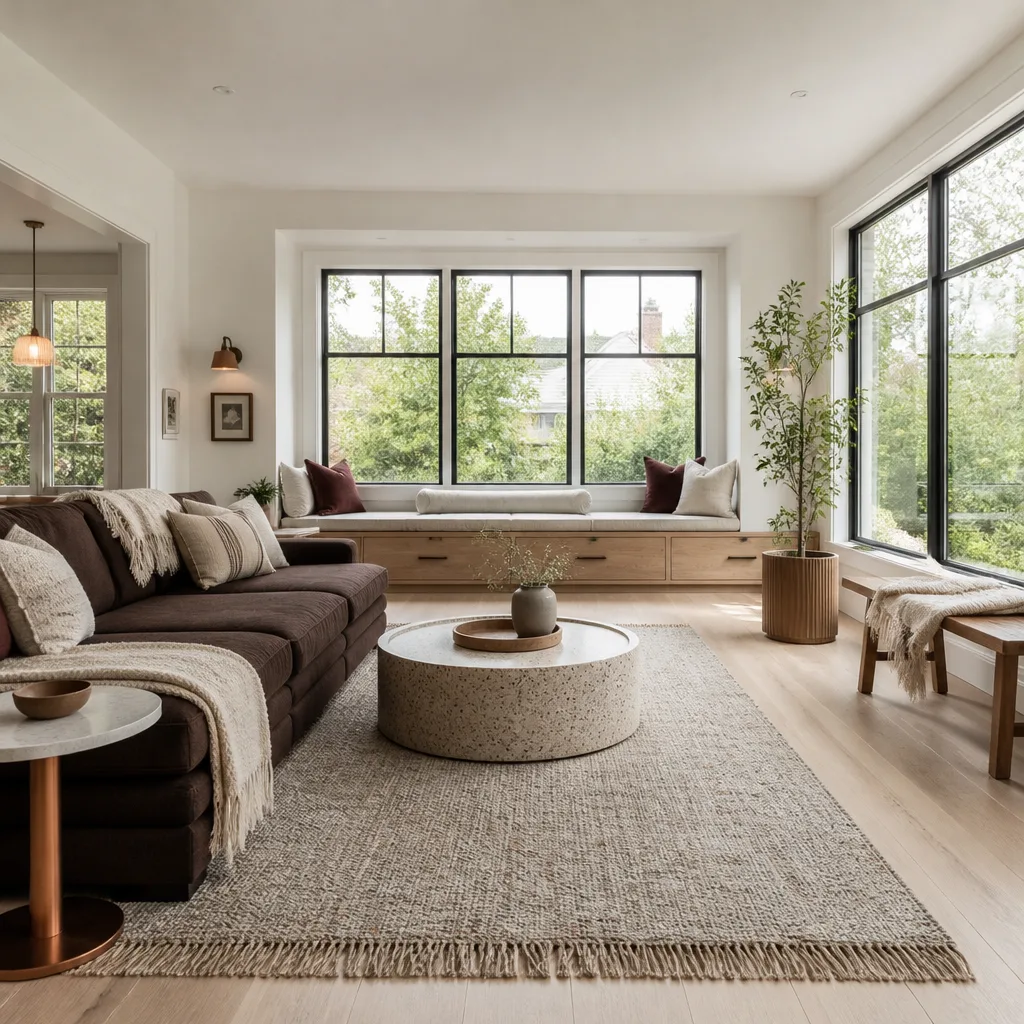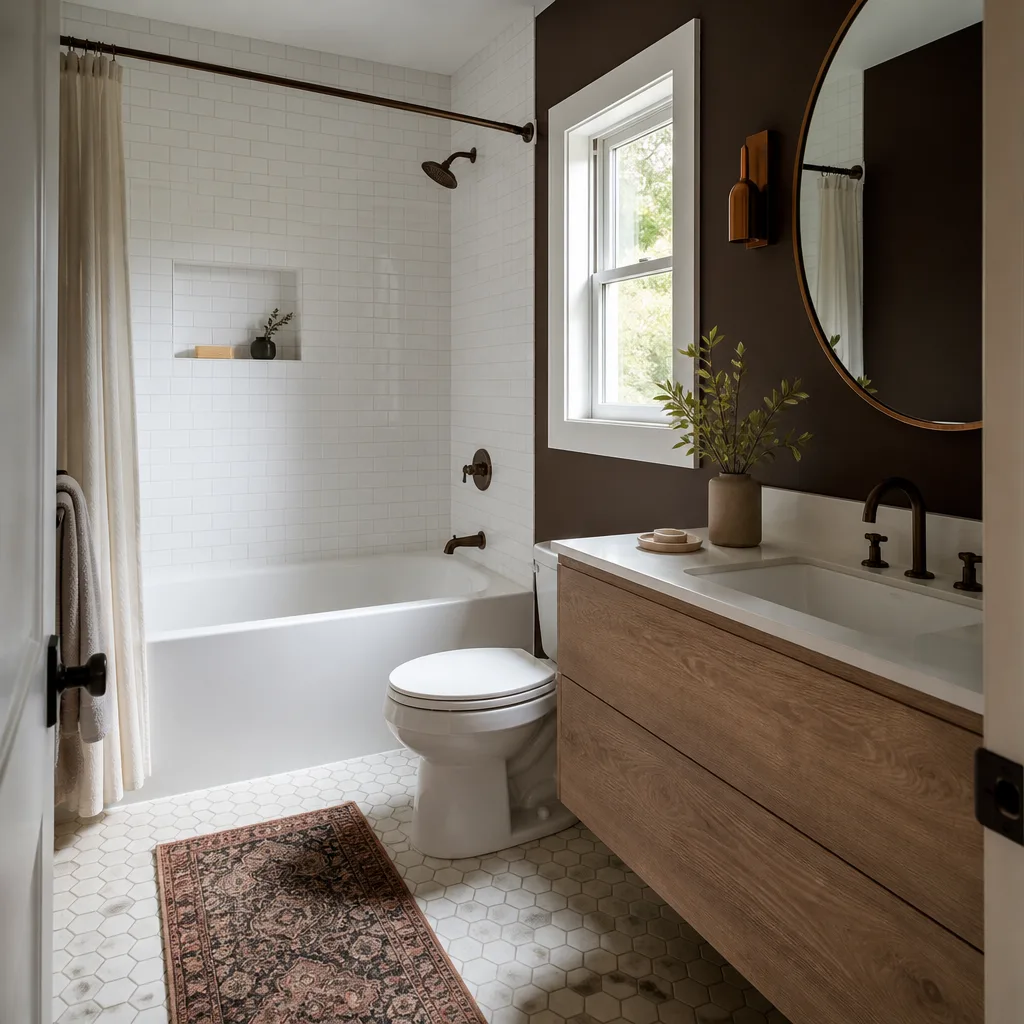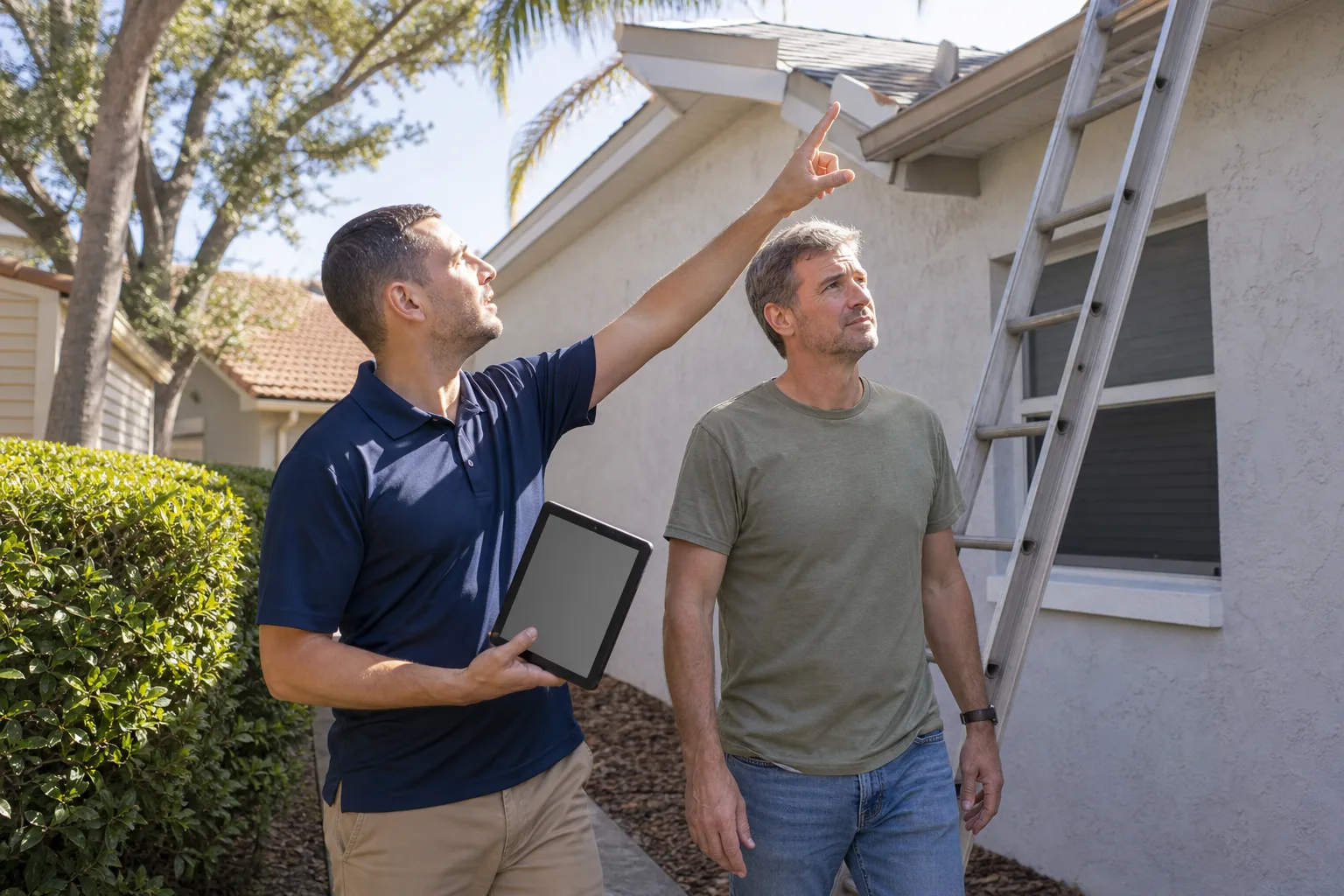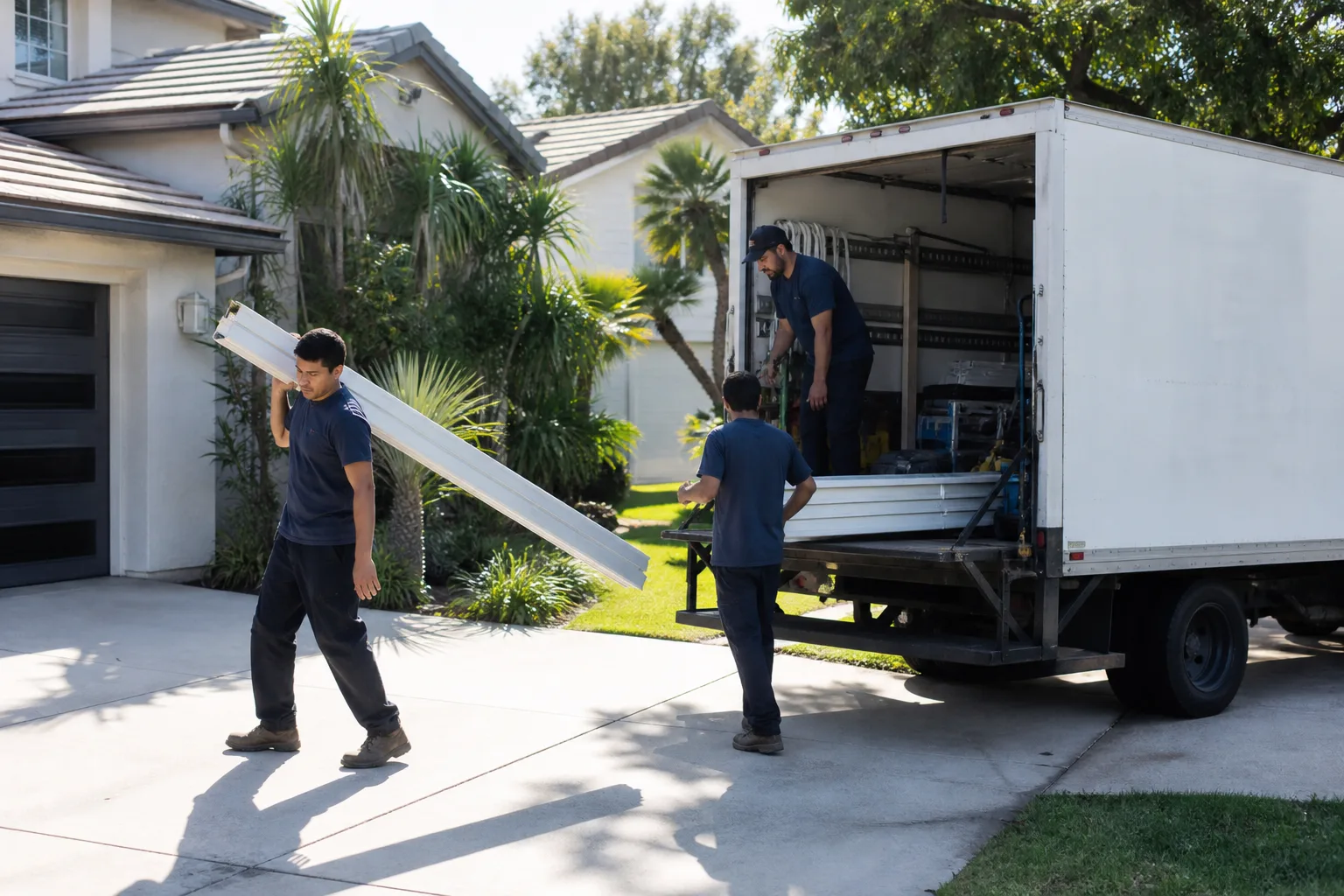

Free written scope consultation - allowances, timeline, and change-order rules on paper before a single trade is scheduled
Silestone Home Additions & ADU: The Yorba Linda Owner’s Guide
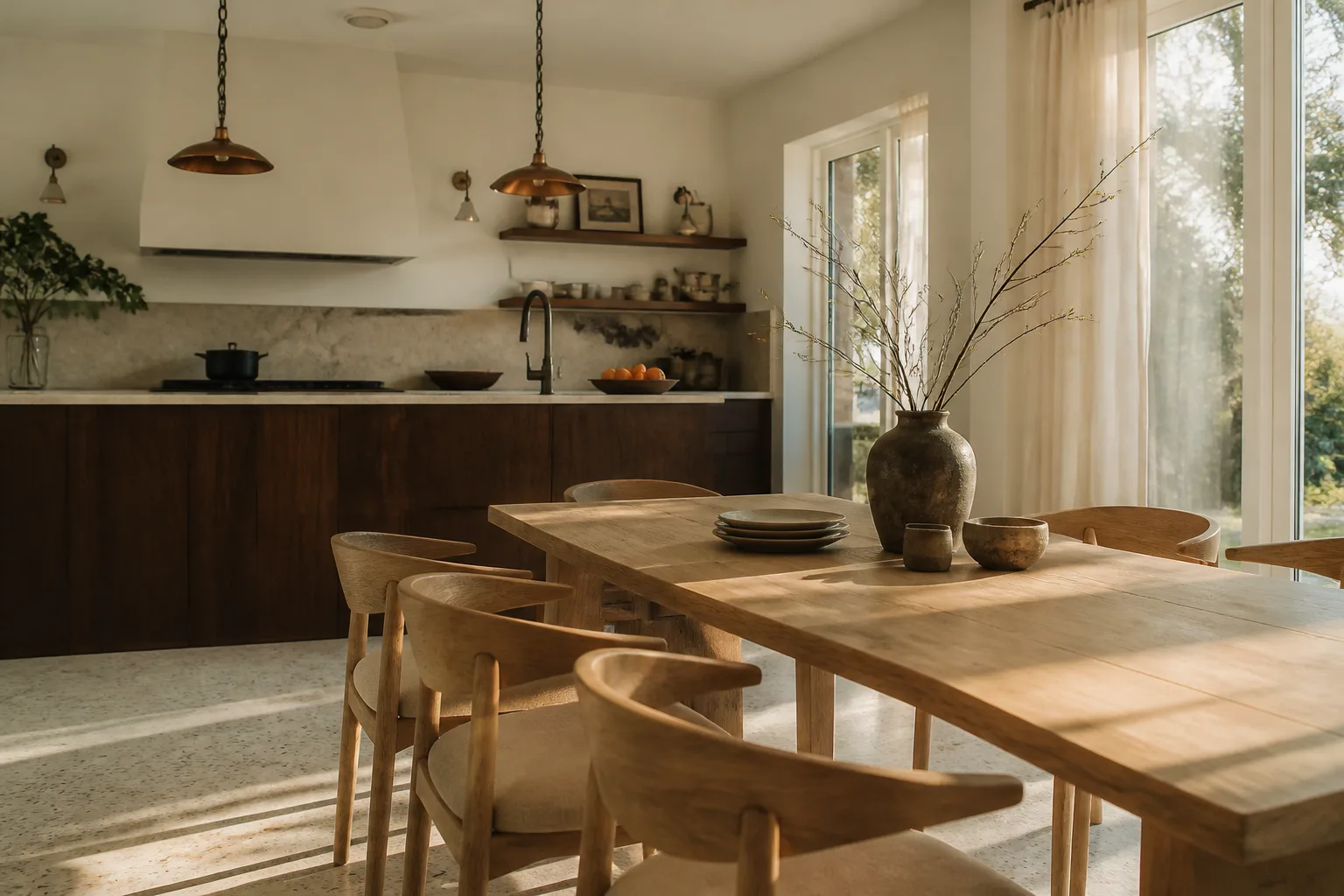
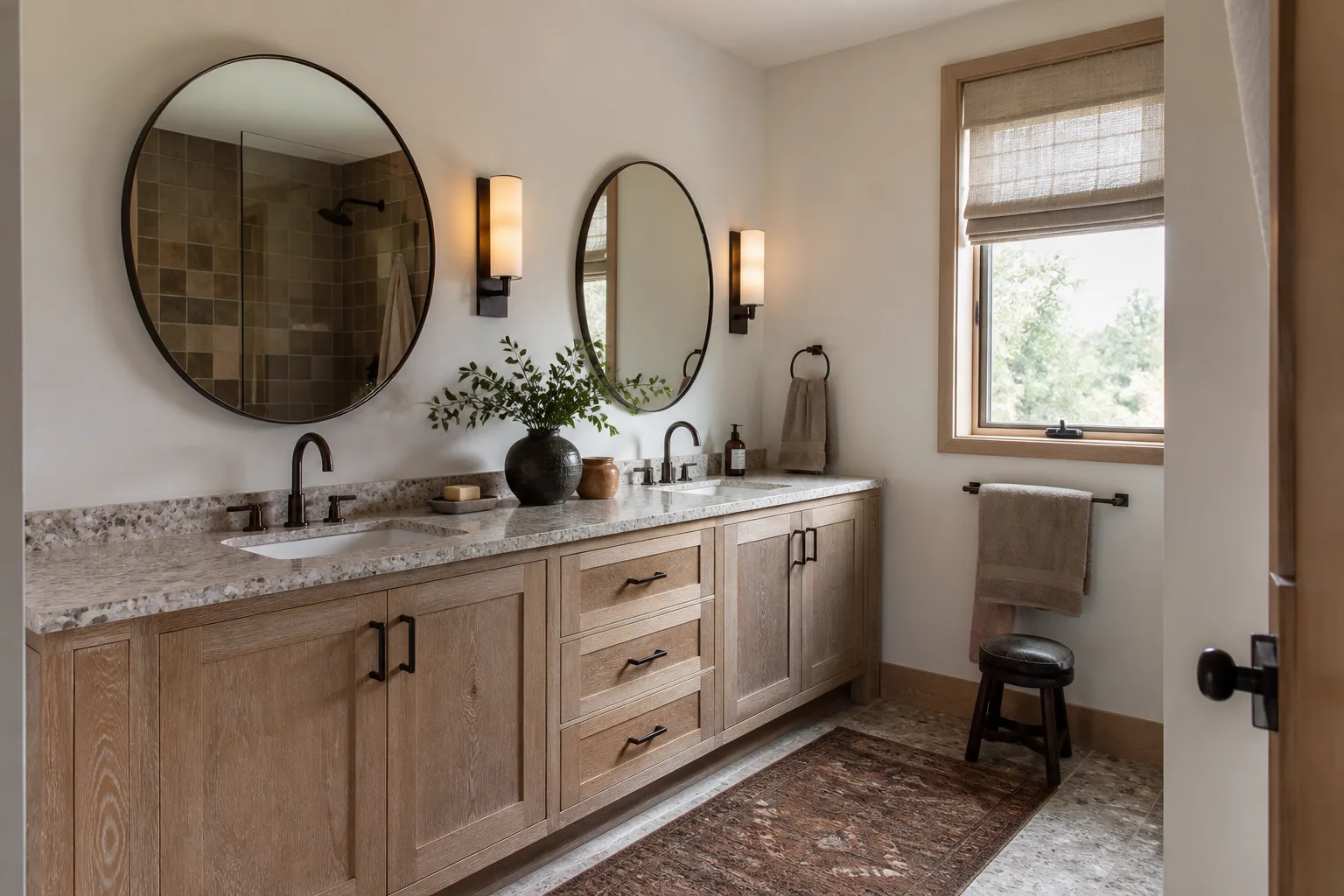
Silestone is an engineered quartz surface, and that matters for an addition because quartz slabs are heavy, dimensionally fixed, and can’t be field-cut the way a fabricator cuts at a shop. Any addition or ADU in Yorba Linda that includes a quartz island, a kitchenette counter, or a bathroom vanity has to be templated and set to the exact milled spec of the slab – not trimmed on site. When a Silestone component fails in an addition, it almost always shows up as a hairline crack running out from a sink cutout, a seam that has opened at a peninsula joint, or a slab that has separated from its substrate around a cantilevered overhang.
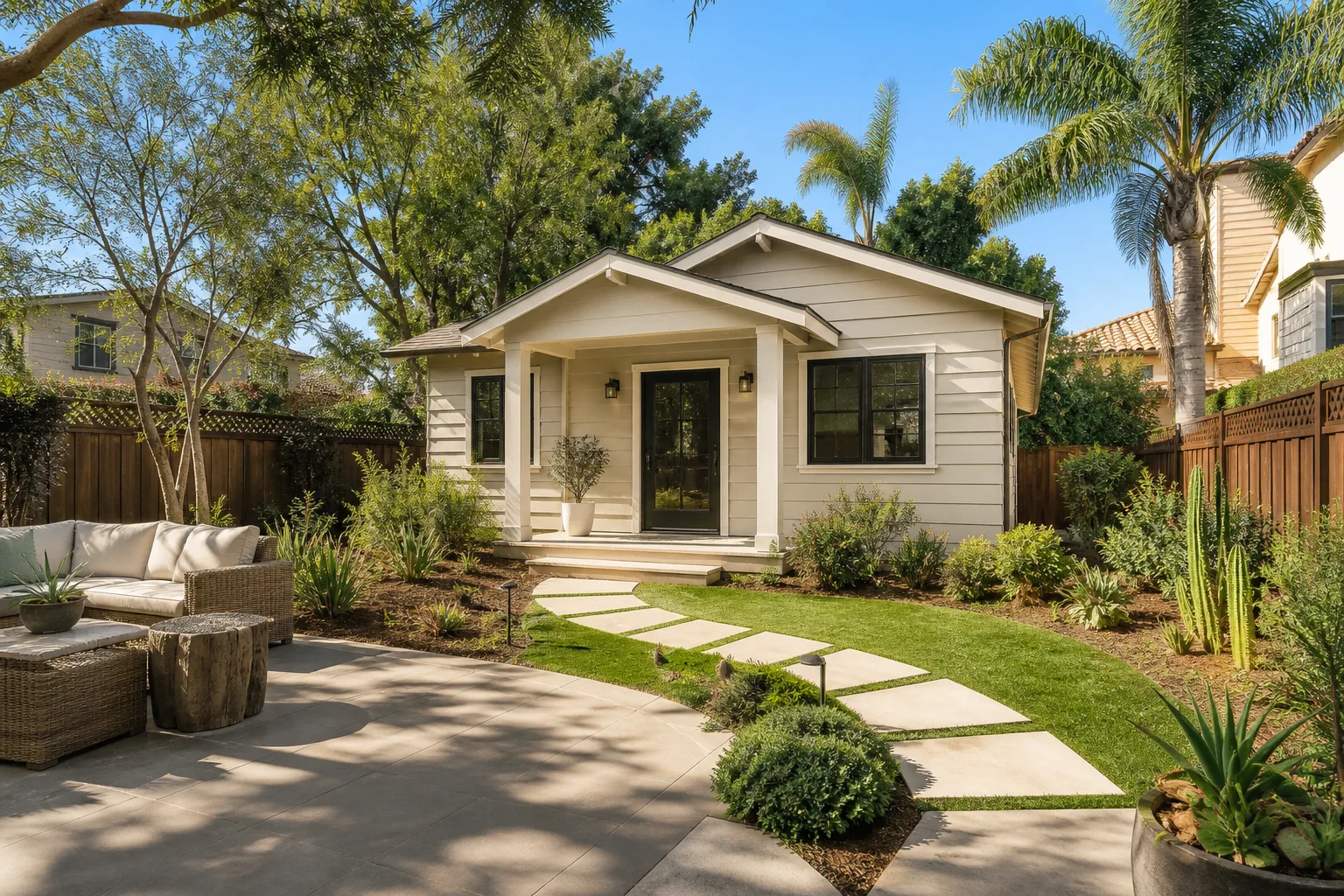
Typical installed pricing for the additions work we handle in Yorba Linda runs $45,000 to $130,000, and a standalone ADU runs $90,000 to $220,000. Quartz counter and vanity work inside those builds is priced as part of the scope, not tacked on after. We’re an independent construction company, not affiliated with Silestone; we install and repair quartz in additions, and we source the correct slab and matching edge profile to the spec.
Key Takeaways
- Silestone failures inside an addition trace back to substrate flex, seam stress, or a slab set over a cantilever without proper support – not to the quartz itself.
- Quartz slabs are templated and pre-cut. Field trimming isn’t an option, so measurements have to be right the first time.
- Yorba Linda homes sit on clay-heavy soil that moves with seasonal moisture, which shows up as settled floors and shifted cabinet lines under a new counter.
- Addition scope in Yorba Linda runs $45,000 – $130,000; ADU scope runs $90,000 – $220,000.
- The work is covered by our 730-Day Done Right Promise.
Which Silestone Models This Applies To
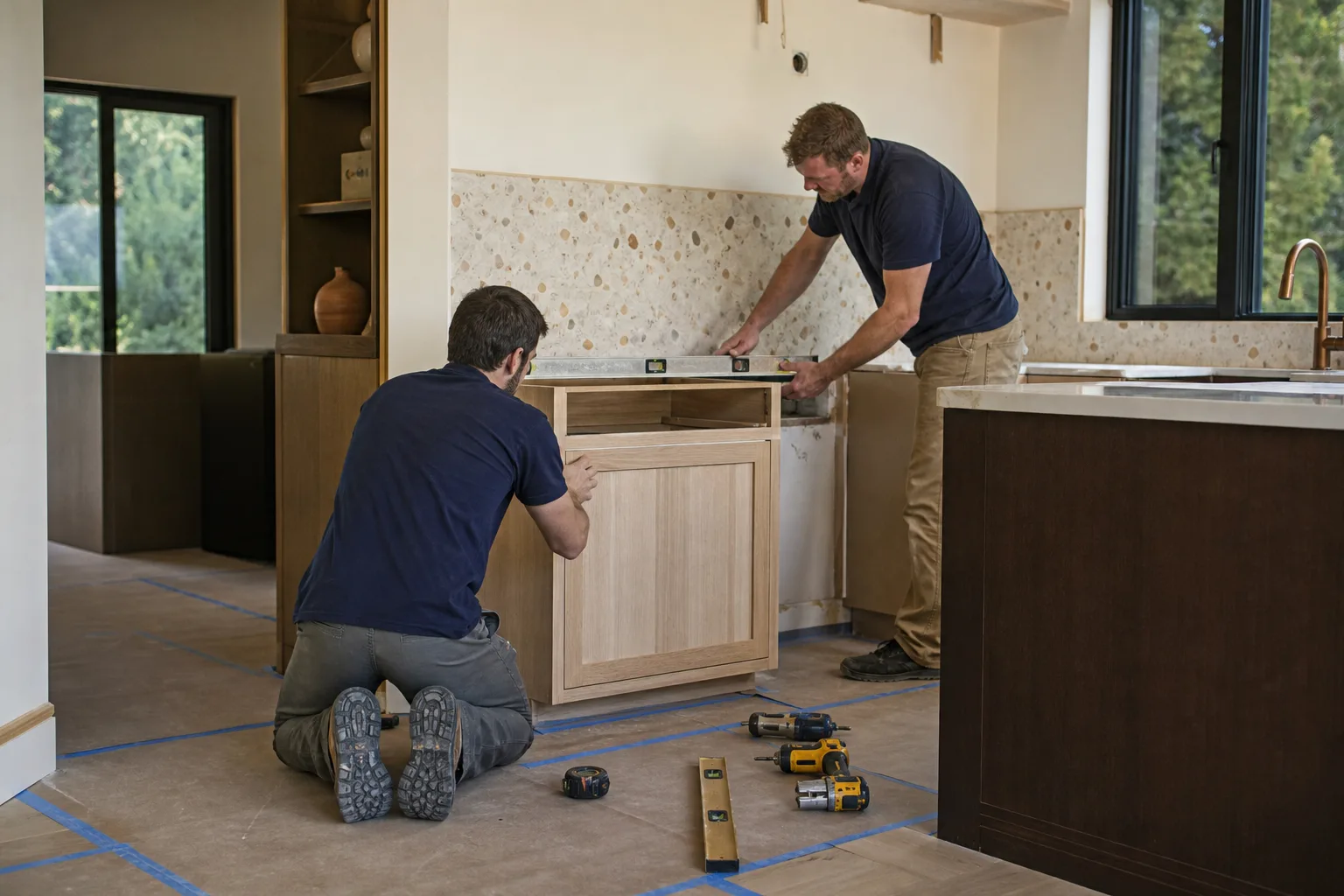
Silestone isn’t a single product line – it’s a family of quartz slabs in different thicknesses and pattern series. The two thicknesses you’ll see in residential work are 2 cm (about 3/4 inch) and 3 cm (about 1-1/4 inch). A 2 cm slab needs a built-up edge and full substrate support underneath; a 3 cm slab can carry a modest overhang on its own. If you’re matching an existing Silestone counter to a new section in an addition, thickness and edge profile are the two specs that decide whether the joint reads clean or looks patched.
Pattern series change dye lots. Silestone has retired and refreshed colorways over the years, and a slab pulled from a different production run can read slightly different under Yorba Linda’s bright afternoon light – which matters on a west-facing kitchen wall. Before anyone orders, check the underside of the existing slab or the fabricator’s sticker for the color name and series. If you can’t find it, a countertop fabricator or your original installer can often identify it from a photo. We’ll match what you have where the color is still in production, and talk through close alternates where it isn’t. Cambria is the other quartz line we work with regularly if you’re weighing a full swap.
On OEM vs. aftermarket: quartz slabs don’t have an aftermarket equivalent the way a garage door spring or a window sash does. The slab is the slab. What you control is the fabricator, the edge profile, the seam placement, and the substrate. That’s where quality lives on this job.
Styles & brands we work with
- Kitchen remodeling
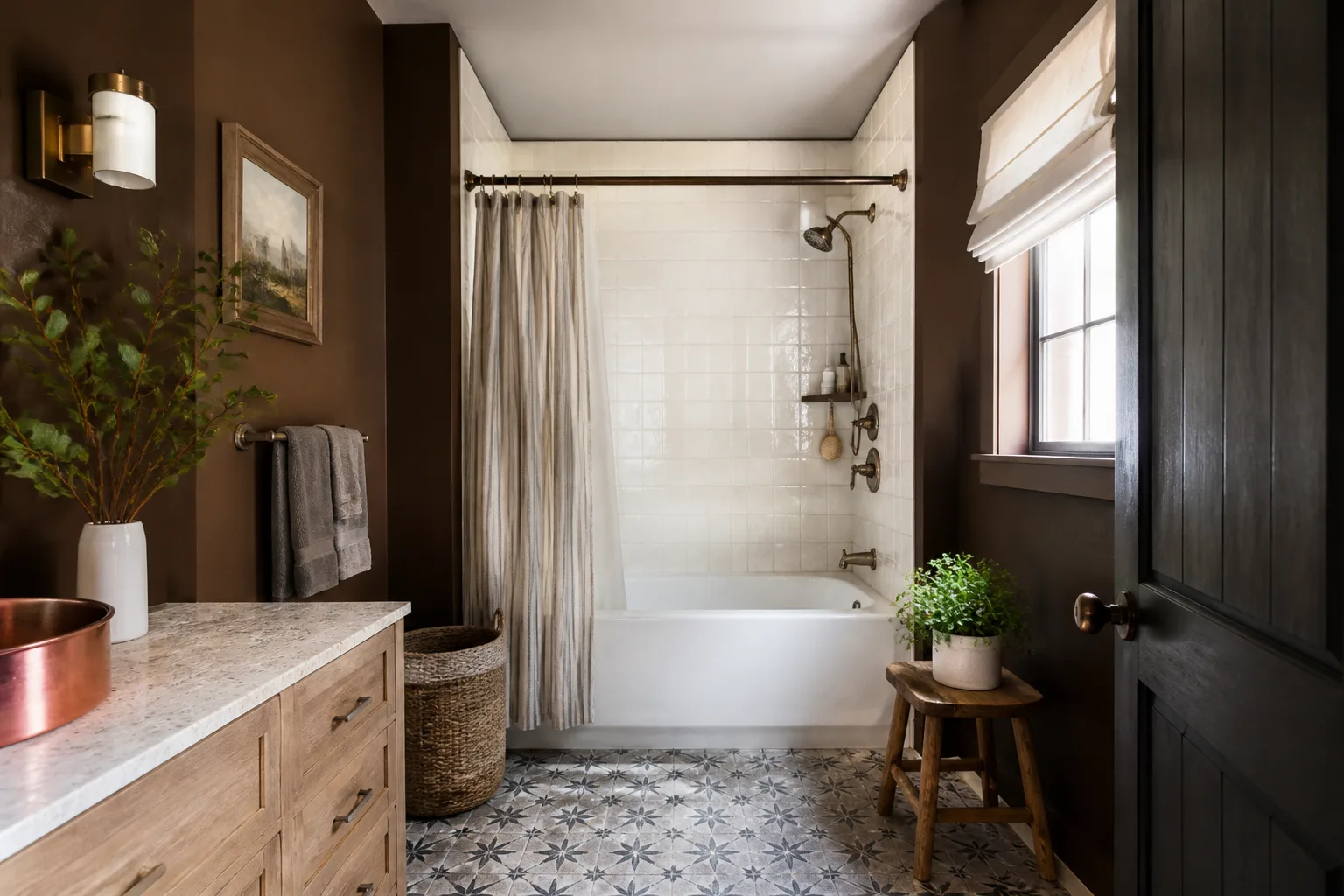
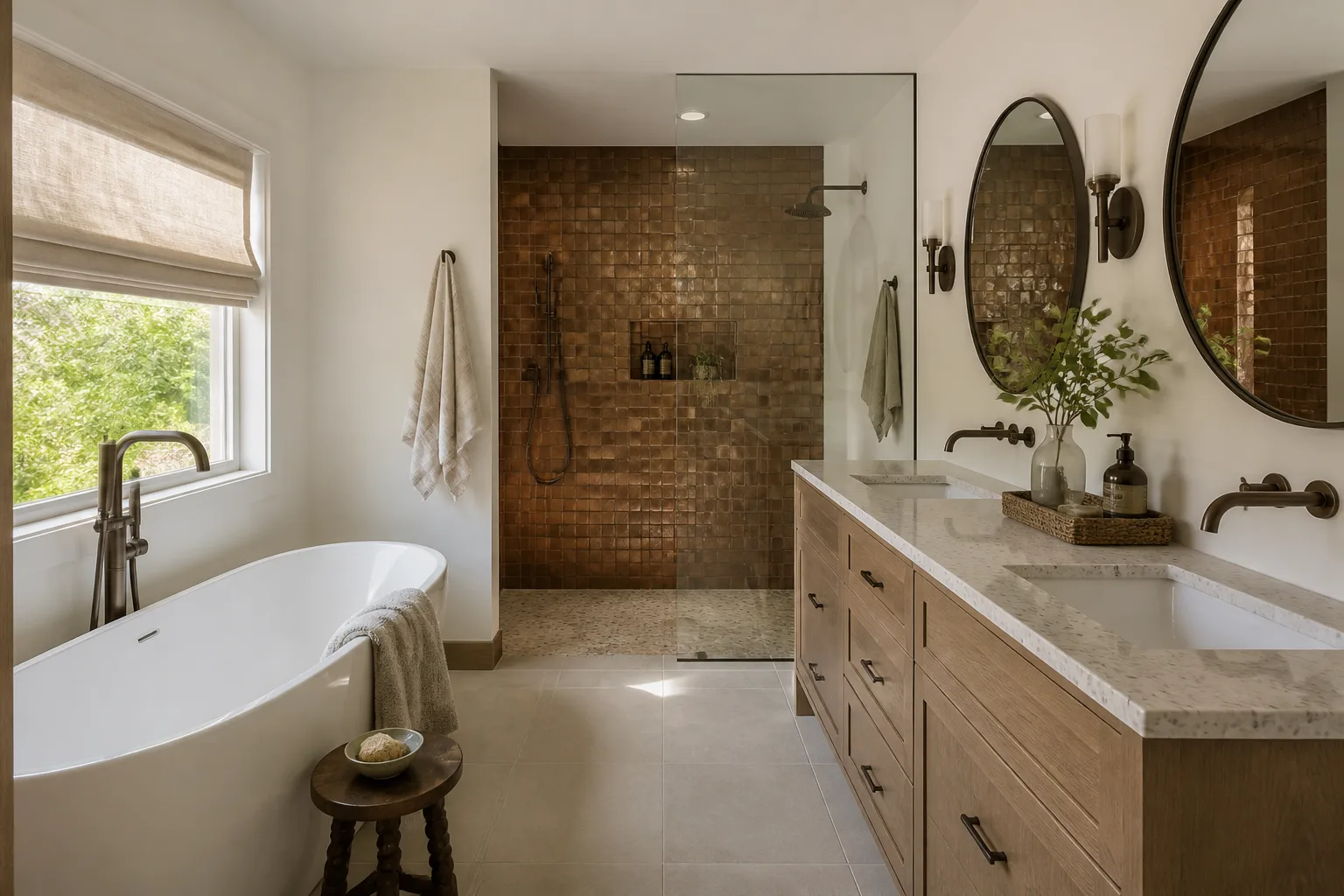
- Bathroom remodeling
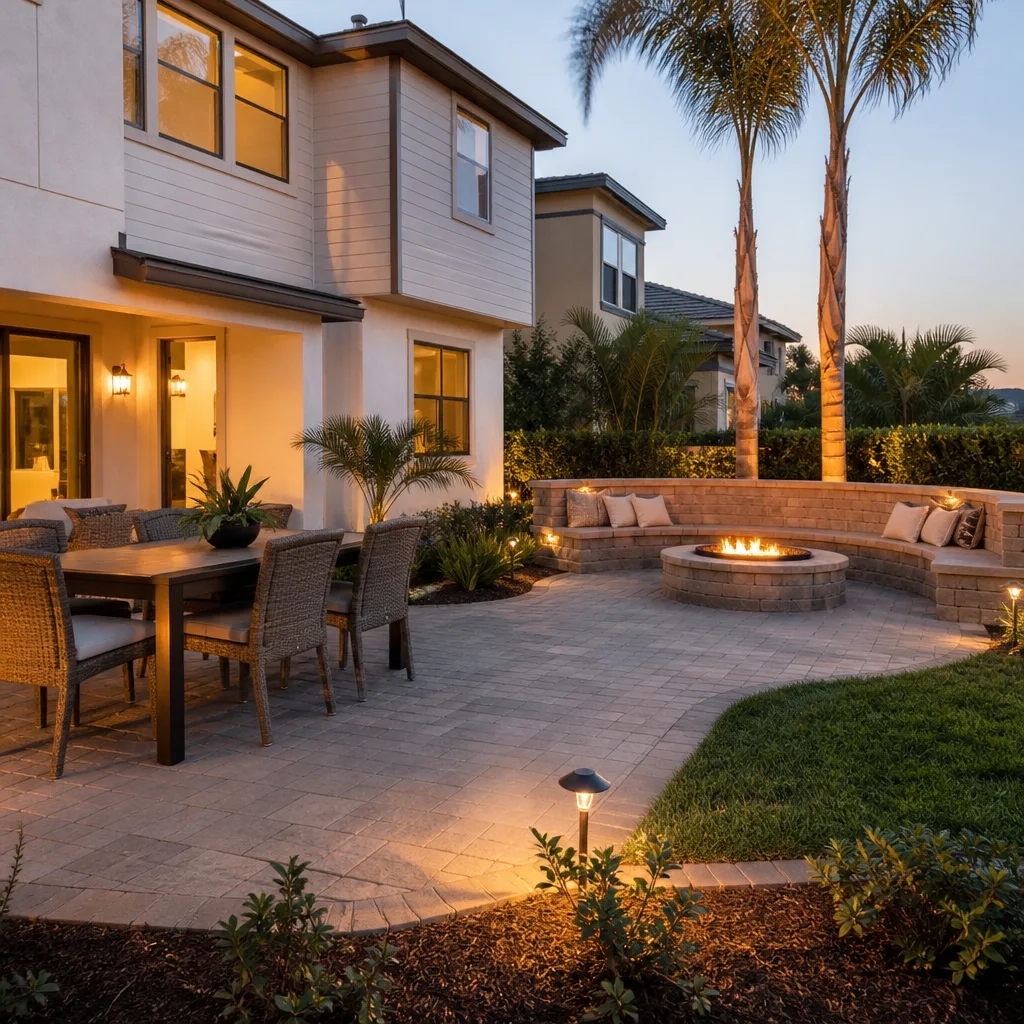
- Home additions & ADU
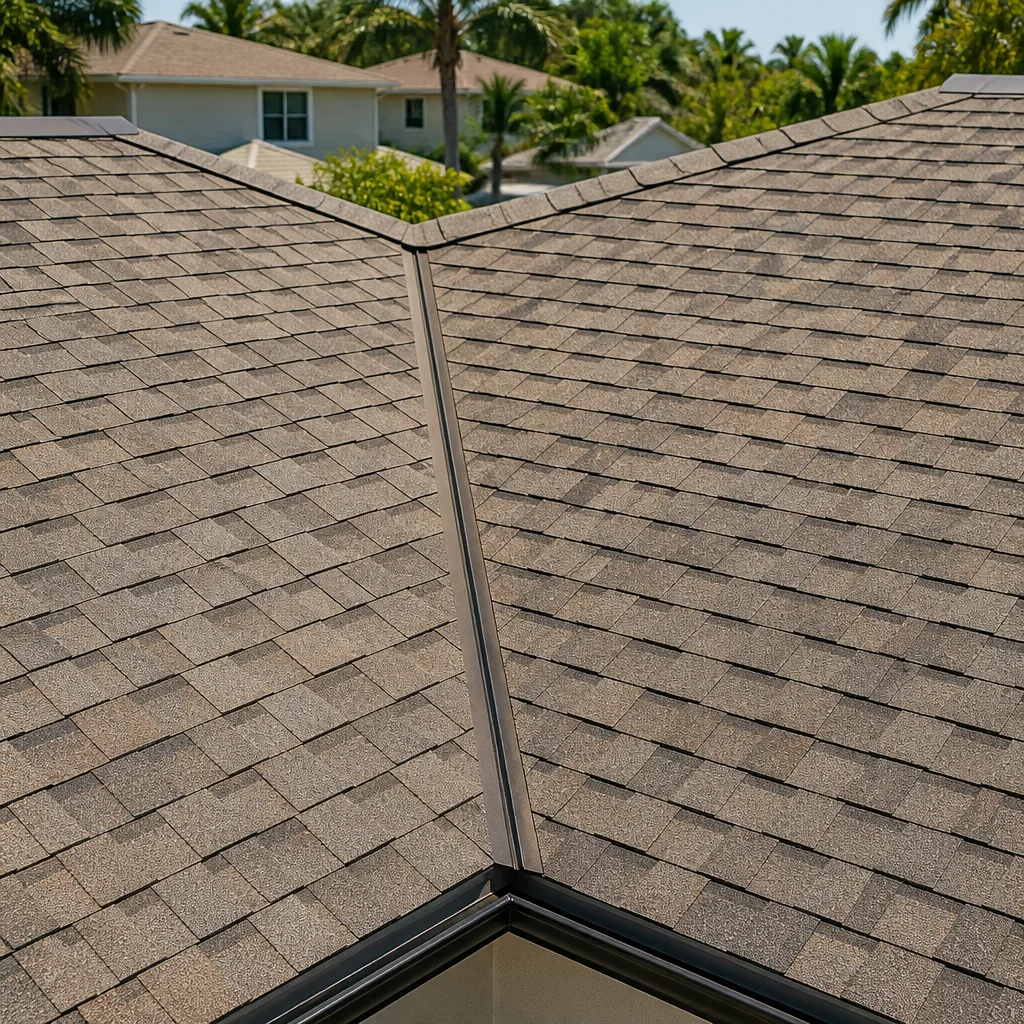
- Roofing
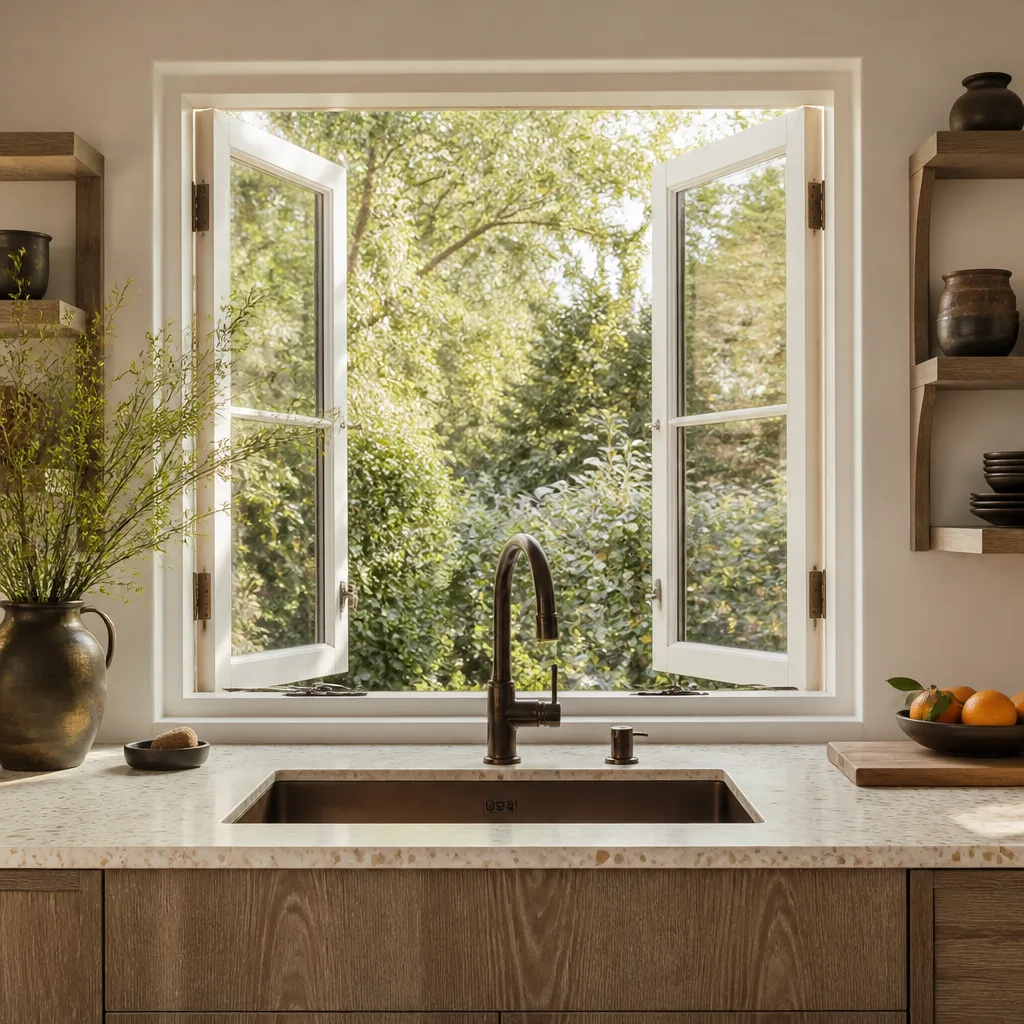
- Windows & doors
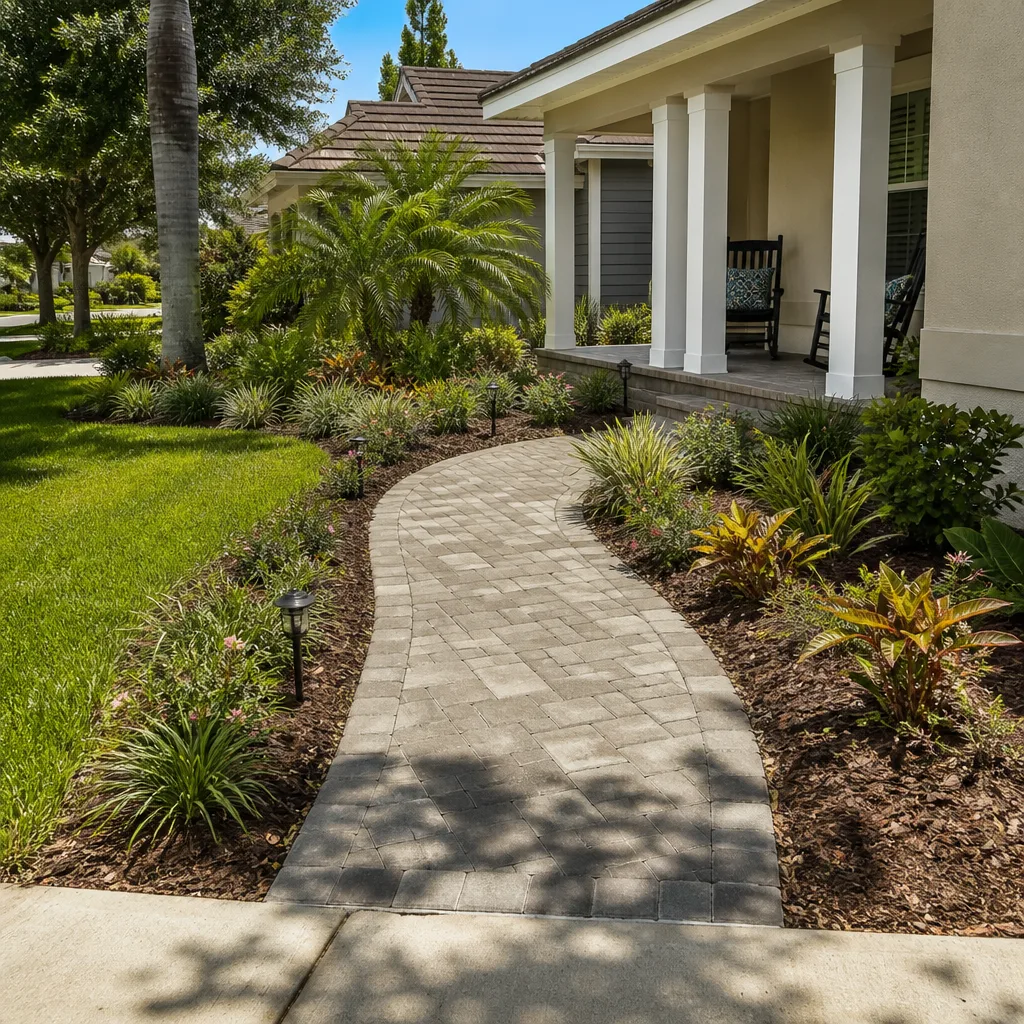
- Driveway & pavers
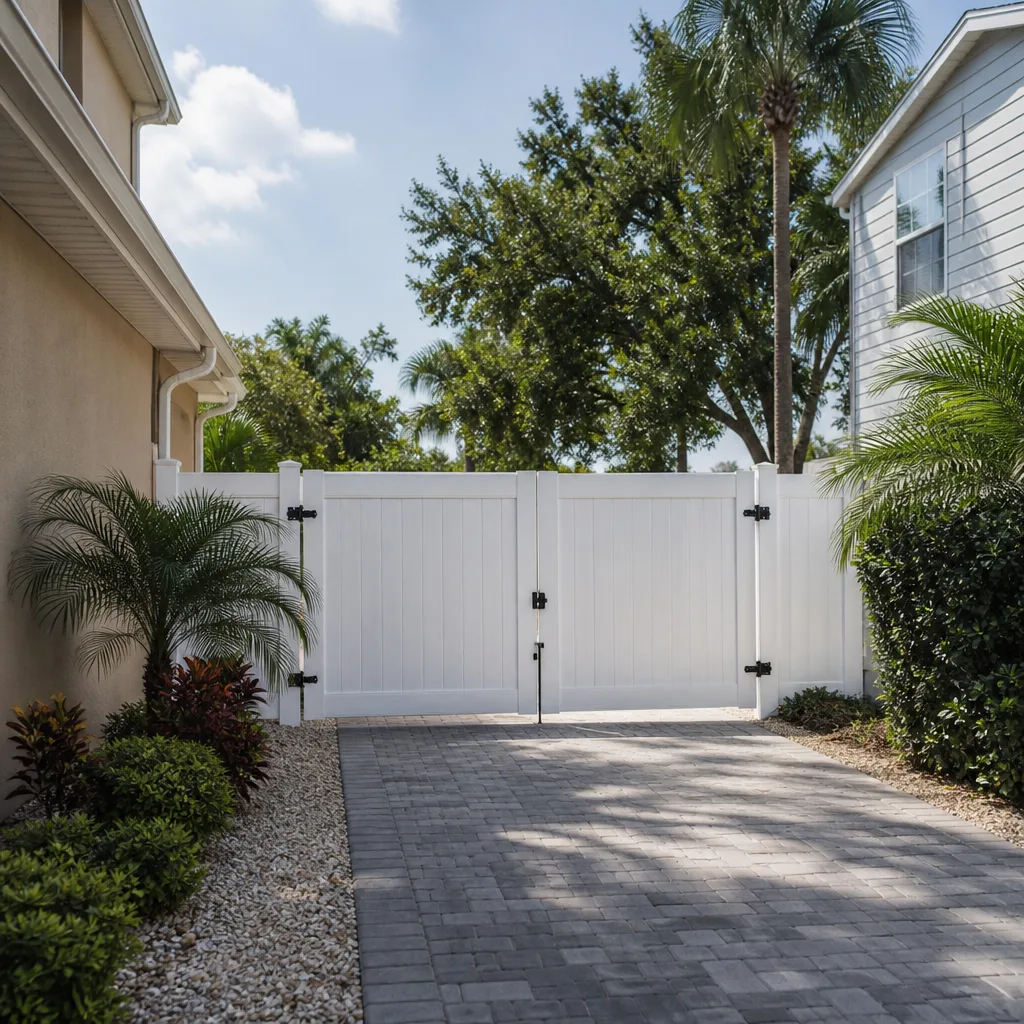
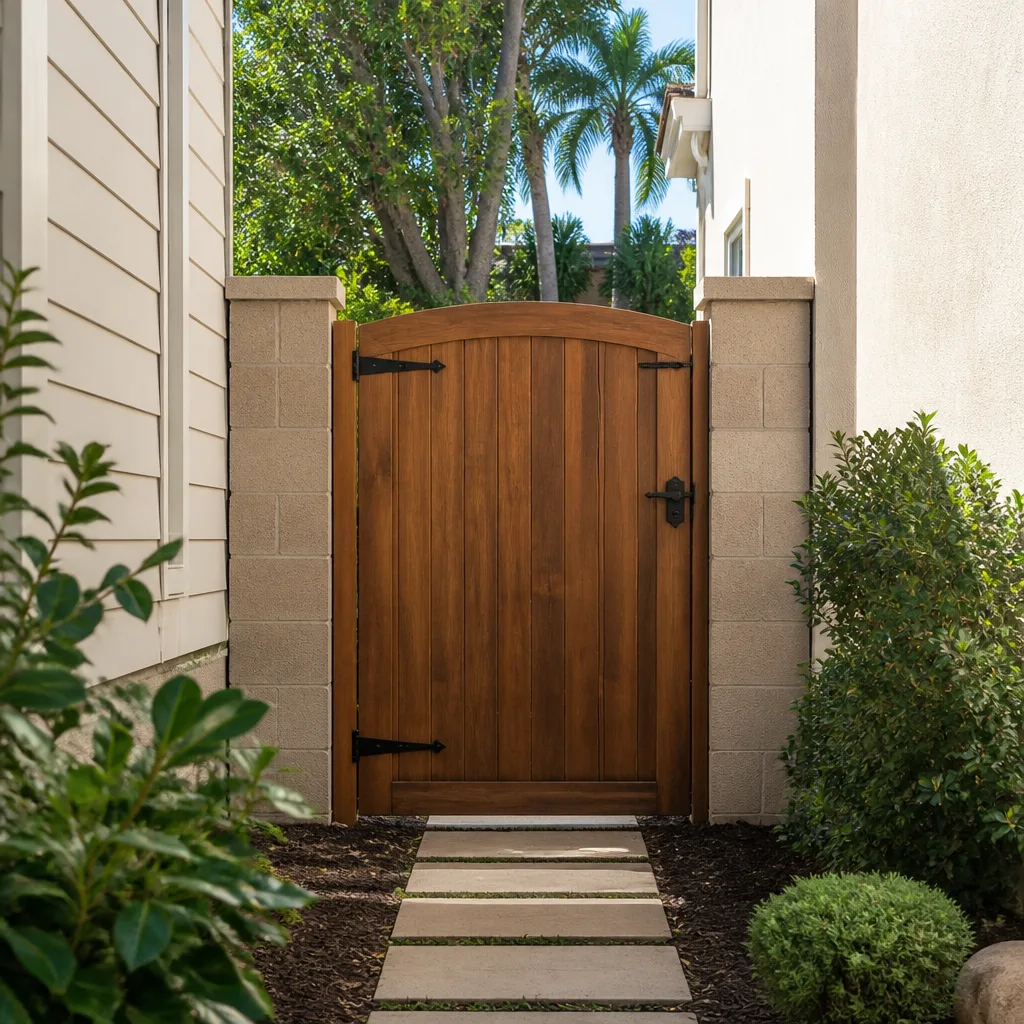
- Fence
Signs Your Silestone Home Additions & ADU Is Failing
Quartz is dense and doesn’t yellow or stain the way natural stone can. When something goes wrong, it’s usually structural, and the symptoms are specific:
- Crack radiating from a sink or cooktop cutout. Cutouts remove material and create a stress point. If the cabinet framing under the cutout has settled or the slab is unsupported at the edge, the quartz takes the load and cracks. In Yorba Linda, this often shows up a few seasons after the addition was built, as the subfloor finds its level.
- An open seam at a peninsula or island joint. Seams are the weakest line on any quartz surface. If they’ve opened or darkened, it’s usually movement – either the substrate has shifted or the adhesive has failed. A dark line means moisture and dust have gotten in.
- Slab separating from the substrate at a cantilever. A counter overhanging an island or bar needs corbels or steel support underneath. If it’s flexing when you lean on it, the support is missing or undersized.
- Visible deflection when weight is set down. Set a heavy pot on the counter and watch the seam. Any give at all means the substrate isn’t flat or the slab is bridging a gap – fix that before it cracks.
- Discoloration at the edge or around a seam. Not a quartz defect. It means the edge build-up or seam adhesive is breaking down and trapping moisture.
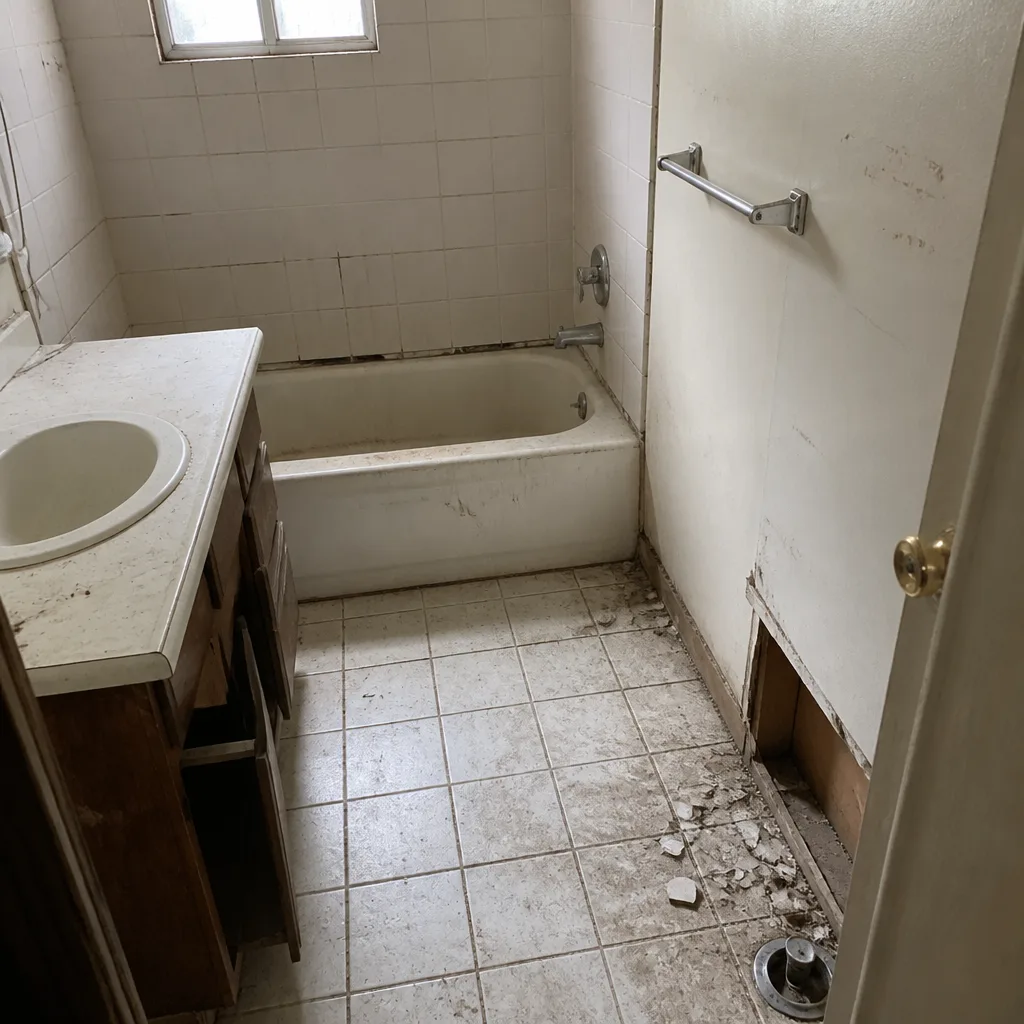
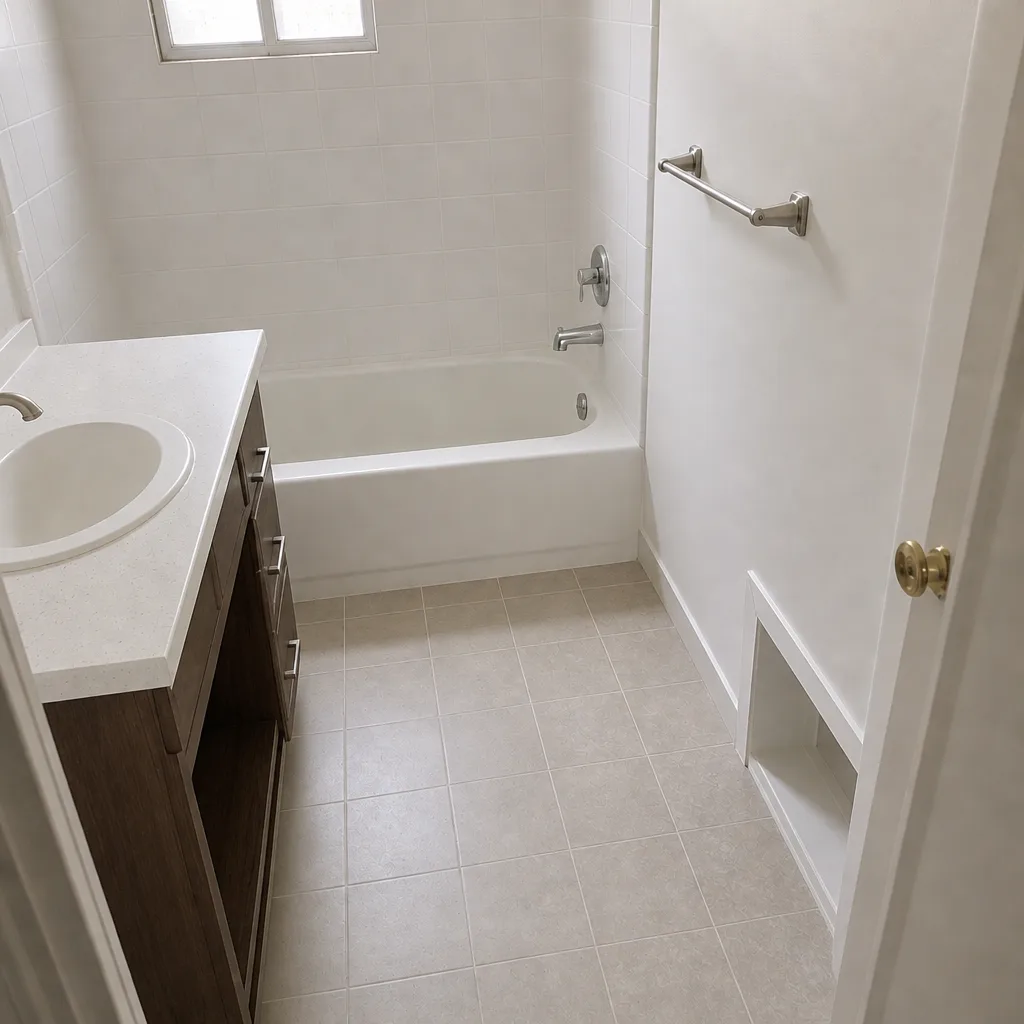
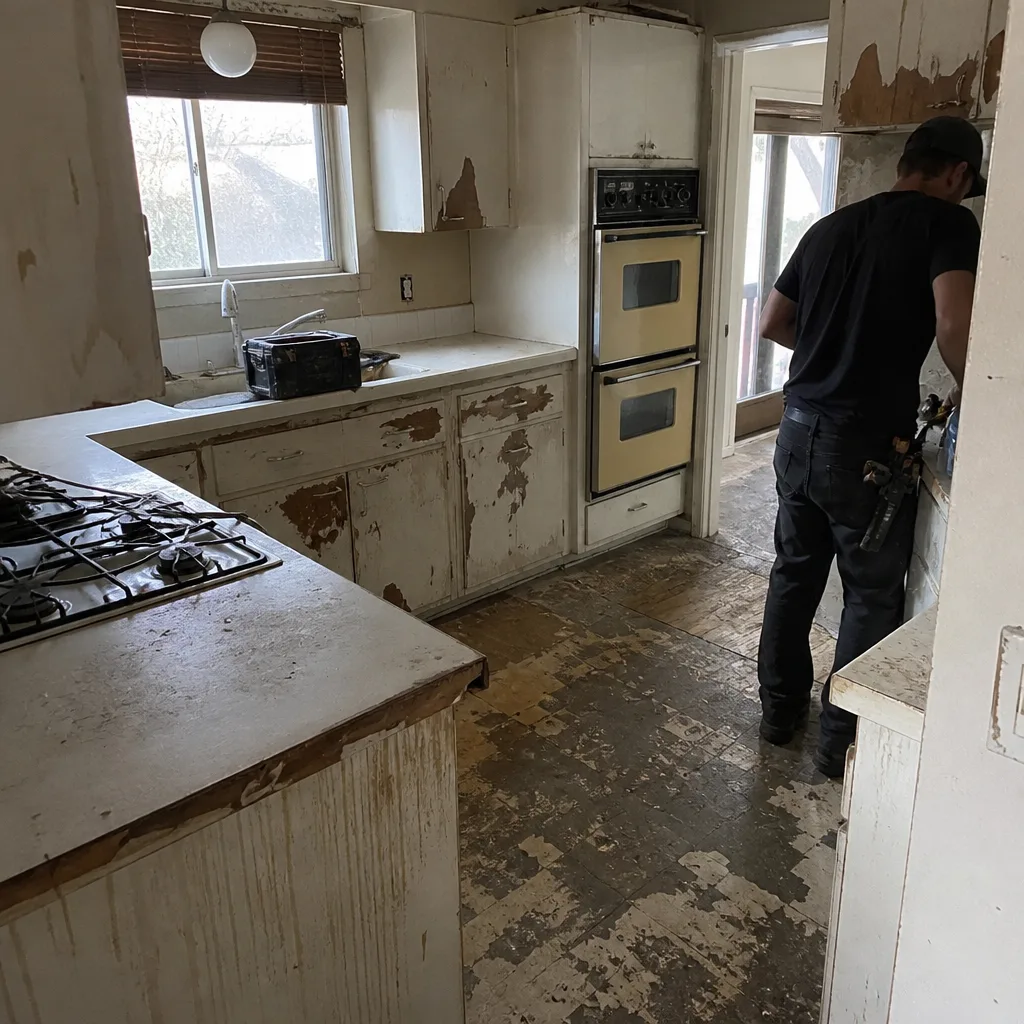
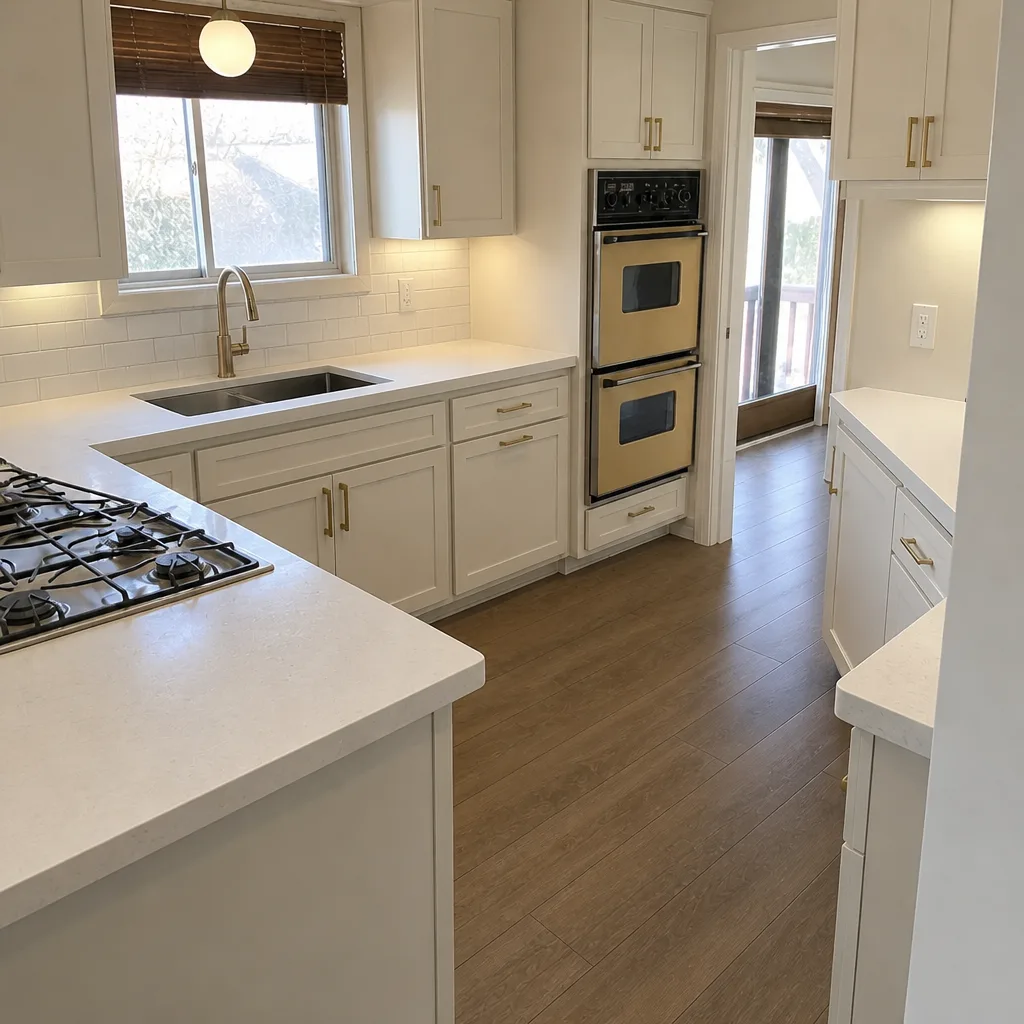
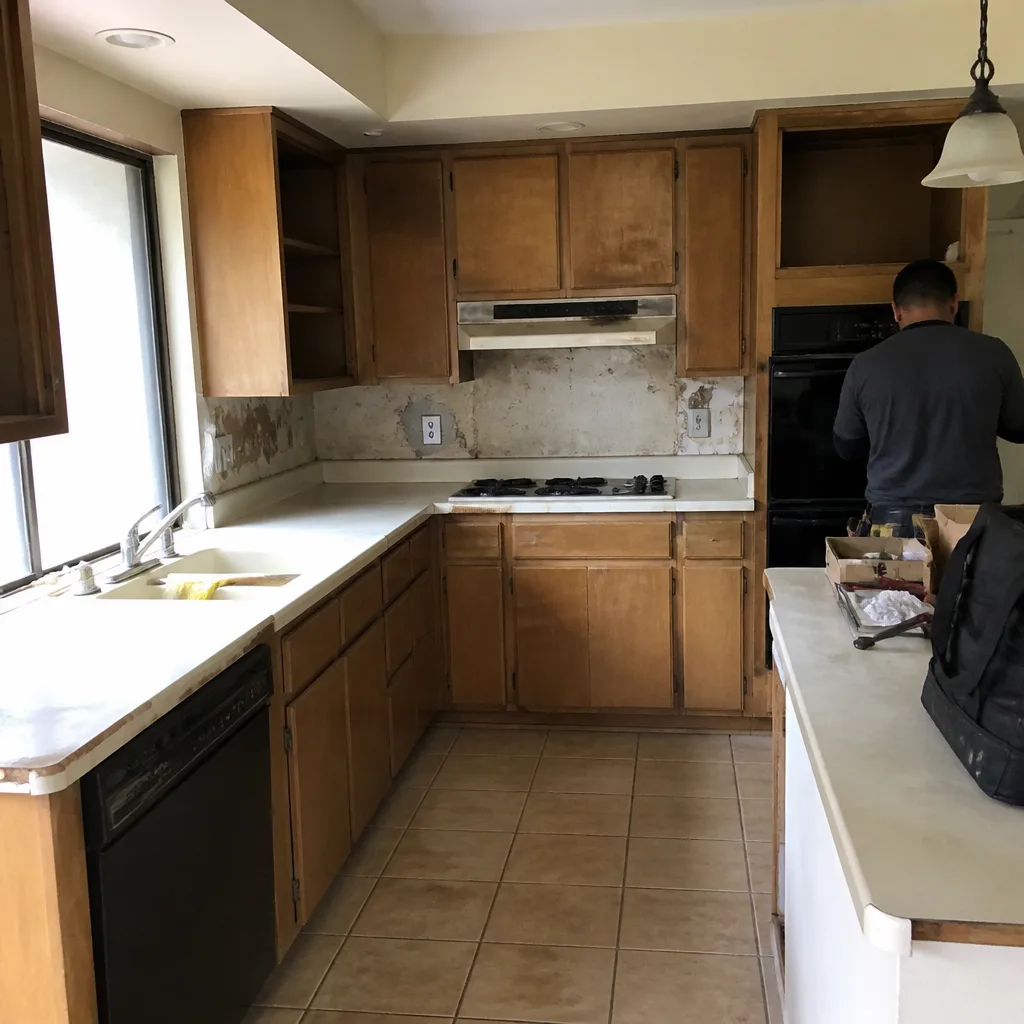
See the difference
 Before
 After
 Before
 After
 Before
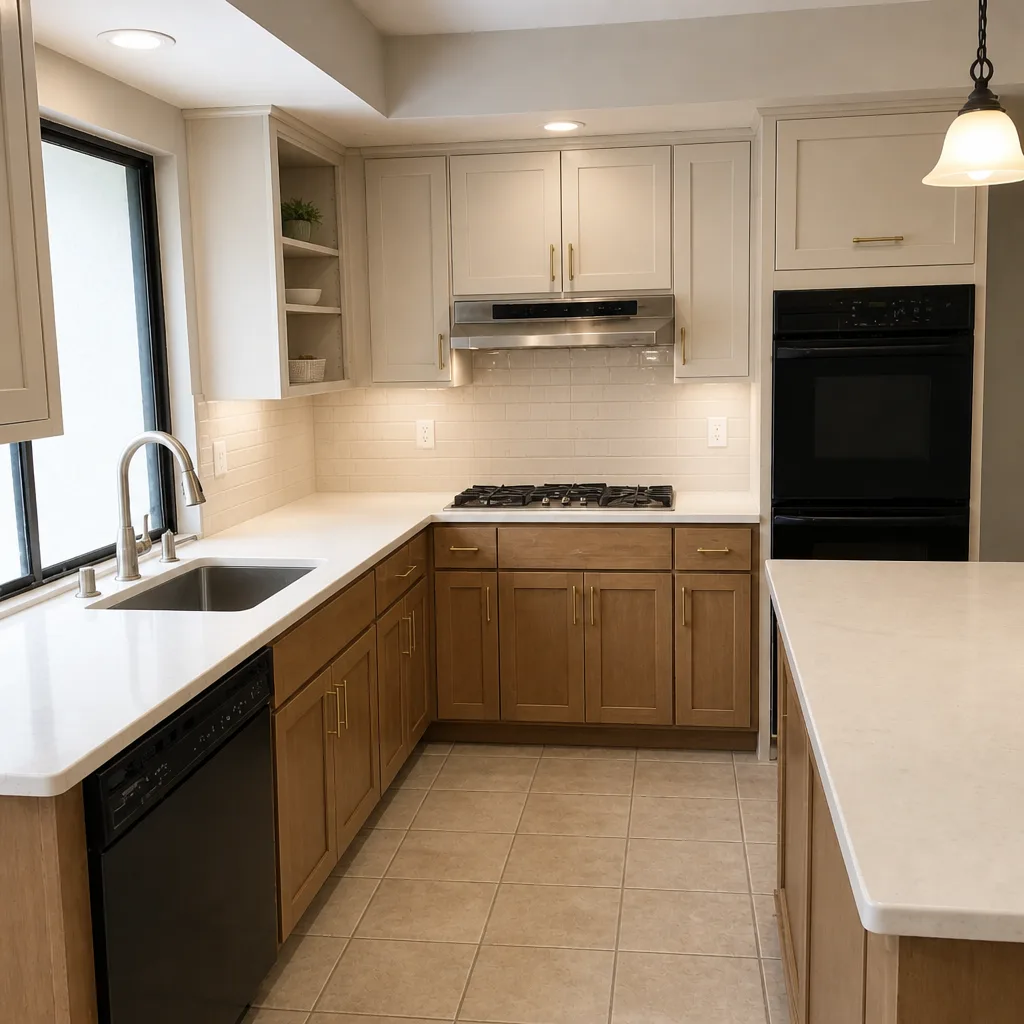 After
Replacement Cost & What’s Included
For quartz in an addition or ADU, the honest answer is that it’s priced within the build, not as a standalone item. Here’s how that reads across the scope we handle in Yorba Linda:
| Scope | Installed Range |
|---|---|
| Home addition (full scope, includes finishes) | $45,000 – $130,000 |
| ADU construction | $90,000 – $220,000 |
| Garage conversion | $30,000 – $80,000 |
| Quartz counter replacement within an existing addition (per countertop line item) | $2,000 – $6,500 |
| Bathroom vanity top (per bath) | $800 – $3,000 |
What drives the addition range: square footage, whether the site needs grading or foundation work for Yorba Linda’s expansive clay, how far the new structure sits from existing utilities, and the finish level on cabinets and counters. The quartz portion moves with slab thickness, edge profile complexity, number of seams, and how many cutouts you need. You get a written line-item quote before anything starts – the number you see is the number you pay. All of it is covered by the 730-Day Done Right Promise, and projects over $10,000 qualify for $1,000 off with 0% financing for 18 months available.
DIY or Call Us?
There’s one safe thing an owner can do: look. Check for flex under a cantilever, run a straightedge along a seam, and confirm the slab is supported at every cutout. Photograph it and note the color name if you can find the sticker. That’s where DIY stops on quartz.
Setting or repairing a quartz slab is a two-person job with 100+ pound material and no room for a second measurement. Cutting quartz releases silica dust that requires wet-cutting and proper respiratory protection – a real health hazard, not a caution sticker. Setting a slab on an unsupported substrate just moves the failure down the road. If you’re mid-addition or planning one and the counter spec is the open question, call us at (888) 255-9354. We’ll walk the scope, quote it in writing, and tell you straight whether you need a repair or a rebuild. Calls are answered by a live person, 24/7. We also handle KraftMaid cabinetry, Cambria quartz, and Kohler fixtures if the addition needs the full package.
FAQs
Silestone quartz itself will last decades – it’s non-porous and doesn’t need sealing. What fails first is the installation: substrate, seams, and support. A quartz counter set on a properly leveled, fully supported substrate in a Yorba Linda home will outlast the cabinets under it. A counter set on a moving subfloor can crack in two or three seasons.
Sometimes. A clean crack or an open seam can be filled and color-matched, and we do those repairs. But if the crack runs through a cutout or the slab is deflecting, a repair just hides the problem and it opens again. Call (888) 255-9354 with a photo and we’ll tell you honestly which one you’re looking at – estimates are free.
Once the slab is templated, fabrication usually takes one to two weeks, and the tear-out and reset is typically a single day. The template visit is where the job is won or lost. If the cabinets or substrate need correction first, add a day. We’ll lay out the full timeline in your written estimate so nothing surprises you.
We order through fabricators and slab suppliers who carry current Silestone series, and we confirm thickness, color name, and dye lot before the order goes out. For a match to an existing counter, we ask for the original color name or a photo. Where a color has been discontinued, we’ll show you the closest current production match before you commit. Call (888) 255-9354 to start the conversation and get a free estimate.
Written by the team at Groundwork Construction Co. of Yorba Linda, serving Yorba Linda and nearby areas.