
Free written scope consultation - allowances, timeline, and change-order rules on paper before a single trade is scheduled
ADU Site Prep & Utilities in San Juan Capistrano, CA: What the Ground Work Actually Costs
ADU site prep and utilities in San Juan Capistrano runs $45,000 – $130,000 for the trenching, grading, foundation pad, and utility runs that have to happen before a single wall goes up. Most projects hit the low end when the lot is flat and the sewer connection is short; they climb toward $130,000 on sloped sites, long utility runs, or lots that need a new electrical service. Call (888) 255-9354 to schedule a free on-site estimate.
Site prep is the part of an ADU build nobody photographs and everybody underestimates. It’s also the part where a bad decision in week one costs you $15,000 in week twelve.
Key Takeaways
- Site prep and utility work typically runs $45,000 – $130,000 before framing starts.
- On a typical San Juan Capistrano lot, plan six to ten weeks of site work before the foundation pour.
- The three biggest cost drivers are slope, distance to the sewer lateral, and whether the electrical panel needs upgrading.
- Historic-corridor properties in San Juan Capistrano may need Cultural Heritage Commission review for street-visible work.
Styles & brands we work with
- Kitchen remodeling
- Bathroom remodeling
- Home additions & ADU
- Roofing
- Windows & doors
- Driveway & pavers
- Fence
How the prep and utility sequence actually runs, week by week
Here’s the order we work in, what gets inspected, and where you have to make a call.
Week 1: site survey, staking, and utility locating
We start by marking the footprint and calling 811 for utility locates, which takes two to three business days. The survey confirms setbacks and grade. This is where you decide the ADU’s finished floor elevation relative to the main house; a two-foot difference changes your drainage plan and your concrete volume.
Weeks 1 – 3: demolition and clearing
Old patios, sheds, fences, and trees come out. On a San Juan Capistrano lot with mature vegetation, expect root removal and stump grinding, not just cutting. If a protected tree sits near the footprint, an arborist report may be required. You decide at this stage whether to keep or remove hardscape you’re fond of; we can often work the ADU around a mature tree or a favorite patio if you tell us early.
Weeks 2 – 5: grading and drainage
Cut and fill to bring the pad to grade, then compaction in lifts with density testing. Drainage comes next: swales, area drains, and downspout tie-ins so winter rain doesn’t pool against the new foundation. Sloped lots in the hillside pockets around town need retaining walls or stepped footings, and this is where the budget moves fastest. You approve the final grading plan and the wall height before we pour.
Weeks 4 – 7: trenching and utility rough-in
Water, sewer, gas, electrical conduit, and low-voltage all get trenched to depth and inspected before backfill. Sewer requires correct fall; get this wrong and you’re re-digging. Electrical service size gets settled here: a 125-amp subpanel often works, a full 200-amp upgrade does not come free. You decide gas versus all-electric at this stage, and that decision drives appliance choices later.
Weeks 7 – 10: foundation formwork and pour
Forms, rebar, and anchor bolts set, then inspection, then concrete. Curing adds several days before framing can start. This is the last checkpoint before the build goes vertical, and where any change to the footprint gets expensive.
The choices you’ll actually make, and what each one costs you
- Foundation type. Slab-on-grade is the cheapest and fastest on flat ground; a raised floor or stem-wall foundation costs more but handles slope and gives you a place to run utilities under the floor. On hillside lots, raised is often the only workable option.
- Sewer connection route. Tying into the existing lateral is the low-cost path. A new lateral to the street or a grinder pump system adds real money and maintenance. Distance and fall dictate which one you get.
- Electrical service. Tapping an existing panel with spare capacity is cheap. A service upgrade or a separate meter is not. Decide early whether the ADU will be metered separately or share the main house meter.
- Water and gas runs. Short runs from the main house are straightforward. Long runs under a driveway need boring rather than trenching, which adds cost but saves the driveway.
- Exterior cladding. James Hardie fiber-cement siding holds up well to coastal UV and salt air; stucco matches the local Spanish Colonial look but cracks from thermal cycling. Pick by durability tolerance, not just appearance.
- Prefab versus site-built shell. Companies like Plant Prefab and Boxabl offer factory-built units that can shorten the build, but site prep and utility work is identical either way. The savings show up later, not in the ground.
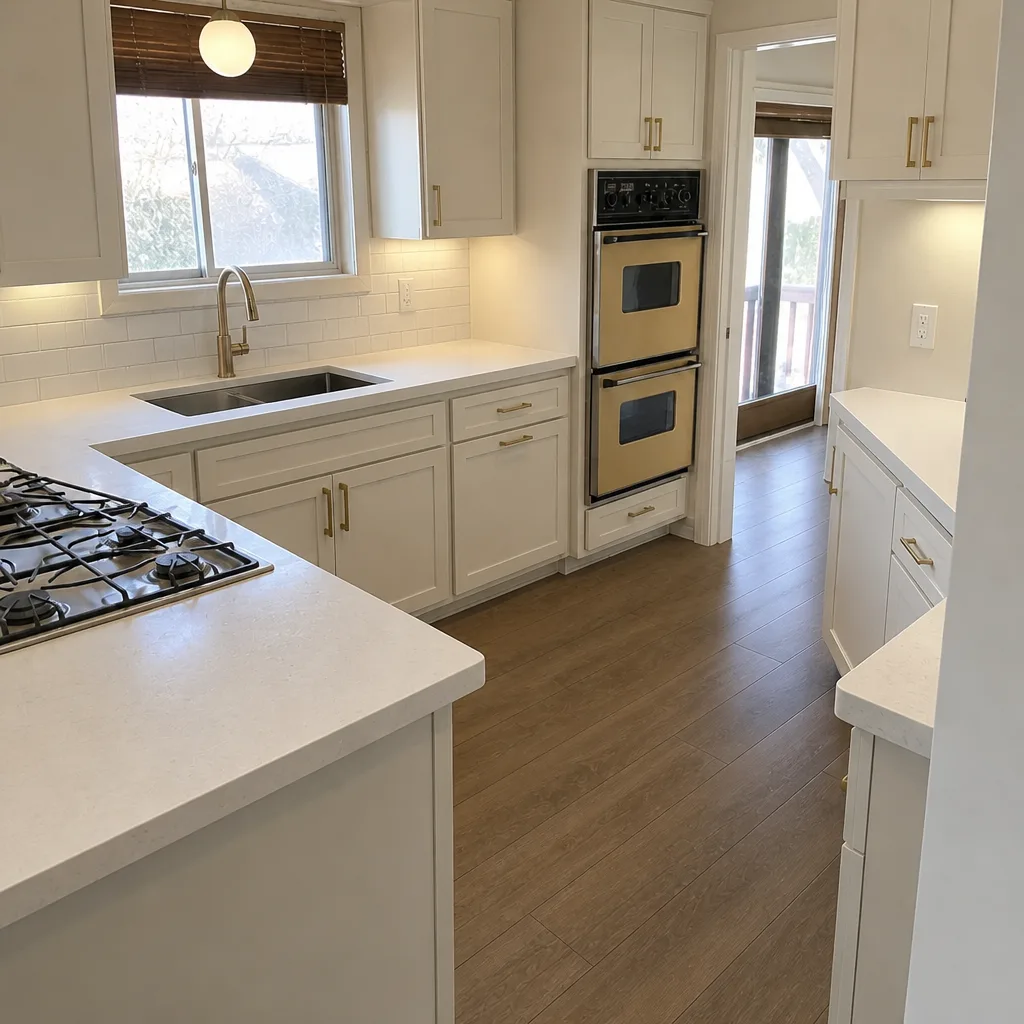
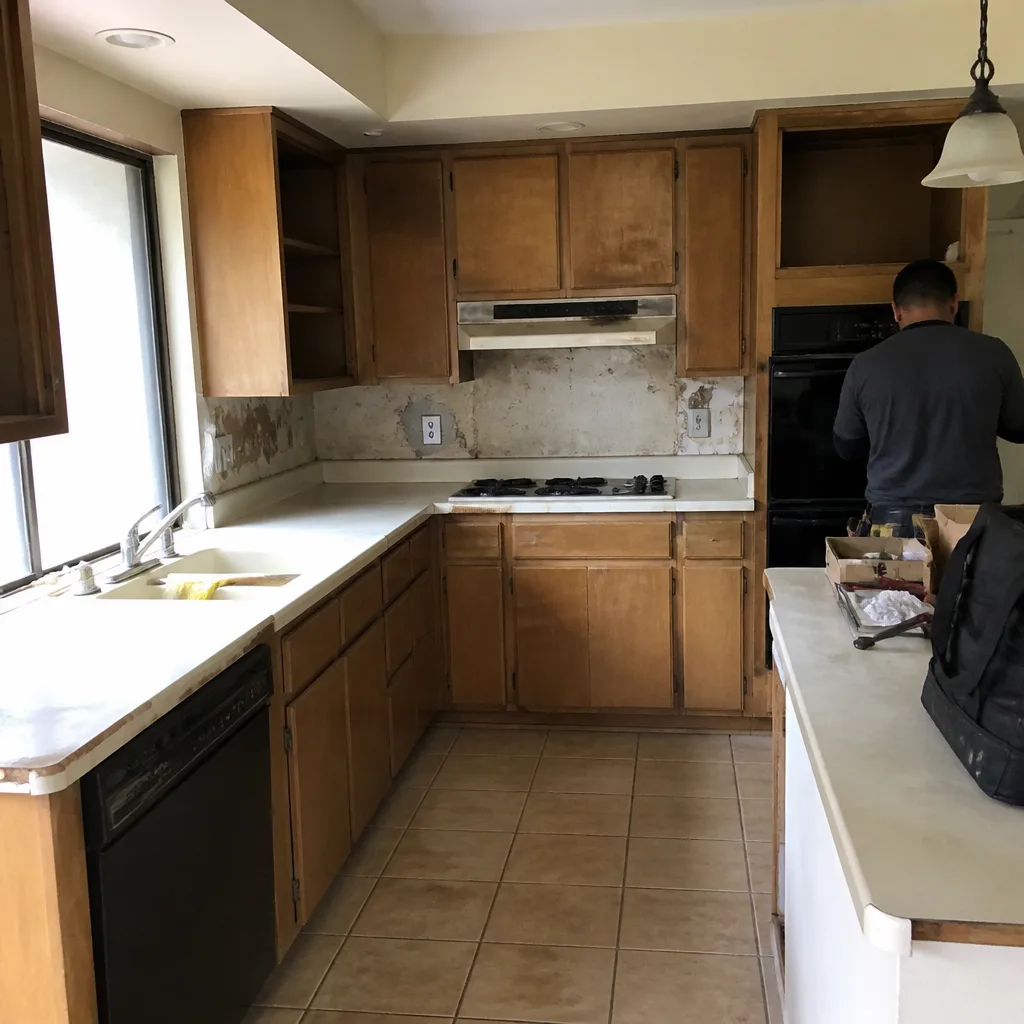
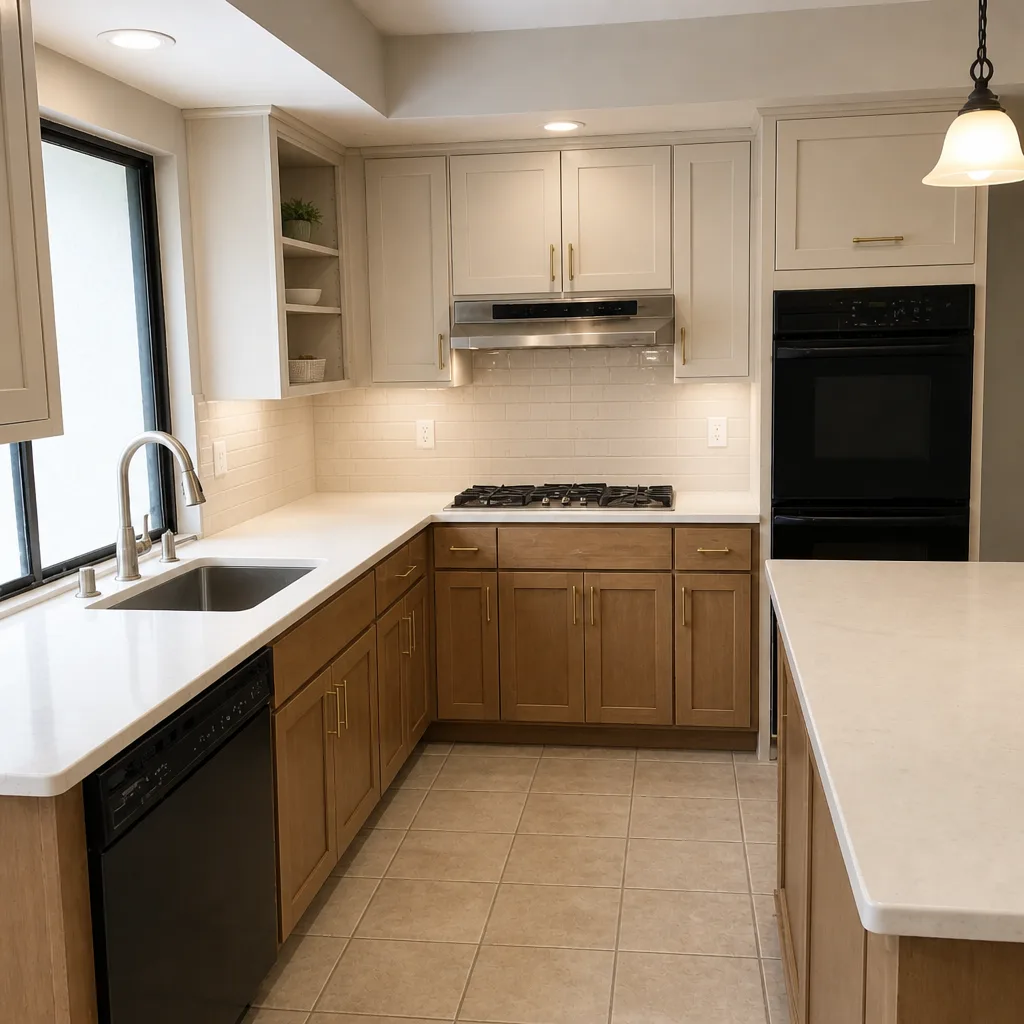
Homeowners often pair this groundwork phase with Small & Partial Kitchen Remodels in San Juan Capistrano inside the main house, since the mess and the permits are already in motion.
See the difference
 Before
 After
 Before
 After
 Before
 After
What ADU Site Prep & Utilities costs in San Juan Capistrano, CA
The full range for this phase is $45,000 – $130,000. Here’s what moves a job from one end to the other.
| Line item | Typical range |
|---|---|
| Survey, staking, utility locating | $1,500 – $4,000 |
| Demolition and clearing | $3,000 – $12,000 |
| Grading, drainage, retaining | $8,000 – $35,000 |
| Utility trenching and rough-in | $12,000 – $40,000 |
| Electrical service work | $3,000 – $15,000 |
| Foundation formwork and pour | $15,000 – $32,000 |
What pushes you high: a steep lot needing retaining walls, a long sewer run or grinder pump, a full electrical service upgrade, and historic-corridor documentation. What keeps you low: flat ground, short utility runs, spare panel capacity, and a clean lot with nothing to demolish.
A written estimate should include the scope of each line, the inspection sequence, and a fixed price with no change-order surprises. It typically does not include landscape restoration after backfill, Arborist fees if a tree requires review, or city plan-check fees. We list those separately so nothing hides. Upfront pricing, no surprises, on the number you see.
What San Juan Capistrano’s historic core means for your site work
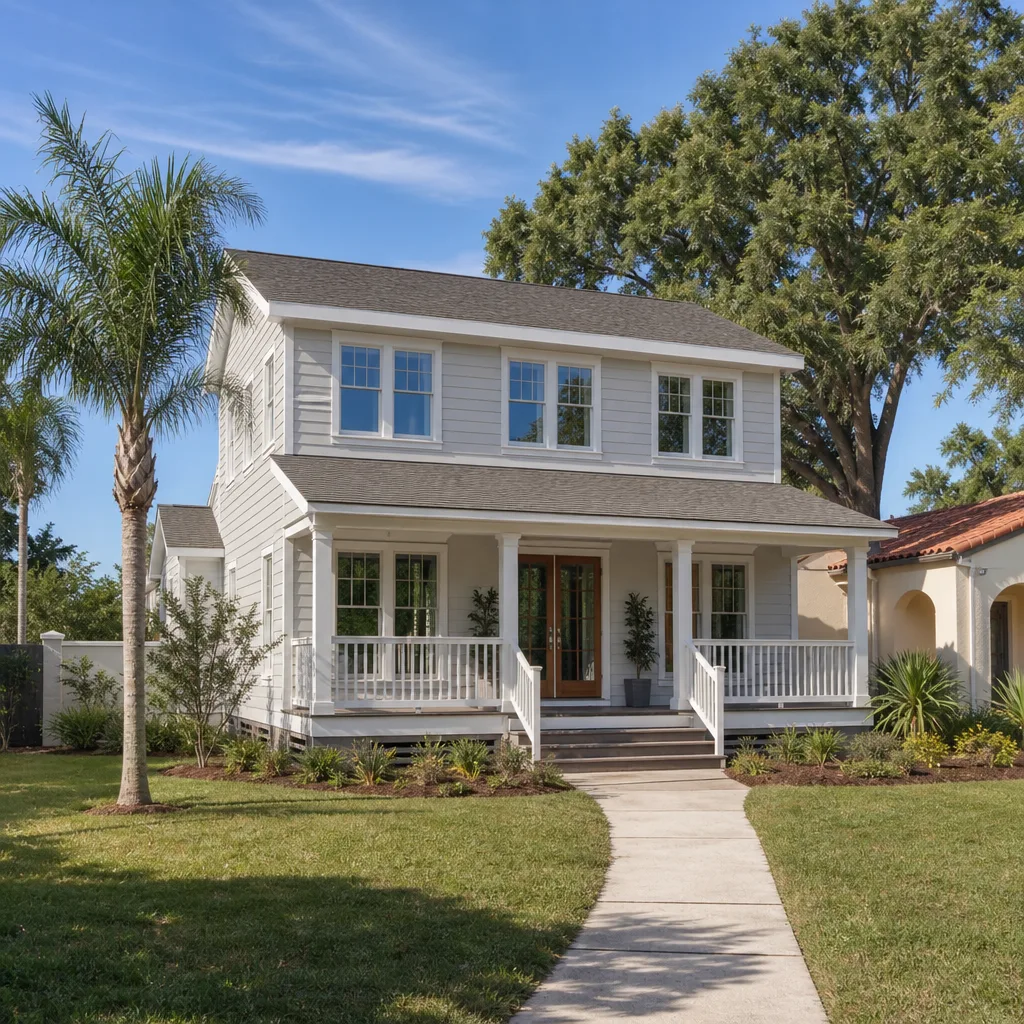
San Juan Capistrano is one of Orange County’s oldest continuously inhabited towns, and that shapes ADU work here in ways that don’t show up in Laguna Niguel or Ladera Ranch. Any exterior element visible from the street in the historic downtown and Mission corridors can trigger Cultural Heritage Commission review, which adds weeks to the front end of a project. On properties near the Mission San Juan Capistrano grounds and the older adobe structures, documentation is stricter and material matches matter. We build this review time into the schedule from day one so the site work isn’t sitting idle waiting on an approval.
Housing stock here is unusually wide: 18th- and 19th-century adobe, early-20th-century Craftsman and Spanish Colonial Revival homes downtown, mid-century ranch tract homes on the outskirts, and newer master-planned homes in San Juan Hills. Adobe walls need traditional earthen material matches; modern stucco-and-tile homes in ZIP codes 92675 and 92693 need standard trenching and slab work. The marine climate adds UV degradation on exterior finishes and winter rain intrusion at aged roofs and adobe walls, so drainage detail gets more attention here than inland. We cover the full San Juan Capistrano area and the surrounding communities.
This prep work sits inside a wider scope; if you’re planning more, start from Home Additions & ADU in San Juan Capistrano to see how the whole project fits together, or read our broader Home Additions & ADU service overview. Homeowners often pair this with Full Bathroom Remodeling in San Juan Capistrano to get the main house ready for the change.
Serving San Juan Capistrano, CA – Our Local Coverage Area
We serve San Juan Capistrano and nearby communities. Use the map below to see the area we cover. If you’re nearby, we can almost certainly help.
Frequently asked – ADU Site Prep & Utilities in San Juan Capistrano
Six to ten weeks from staking to foundation pour on most San Juan Capistrano lots, with historic-corridor review possibly adding several weeks before that clock starts. Slope and utility distance are the two variables that push it longer.
Yes. Grading, drainage, utility connections, and the foundation all require permits and inspection. We pull the permits and manage the inspection sequence so nothing gets covered up before it’s signed off.
Sometimes. If the ADU ties into an existing lateral and panel with spare capacity, no relocation is needed. A separate meter or a full service upgrade is a different scope. We check capacity before quoting.
$45,000 – $130,000 for the site work and utilities phase. Call (888) 255-9354 for an exact quote; estimates are free.
Every project we do carries the 730-Day Done Right Promise. If it’s not done right, we make it right. Our technicians have up to 12 years of experience.
Get a free on-site estimate for your ADU site prep in San Juan Capistrano
Call (888) 255-9354 for a free estimate on ADU site prep & utilities in San Juan Capistrano. A live person answers 24/7, and we’ll schedule a walk-through, review your lot, and hand you a written line-item quote with a fixed price you can plan against. Financing is available at 0% for 18 months, plus $1,000 off projects over $10,000.
Written by the team at Groundwork Construction Co.