Free written scope consultation - allowances, timeline, and change-order rules on paper before a single trade is scheduled
Styles & brands we work with
- Kitchen remodeling
- Bathroom remodeling
- Home additions & ADU
- Roofing
- Windows & doors
- Driveway & pavers
- Fence
See the difference
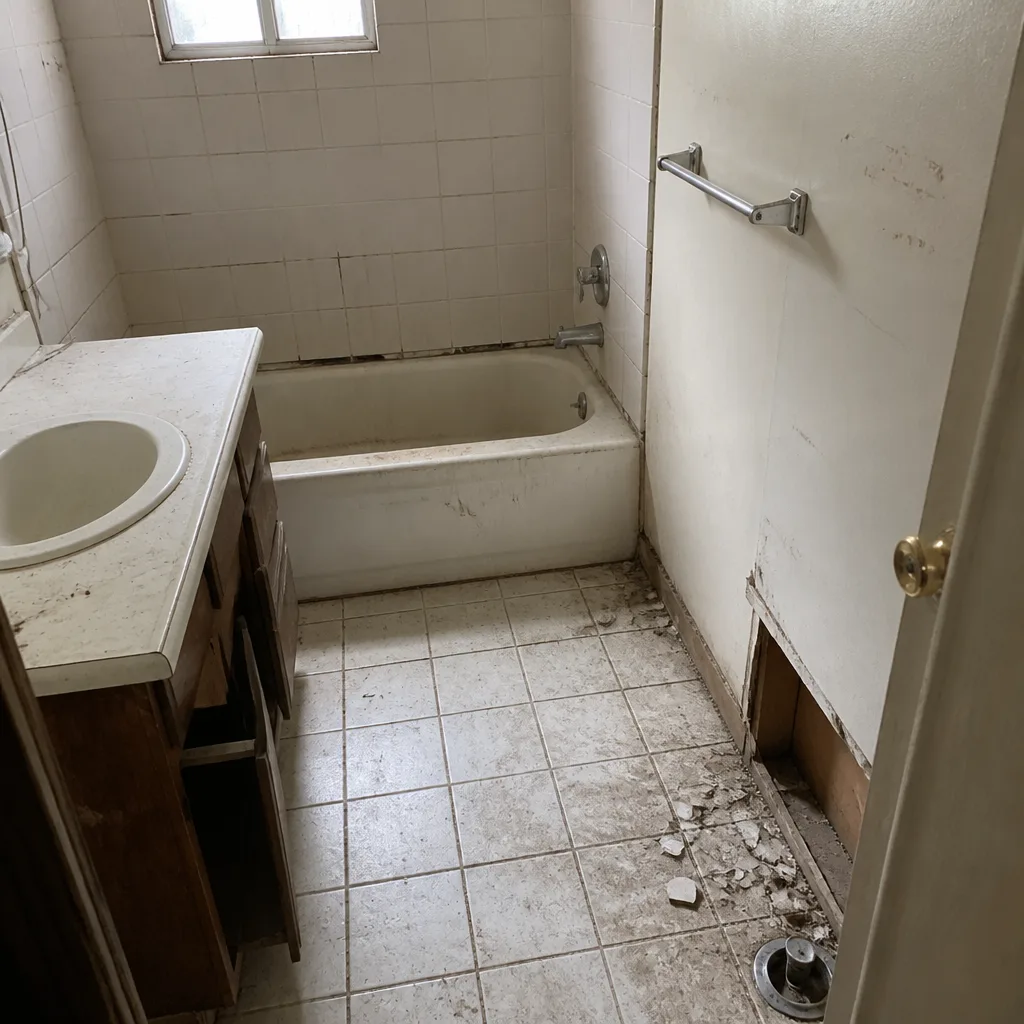 Before
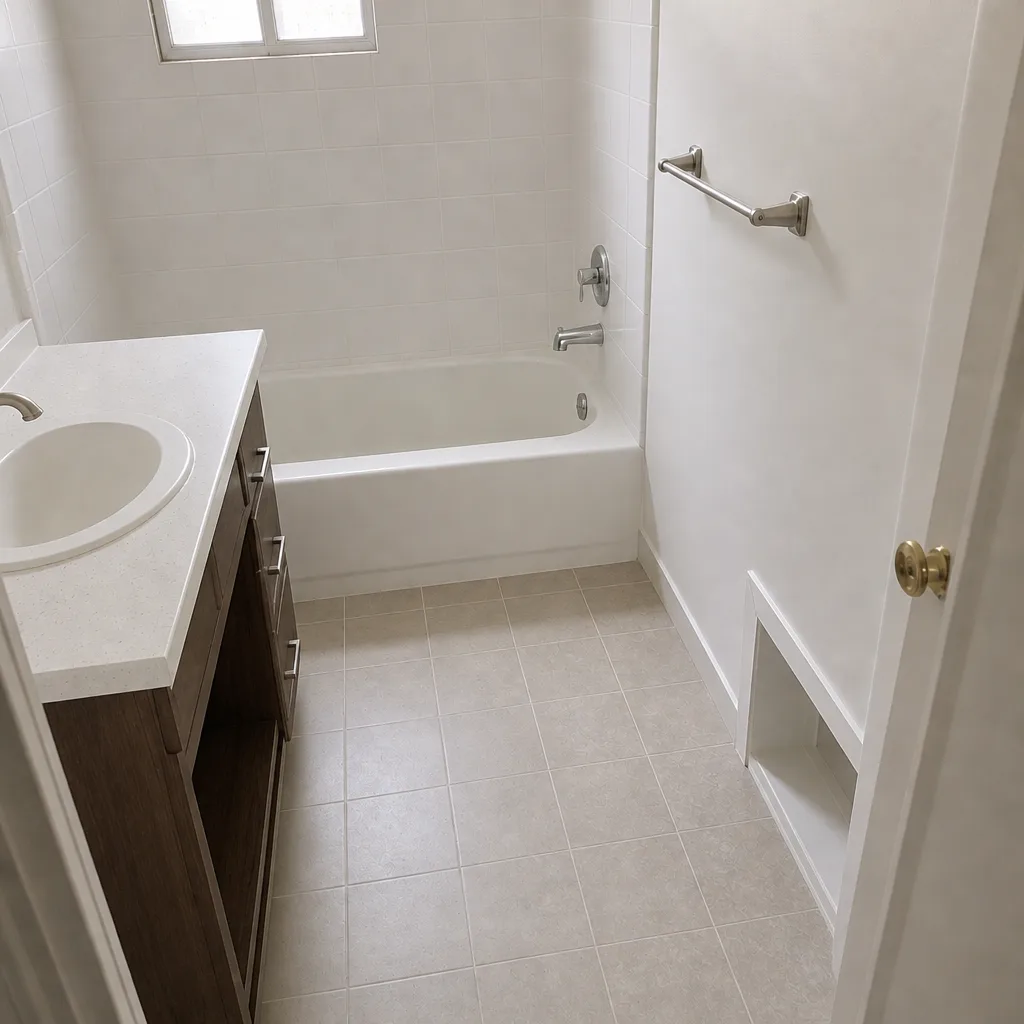 After
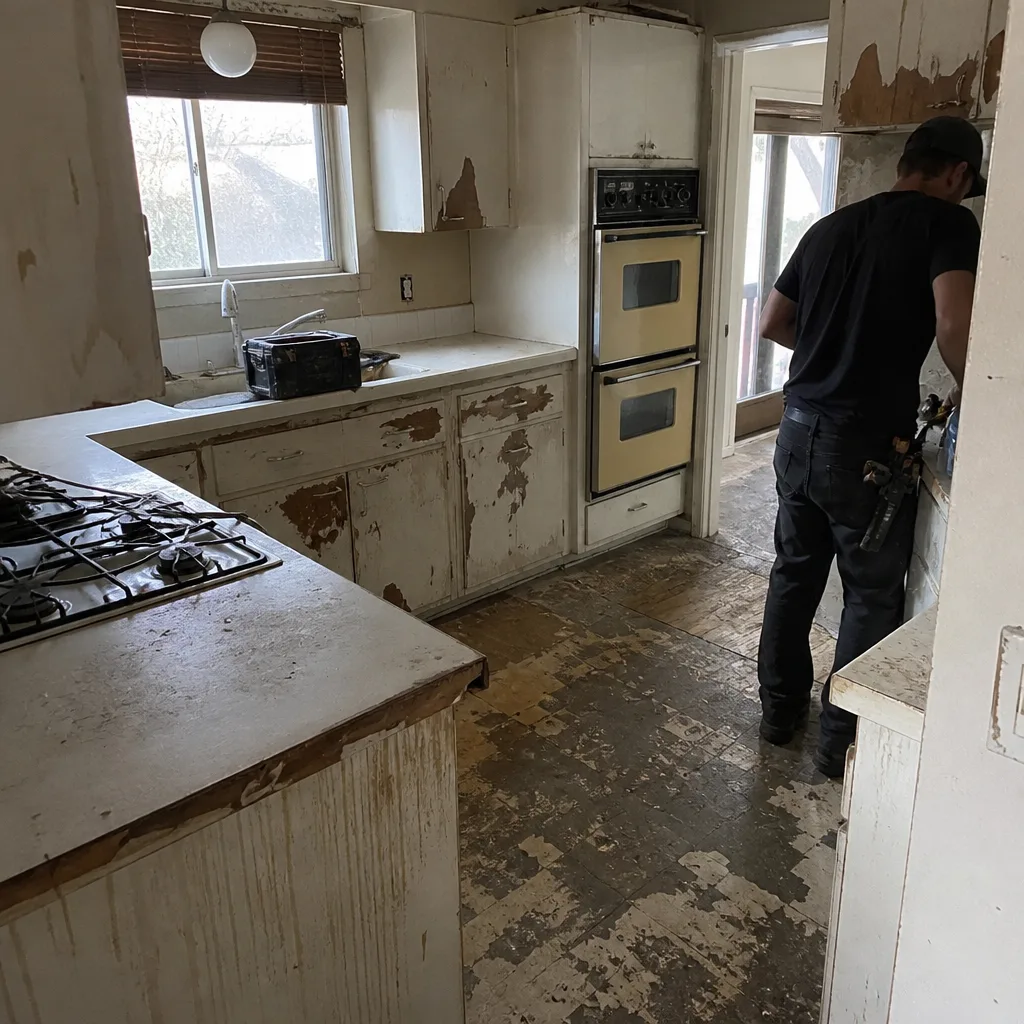 Before
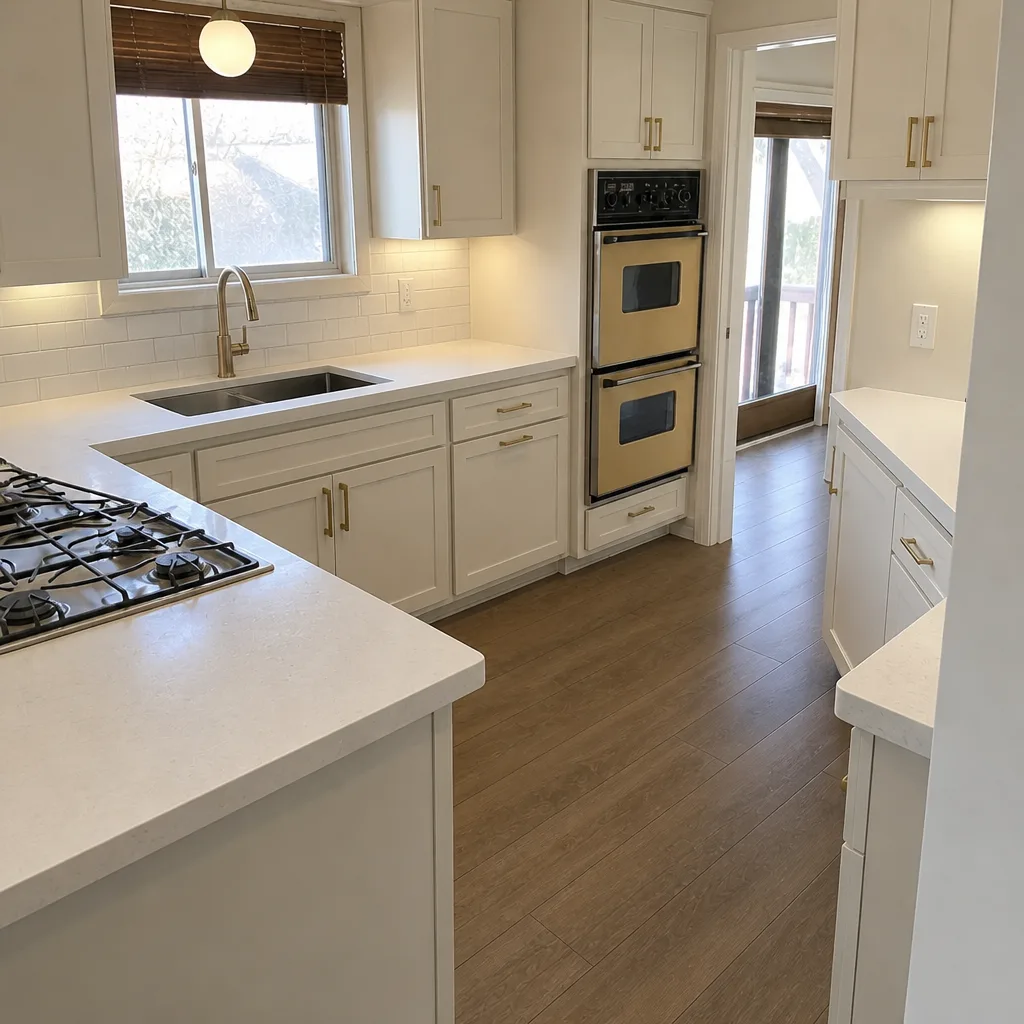 After
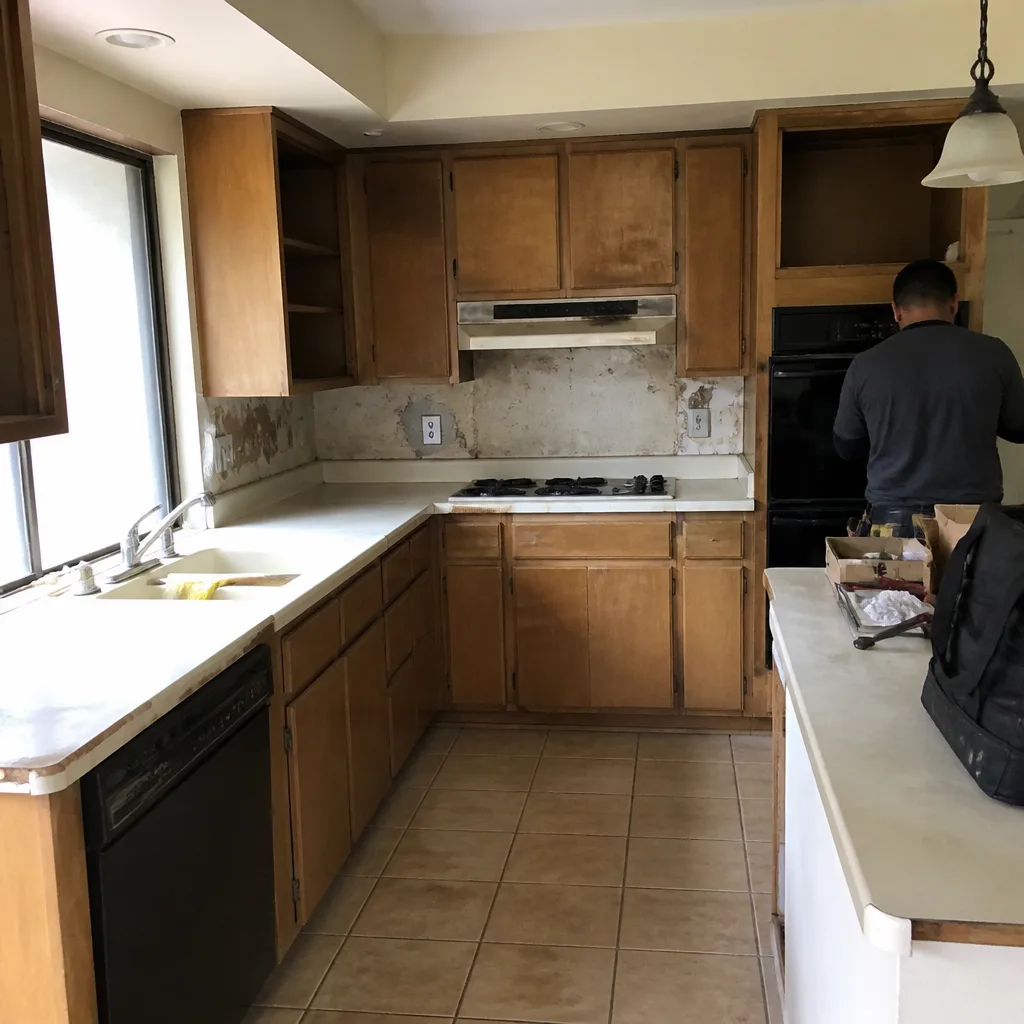 Before
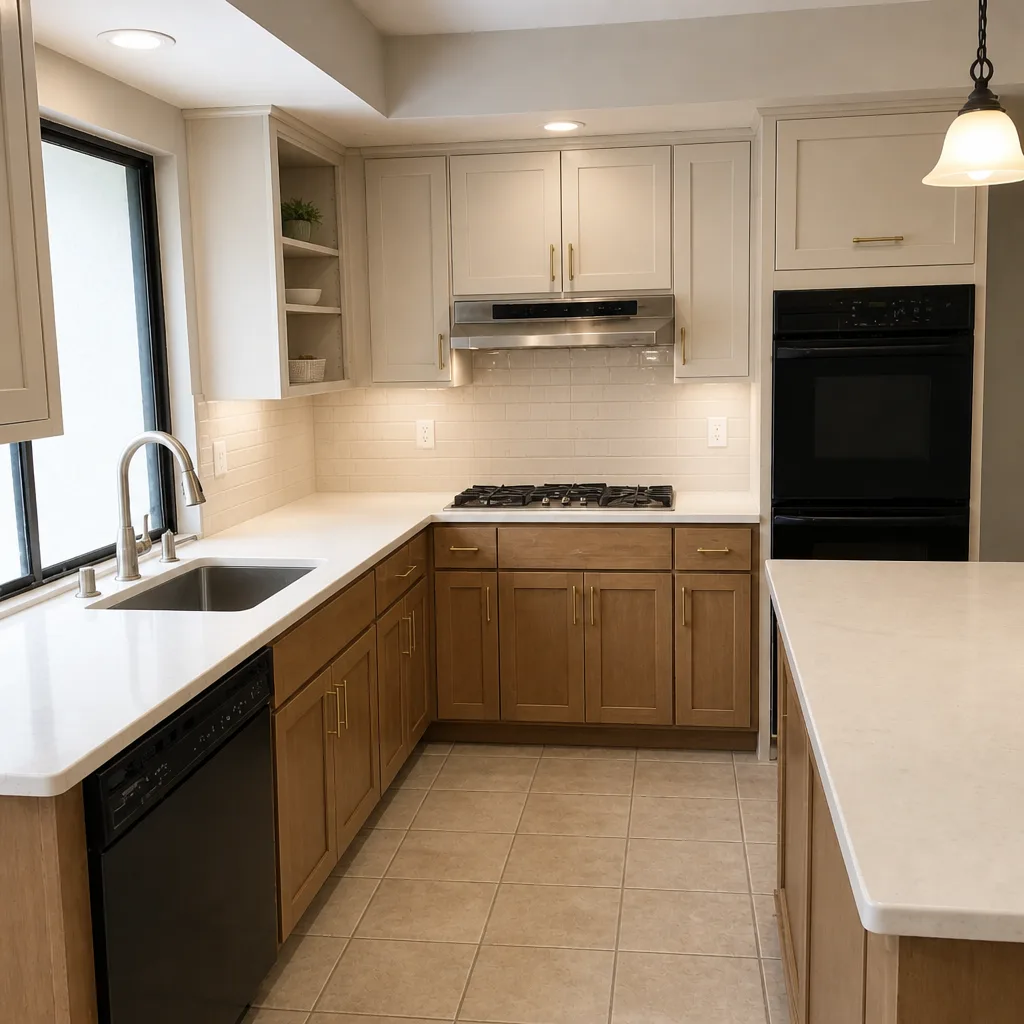 After
How Long Does a Paver Driveway Last in Yorba Linda, CA?
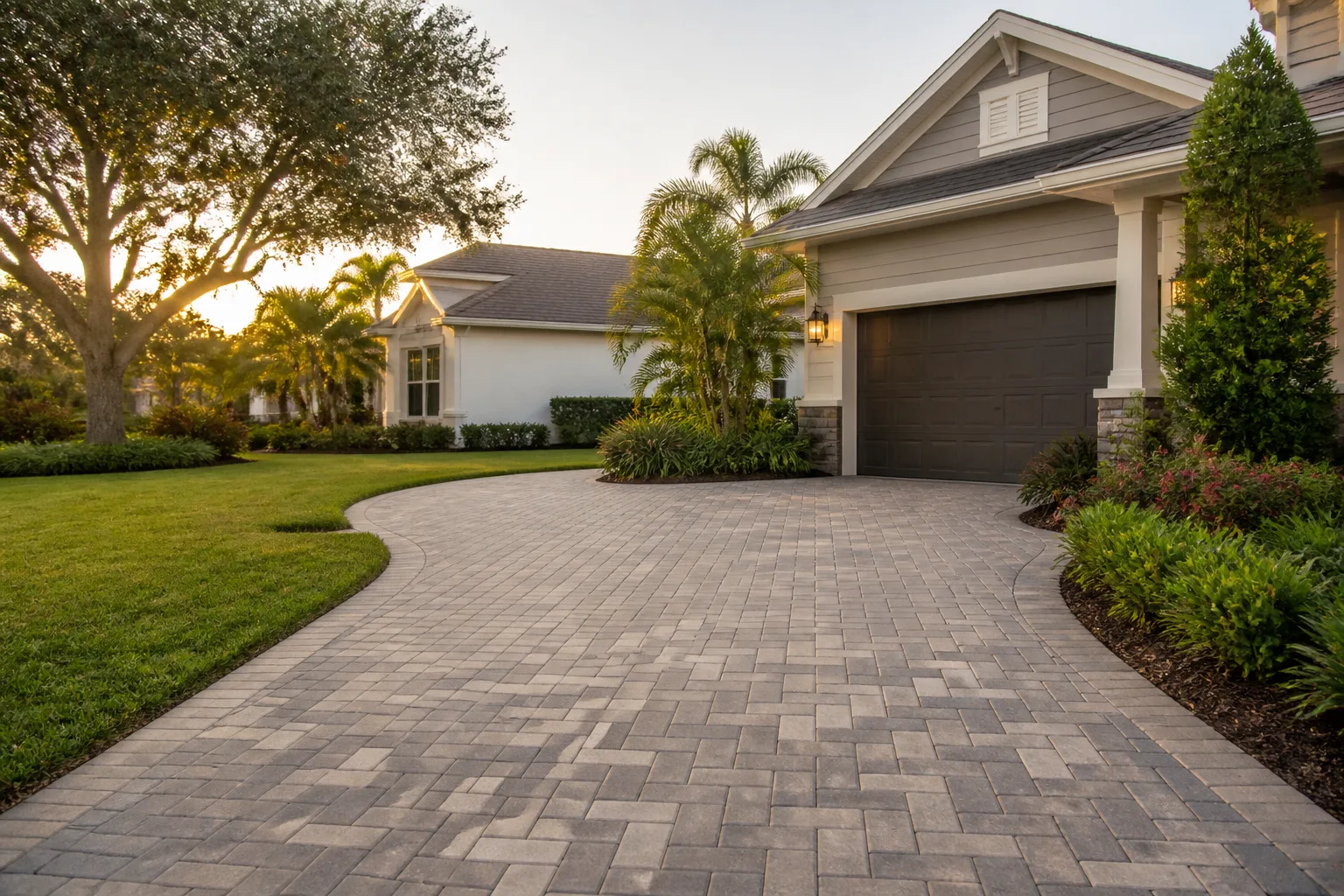
A paver driveway in Yorba Linda should last 25 to 50 years when it’s built on a properly engineered base. On this city’s expansive clay and sloped lots, the pavers rarely determine that number. The base does. Get the base wrong and you’ll see rocking, heaving and joint sand loss within 3 to 5 years. Build it right on the same lot and the driveway outlasts the house.
If your driveway is already moving, or you’re pricing a new one and want the base built to spec, call Groundwork Construction Co. of Yorba Linda at (888) 255-9354. Calls are answered by a live person, 24/7, and the estimate is free.
Key Takeaways
- Paver lifespan is a base question, not a paver question. Clay soil and slope turn a 40-year driveway into a 4-year one.
- Yorba Linda’s hillside lots fail in three predictable ways: clay heave, lateral migration of base aggregate, and channeled water infiltration.
- A correctly built base runs 6 to 8 inches of compacted Class II aggregate over geotextile fabric. Low-bid crews skip the fabric and compact in one pass.
- Because pavers are modular, a heaved section can be releveled and reset without replacing the surface, but only if the original base was sound.
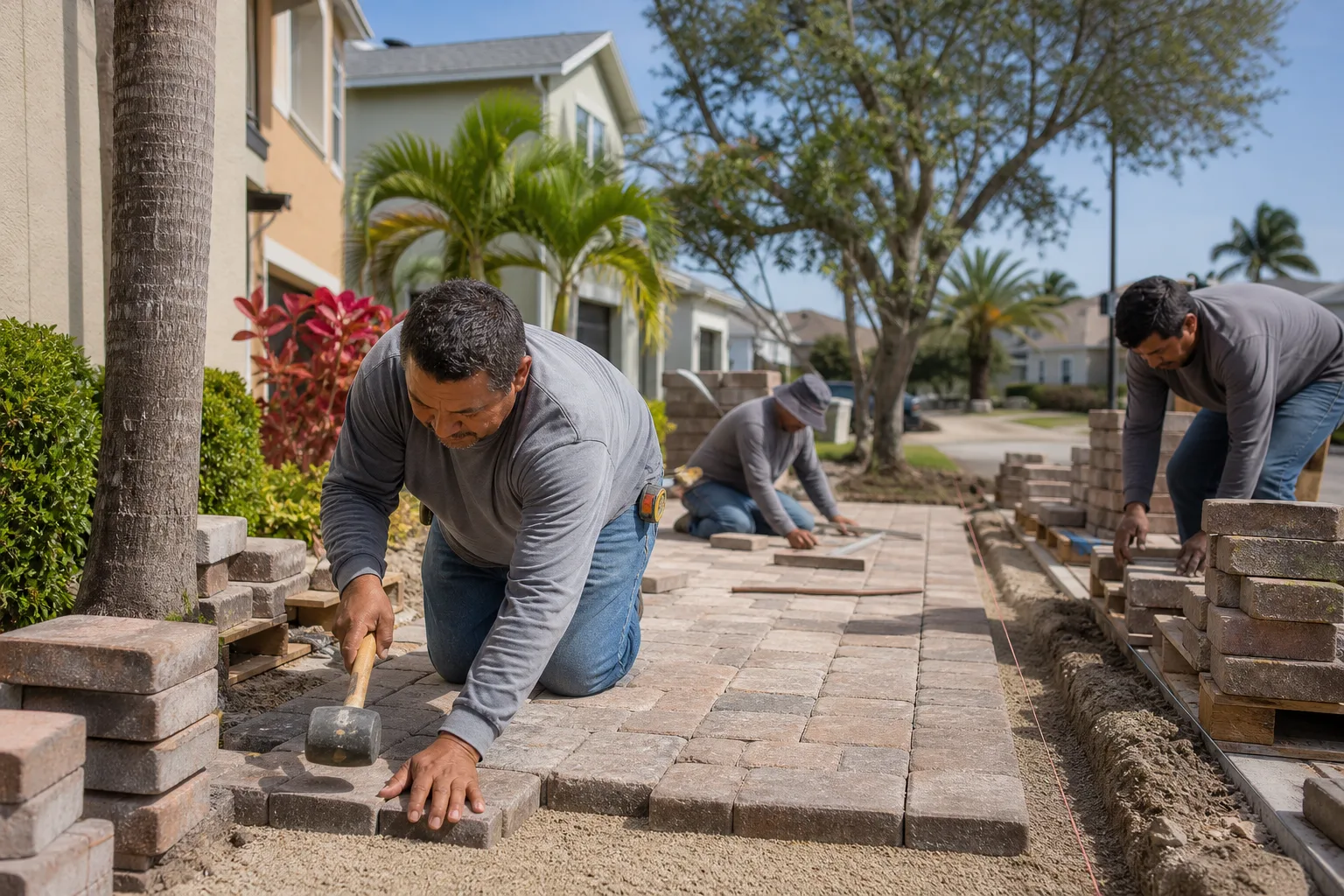
The Three Ways a Yorba Linda Paver Driveway Fails Early
Nearly every lot in this city sits on some grade. Hillside streets off Imperial Highway and Yorba Linda Boulevard are the obvious ones, but even the flatter-looking tracts platted during the 1960s through 1980s carry clay soils that move with the seasons. That combination produces three distinct failure modes, and each one shortens lifespan on its own.
Clay heave. Yorba Linda’s expansive clay swells when it takes on winter moisture and shrinks through the hot, dry summers. That cycle pushes up under the driveway in places and drops away in others. Pavers are rigid. The ground beneath them isn’t. When the base isn’t thick enough or isn’t separated from the subgrade, the surface starts to crown and dip within a few seasons.
Lateral migration. On any slope, the aggregate base wants to creep downhill. Without pinned edge restraint holding the whole assembly in place, the base gradually shifts and the pavers along the grade start opening at the joints. Once water gets into those joints, the creep accelerates. A driveway that was tight at installation starts looking like a loose puzzle in year four or five.
Channeled water infiltration. Winter rain here arrives in a few intense storms rather than a steady drizzle, and the burn scars left by the 2008 Freeway Complex fire still shape how runoff moves across the slopes above town. Water that sheets off a hillside and finds a low spot at the driveway edge will work its way under the pavers. Once it’s in the base, it washes out fines, creates voids, and the surface settles over them.
What a Correct Base Looks Like on a Yorba Linda Slope
This is the part of the job nobody photographs, and it’s the part that decides whether you get 40 years or 4. A properly built paver driveway on a Yorba Linda hillside lot has five components, in order:
- Geotextile separation fabric laid over the excavated subgrade. It keeps clay fines from pumping up into the aggregate and keeps the base draining. Low-bid crews skip it because it’s invisible and it costs a few hundred dollars.
- 6 to 8 inches of Class II aggregate base, placed and compacted in lifts of 2 to 3 inches with a plate compactor. One deep pour compacted once does not achieve the same density, no matter how long the crew runs the machine.
- 1 inch of bedding sand, screeded flat, that the pavers sit on.
- Perimeter edge restraint pinned into the aggregate, not just spiked into the soil. This is what resists lateral migration on a grade.
- Drainage designed for the lot. On a slope, that usually means a channel drain or a grade break that moves water around the driveway instead of across it.
The low-bid version of the same job is 4 inches of base, no fabric, restraint spiked into dirt, and no drainage plan. It looks identical the day it’s finished. It tells you which one you got about three winters later.
What a Full Installation Runs in Yorba Linda
Paver driveway installation in Yorba Linda runs $7,000 to $18,000 depending on square footage, slope, and how much excavation the lot needs. A driveway replacement that includes removing an old surface and correcting a failed base typically lands in the $5,000 to $14,000 range on top of the paver work.
| Scope | Typical Yorba Linda Range |
|---|---|
| Paver driveway installation | $7,000 - $18,000 |
| Driveway replacement (demo + rebuild) | $5,000 - $14,000 |
| Concrete driveway installation (for comparison) | $4,500 - $12,000 |
| Driveway sealing | $250 - $700 |
Our technicians have up to 12 years of experience building driveways on clay and slope, and the base specification for your lot goes into the estimate in writing before anyone breaks ground. Upfront pricing, no surprises. If you’re comparing options, our Driveway & Pavers page covers materials and finishes, and the Driveway & Pavers in Yorba Linda page covers what changes on hillside lots specifically.
Why Modular Pavers Buy You Extra Decades
Most pages mention that pavers can be replaced individually and stop there. Here’s the part that matters. A section that heaves can be lifted, the base underneath re-compacted or rebuilt, and the same pavers reset. Nothing gets thrown away. Compare that to concrete, where a settled slab gets broken out and replaced.
That advantage only exists if the base was built right in the first place. Reset a section over a bad base and you’ll be back in the same spot in two years. When a driveway is built to the spec above, one localized repair is a half-day job rather than a full replacement.
Yorba Linda’s post-fire erosion history adds one maintenance item worth knowing. After a significant rain event, walk the driveway and look for joint sand washing out, pavers that sound hollow underfoot, or soil staining at the downhill edge. One small low spot after a storm is normal and worth watching. Two or more heaved areas, or a section that’s visibly tilted, means the base has moved and it should be inspected before the next wet season.
Every project we complete is covered by the 730-Day Done Right Promise. If base settlement causes paver movement within that window, we correct it. The base spec is documented so you know exactly what was built and can hold anyone who touches it later to the same standard. From foundation to finish line, built to last, backed in writing.
Common Local Scenarios We See
Original 1970s tract driveway on a slight grade
The existing concrete is cracked and the homeowner assumes pavers will solve it. They won’t unless the subgrade is corrected first. Expansive clay under a 50-year-old slab has usually already moved, and the paver base needs to account for that.
Hillside lot with a steep apron
Steep aprons are where lateral migration shows up first. Edge restraint pinned into aggregate, plus a grade break at the top of the slope, is what keeps the assembly locked in.
Driveway that drains toward the garage
Common on lots graded before modern drainage practice. A channel drain at the apron solves it. Paving over the problem makes it worse.
Driveway downhill from a burn-scar slope
Runoff carrying debris and sediment off the hillside finds the driveway edge first. A post-storm inspection after heavy rain is the practical answer.
FAQs
A properly built paver driveway in Yorba Linda lasts 25 to 50 years. The pavers themselves often hold up longer than that. The base is what sets the number, and on clay hillside lots a base built to spec is the difference between decades and a handful of years. Call (888) 255-9354 for a free estimate and a written base spec for your lot.
Shifting that early almost always points to a base problem, not a paver problem. Expansive clay, missing edge restraint, or water getting under the surface are the usual culprits in Yorba Linda. An inspection will tell you which one, and whether a localized reset is enough. Estimates are free.
No. Because pavers are modular, a heaved section can be lifted, the base rebuilt, and the same pavers reset. The rest of the driveway stays untouched. This works as long as the surrounding base is sound, which is why the original build matters so much.
Repair is almost always cheaper when the failure is localized and the base underneath is sound. Replacement makes more sense when movement shows up across multiple sections or the base was under-built from the start. We’ll tell you which one you’re looking at before you commit to anything.
Get the Base Right the First Time
If your paver driveway is moving, or you’re planning one and want the base specified for your lot rather than guessed at, Groundwork Construction Co. of Yorba Linda offers a no-pressure assessment in Yorba Linda. Call (888) 255-9354 for a free estimate. Live person, 24/7.
Written by the team at Groundwork Construction Co. of Yorba Linda, serving Yorba Linda, CA.