Free written scope consultation - allowances, timeline, and change-order rules on paper before a single trade is scheduled
Styles & brands we work with
- Kitchen remodeling
- Bathroom remodeling
- Home additions & ADU
- Roofing
- Windows & doors
- Driveway & pavers
- Fence
See the difference
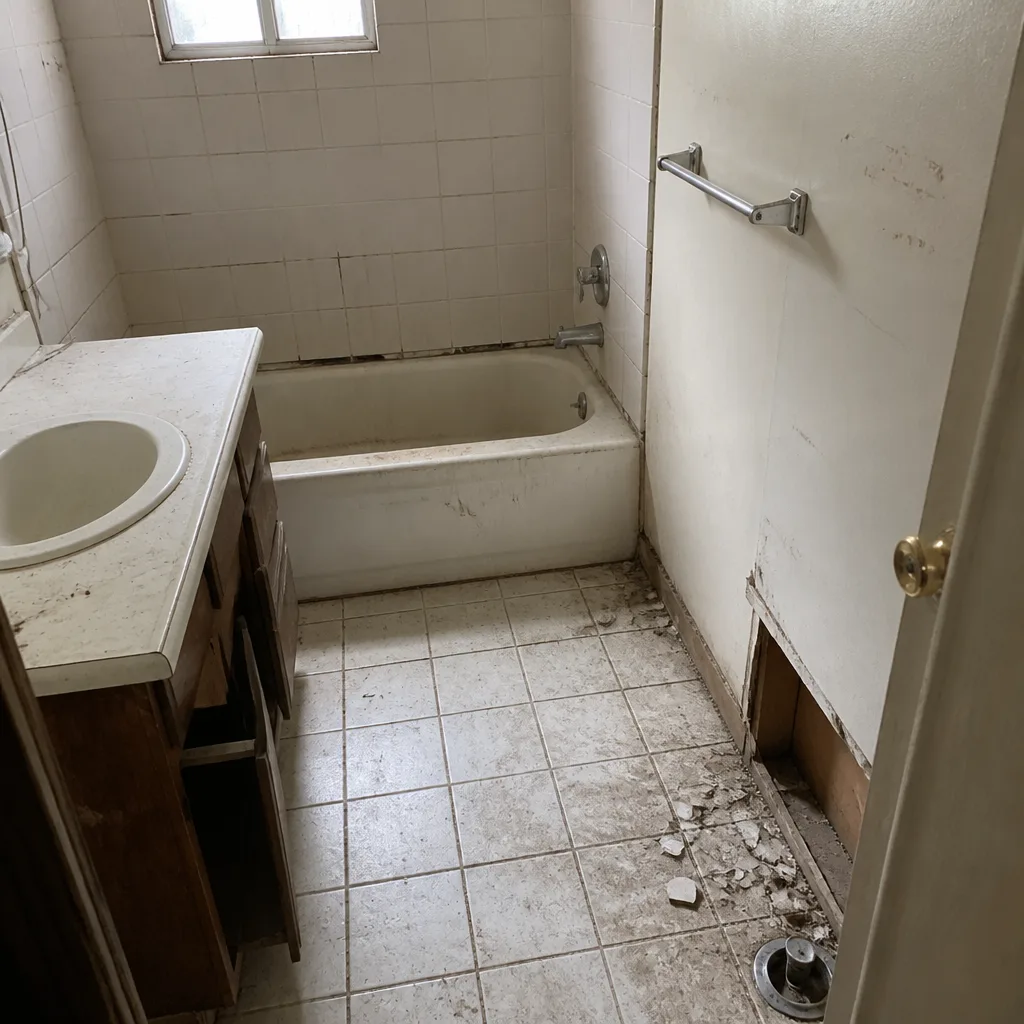 Before
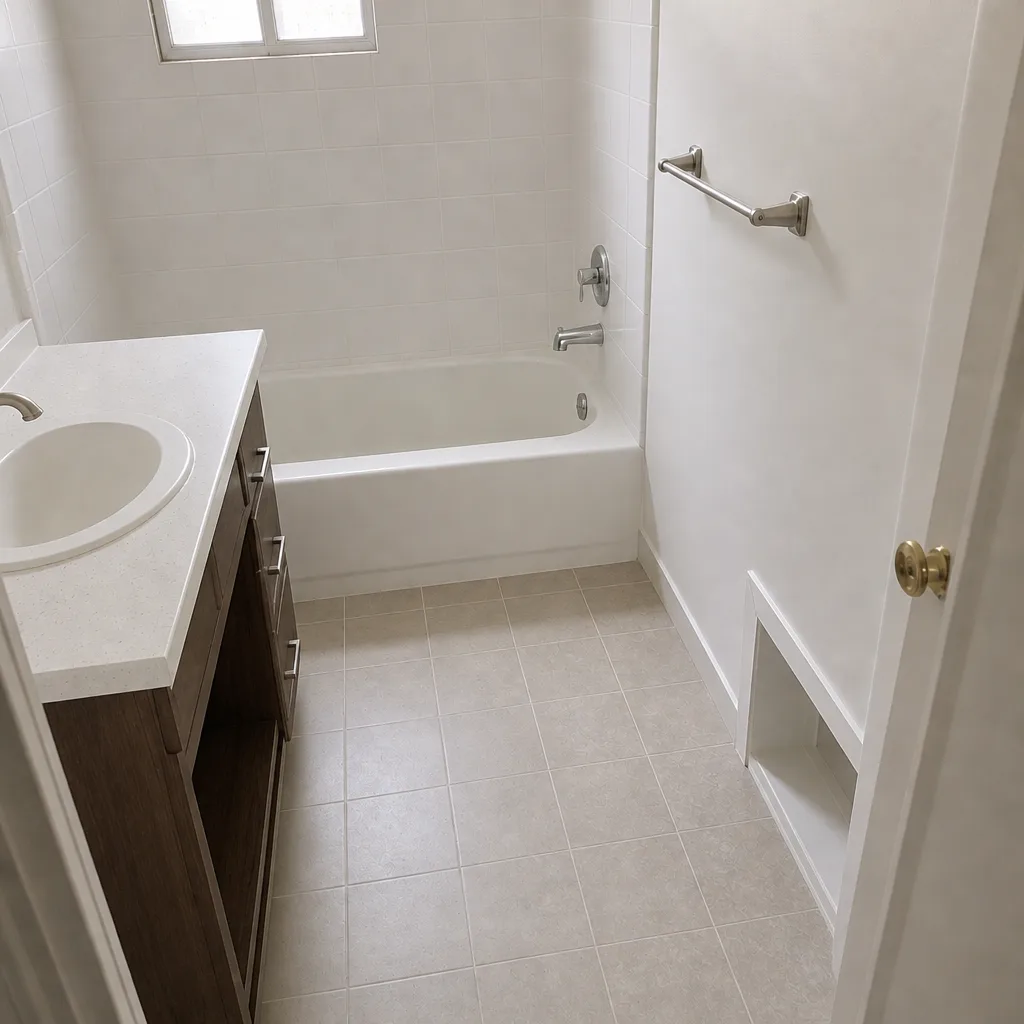 After
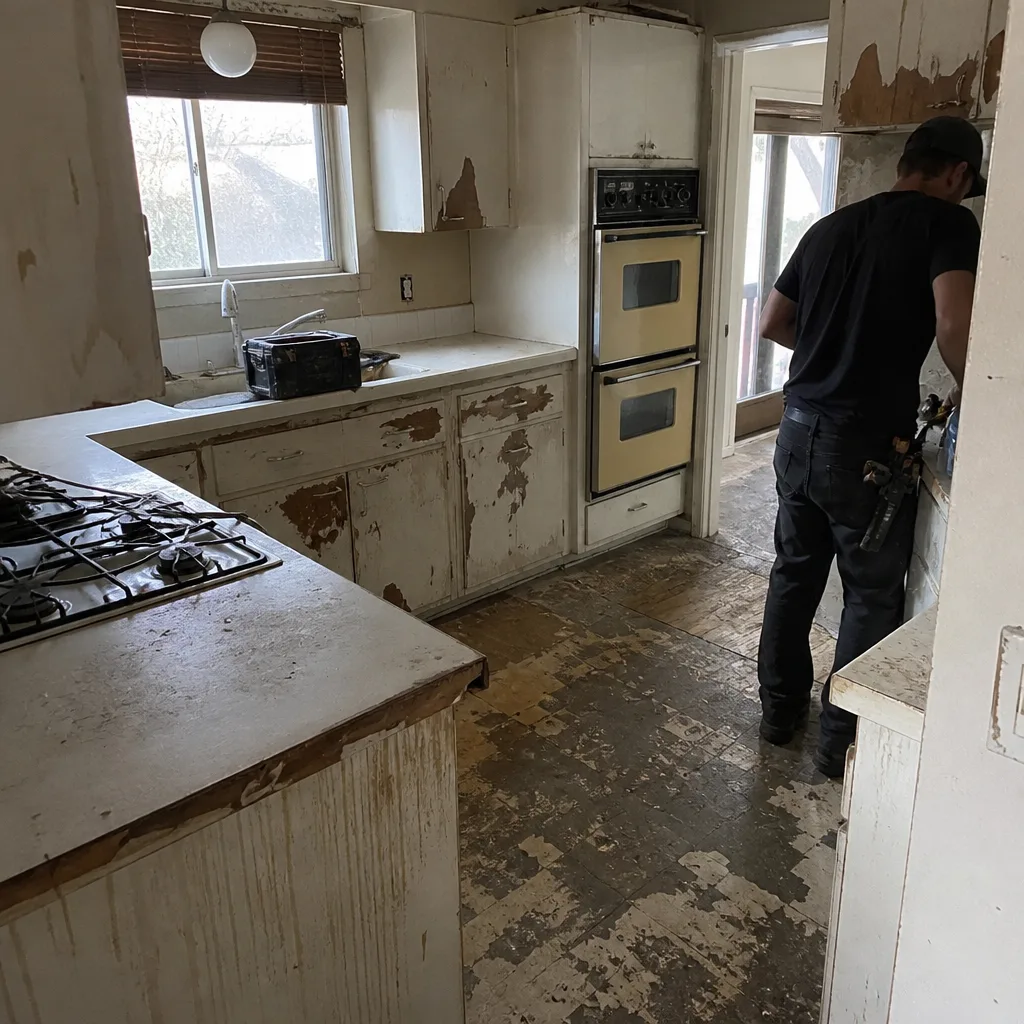 Before
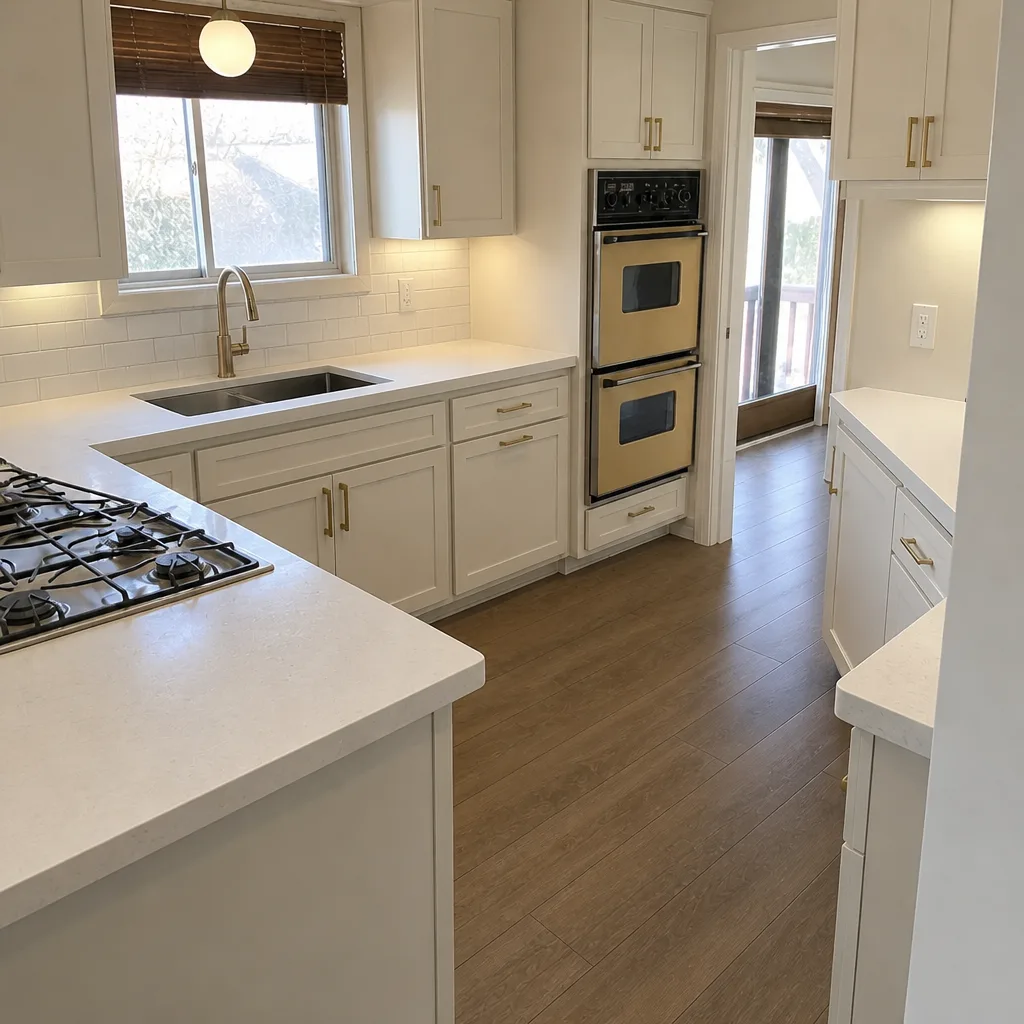 After
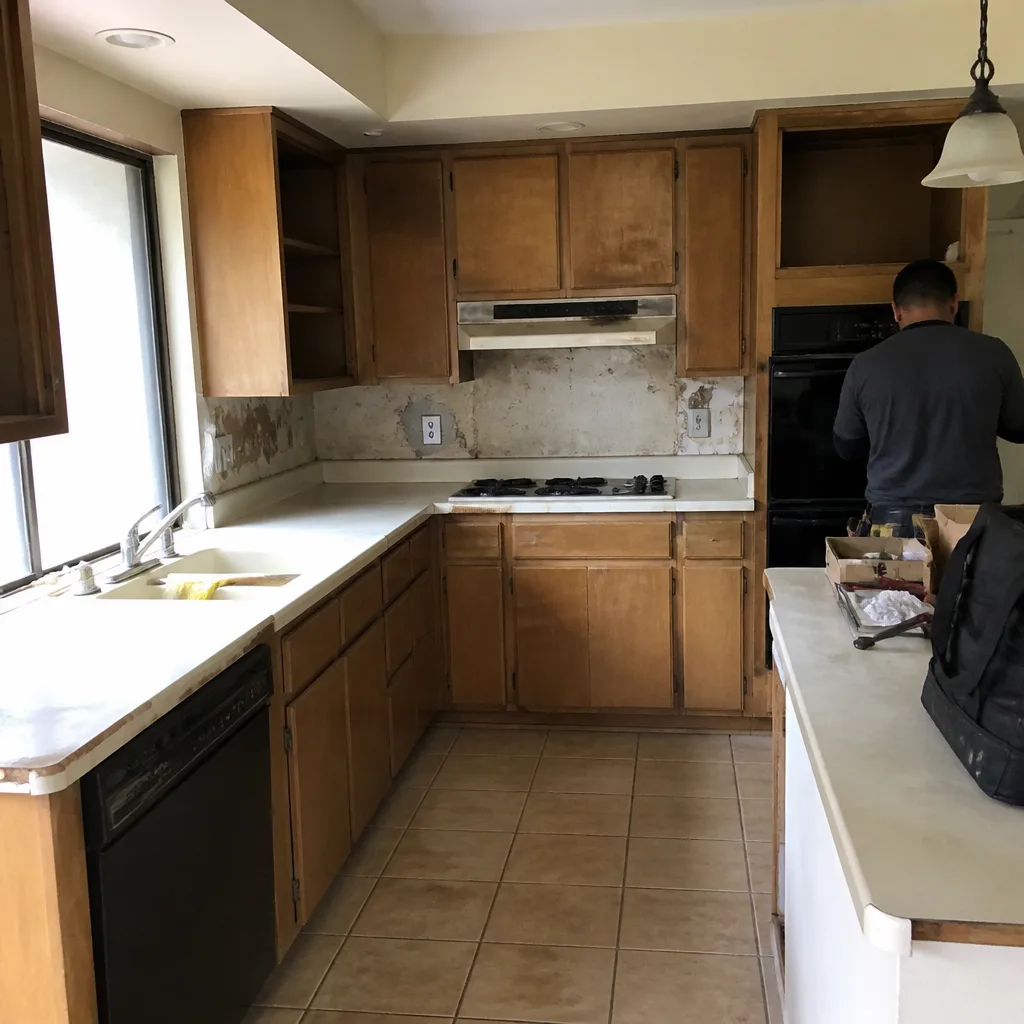 Before
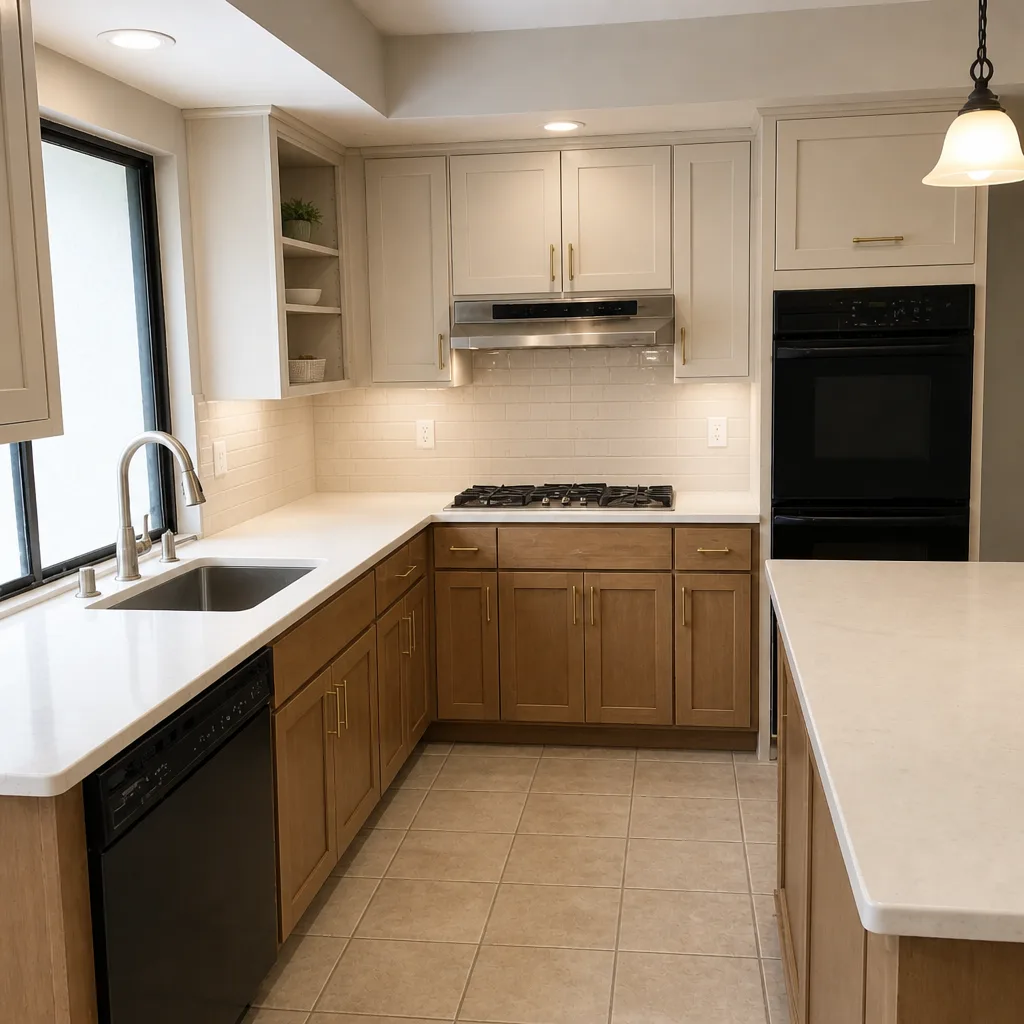 After
Double Hung vs Casement Windows in Yorba Linda: The Hillside Wind Answer
Choose double-hung for most west- and ridge-facing walls in Yorba Linda unless you specifically need the full clear opening or the tighter seal of a casement. The reason isn’t the sales brochure version: on a slope-facing wall where afternoon breeze climbs at 15-20 mph, an open casement catches that wind like a sail, loading the crank operator and weatherstrip in a way a double-hung never has to. Get the orientation wrong and you’ll be replacing hardware, not just glass. Call (888) 255-9354 and we’ll talk through your exposure before you order anything.
Key Takeaways
- Casements are marketed as better ventilators, but on wind-loaded Yorba Linda exposures they stress operator hardware first.
- Double-hung lets you crack just the top sash, which matters during wildfire smoke days in a semi-arid climate.
- Replacing original 1970s aluminum openings with casements often means custom jamb extensions; double-hung inserts usually don’t.
- We spec the hardware grade to the wall’s orientation, not to the cheapest line on the order sheet.
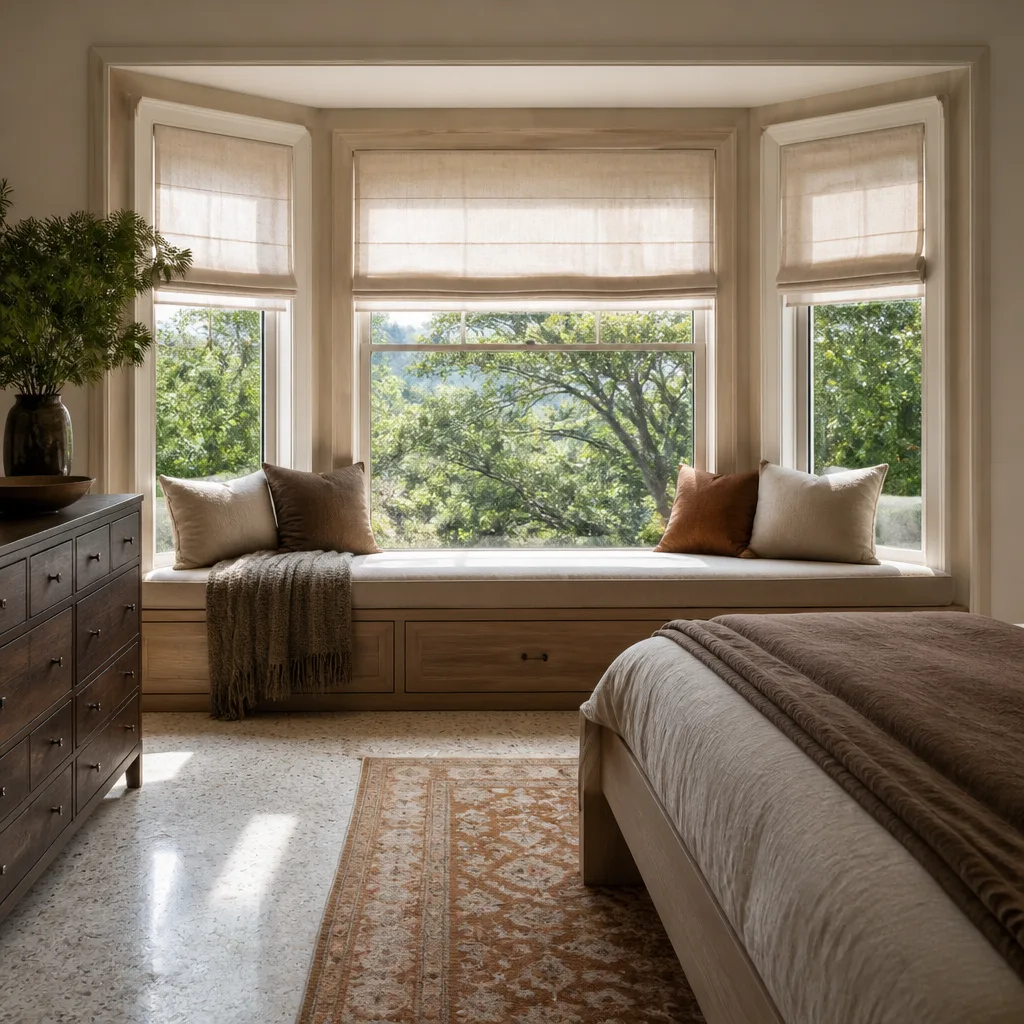
Why the Casement “Ventilation Advantage” Fails on a Yorba Linda Hillside
Walk a ridge-facing wall off Imperial Highway on a July afternoon and you can feel the canyon-channel effect pushing air upslope. That same air hits a fully open casement sash like a flap. Because the sash swings out and hangs off one edge, sustained lateral pressure lands on the crank operator, the hinge arm, and the weatherstrip gasket. Over a few seasons of that, operators get stiff, arms bend, and sashes stop seating flush when shut. A double-hung slides vertically and braces against its own frame, so the same wind does far less damage to the moving parts.
This is the variable most double-hung vs casement comparisons skip. They compare style, cost, and screen visibility, then hand you a chart. On flat ground, that’s fine. In Yorba Linda, where nearly every lot carries some slope, wall orientation is part of the decision. A protected east-facing bedroom wall and an exposed west-facing great room can want different windows in the same house.
Our technicians have up to 12 years of experience reading these exposures, and we spec hardware grade to match. Both Andersen and Marvin engineer their casement operators for coastal and semi-exposed conditions, so the correct fix isn’t avoiding casements entirely; it’s choosing the right operator for the wall you’re actually installing into.
The Ventilation Question Nobody Asks About: Smoke Days
Here’s the counterpoint to the ventilation myth. Yorba Linda sits in a semi-arid climate with hot, dry summers, and the burn scars from the 2008 Freeway Complex fire mean smoke can hang over the city for days at a stretch. On those days you don’t want windows wide open. You want a small amount of controlled air.
A double-hung lets you drop the top sash a few inches and vent from the upper opening while the lower sash stays closed and latched. That’s a practical middle ground a casement can’t match: a casement is either cracked slightly on its crank or swung wide, and the wide position is exactly what you’re trying to avoid when the air outside is bad. For a homeowner who wants ventilation flexibility across a fire season, that top-sash option earns its place.
Our full Windows & Doors service covers both styles across every exposure, and the short version of how we approach it is this: match the window to the wall, the climate, and how you actually live in the room.
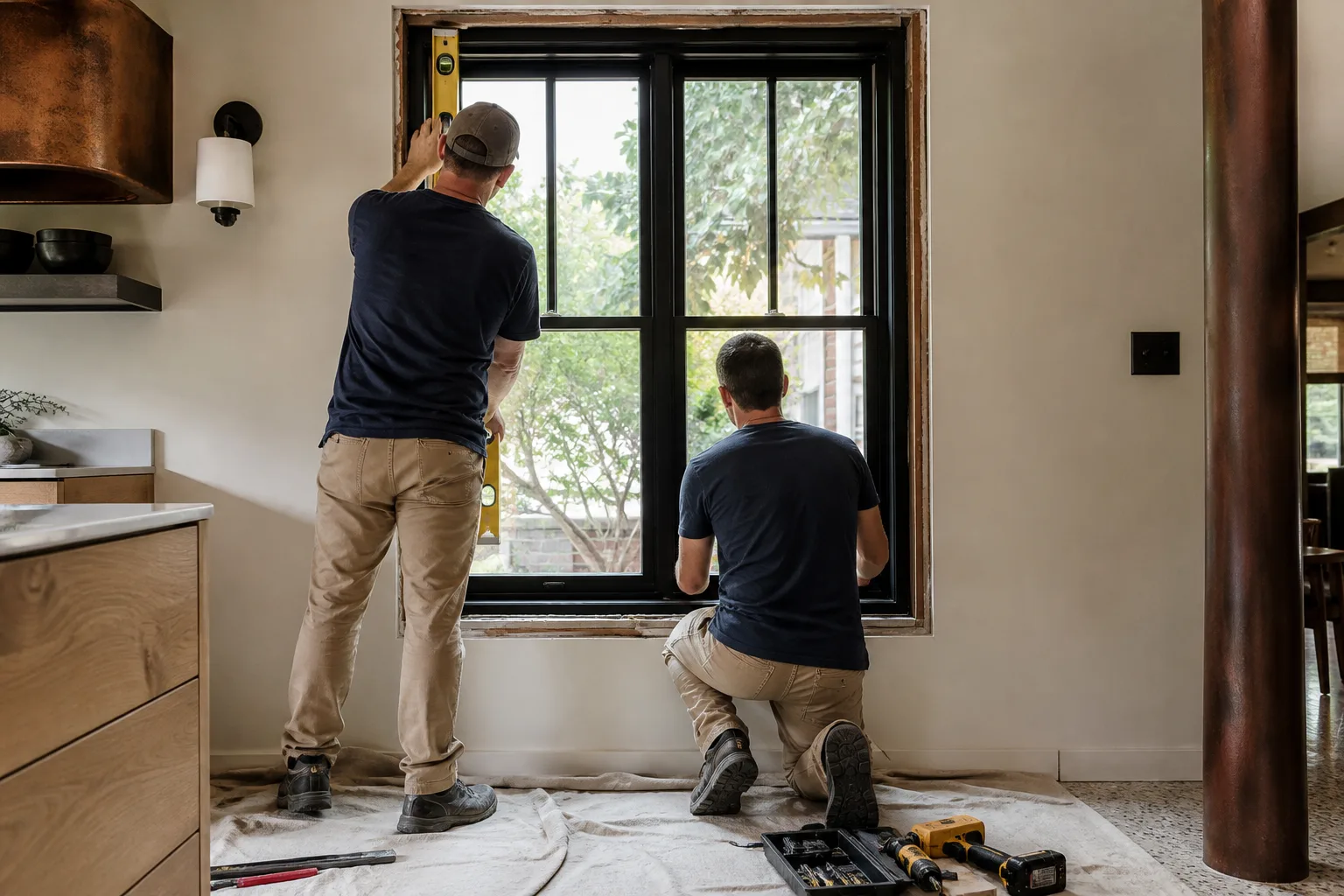
Double Hung vs Casement: The Yorba Linda Comparison
| Factor | Double-Hung | Casement |
|---|---|---|
| Wind load on hardware (open) | Braces against frame; low stress | Acts as a sail; stresses operator and gasket |
| Smoke-day ventilation | Top-sash-only option | Cracked or wide; no partial option |
| Rough-opening fit | Insert replacement usually avoids extra framing | Often needs custom-width jamb extensions in 1970s aluminum openings |
| Full clear opening | Half the wall | Nearly the whole opening |
| Seal when closed | Good | Tighter (single continuous gasket) |
| Best Yorba Linda use | Ridge- and west-facing walls, bedrooms, smoke-season rooms | Protected exposures, egress needs, view walls |
Where casement wins cleanly is a protected wall where you want the window to disappear: a view out to a canyon, or a spot that needs the full opening for egress. On the exposed slope-facing side, double-hung is the more honest long-term choice.
The Stucco and Rough-Opening Reality in 1970s Tract Homes
Housing stock matters as much as wind here. A large share of Yorba Linda’s tract homes went up in the 1960s through the 1980s with original stucco and wood-frame construction, and many still wear their original aluminum windows. Those original rough openings were sized generously. Drop a casement into one and it frequently doesn’t fill the opening, so the install needs custom-width jamb extensions and extra finish work to close the gap and keep the stucco line clean.
A double-hung insert replacement typically slides into the existing frame and skips that step. It’s one of the real cost differences the spec sheets leave out.
Set realistic expectations on budget. For Yorba Linda, standard window replacement runs $4,500-$15,000, and impact window installation runs $8,000-$25,000. Custom jamb extensions on a casement job push you toward the upper end of both ranges. That’s upfront pricing, no surprises: we quote the framing and finish work, not just the unit. Projects over $10,000 also qualify for $1,000 off, and 0% financing for 18 months is available. The work is backed by our 730-Day Done Right Promise.
One more local note that shapes window and door work on these homes: hillside lots platted in that same tract boom now face 50-year-old retaining walls and drainage systems, and geotechnical review is routine even on modest remodels. It’s a reminder that on a Yorba Linda slope, the envelope of the house and the ground under it are always part of the same conversation. See our Yorba Linda service area page for how we handle hillside specifics, or our home page for the full scope of what we build.
A Strained Operator After a Wind Event? We Answer the Phone
We get a specific kind of call after a Santa Ana push or a strong onshore afternoon: a casement crank that suddenly grabs, a sash that won’t seat, a gasket whistling at the edge. The homeowner usually calls in the evening, after the wind has done its work and they’ve noticed the draft.
That’s a live person, 24/7, not a voicemail that waits until Monday. We’ll talk through what’s happening, tell you whether it’s a hardware issue or a seating issue, and get someone out to look. It’s the difference between catching a bent operator arm early and discovering it months later with water staining behind the drywall.
If you’re planning a full window and door project rather than a repair, our background-checked, uniformed technicians handle the install and the finish, and we carry a curated set of top-tier brands so you’re choosing quality, not just whatever’s in stock. Toto, Schluter, and Grohe round out the finish side on the bath and kitchen projects that often run alongside a window job.
FAQs
Not necessarily, and on exposed hillside walls they can be worse. A casement gives a larger clear opening, but on a wind-loaded, ridge-facing wall it catches upslope breeze and stresses the operator hardware. A double-hung’s top-sash option gives you controlled ventilation that works better during wildfire smoke days. Call (888) 255-9354 and we’ll match the style to your wall’s exposure rather than a generic chart.
Standard window replacement in Yorba Linda runs $4,500-$15,000, and impact window installation runs $8,000-$25,000. Casements often land higher within those ranges because original 1970s aluminum openings frequently need custom-width jamb extensions, which adds framing and finish labor. Double-hung insert replacements usually skip that step. For an exact number on your home, call (888) 255-9354; estimates are free.
Double-hung generally holds up better on wind-loaded exposures. Its sashes slide within the frame, so lateral wind pressure doesn’t load a crank arm or hinge the way an open casement does. That said, a casement with the right hardware grade, like the operators Andersen and Marvin engineer for semi-exposed conditions, performs well on protected walls. We spec the grade to your orientation, not to the cheapest unit.
In most cases, yes, and catching it early matters more than the repair itself. A bent operator arm or a gasket that won’t seat is a manageable fix; left alone through a rainy season, it turns into water intrusion behind stucco. Call (888) 255-9354 and you’ll reach a real person the same evening, even after a wind event has shut everything else down for the day.
If you’d rather have it looked at, Groundwork Construction Co. of Yorba Linda offers a no-pressure assessment in Yorba Linda. We’ll walk your exposures, tell you which walls want double-hung and which can take casement, and give you a clear number. Call (888) 255-9354 for a free estimate.
Written by the team at Groundwork Construction Co. of Yorba Linda, serving Yorba Linda, CA.