Free written scope consultation - allowances, timeline, and change-order rules on paper before a single trade is scheduled
Styles & brands we work with
- Kitchen remodeling
- Bathroom remodeling
- Home additions & ADU
- Roofing
- Windows & doors
- Driveway & pavers
- Fence
See the difference
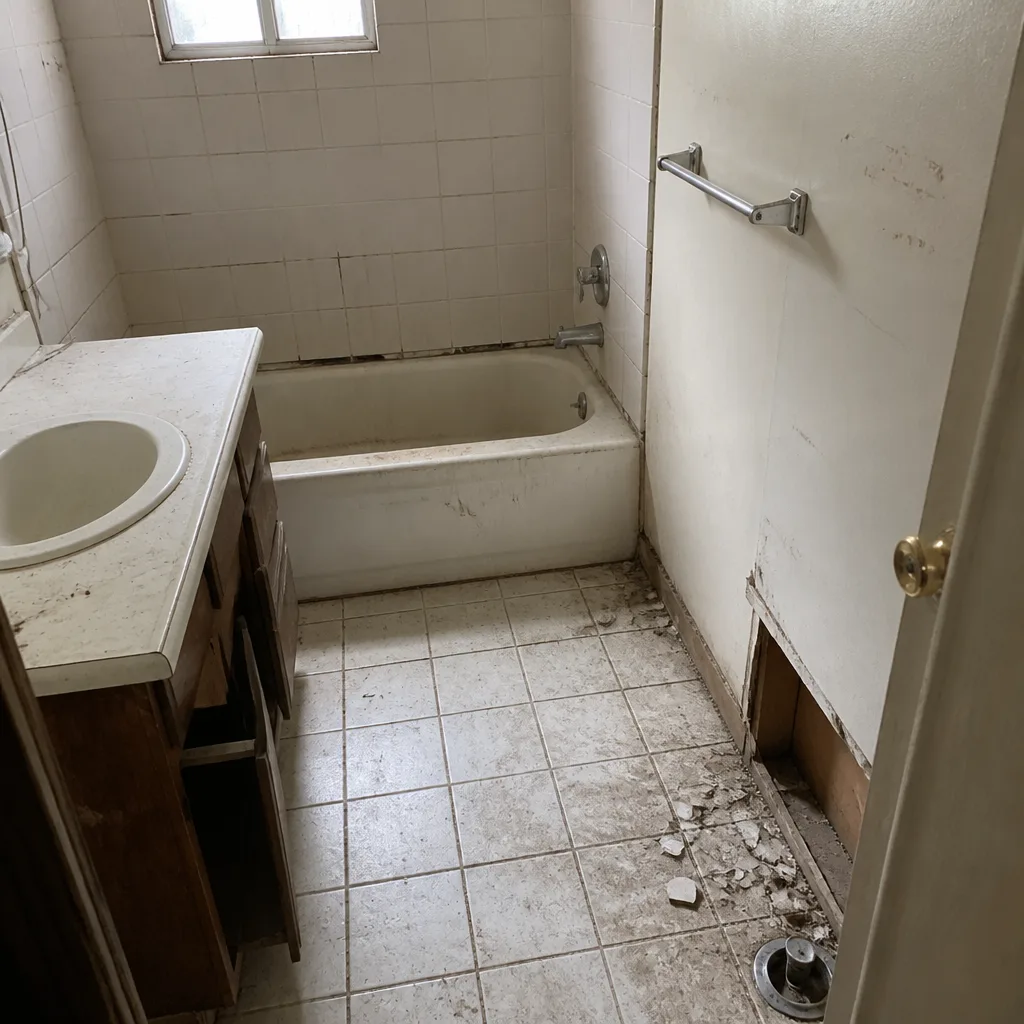 Before
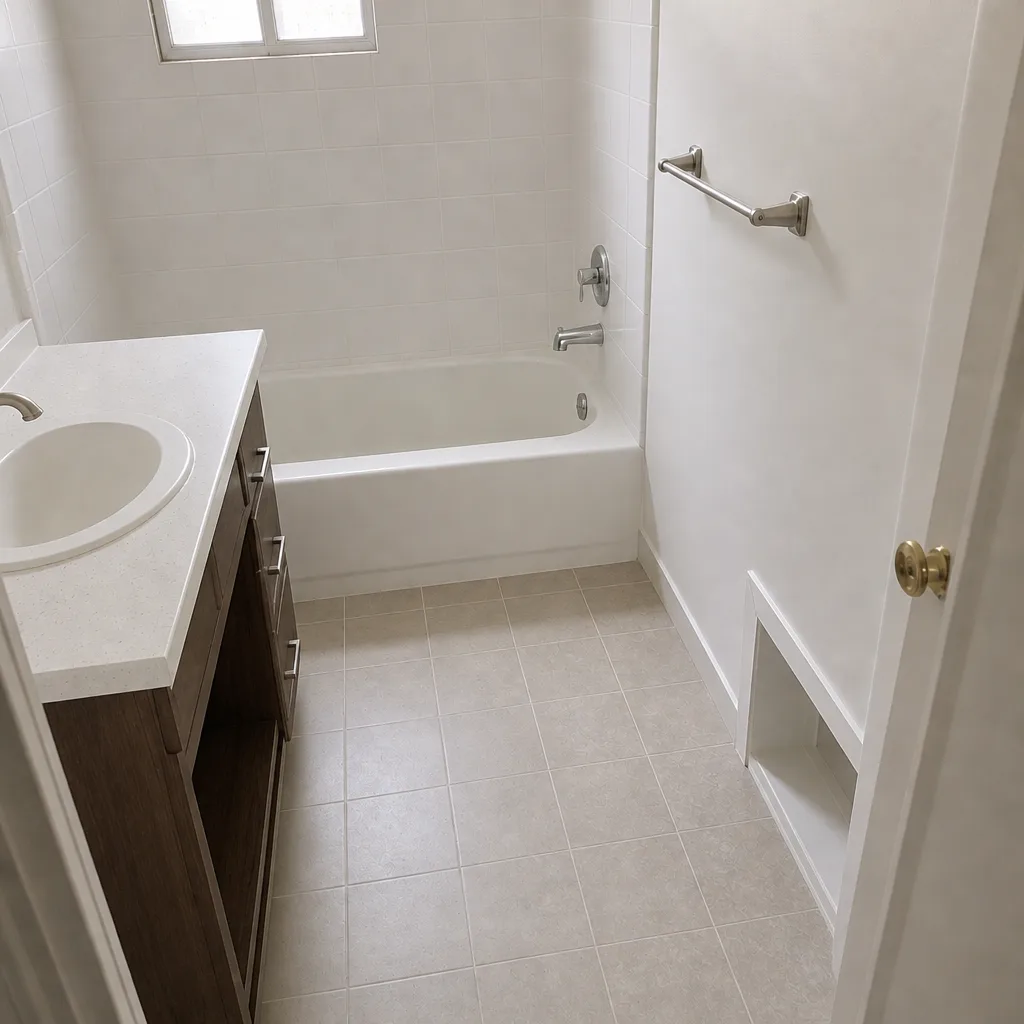 After
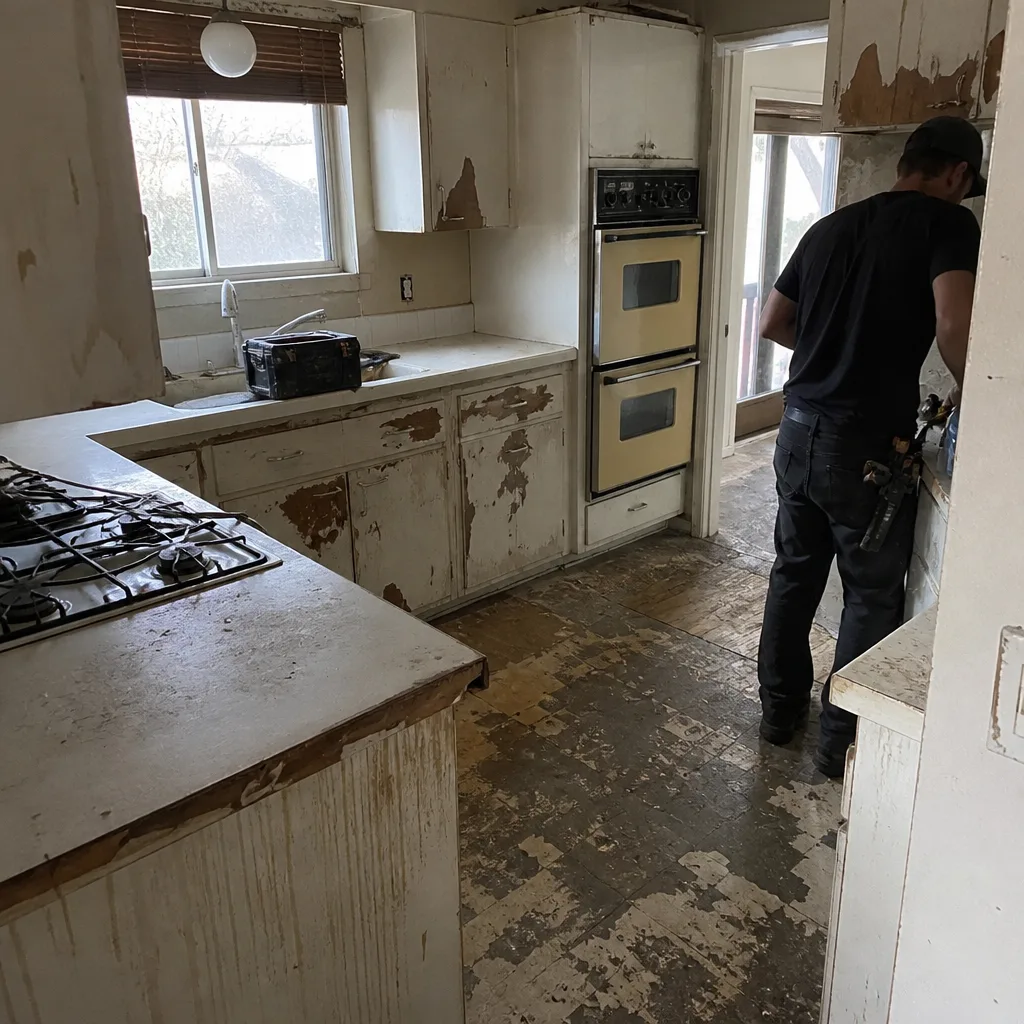 Before
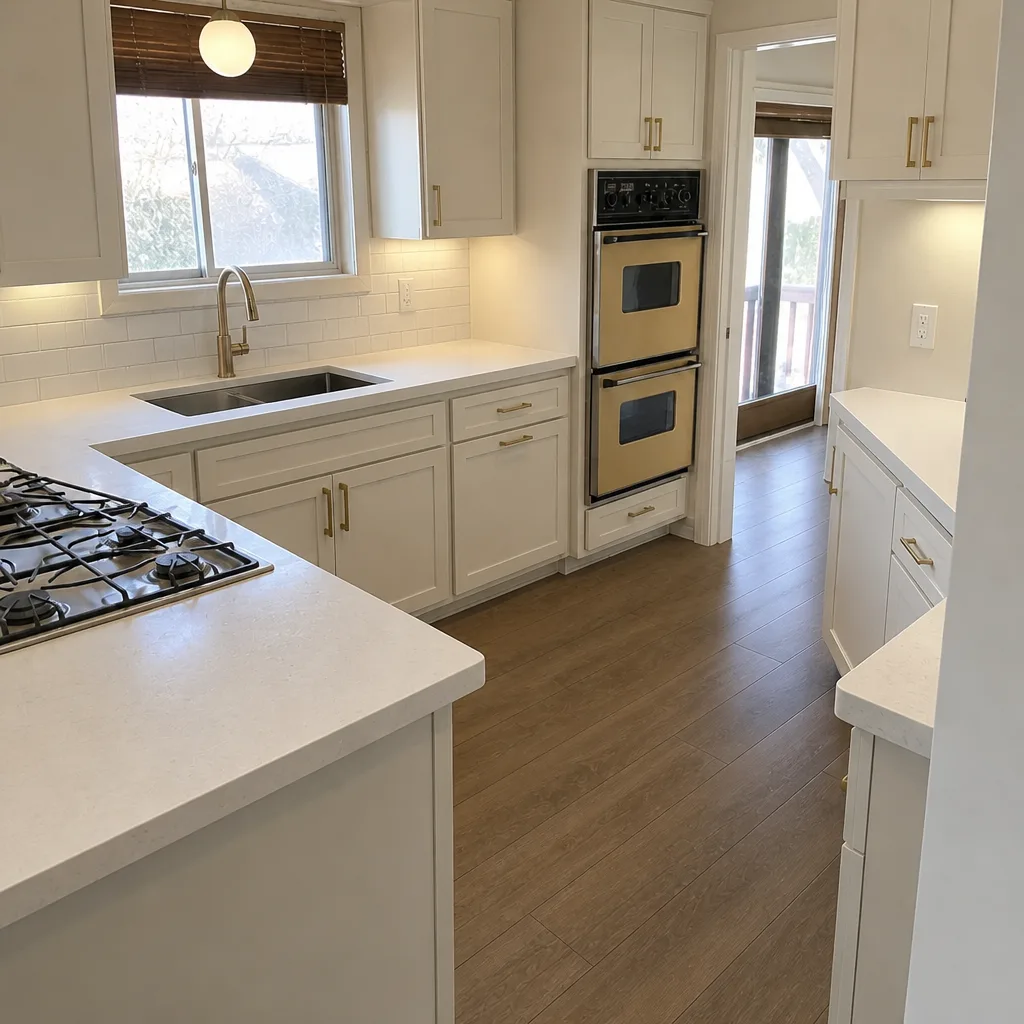 After
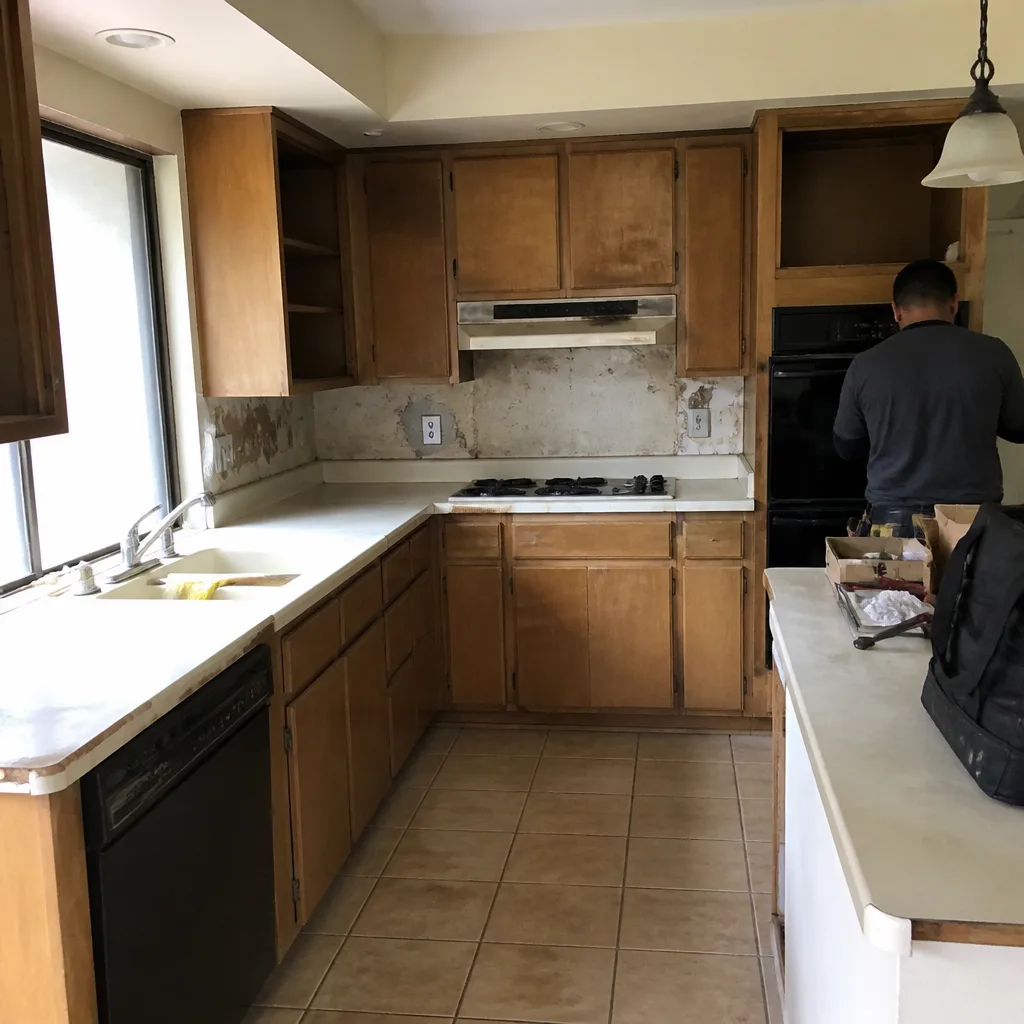 Before
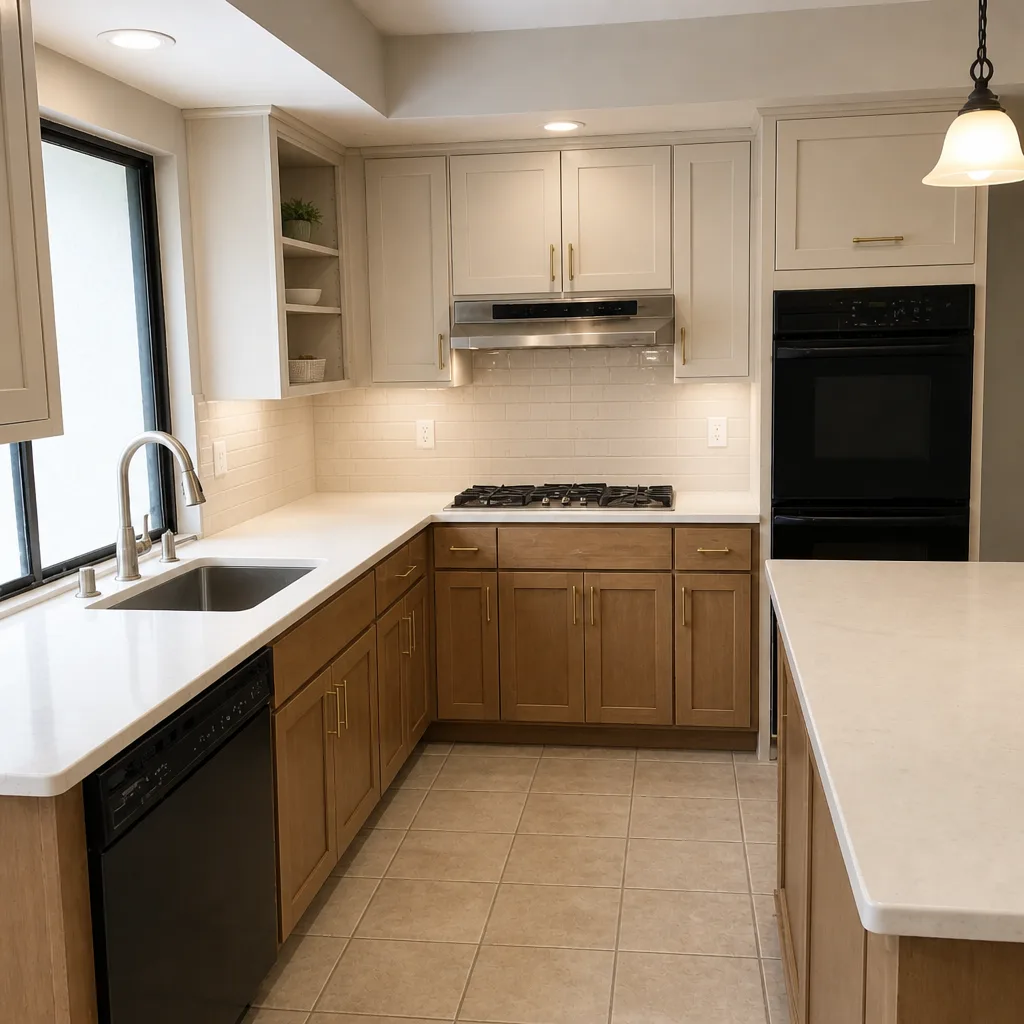 After
Window Repair vs Replacement in Yorba Linda, CA: How to Decide on a 1960s-80s Tract Home
Choose repair only if the glass or sash is the sole problem and the surrounding frame and stucco are sound. On most Yorba Linda tract homes built between the 1960s and 1980s, that’s rarely the case: the original single-pane aluminum frames corrode from the inside out and damage the stucco band before you notice. If you’re already seeing cracks near the corners or water staining, plan on replacement. Call Groundwork Construction Co. of Yorba Linda at (888) 255-9354 for a free, no-pressure assessment with upfront pricing.
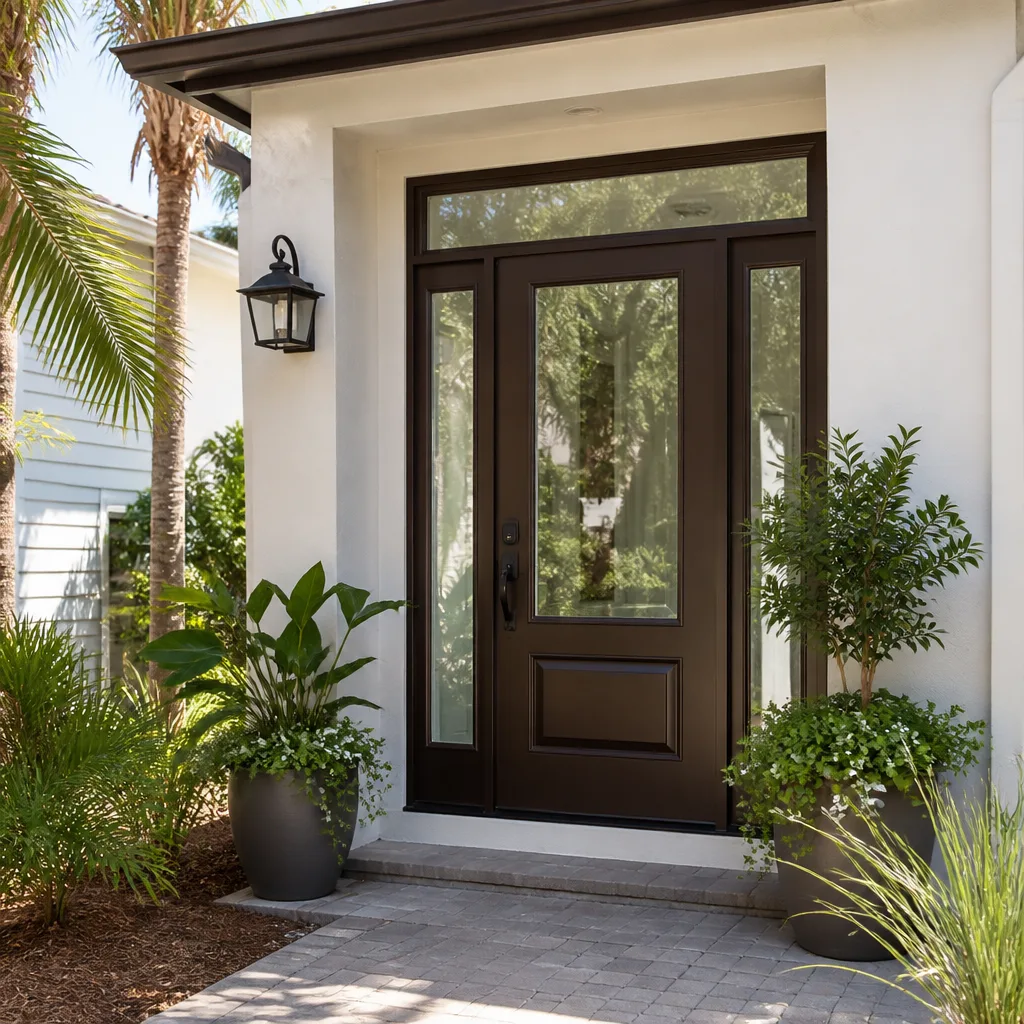
Why a cracked sash on a 1972 Yorba Linda home is never just a $200 fix
Picture the scene we walk into most weeks. A homeowner on a hillside street off Imperial Highway calls about a cracked sash. The glass is the least of it. When the technician pulls the trim, the aluminum frame underneath has been quietly oxidizing for decades, and the edge of the stucco band around the opening is soft, cracked, or stained from water that’s been getting behind the wall for years.
Here’s what happens in Yorba Linda’s 1960s-80s tract housing stock: original single-pane aluminum frames were often set shallow in wood-frame walls with minimal flashing. They corrode from the inside out – you see it at the bottom sill and the mitered corners first. The corrosion pushes back against the stucco, so the stucco band fails at the same time. By the time a glass repair shop swaps a pane, you’ve paid for a fix that leaves the underlying problem in place. That’s the repair-vs-replacement math most comparison guides never mention.
Many of these lots also sit on a slope, and Yorba Linda construction is dominated by retaining walls, grading, and drainage engineering. That matters here because water management around a window opening is part of the same drainage story. If the wall and flashing around your window are compromised, it’s rarely an isolated issue.
What to check before you choose: a practical look
We’re not going to pretend every window needs replacing. Some genuinely just need a repair. The trick is knowing which is which. Here’s how to tell, in plain terms, and how we’d frame it on your house.
- Aluminum frame corrosion: Run a hand along the bottom sill and the inside corners. White chalky residue, pitting, or bubbling is a bad sign. Corrosion that’s visible on the inside means the frame is already failing.
- Soft or cracked stucco at the surround: If the stucco band around your window is cracked, stained, or crumbles when you poke it, a glass swap won’t fix that. Press lightly; if it gives, water is getting in.
- Draft or fogging between panes: On an older single-pane unit, a draft usually signals a bad seal at the frame, not just the glass.
- Water stains at the interior drywall or header: If you’re seeing this, the flashing has likely failed. That’s a replacement conversation, and it’s worth catching before it spreads.
- Sticking or hard-to-operate windows: On aluminum frames, this often means the frame has racked – a sign of settling or rusted hardware.
If you see one or two of these on a single window, a targeted repair might still make sense. See two or more on a window, or any on more than one window in the same wall, and the cost curve tilts toward full-frame replacement. Our team at Groundwork Construction Co. can walk the windows with you and tell you which camp each one falls into. We’ve been doing this for over 42 years, and our technicians have up to 12 years of experience reading exactly these signs.
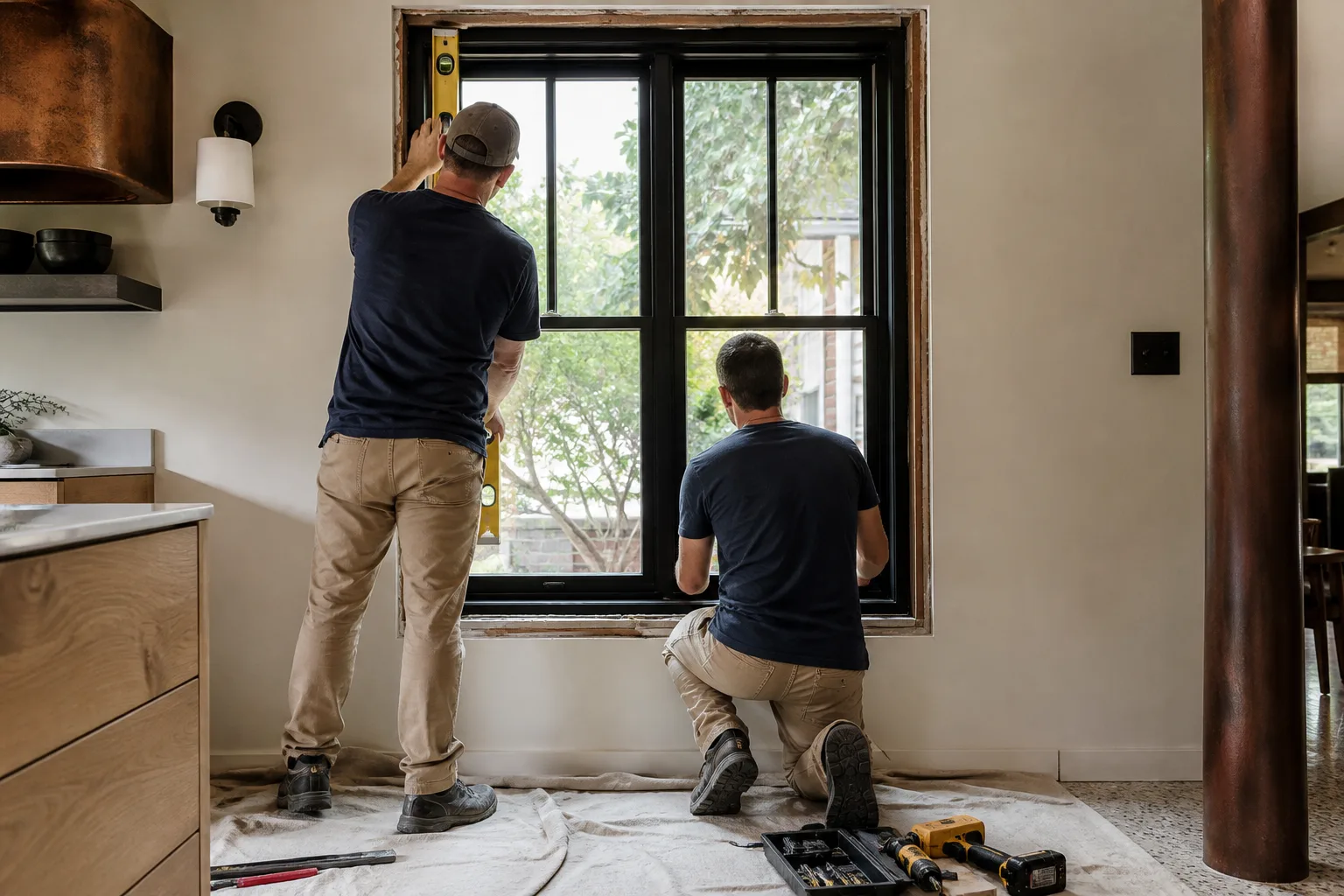
The stucco-integration cost generic guides leave out
Replacing a window is never just a window on a wood-frame stucco home. There’s the re-wrap (weather barrier), the flashing (the critical piece that keeps water out), and stucco patching to blend the surround back in. On a drywall-interior home, some of that disappears into the wall cavity. On a stucco-exterior home, it’s all visible and all labor. That’s the part where the “repair” line item and the “replace” line item start to converge faster than people expect.
Here’s a rough comparison of the two paths for a typical Yorba Linda home, using our normal pricing:
| What’s involved | Repair (glass/sash only) | Full-frame replacement |
|---|---|---|
| Window unit | Minimal – single pane or sash | Full unit with modern insulation |
| Flashing | Often skipped | New flashing, properly lapped |
| Stucco patching | Touch-up only | Matched patch of the surround band |
| Energy compliance | Not triggered | Title 24 compliance if threshold met |
| Typical project cost | Lower entry, higher risk | $4,500-$15,000 for a set |
Those replacement numbers are our normal ranges for Yorba Linda, and they hold regardless of which window brand you choose. Add 0% financing for 18 months and $1,000 off on projects over $10,000, and the up-front sting of doing it right gets a lot smaller.
The permit trigger most comparison articles miss
California’s Title 24 energy code kicks in when a permit-pulled remodel replaces more than a threshold number of windows. In practical terms, on a Yorba Linda window project, once you cross that line, your new units have to meet current energy performance standards – which means the cheaper “just drop in a like-for-like unit” shortcut won’t clear inspection. That’s a real cost factor in the repair-vs-replacement decision, and it’s exactly the kind of thing that gets left out of a generic comparison guide. If you’re weighing a whole-wall replacement versus one window, it’s worth a conversation before you sign anything.
Why full-frame units matter on awkward openings
Full-frame replacement units are built to drop into an existing rough opening with minimal demolition. That’s a big deal on a Yorba Linda home where the original rough opening is out of square and the stucco surround is already fragile. Andersen and Marvin both offer full-frame options designed for exactly this situation, which keeps the demolition scope down and means less patching and less risk of collateral damage to the wall.
Contrast that with a repair: swapping a sash is a smaller job, but it leaves you with the same aging frame underneath, the same potential for corrosion, and the same eventual conversation. On a house that’s already 40-plus years old, we lean toward replacement on any window showing frame corrosion. It’s also worth noting whether the window is tied into something else – if you’re planning a home-wide improvement, the window scope is worth sequencing with other work.
What if I only have one bad window?
Then repair may be the right call, provided the frame and stucco around it are solid. A single cracked sash on an otherwise sound frame is a straightforward fix. If you’re adding or changing a room, the same stucco-and-flashing logic applies to how the wall gets detailed – mentioning it up front with your other contractor usually saves a headache later on the Yorba Linda service area page or with your own builder. If the window surround is compromised, plan on replacing the unit rather than patching the glass.
FAQs
A glass or sash repair is typically the lower-cost option, but replacement for a set of windows in Yorba Linda runs $4,500-$15,000, and impact-rated units run $8,000-$25,000. The real question is whether a repair leaves a failing frame and stucco surround in place. In most of the 1960s-80s tract homes we see, it does. Call (888) 255-9354 for a free estimate so you’re comparing real numbers, not guesswork.
Usually, yes. Corrosion at the sill and mitered corners, soft or cracked stucco at the surround, and water staining at the interior header are all visible signs that a frame is failing. A technician with up to 12 years of experience on these homes can read the window and the surround together in one visit. If we find the frame is sound, we’ll tell you that, too – we don’t push replacement when a repair genuinely works.
No – Title 24 triggers when your permit-pulled remodel replaces more than the threshold number of windows, not on a single window. That’s why the scope of the project matters so much. If you’re replacing one window, you’re in repair-decision territory. If you’re replacing a wall’s worth, plan on meeting current energy standards. Call (888) 255-9354 and we’ll walk through your specific situation before you commit.
Often cheaper on paper to repair – but not always in practice, once stucco re-wrapping, flashing, and patching come into the picture. The moment a repair involves opening the surround, the cost gap closes fast, and you’re left with an old frame that will fail again. Our 730-Day Done Right Promise backs the replacement work: if the flashing or surround fails within two years, we make it right, in writing. Call for a no-pressure assessment and an upfront price.
Get a straight answer on your windows
If you’d rather have it looked at than guess, Groundwork Construction Co. of Yorba Linda offers a no-pressure assessment in Yorba Linda. We’ll tell you which windows need work and which don’t, price it upfront, and back the job with our 730-Day Done Right Promise. Our Windows & Doors team can help you decide between a repair and a full-frame replacement. Call (888) 255-9354 today.
Written by the team at Groundwork Construction Co. of Yorba Linda, serving Yorba Linda, CA.