


Free written scope consultation - allowances, timeline, and change-order rules on paper before a single trade is scheduled
Styles & brands we work with
- Kitchen remodeling
- Bathroom remodeling
- Home additions & ADU
- Roofing
- Windows & doors
- Driveway & pavers
- Fence
See the difference
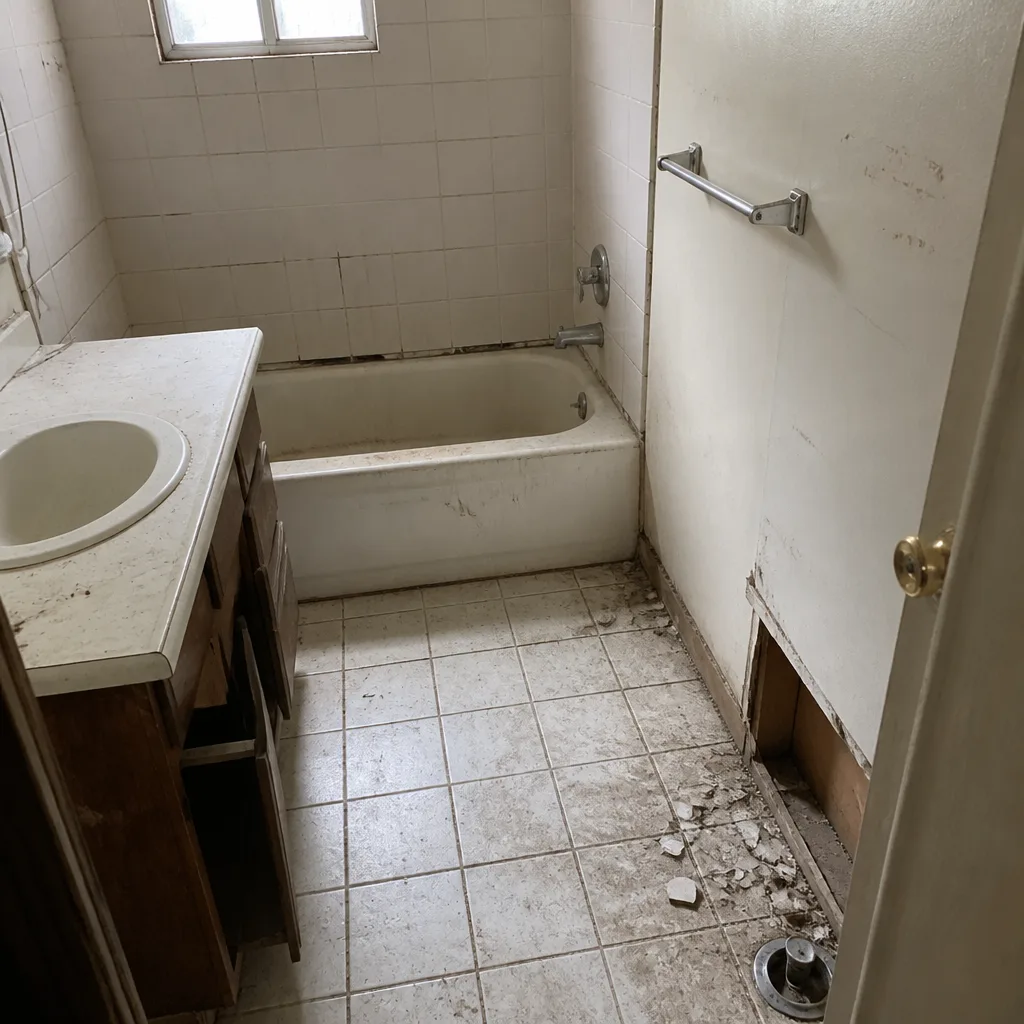 Before
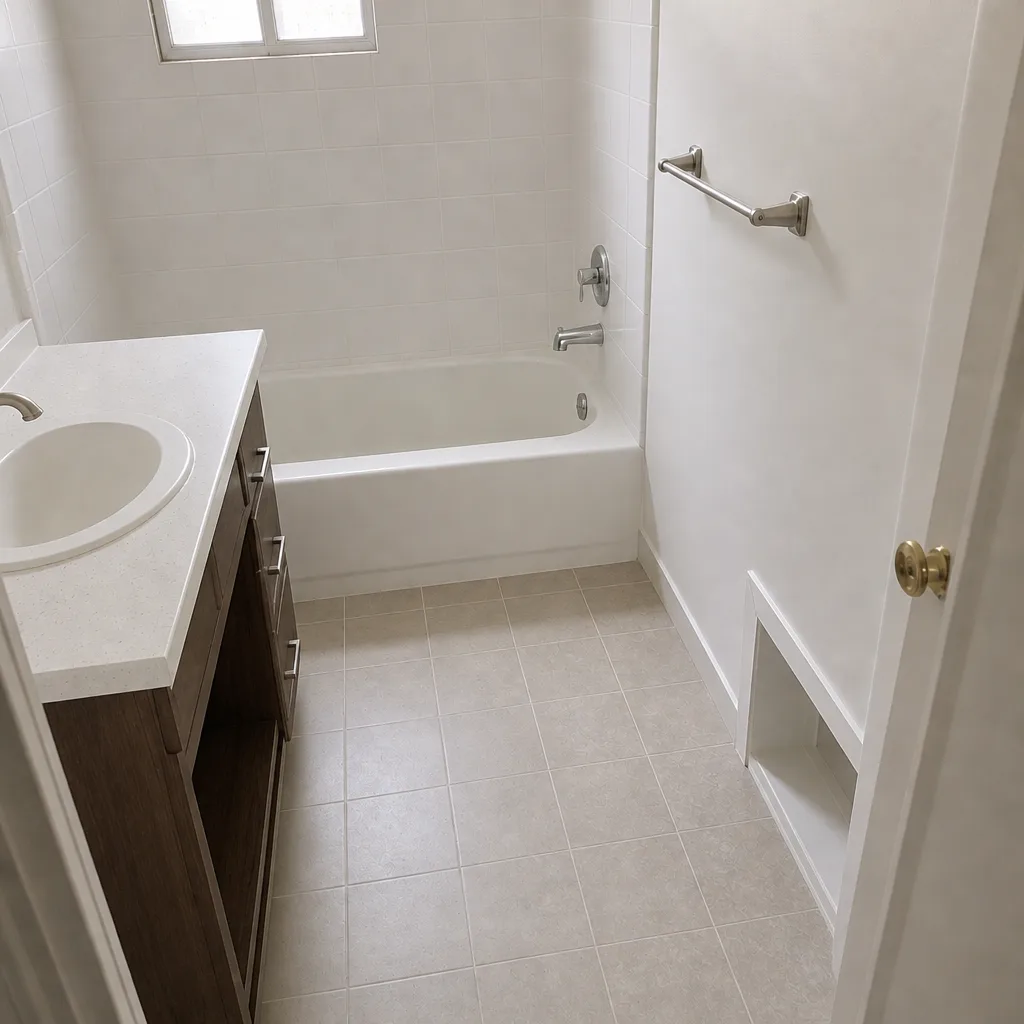 After
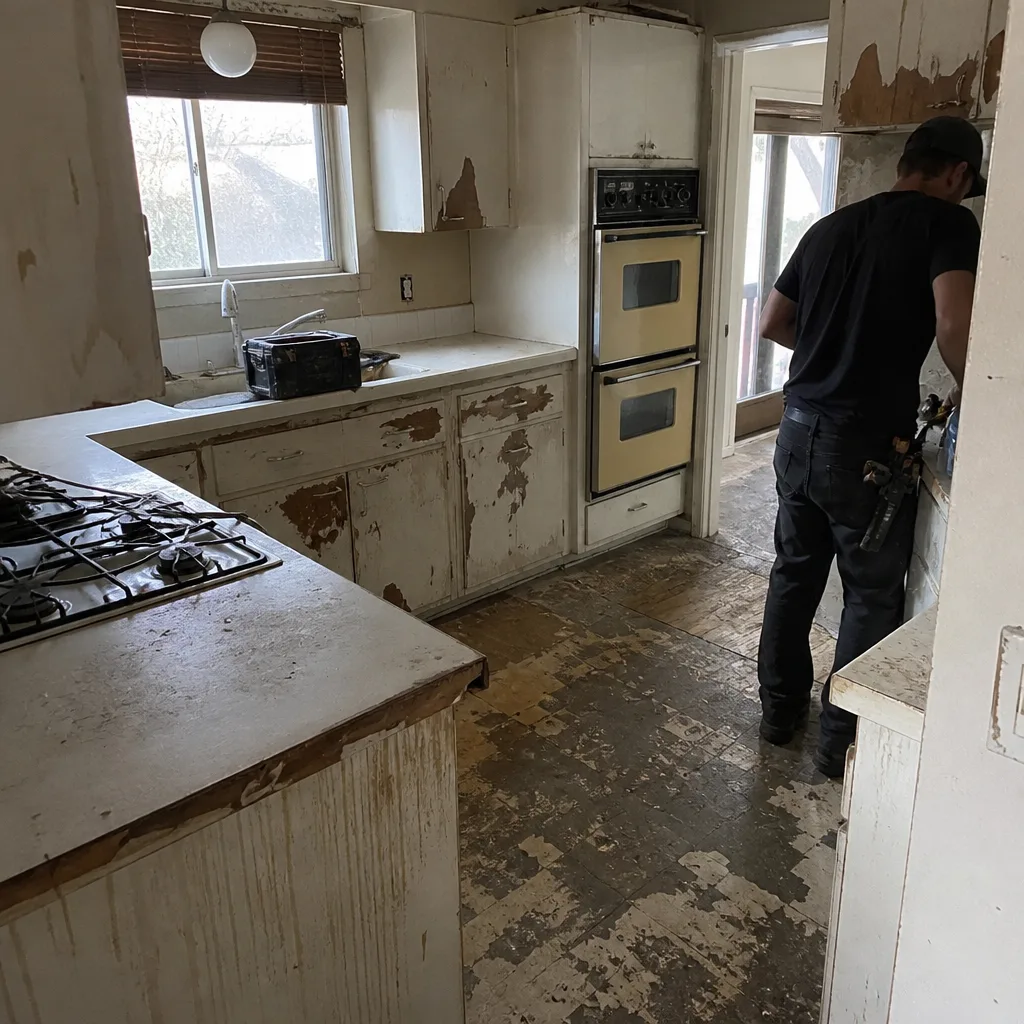 Before
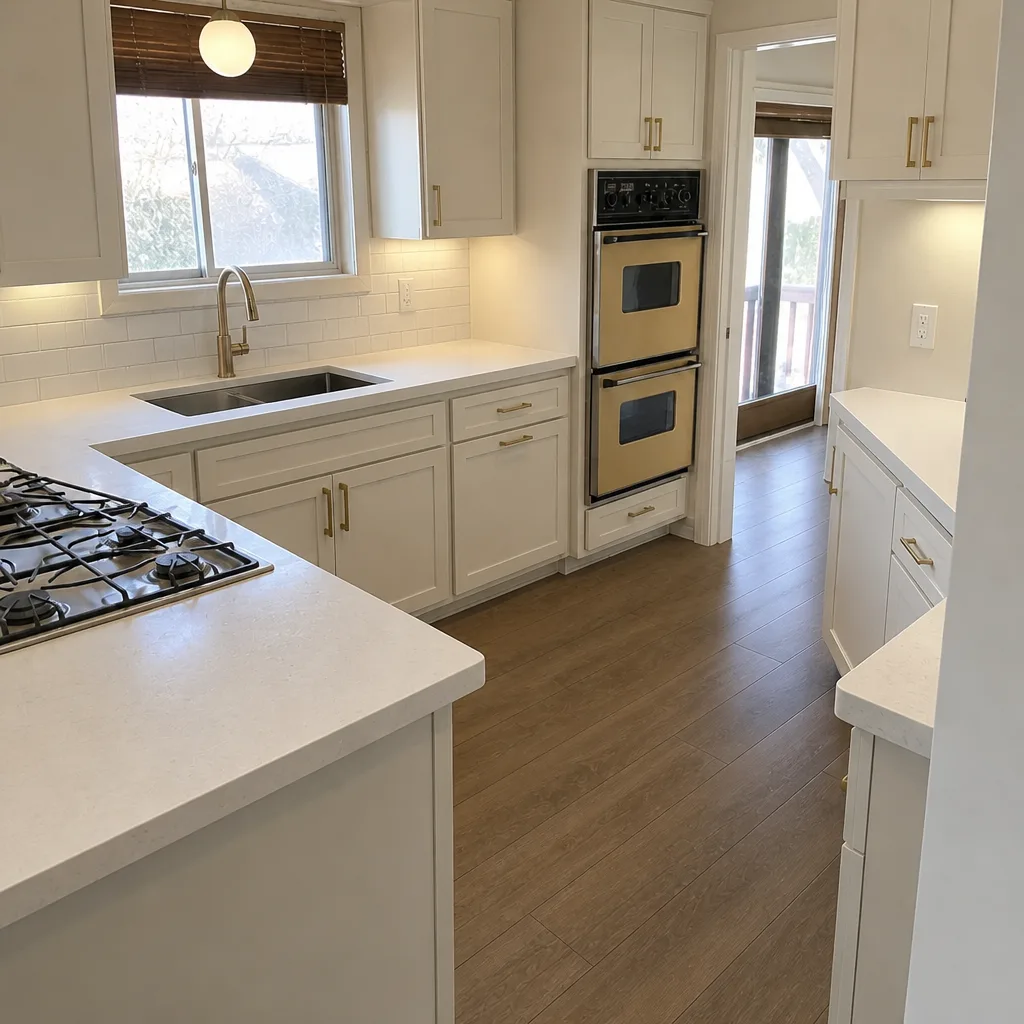 After
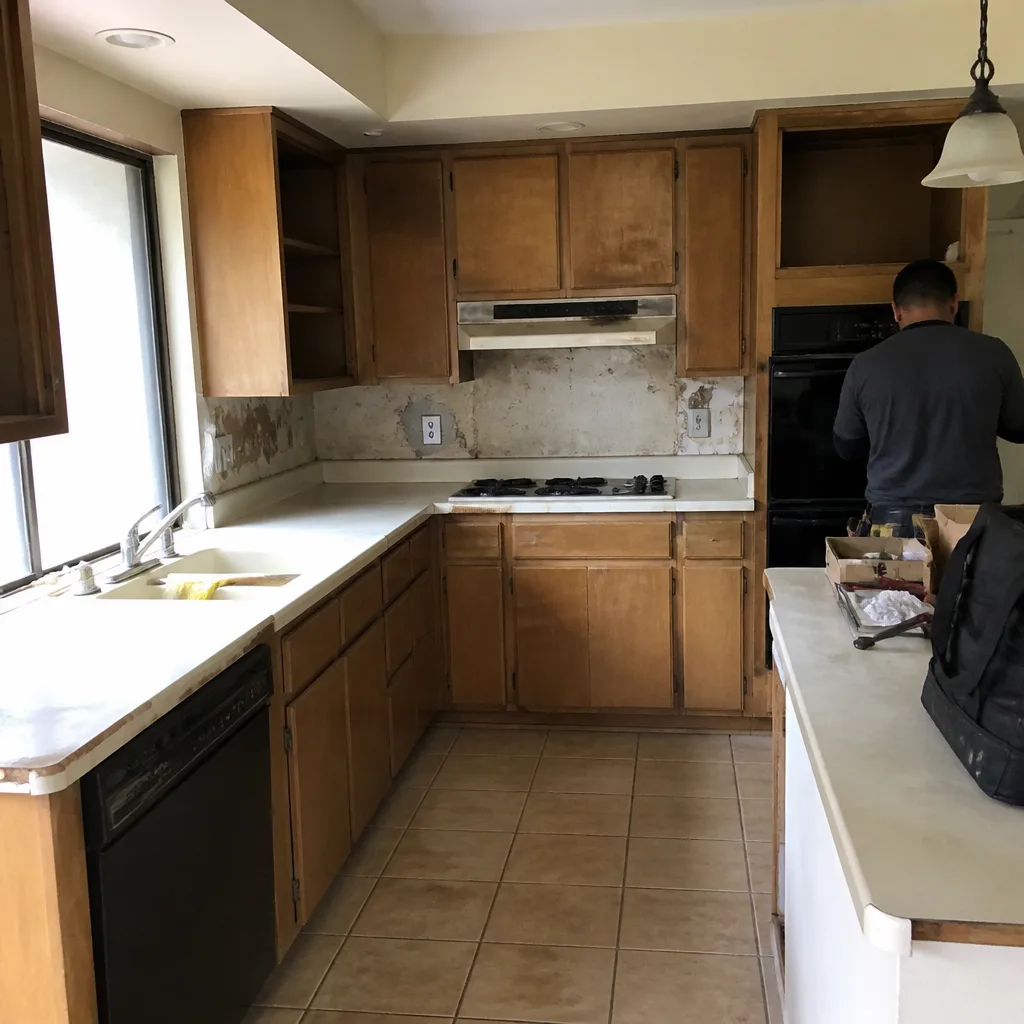 Before
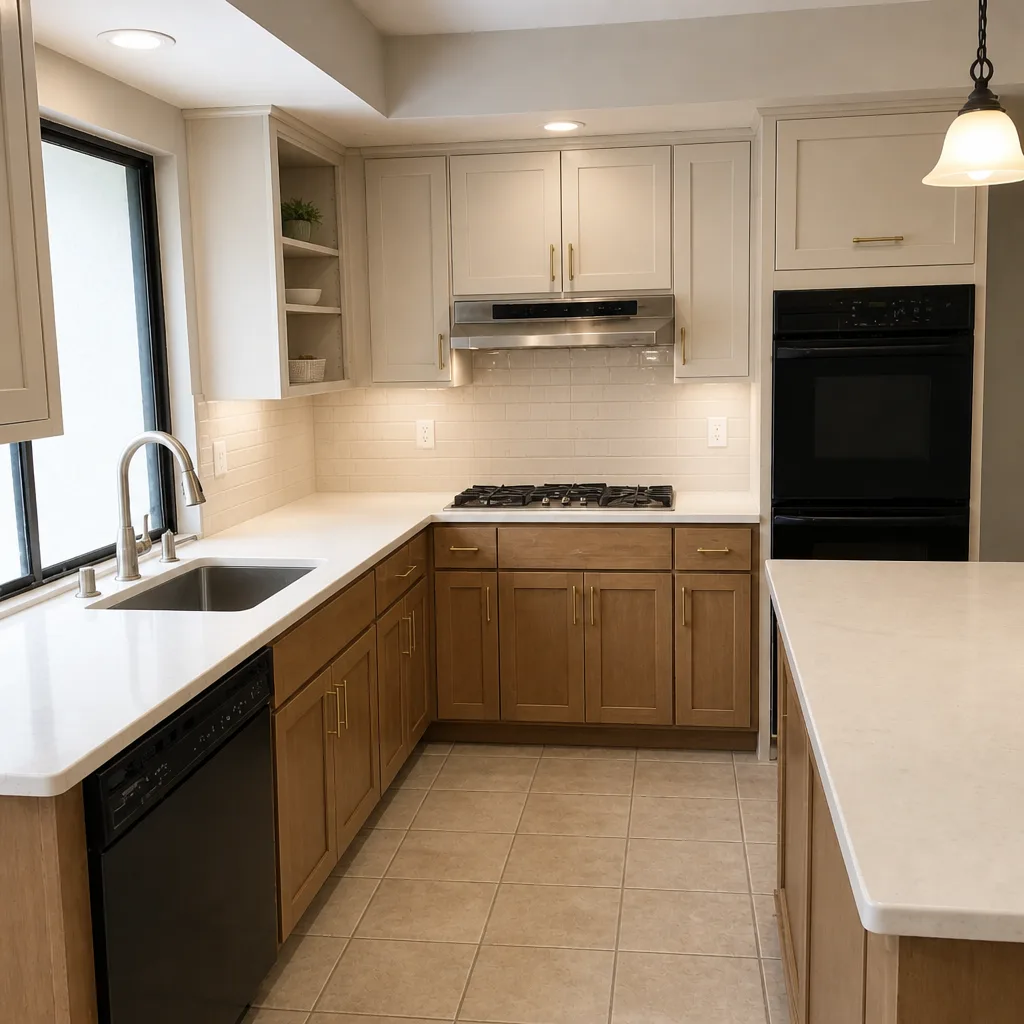 After
How to Find a Roof Leak in Yorba Linda, CA: Trace the Water, Don’t Trust the Stain
Finding a roof leak usually means working backward from the stain to the actual entry point, not looking straight up from it. On a Yorba Linda hillside home, that distinction matters more than it does anywhere on flat ground: water that shows up on a ceiling or wall can enter 10 to 20 feet away and travel downhill through the deck structure before it finds a way inside. If you want the short answer for how to find a roof leak here, it’s this: follow the water uphill along the framing, check the flashing intersections first, and confirm with a two-person hose test before anyone touches a shingle. When the trail goes cold, call us at (888) 255-9354 and we’ll run a proper diagnostic.
Why “look above the stain” fails on a Yorba Linda hillside
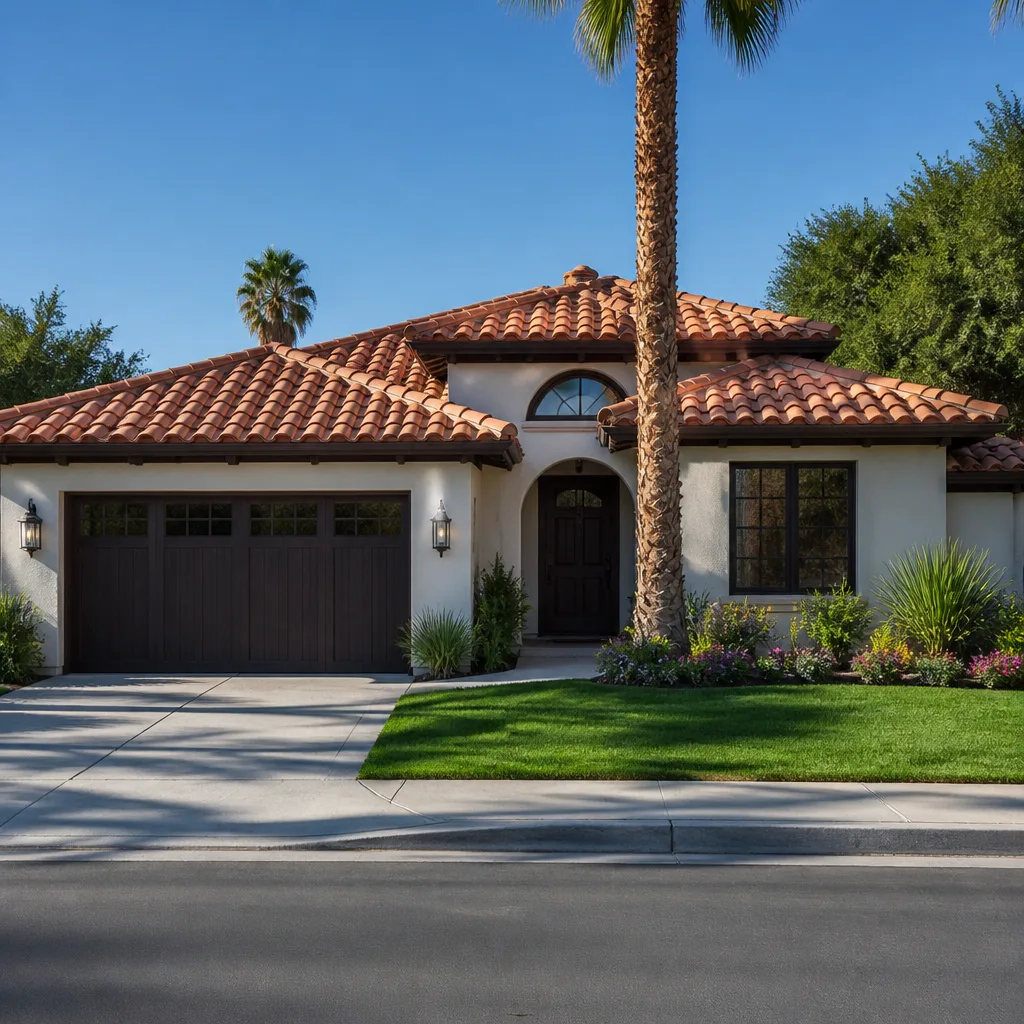
Standard leak advice assumes a flat lot and a mostly vertical water path. Yorba Linda is a hillside city where nearly every lot carries some slope, so the rules bend. Water that enters at a ridge, an upper valley, or a dormer cheek doesn’t drop straight down. It rides the underside of the deck sheathing, following the pitch of the roof and the framing, until it reaches a seam, a nail penetration, or a top plate and slips through into the living space. The stain you see may sit at a low eave or an interior wall a good 10 to 20 feet horizontally from the actual breach.
That’s why a visual inspection from the ground, or even a careful walk of the roof surface, comes back empty so often on these properties. The entry point is real, but it’s not where your eye wants to go. Reading the water path is the whole skill.
Start with flashing, not shingles (especially on 1970s-80s tract homes)
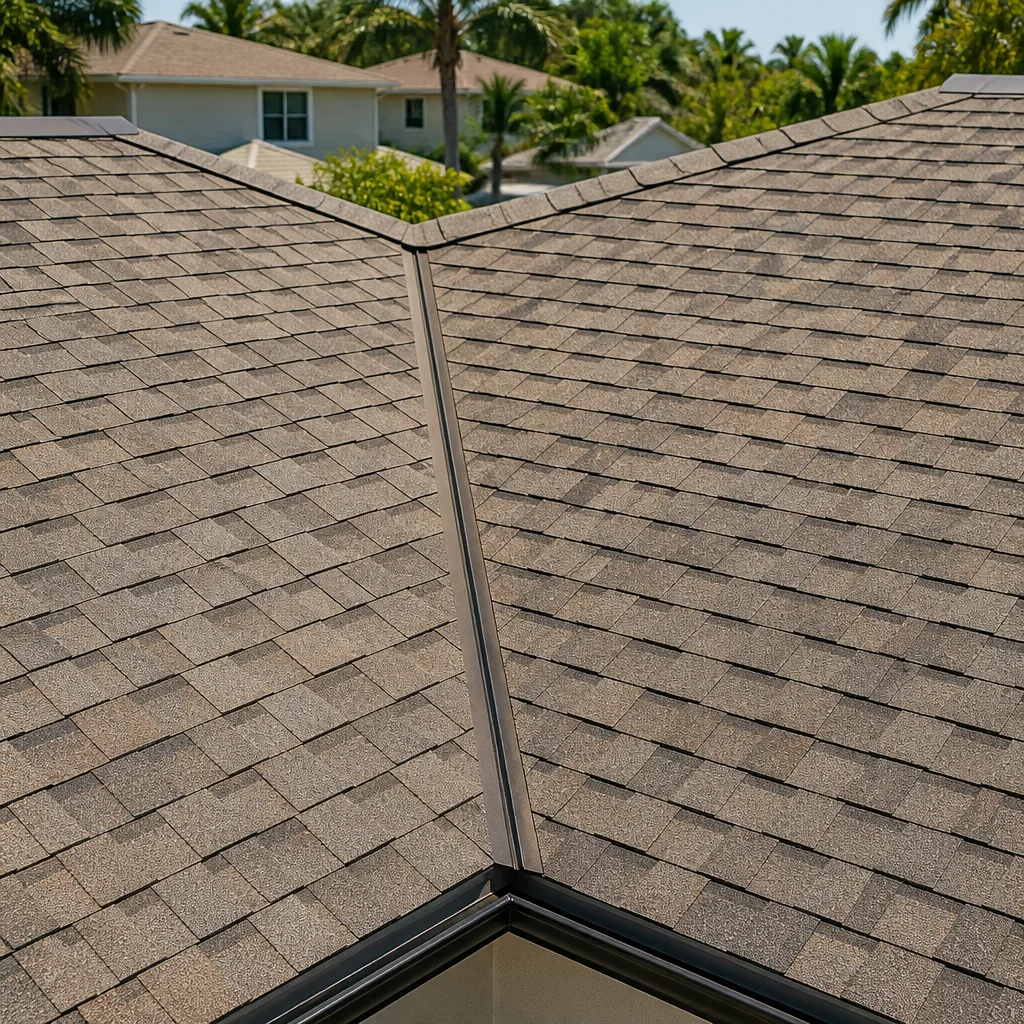
On the 1960s-1980s tract homes that make up much of Yorba Linda’s housing stock, the leak is frequently an intersection, not a field of shingles. Original aluminum step flashing at dormers, skylights, and chimneys oxidizes and separates on a fairly predictable 25 to 35 year cycle. That puts a lot of these roofs squarely in the window. Before anyone climbs up to inspect shingle surfaces, run the diagnostic checklist below against the intersections:
- Step flashing at dormers and sidewalls – look for lifted, curled, or separated aluminum where the roof meets a vertical wall.
- Skylight curbs – check the seal and the flashing collar; a dried gasket lets water in quietly.
- Chimney counter-flashing – the metal should sit tight in the mortar joint, not loose or rusted through.
- Valleys – debris dams hold water against the flashing longer than it should.
- Pipe boots and vent stacks – the rubber collar cracks with sun and age while the pipe still looks fine from the ground (more on this below).
If you’re weighing repair against replacement, our Roofing team walks Yorba Linda homeowners through both paths with upfront pricing, no surprises – and on a roof this age, that conversation is often worth having before a small flashing fix turns into a bigger one.
The attic hose test: the only reliable way when the inspection is inconclusive
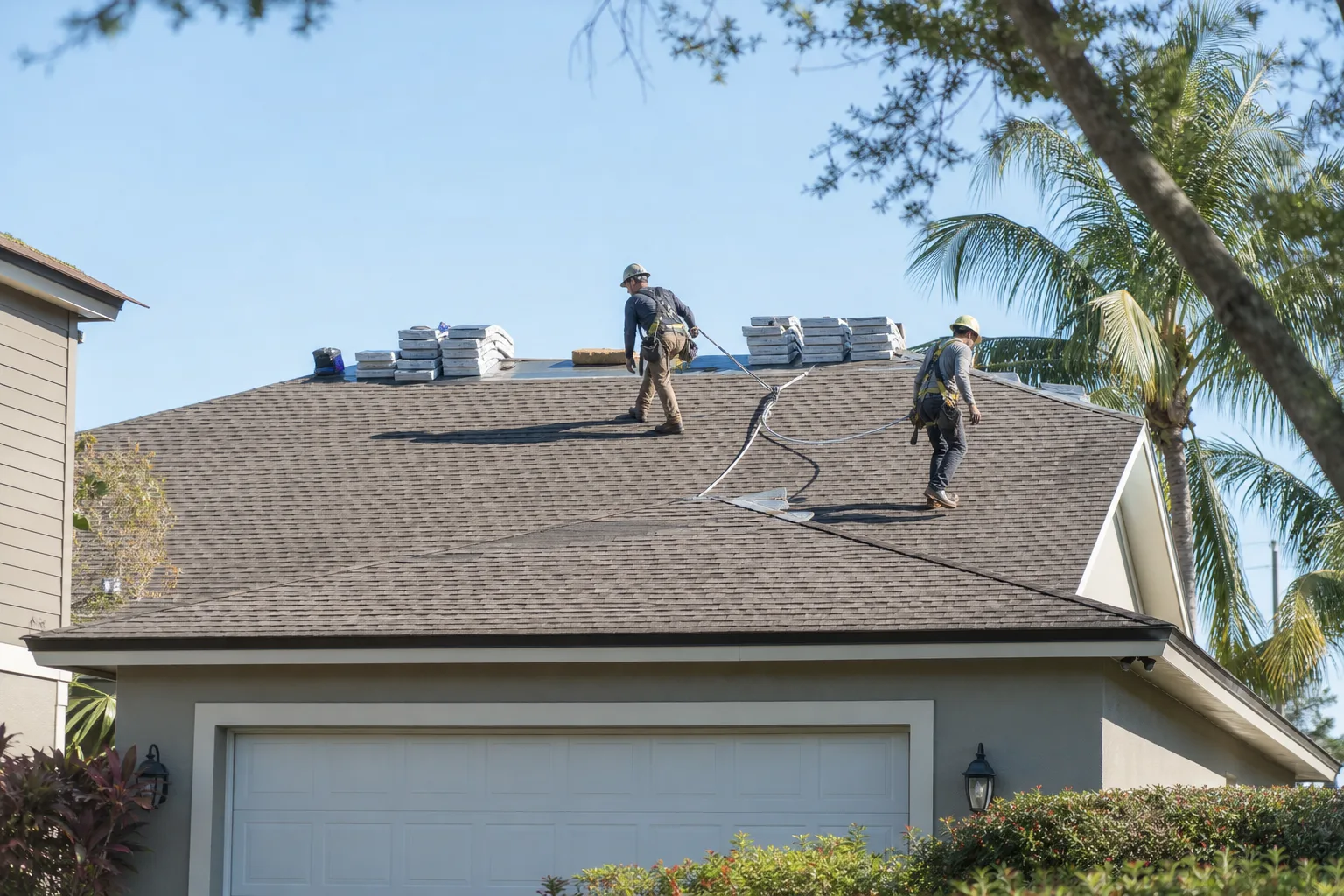
When you can’t see the breach, you confirm it with water and a second set of eyes. The method is simple to describe and hard to do alone: one person on the roof soaks a single section at a time, starting from the low side and working up, while a second person stays in the attic watching the framing for the first sign of moisture. You stop the moment water appears, note exactly where you were soaking, and you’ve found your entry point. Soak one section at a time, from the bottom up, and never the whole roof at once – you’ll just flood the attic and learn nothing.
This is where a hose test earns its keep in Yorba Linda: on a sloped lot, the visible inspection is genuinely inconclusive most of the time, so the water test is what separates a guess from a diagnosis. Our background-checked, uniformed technicians perform formal leak diagnostics rather than a visual-only walk-around, precisely because the hillside water migration here makes eyeballing unreliable. You get a marked entry point, in writing, before any repair is quoted. In Yorba Linda, we see this play out most on the older hillside streets where roofs have weathered intense winter storms and hot dry summers for decades.
Don’t overlook the vent and plumbing penetrations
One of the most misdiagnosed leak sources on older Yorba Linda homes isn’t the shingles at all – it’s the pipe boot. The original roof penetrations often still carry their first rubber boot flashings, and those seals dry out and crack with age. From the ground the pipe looks intact, and from a quick surface glance the boot looks fine too, so the leak gets blamed on a shingle problem. It usually isn’t. If your stain appears near a bathroom vent or a plumbing stack, check the boot seal before you consider the shingles.
When it’s worth calling a pro
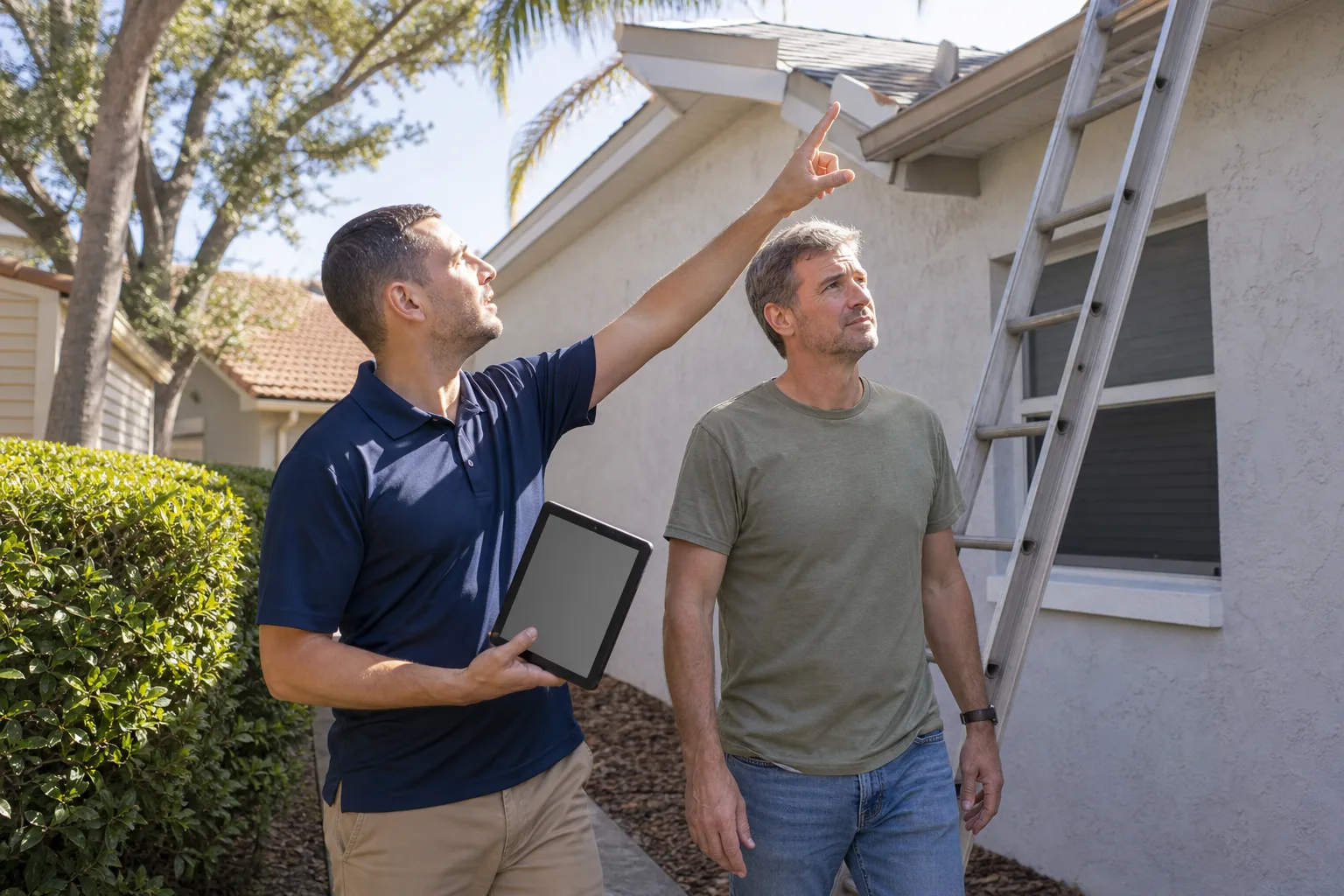
If the entry point isn’t obvious after a flashing check and a careful attic look, the honest answer is that you need a diagnostic. Two people on a wet roof is real fall risk, and chasing water through framing above your living room isn’t a solo job. Roofing carries genuine danger – one slip on a sloped, wet surface and it’s an emergency-room visit – so a professional walk is the right call once the trail goes cold. Our technicians bring up to 12 years of experience to a diagnostic, and we back the repair with the 730-Day Done Right Promise: if it isn’t done right, we make it right. Our technicians work with materials from GAF and CertainTeed because a flashed intersection is only as good as the metal and sealant holding it.
Curious what a repair runs here? Representative Yorba Linda ranges:
| Service | Typical cost |
|---|---|
| Roof repair (leak diagnostic + fix) | $400-$1,800 |
| Tile roof repair | $600-$2,500 |
| Full roof replacement | $8,000-$20,000 |
Most leak diagnostics and simple repairs are handled in a single visit. Calls are answered by a live person, 24/7, so you’re never waiting until Monday morning to reach someone.
FAQs
Roof repair in Yorba Linda typically runs $400-$1,800, with tile roof repair at $600-$2,500 and full replacement at $8,000-$20,000. The final number depends on where the leak actually enters and whether flashing or a pipe boot is involved. Call (888) 255-9354 for an exact quote – estimates are free.
Sometimes, but not reliably on a hillside lot. A ground-level inspection can spot obvious flashing problems, but on a sloped Yorba Linda property, water travels 10-20 feet from entry to stain, so a non-invasive look often misses the source. A formal diagnostic – including a controlled hose test – is what actually locates it.
Check the flashing intersections first, because they’re the most common source on 1970s-80s tract homes. If the leak appears near a dormer, chimney, skylight, or plumbing vent, an oxidized or cracked flashing is the likely cause before any field shingle is. The pipe boot is the sneaky one – it looks fine from the ground even when the seal has cracked.
A formal diagnostic usually takes one to two hours, and most simple repairs are completed in a single visit. Because hillside water migration can hide the entry point, the diagnostic is the part that takes patience – the repair itself is often quick. Call (888) 255-9354 to schedule a free estimate.
If you’d rather have it looked at, Groundwork Construction Co. of Yorba Linda offers a no-pressure assessment in Yorba Linda – we’ll trace the water, confirm the entry point, and quote the fix with upfront pricing. Call (888) 255-9354 for a free estimate and design consult.
Explore our Yorba Linda service area or start from our home page.
Written by the team at Groundwork Construction Co. of Yorba Linda, serving Yorba Linda, CA.